Pharmaceutical QC lab testing
Raw materials, finished products, water, microbiology and stability testing in a regulated pharma QC lab. 37 test methods and 72 instruments, explained step by step.
- USP
- Ph. Eur.
- IP
- ICH
- WHO
- EU GMP
Finished products
Tablets, capsules, injections, oral liquids, creams.
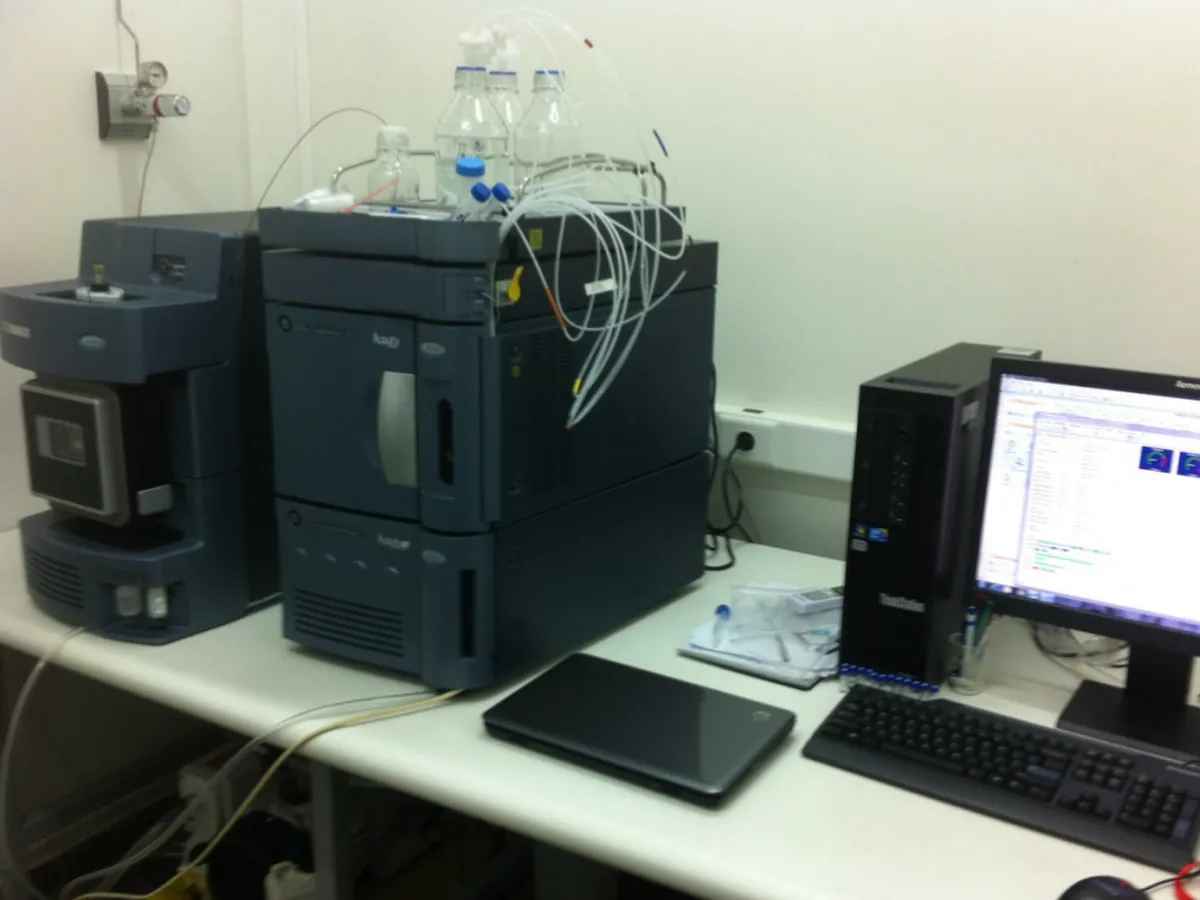
- HPLC (reversed phase, UV detection)
Assay of Paracetamol Tablets by HPLC
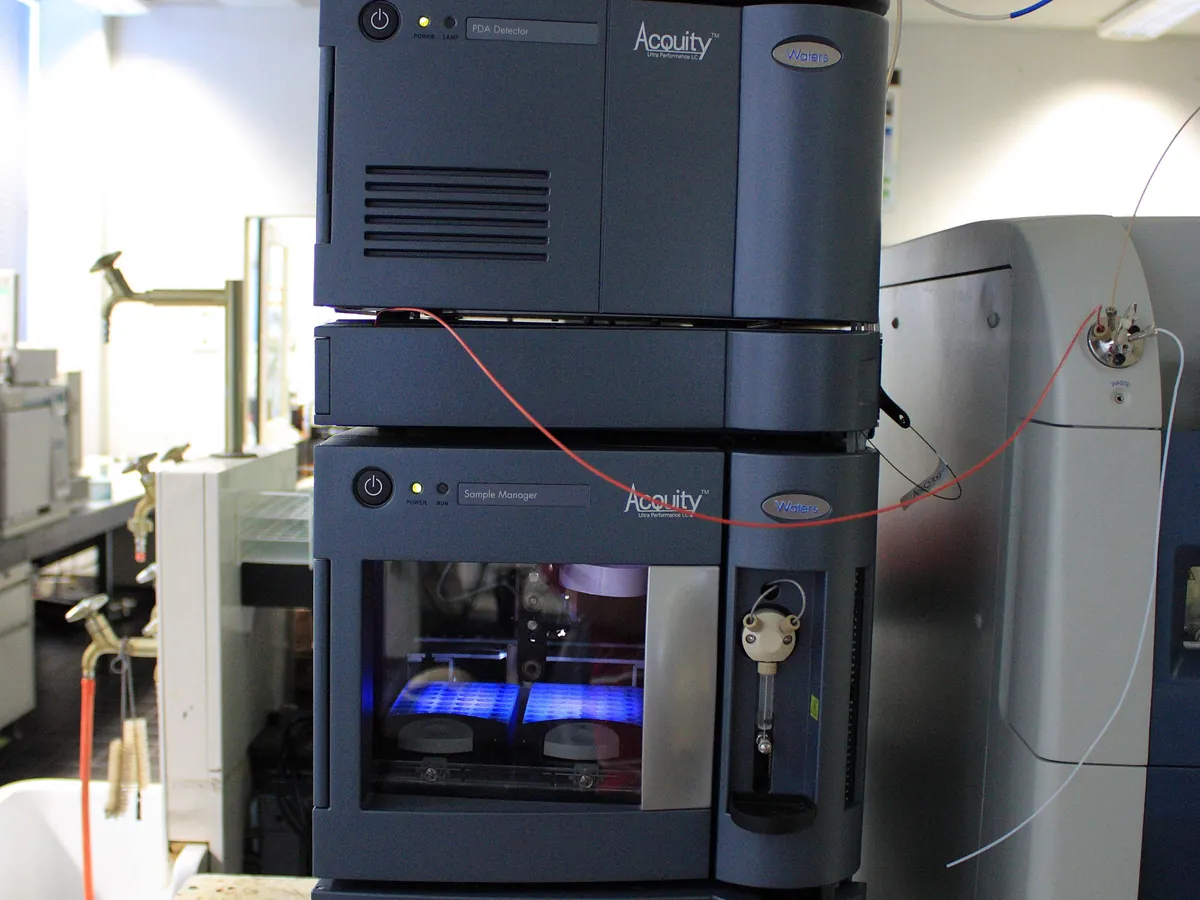
Determines how much paracetamol is present in a tablet compared with the label claim, using reversed-phase HPLC with UV detection at 243 nm and an external reference standard.
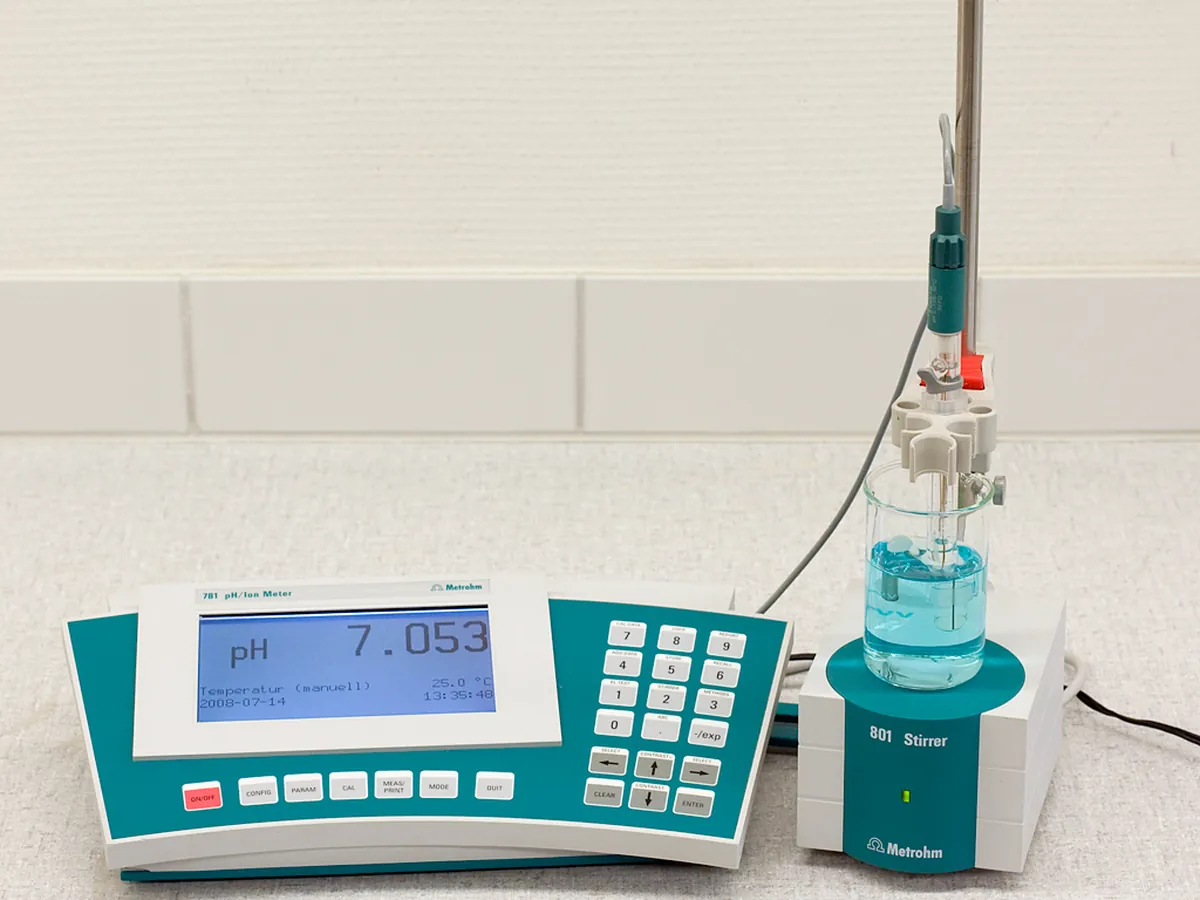
Open method - Potentiometry (glass electrode pH meter)
pH of a Solution (Finished Products)
Measures the pH of a liquid product, or of a solution of a solid product prepared as the monograph describes, using a pH meter calibrated with buffers that bracket the expected pH.
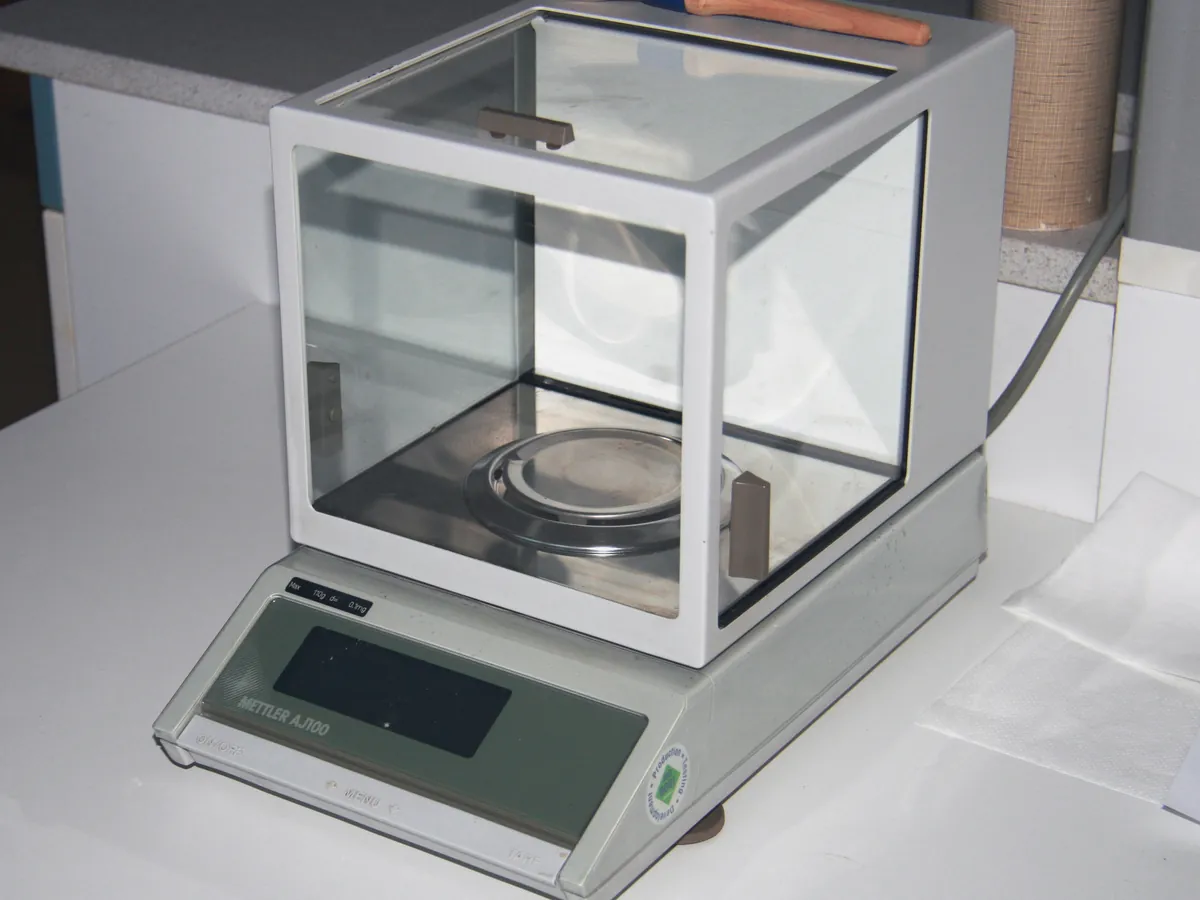
Open method - Gravimetry (analytical balance)
Average Weight & Weight Variation of Tablets
Weighs 20 tablets individually, calculates the average weight, and checks how far each tablet deviates from the average against the limit for that tablet size.
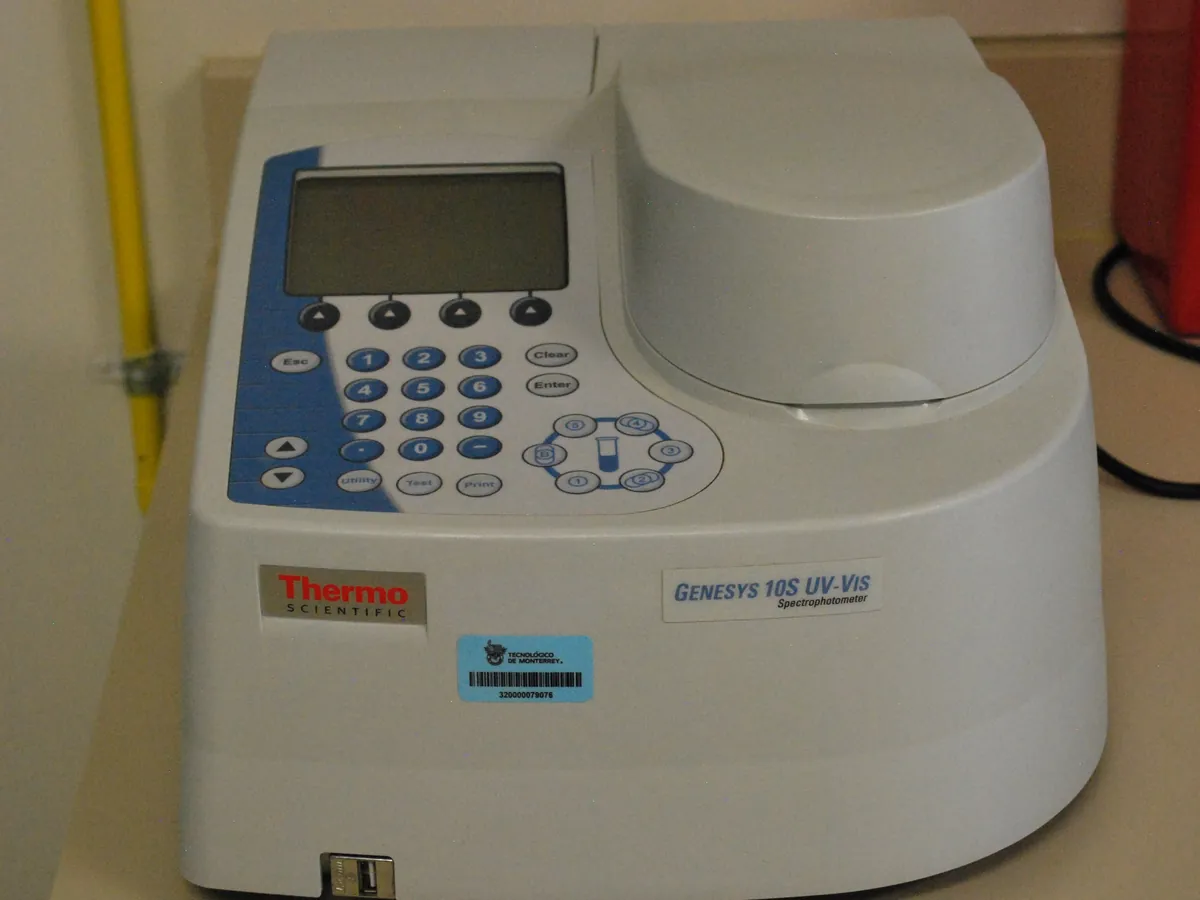
Open method - Dissolution (apparatus 2, paddle) with UV-Vis spectrophotometry
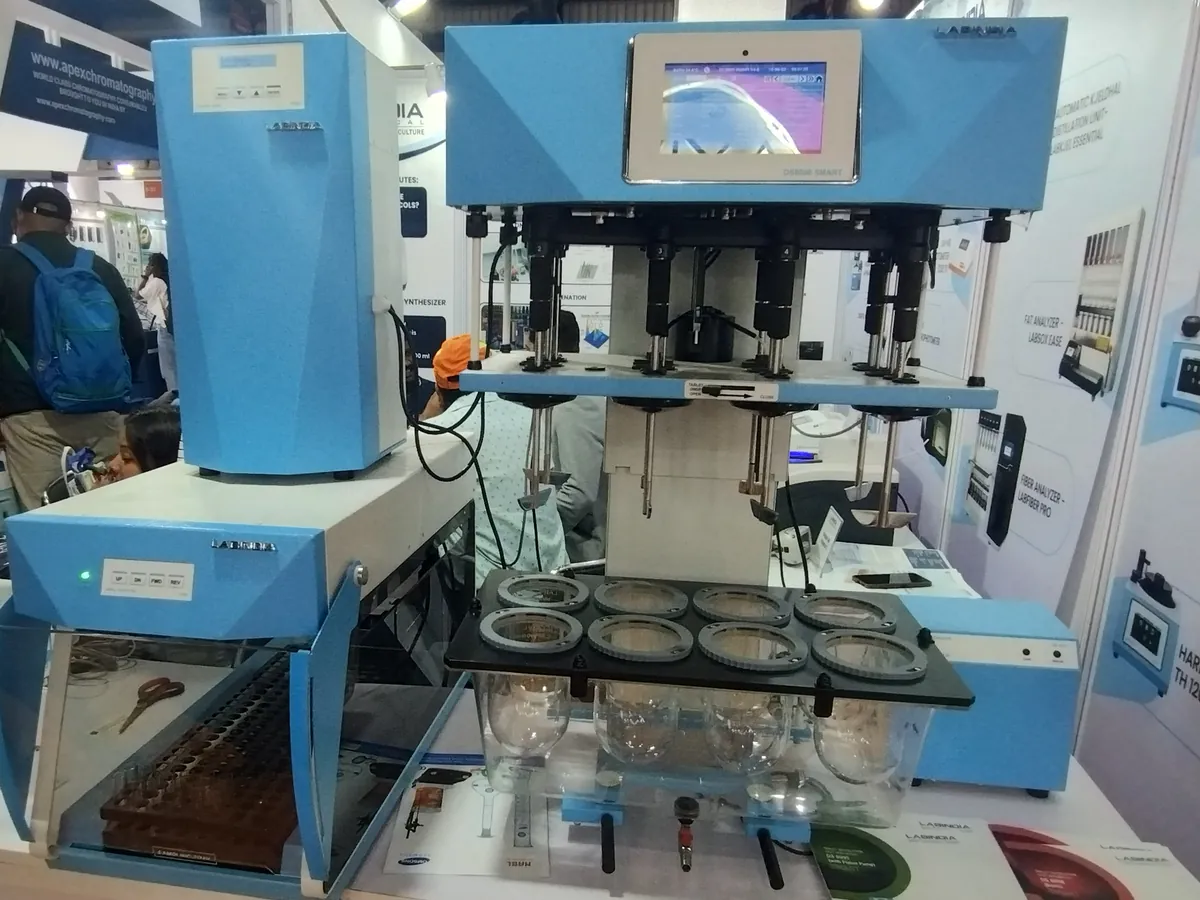
Dissolution of Immediate-Release Tablets (Paracetamol 500 mg example)
Measures the percentage of paracetamol released from each of six tablets after 30 minutes in 900 mL of phosphate buffer at 37 °C, stirred by a paddle at 50 rpm, and judges the batch against the Q value using the staged acceptance criteria.
Open method - Disintegration tester (basket-rack assembly)
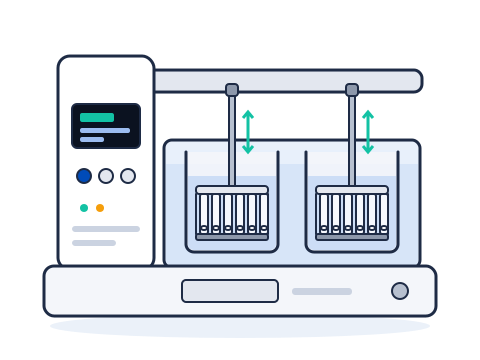
Disintegration Time of Tablets and Capsules
Checks that six dosage units break up completely within a stated time when moved up and down in fluid at 37 °C.
Open method - Physical testing: breaking force tester and friabilator
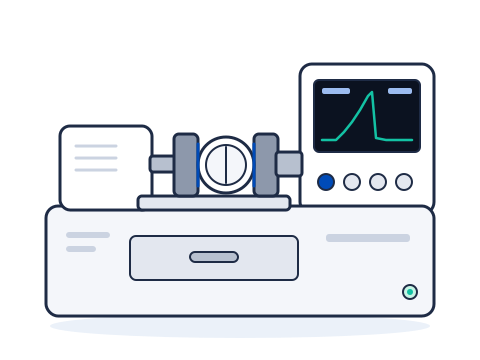
Tablet Hardness (Breaking Force) and Friability
Measures the force needed to break individual tablets and the percentage of weight lost when a sample of tablets is tumbled for 100 revolutions.
Open method - HPLC (reversed phase, gradient, UV detection)
Related Substances (Impurities) by HPLC
Separates the drug from its process impurities and degradation products and reports each impurity as a percentage of the drug, using a diluted standard and relative response factors. Paracetamol tablets are used as the example, where the key degradation product is 4-aminophenol.
Open method - Rotational viscometry
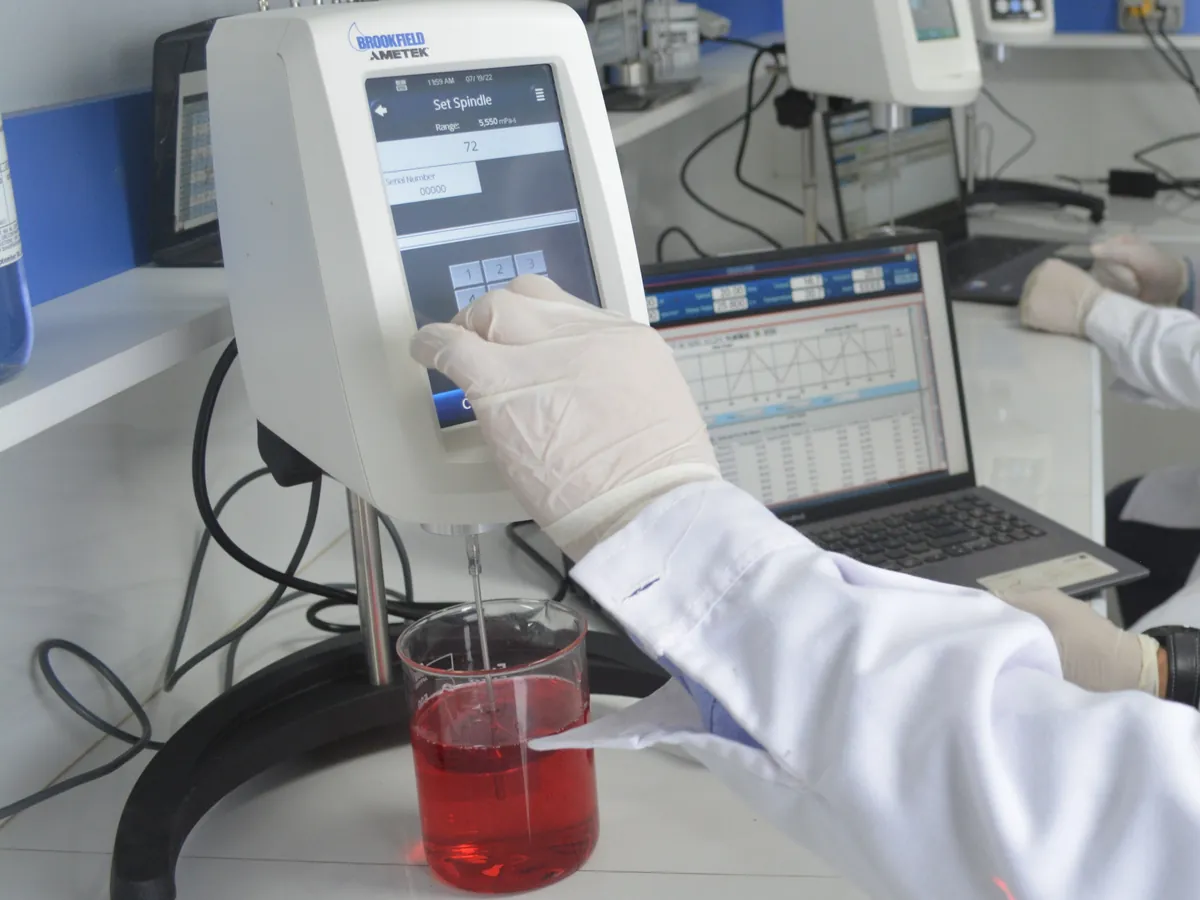
Viscosity of Oral Liquids (Rotational Viscometer)
The sample is brought to a controlled temperature and its viscosity is measured with a rotational viscometer using the spindle and speed given in the STP, with the reading taken at a fixed time and within the reliable torque range.
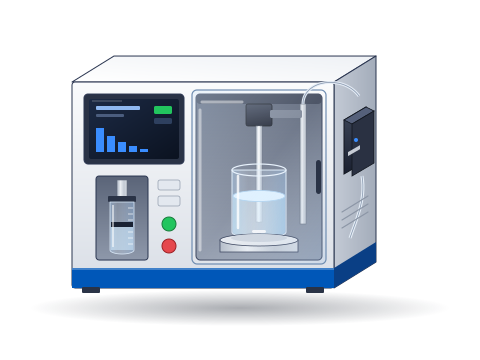
Open method - Freezing-point osmometry
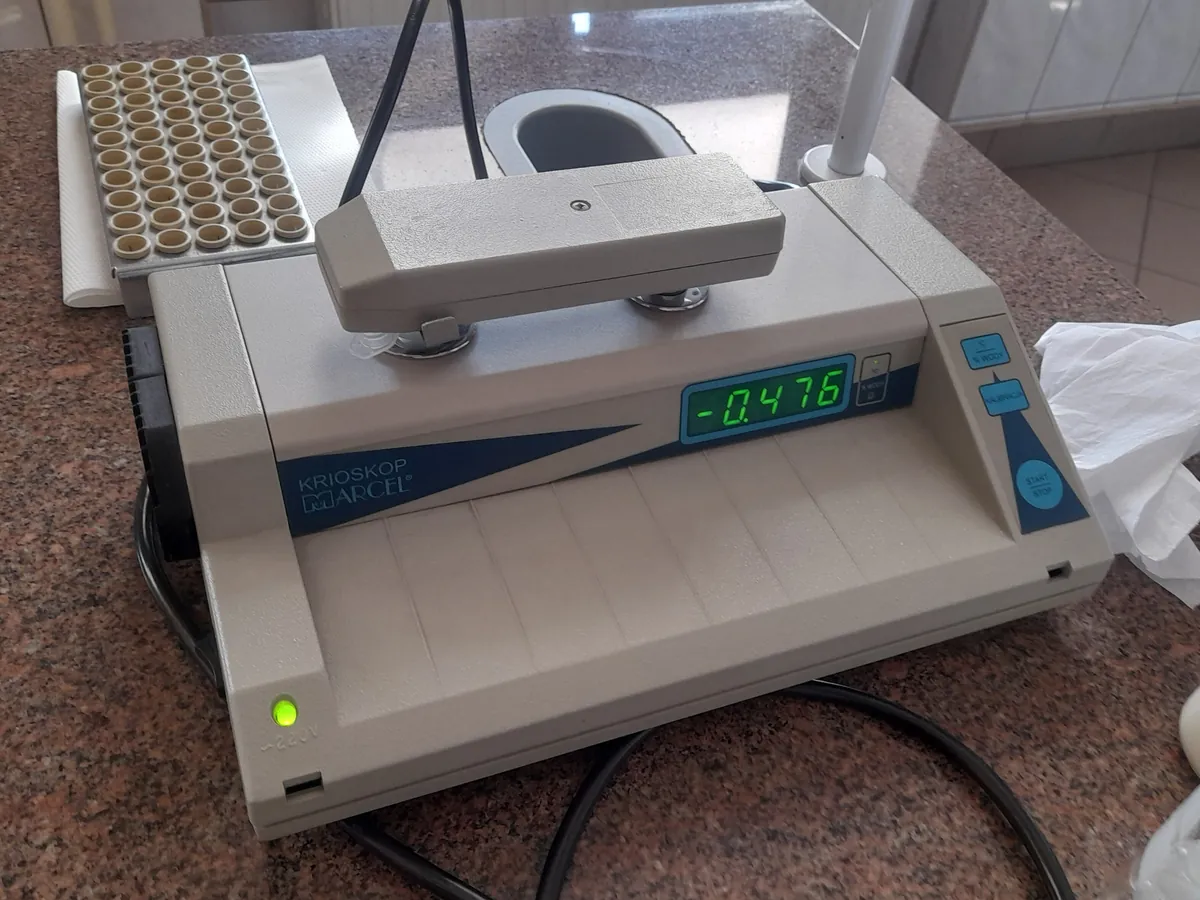
Osmolality of Parenterals (Freezing-Point Depression)
A small, exact volume of the product is supercooled and frozen in a calibrated freezing-point osmometer. The instrument measures the freezing point depression and reports osmolality in mOsm/kg.
Open method - Light obscuration particle count test
Particulate Matter in Injections by Light Obscuration
Counts sub-visible particles of 10 µm and above and 25 µm and above in an injection using a light obscuration counter, and compares the counts per container (or per mL) with pharmacopoeial limits.
Open method - HPLC / UV (content uniformity) or balance (mass variation)
Uniformity of dosage units
Checks that each individual tablet or capsule contains close to the labelled amount of drug. Ten units are tested and the result is expressed as an acceptance value (AV) that combines how far the mean is from target and how spread out the units are.
Open method
APIs & raw materials
Active ingredients and excipients on receipt.
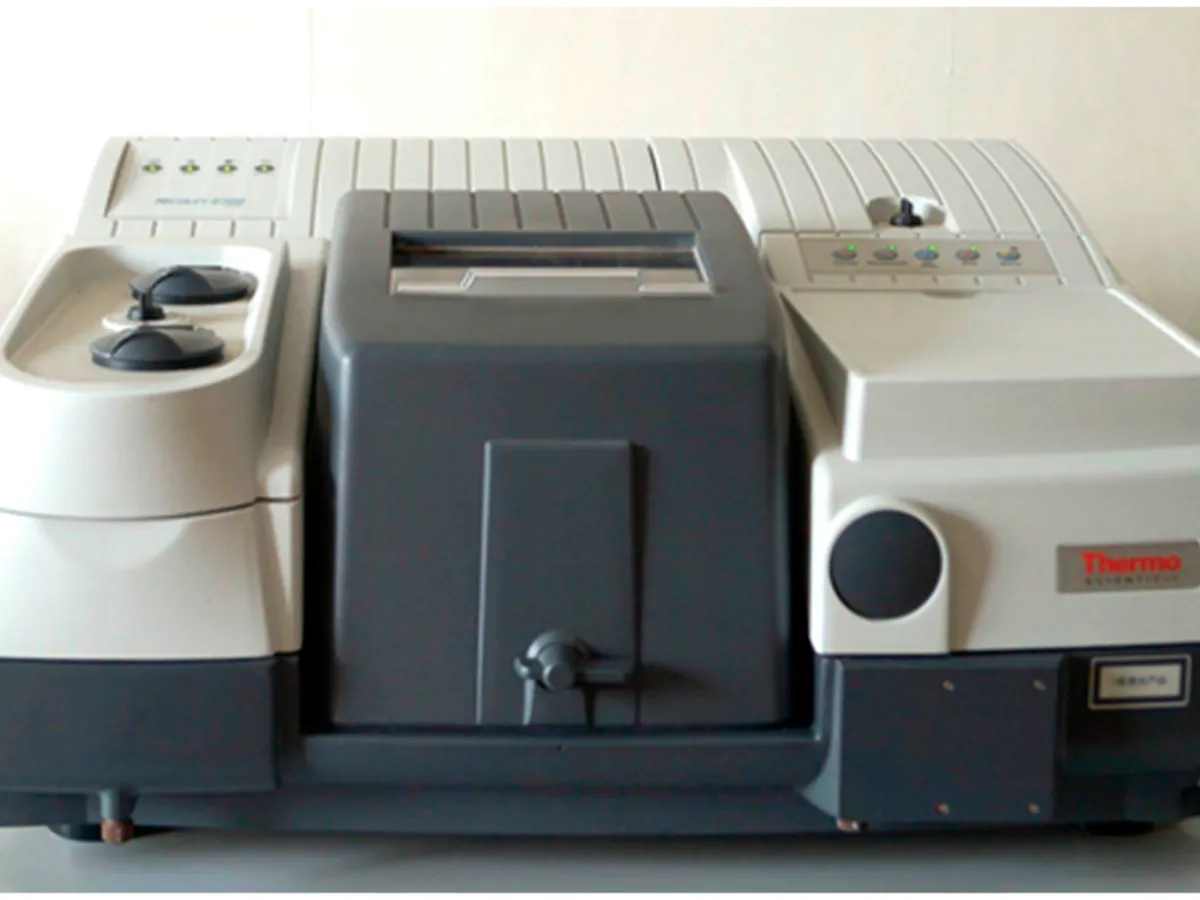
- FTIR (ATR or KBr disc)
Identification by FTIR
Confirms the identity of a raw material by recording its infrared spectrum and showing that it matches the spectrum of the reference substance (or the official reference spectrum) measured the same way.
Open method - UV-Vis spectrophotometry
Identification by UV
Supports the identity of a raw material by showing that its UV spectrum has absorption maxima (and minima) at the expected wavelengths and that its absorbance at the maximum agrees with the reference substance or with the stated specific absorbance.
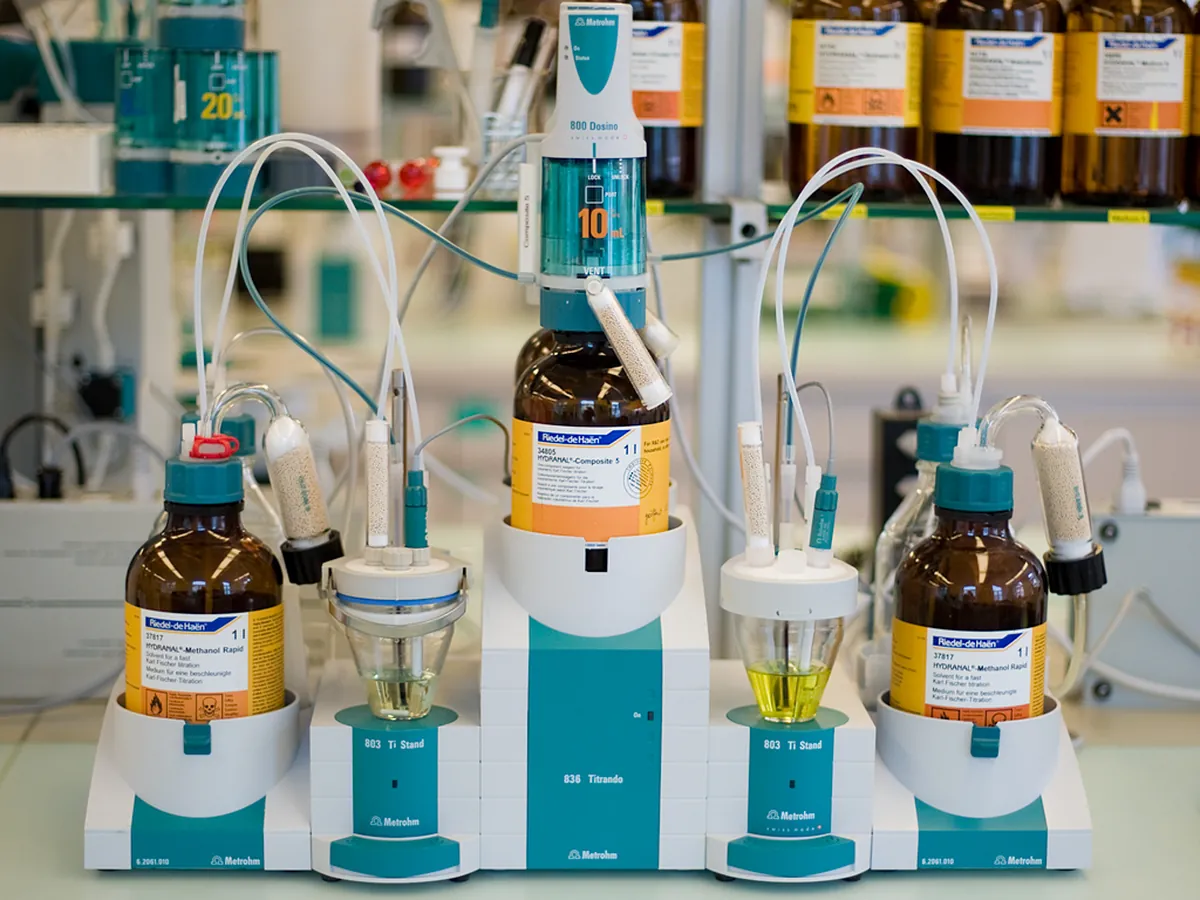
Open method - Volumetric Karl Fischer titration with bivoltametric endpoint
Water Content by Karl Fischer Titration (Volumetric)
Determines the percentage of water in a raw material by dissolving a weighed sample in dry methanol and titrating with a standardised Karl Fischer reagent to an electrometric endpoint.
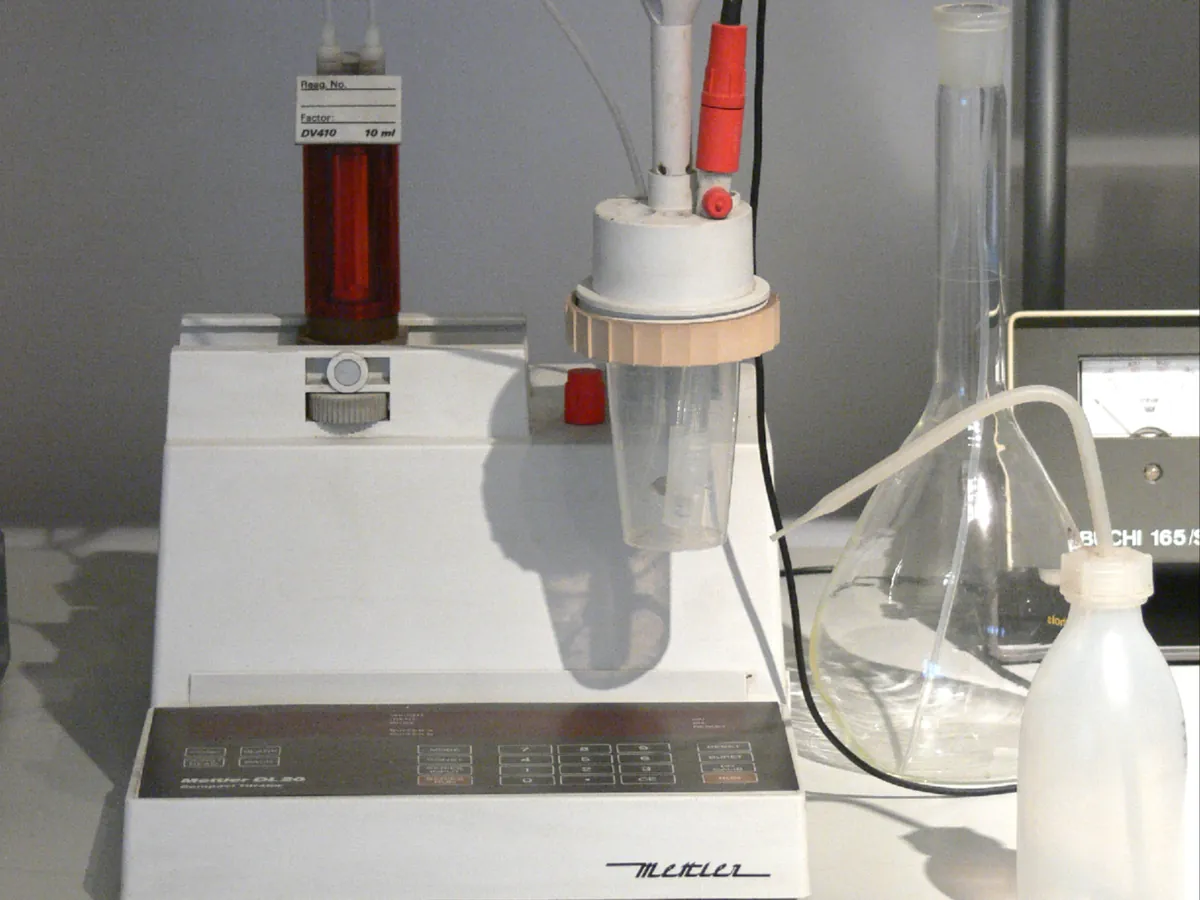
Open method - Acid–base potentiometric titration with 0.1 M sodium hydroxide
Assay of an Acidic API by Potentiometric Titration (Ibuprofen, illustrative)
Determines the purity of an acidic API, here ibuprofen, by dissolving it in methanol and titrating the carboxylic acid group with standardised 0.1 M sodium hydroxide, locating the equivalence point potentiometrically.
Open method - Gravimetric, hot air oven
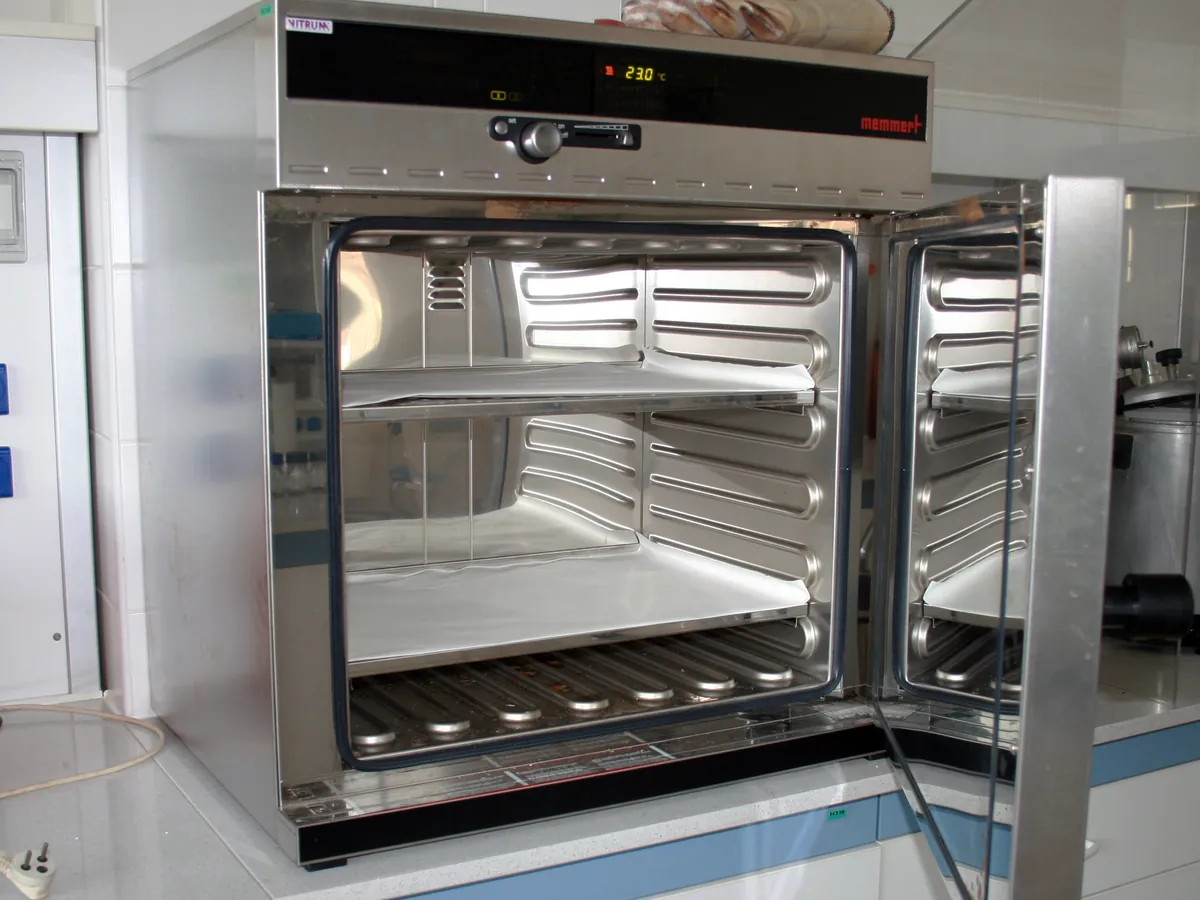
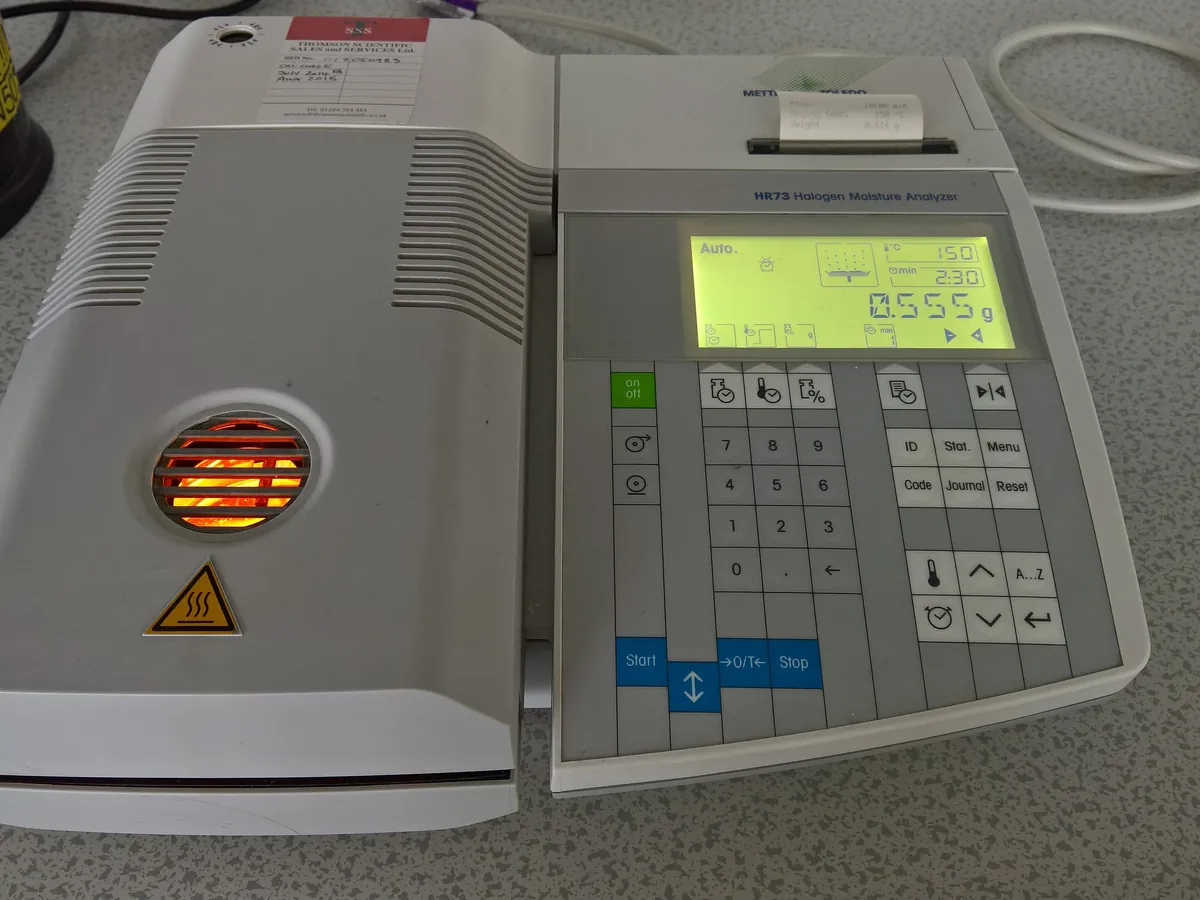
Loss on Drying (Oven Method)
Measures the percentage of mass a sample loses when dried under stated conditions, commonly at 105 °C to constant weight. The loss includes water and any other volatile matter.
Open method - Static headspace GC with flame ionisation detection
Residual Solvents by Headspace GC-FID
Measures leftover organic solvents from synthesis or purification in an API or excipient. The sample is dissolved in DMSO in a sealed headspace vial, heated, and the vapour is injected into a GC-FID. Each solvent is quantified against a standard prepared at its ICH Q3C limit.
Open method - ICP-MS after closed-vessel microwave digestion
Elemental Impurities by ICP-MS
Measures trace levels of toxic elements in an API after dissolving it completely by closed-vessel microwave digestion. Results are compared with permitted concentrations derived from ICH Q3D permitted daily exposures (PDEs) and the control threshold.
Open method - Polarimetry
Specific Optical Rotation (Raw Materials)
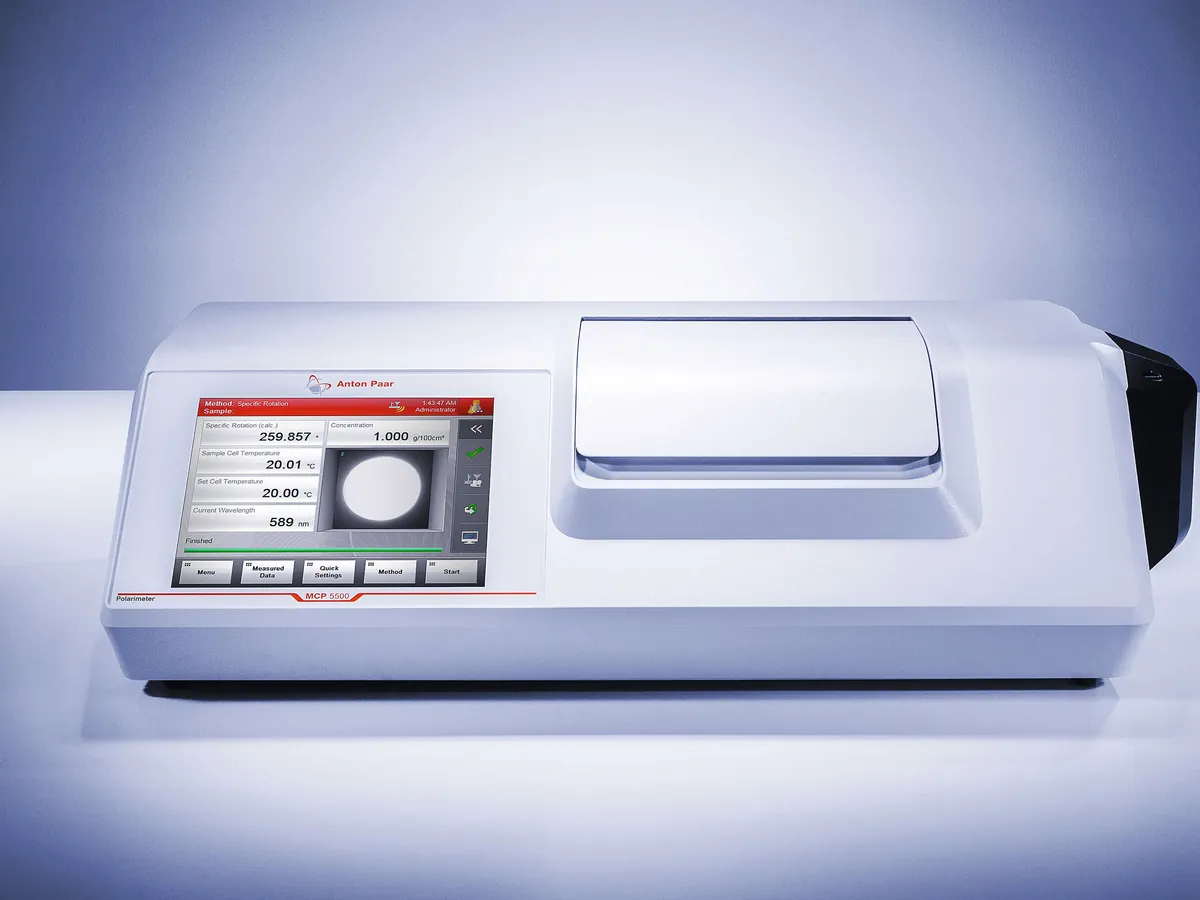
A solution of the substance is prepared at the concentration stated in the monograph, its optical rotation is measured in a polarimeter at 589 nm and the stated temperature, and the specific optical rotation is calculated on the dried (or anhydrous) basis.
Open method - Capillary melting point apparatus
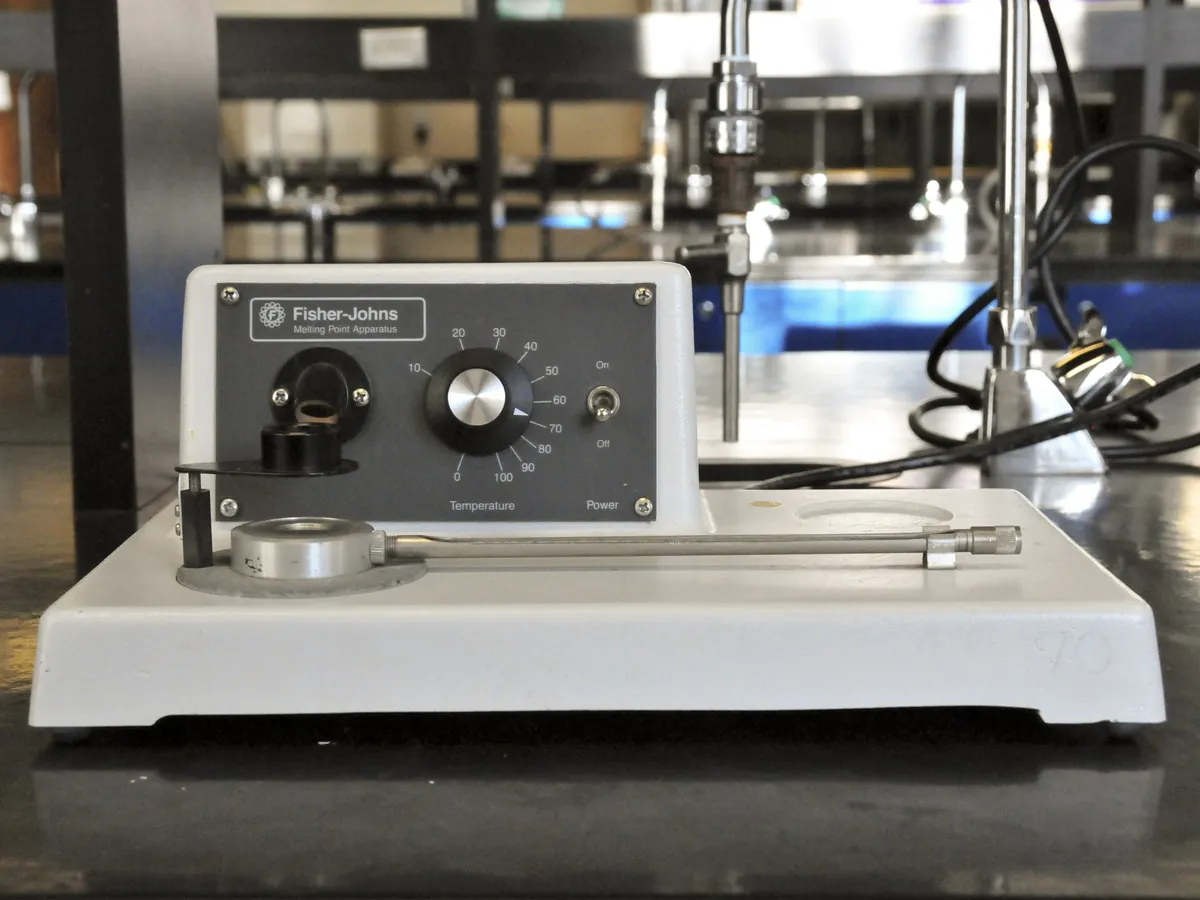
Melting Range by the Capillary Method (Paracetamol, illustrative)
Measures the temperature range over which a finely powdered, dried sample packed in a capillary melts when heated slowly. Used as an identity and purity test for crystalline raw materials.
Open method - Ignition with sulphuric acid in a muffle furnace, gravimetric
Sulphated Ash / Residue on Ignition
Measures the inorganic impurities left after an organic substance is charred with sulphuric acid and ignited at 600 ± 50 °C to constant mass. The residue is reported as a percentage of the sample.
Open method - Laser diffraction (wet or dry dispersion)
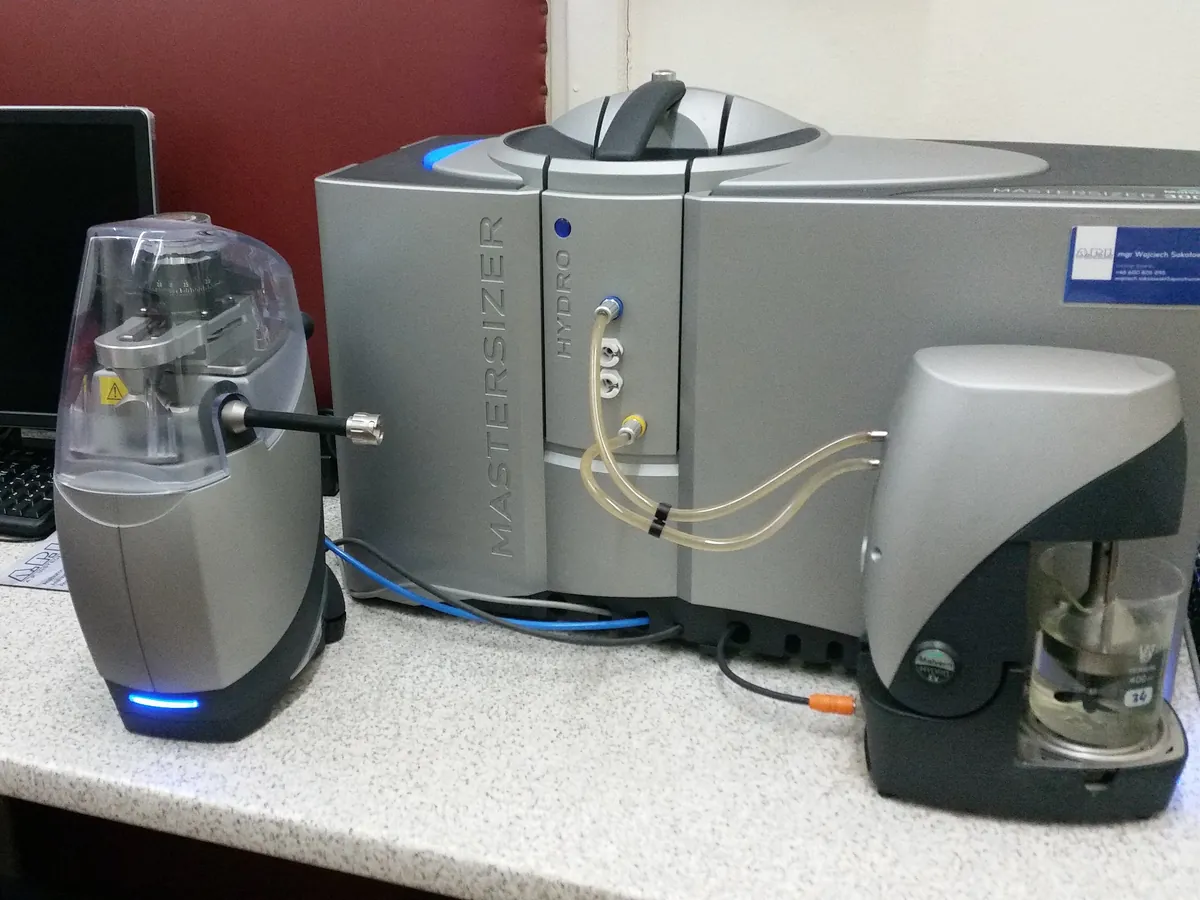
Particle Size Distribution by Laser Diffraction
Measures the volume-based size distribution of a powder by laser diffraction and reports D10, D50, D90 and span against the specification.
Open method - Graduated cylinder with tap density tester (USP <616> method 1)
Bulk and Tapped Density of Powders
Measures how much space a weighed powder takes up before and after mechanical tapping, and calculates bulk density, tapped density, Carr's index and Hausner ratio as indicators of flow.
Open method - Wet chemistry: comparative opalescence (nephelometric comparison by eye)
Limit Tests for Chloride & Sulphate
A semi-quantitative check that a raw material does not contain more chloride or sulphate than a set limit. The sample solution is treated with silver nitrate (chloride) or barium chloride (sulphate), and the opalescence formed is compared with that of a standard containing a known amount of the ion.
Open method
Pharmaceutical water
Purified water, WFI and potable water.
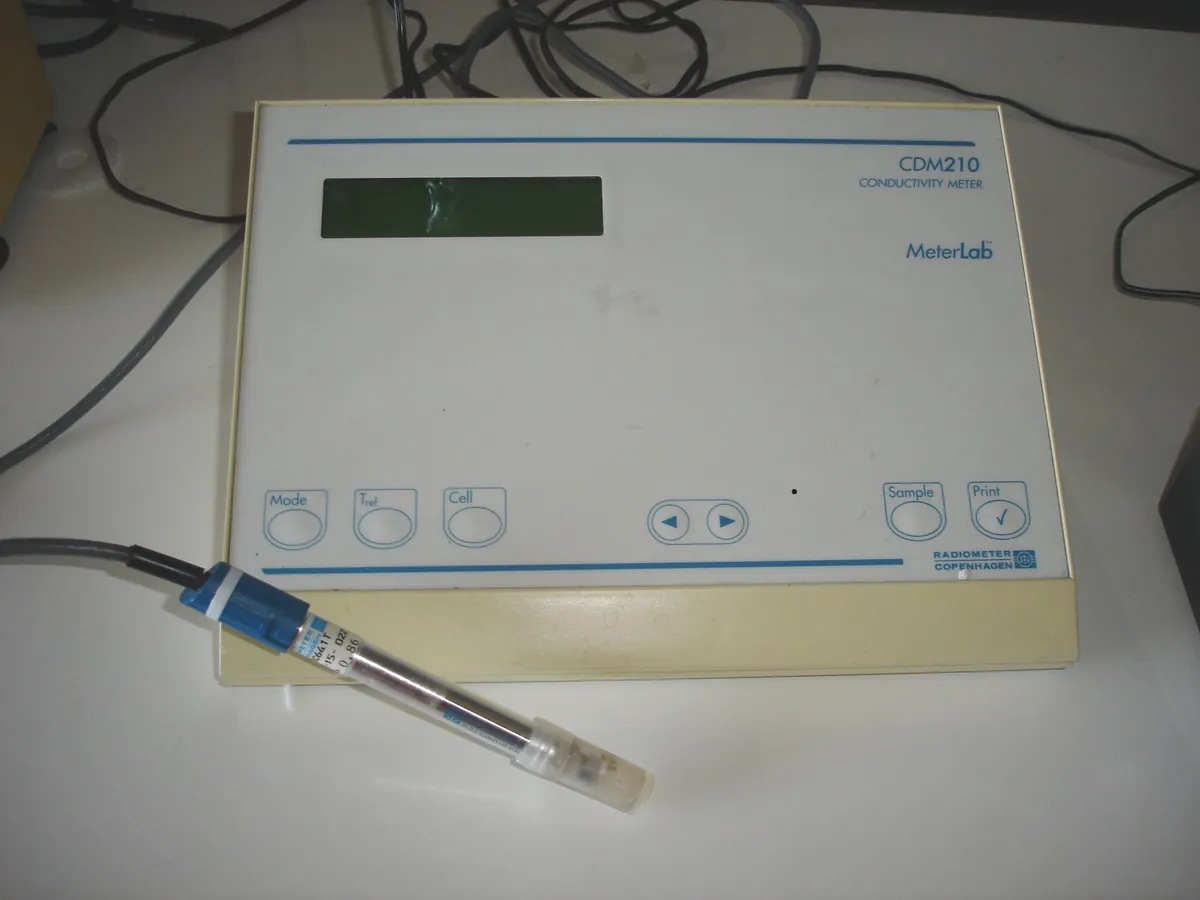
- Conductometry (non-temperature-compensated, three-stage test)
Conductivity of Purified Water
Tests purified water for ionic contamination using the three-stage USP <645> approach: a temperature-dependent limit at Stage 1, a stirred CO₂-equilibrated test at Stage 2, and a pH-dependent limit at Stage 3.
Open method - Membrane filtration onto R2A agar
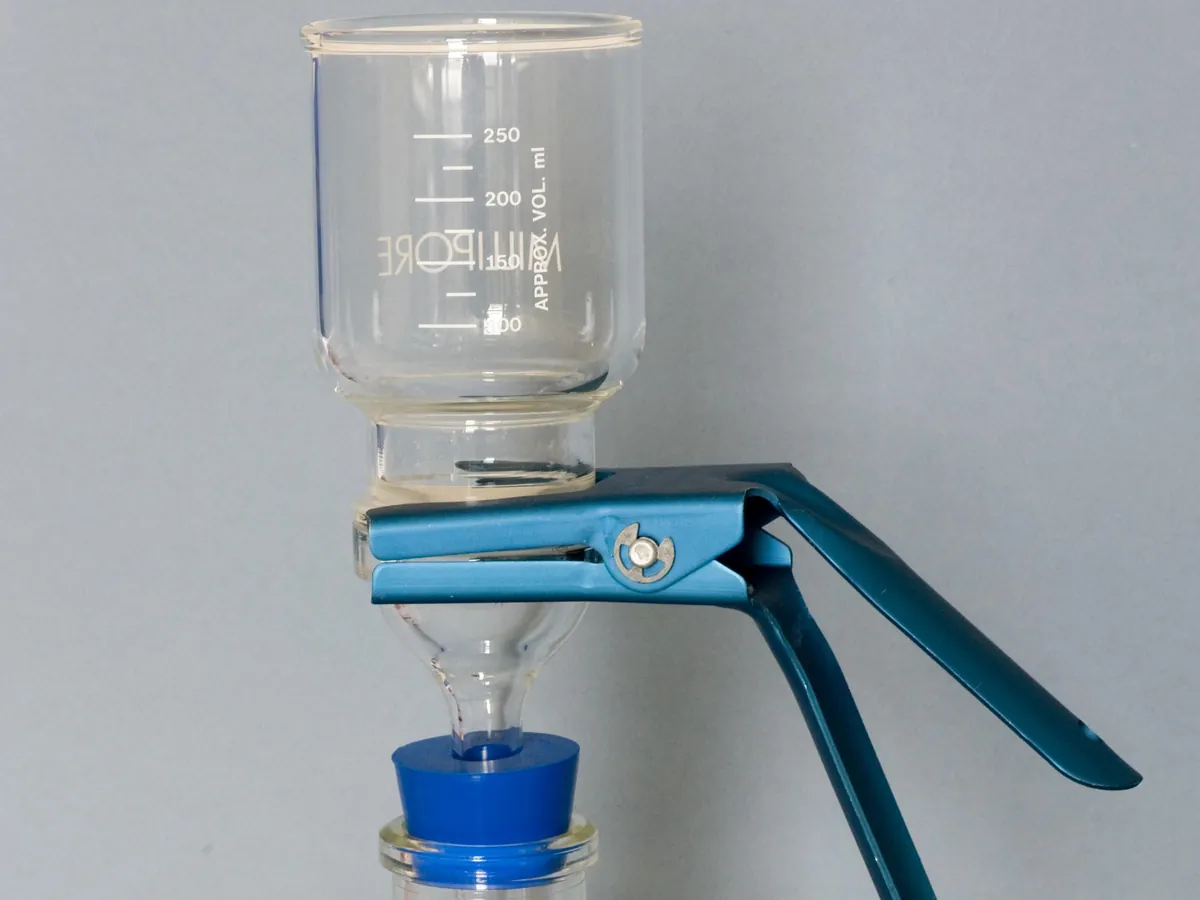
Microbial Count of Pharmaceutical Water by Membrane Filtration
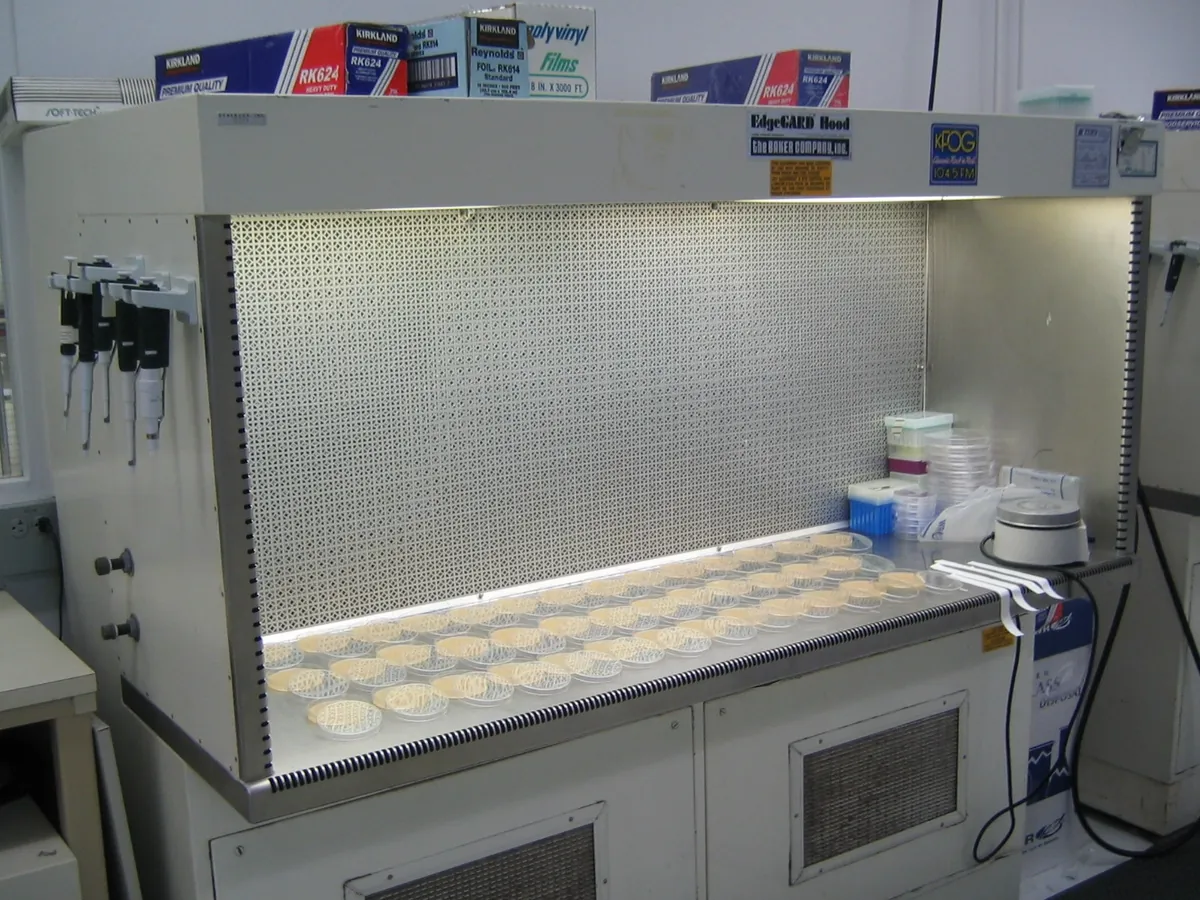
Filters a measured volume of water through a 0.45 µm membrane, places the membrane on R2A agar and counts colonies after incubation, giving cfu per mL (purified water) or cfu per 100 mL (WFI). Results are compared with alert and action levels and trended.
Open method - TOC analysis (oxidation to CO₂ with conductometric or NDIR detection)
Total Organic Carbon (TOC) in Purified Water
Tests purified water for organic contamination by oxidising organic compounds to CO₂ and measuring it. The sample response is compared with the limit response from a 0.50 mg/L carbon sucrose standard, after a system suitability test with 1,4-benzoquinone.
Open method
Microbiology
Microbial limits, sterility, endotoxins, environment.
- Plate count (pour plate or spread plate)
Microbial Enumeration Test (TAMC / TYMC) by Plate Count
Counts the number of aerobic bacteria and fungi (TAMC) and of yeasts and moulds (TYMC) in a non-sterile product, by plating a 1:10 dilution of the sample onto Soybean-Casein Digest Agar and Sabouraud Dextrose Agar and counting colonies after incubation.
Open method - Settle plates, contact plates, swabs and active air sampling
Environmental Monitoring of Clean Areas (Viable)
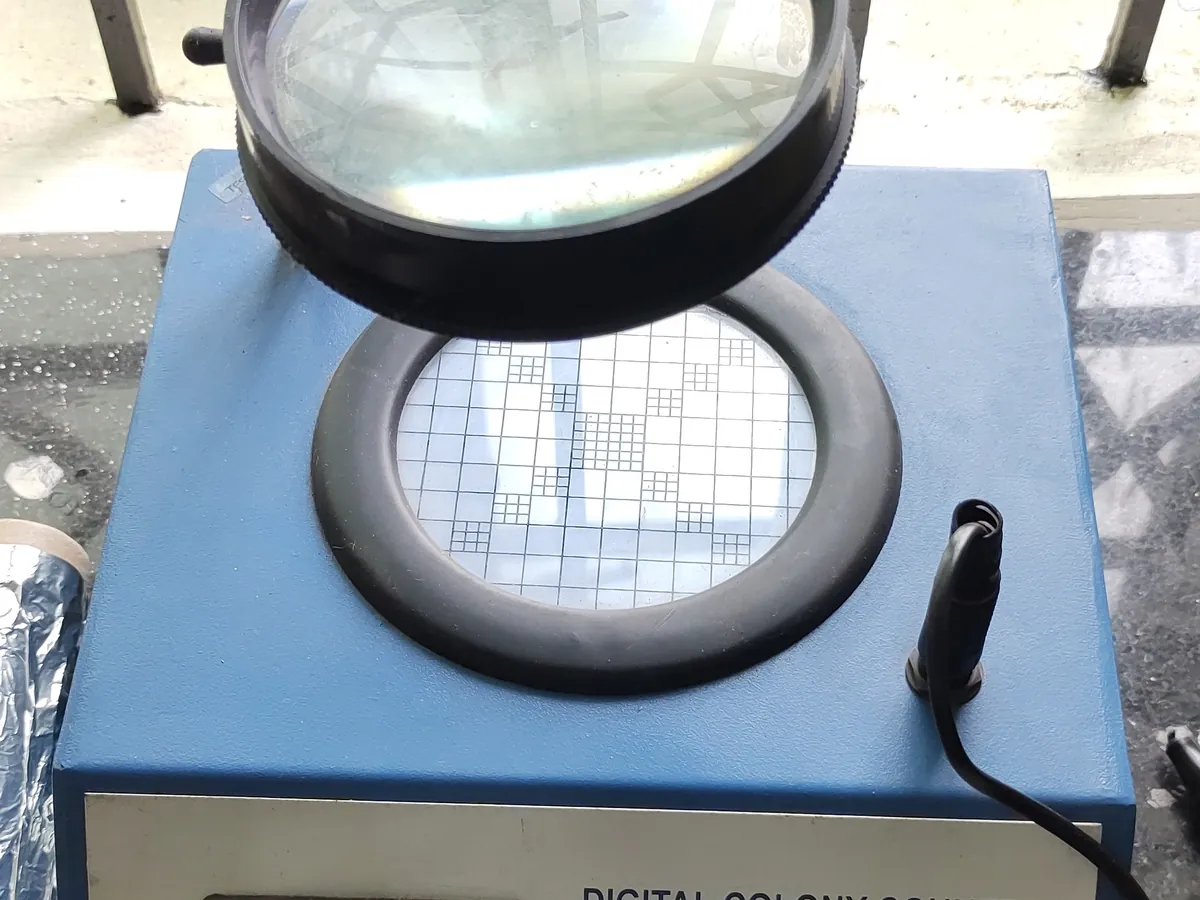
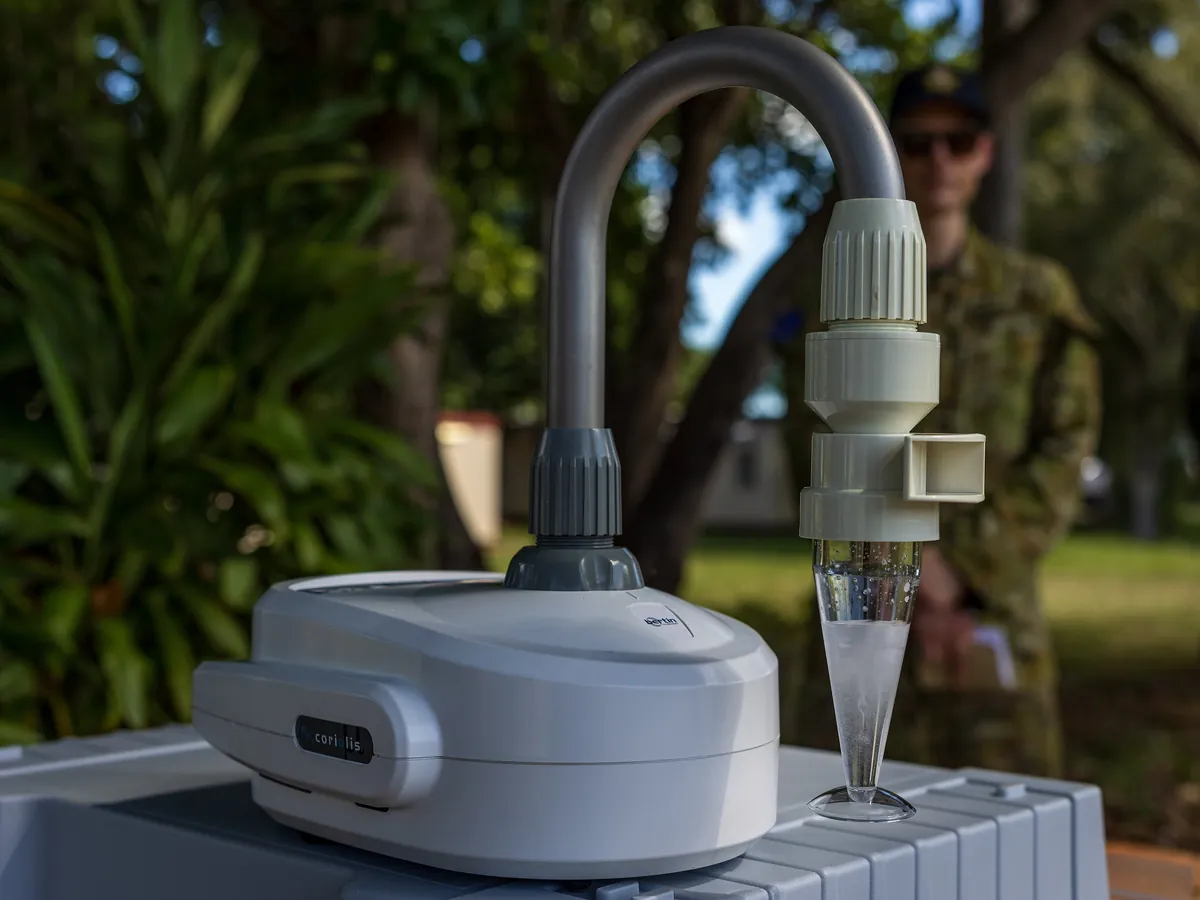
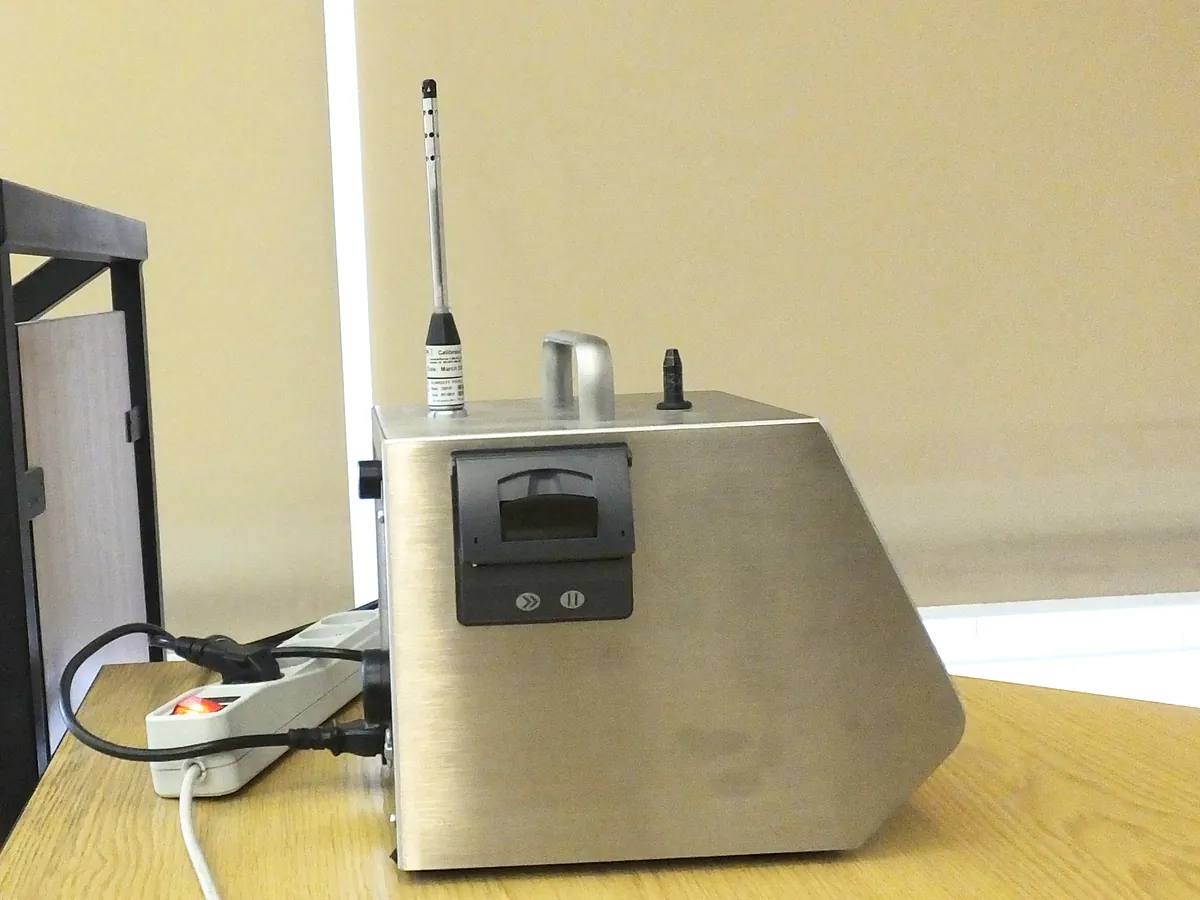
Measures the number of viable microorganisms in the air and on surfaces and personnel in clean areas, using settle plates, contact plates and active air samplers, and compares the counts with alert and action limits for each cleanroom grade.
Open method - Inoculation with ≤100 cfu of reference organisms and plate count
Growth Promotion Test of Culture Media
Checks that each batch of culture medium can support the growth of a small number (not more than 100 cfu) of specified reference organisms, by comparing recovery on the new batch with a previously approved batch.
Open method - Enrichment and selective media
Tests for Specified Microorganisms in Non-Sterile Products
Shows whether named objectionable organisms are absent from a stated amount of product (usually 1 g or 1 mL), by enriching the sample in broth, sub-culturing onto selective and differential agars, and checking any suspect colonies with identification tests.
Open method - Membrane filtration (preferred where possible) or direct inoculation
Sterility Test by Membrane Filtration or Direct Inoculation
Tests a sample of containers from a batch for the presence of viable microorganisms by filtering the product and incubating the membrane, or by placing the product directly into culture media, in Fluid Thioglycollate Medium and Soybean-Casein Digest Medium for 14 days.
Open method - Kinetic chromogenic LAL (gel-clot and kinetic turbidimetric are alternatives)
Bacterial Endotoxins Test (LAL) by Kinetic Chromogenic Method
Measures endotoxin in a product by mixing a diluted sample with Limulus amebocyte lysate and a chromogenic substrate, reading the colour development at 405 nm and 37 °C, and converting the onset time to EU/mL using a log-log standard curve. Spiked samples show the product does not interfere.
Open method
In-process & stability
Blend uniformity, in-process checks, stability samples.
- HPLC (reversed phase, gradient, PDA detection)
Stability-Indicating Assay by HPLC
An assay method that is proven to measure the active ingredient accurately even when degradation products are present. It is demonstrated by forced degradation (acid, base, oxidation, heat, light), peak purity and mass balance, and then used to test stability samples.
Open method - Thief sampling + HPLC / UV
Blend uniformity
Checks that the active ingredient is evenly mixed through a powder blend before compression or encapsulation, by sampling the blender at about 10 locations and assaying each sample.
Open method
Packaging materials
Primary and secondary packaging tests.
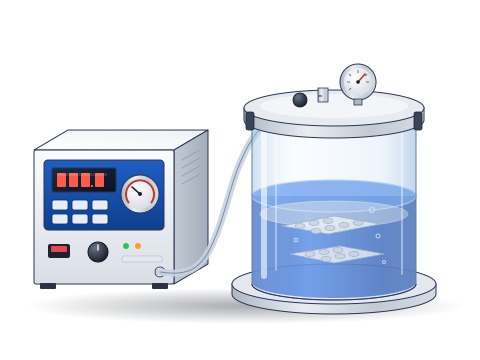
- Vacuum decay (deterministic) with dye ingress (probabilistic) as a comparison method
Container Closure Integrity (Leak Test) by Vacuum Decay and Dye Ingress
Checks that a sealed container has no leak large enough to risk the product. Vacuum decay measures the pressure rise around a container in an evacuated chamber; dye ingress shows leaks by the entry of coloured dye under vacuum.
Open method - Autoclave extraction followed by acid–base titration with 0.01 M HCl
Hydrolytic Resistance of Glass Containers (Surface Glass Test)
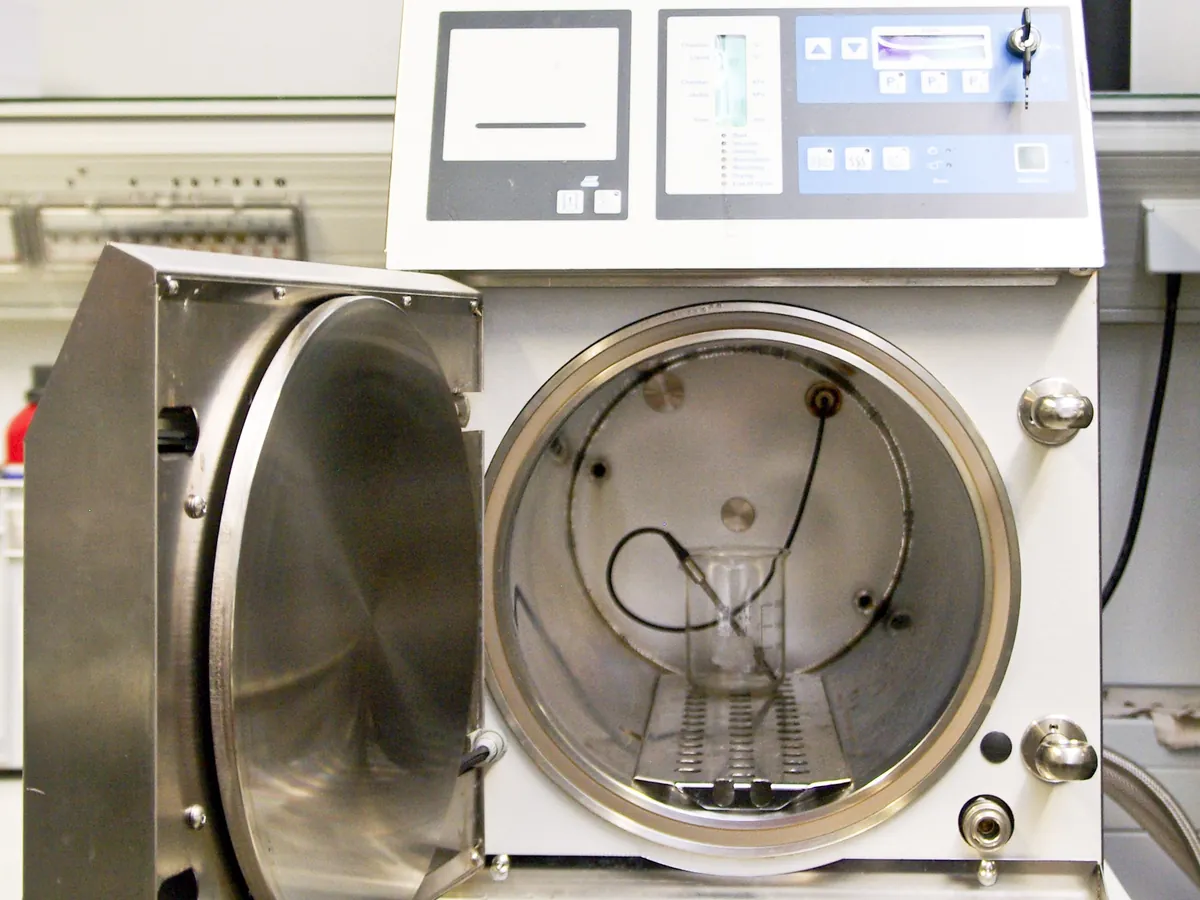
Measures how much alkali the inner surface of a glass container releases into water under autoclave conditions. The containers are filled with water, autoclaved at 121 °C, and the water is titrated with 0.01 M hydrochloric acid. The result classifies the container and confirms it meets its glass type.
Open method
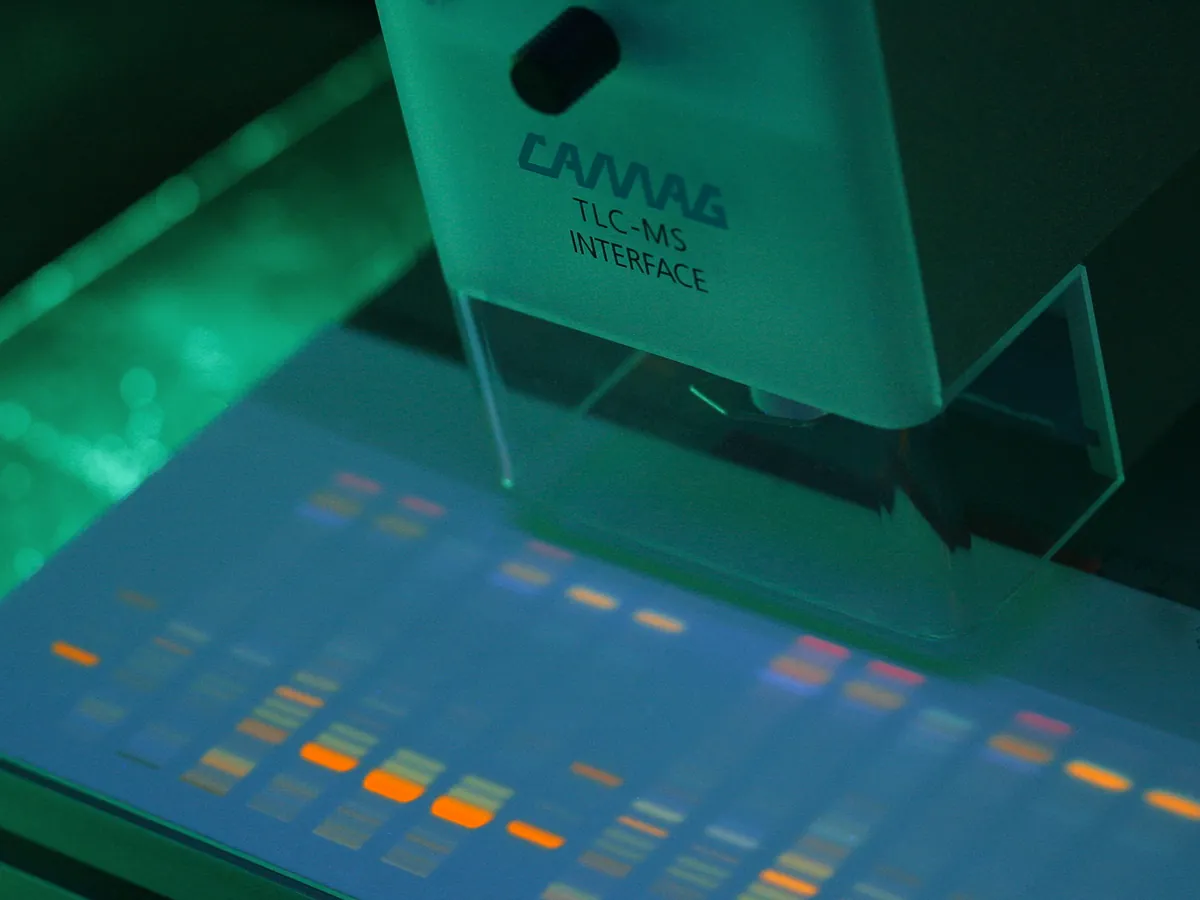
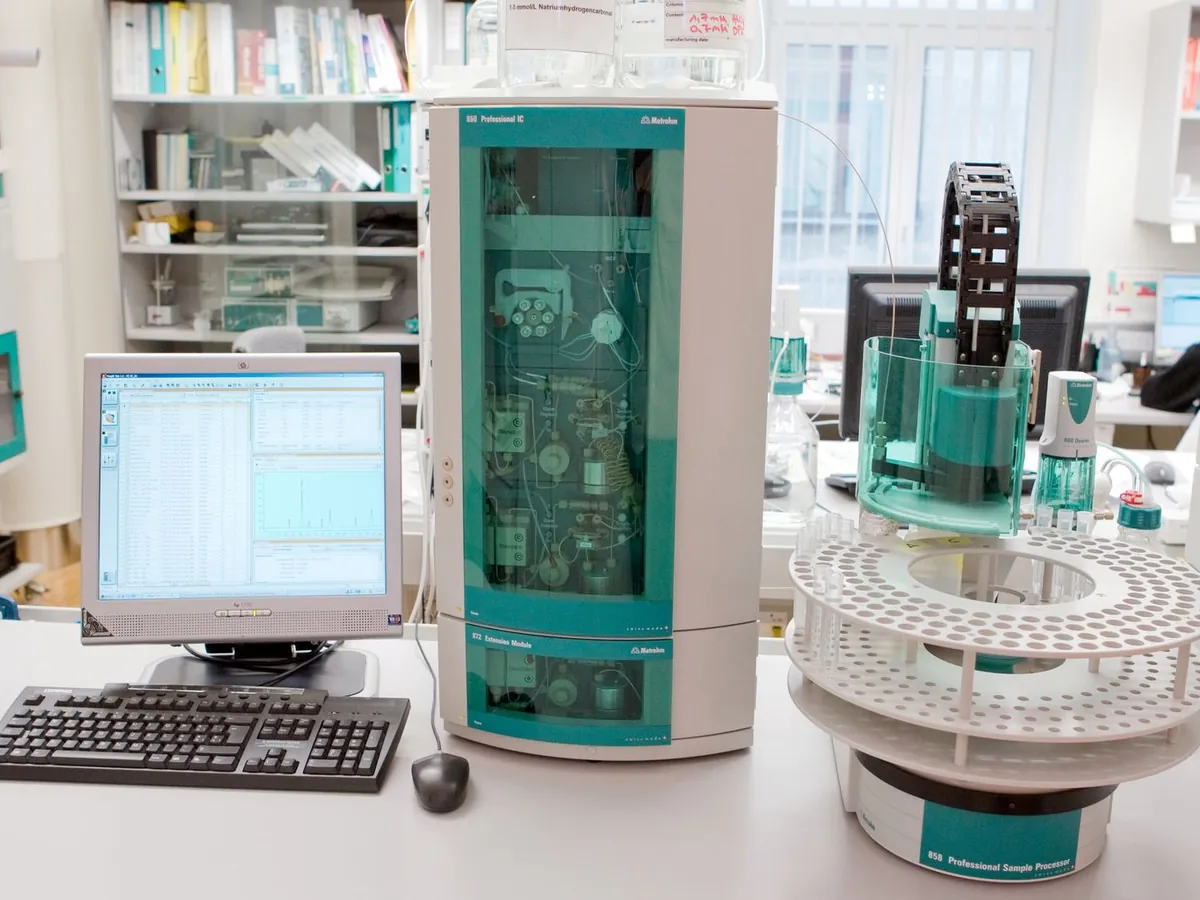
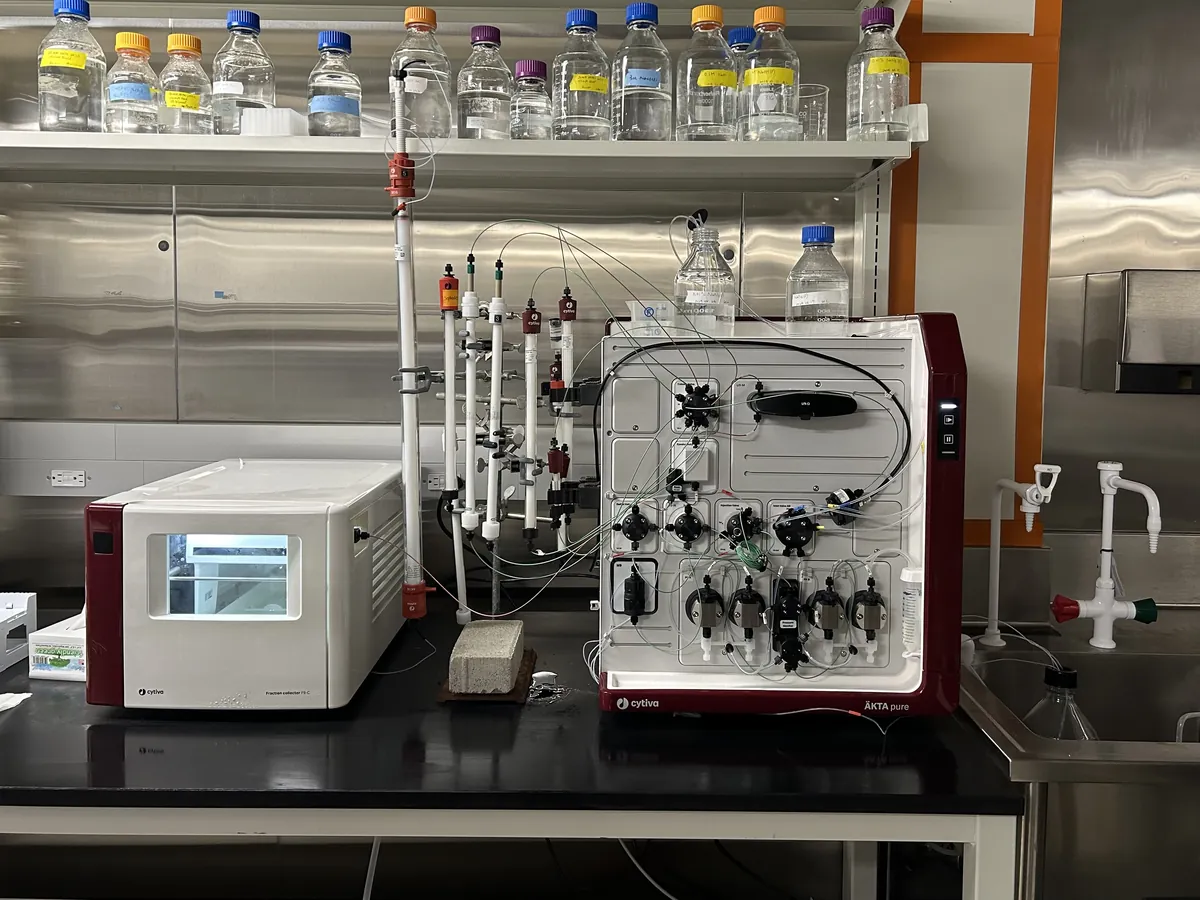
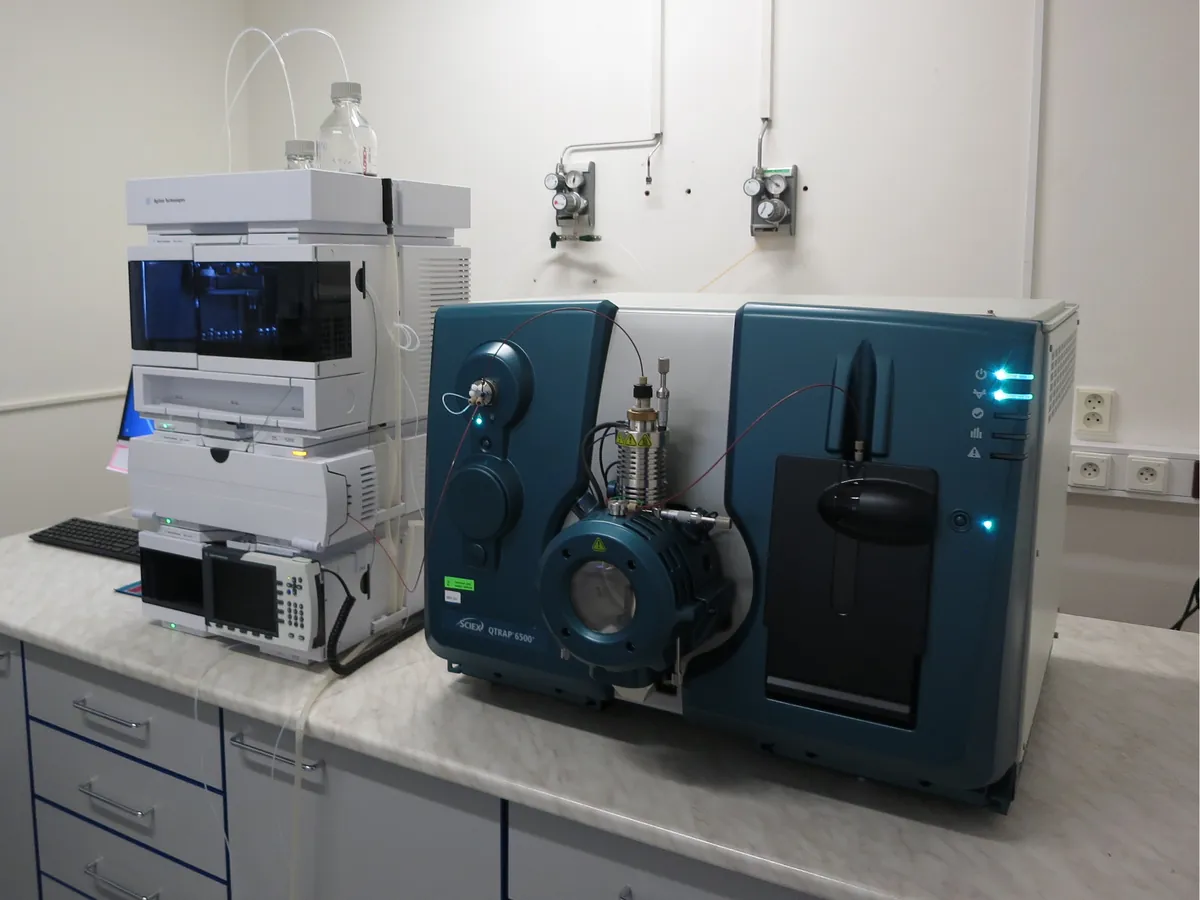
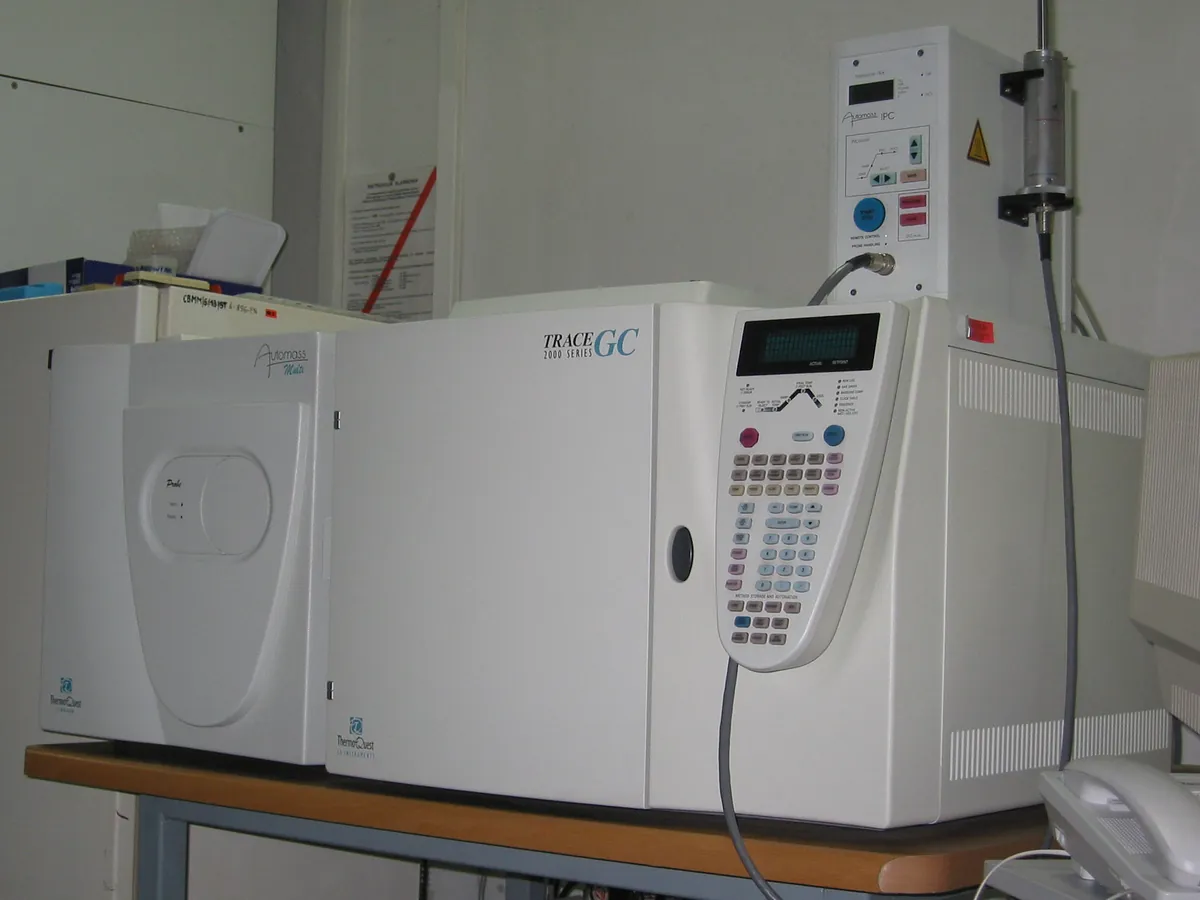
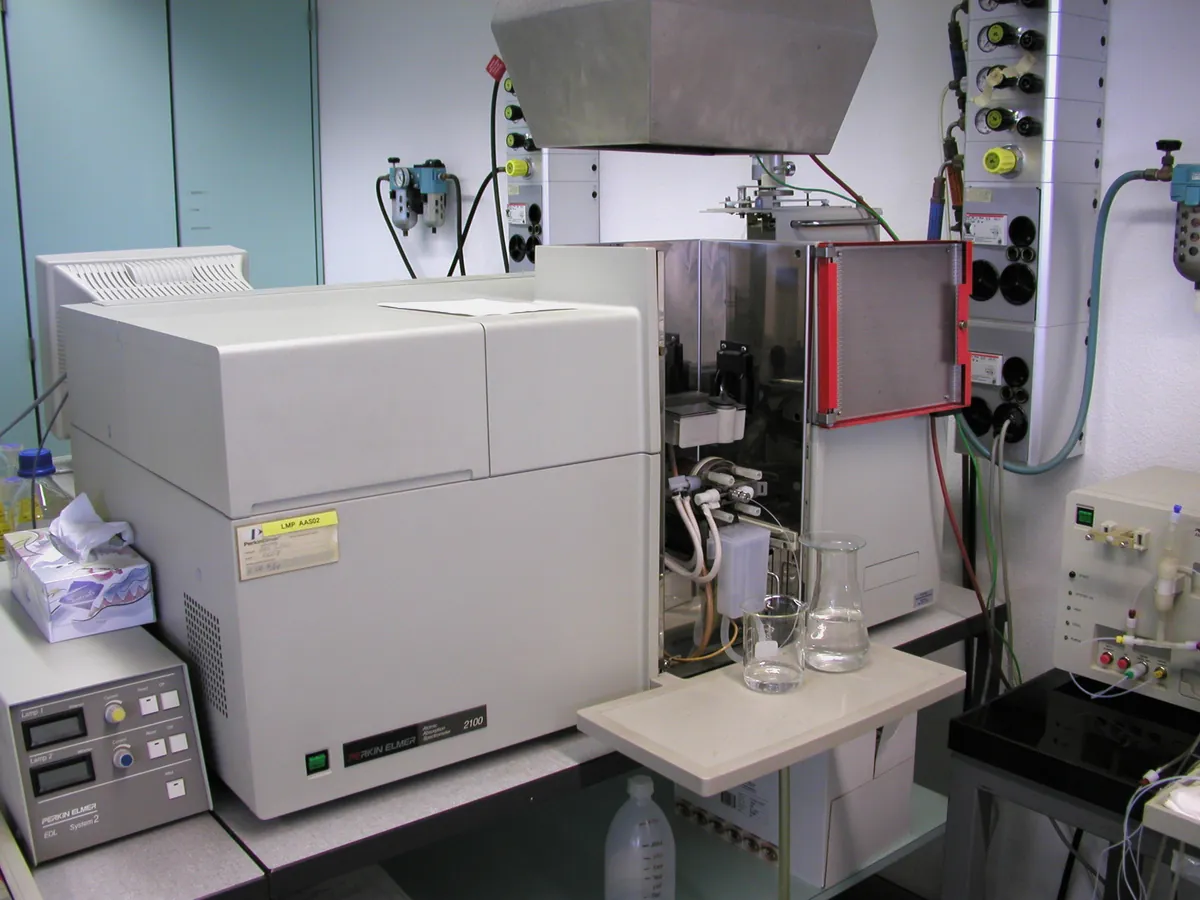
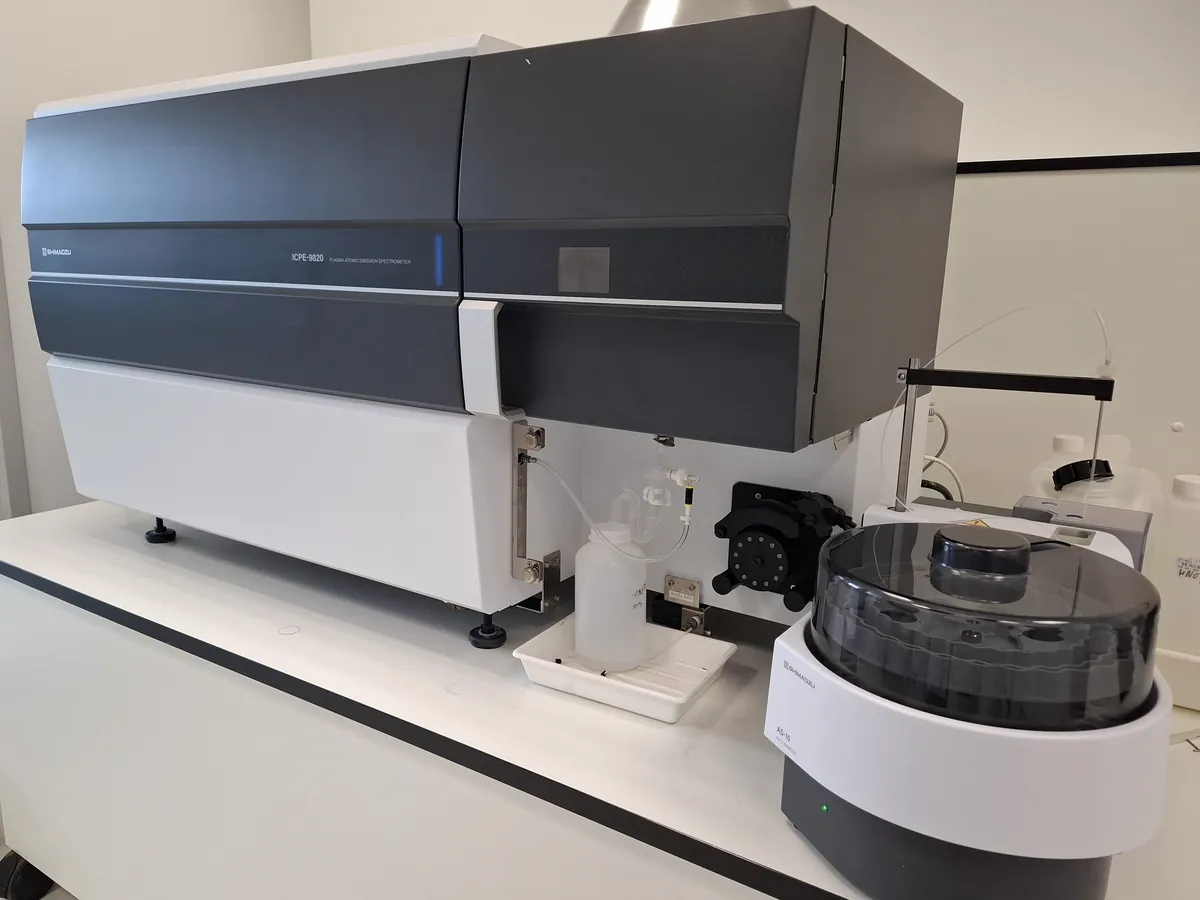
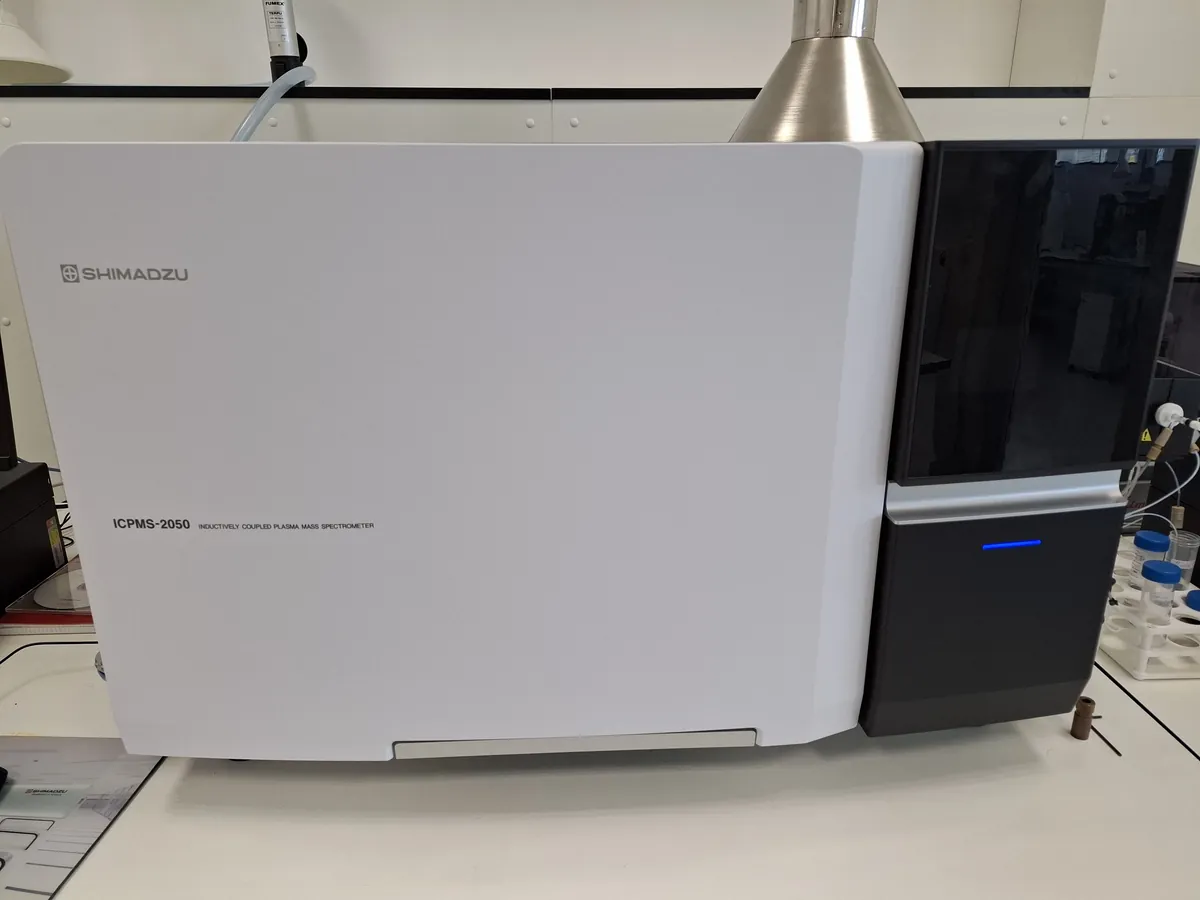
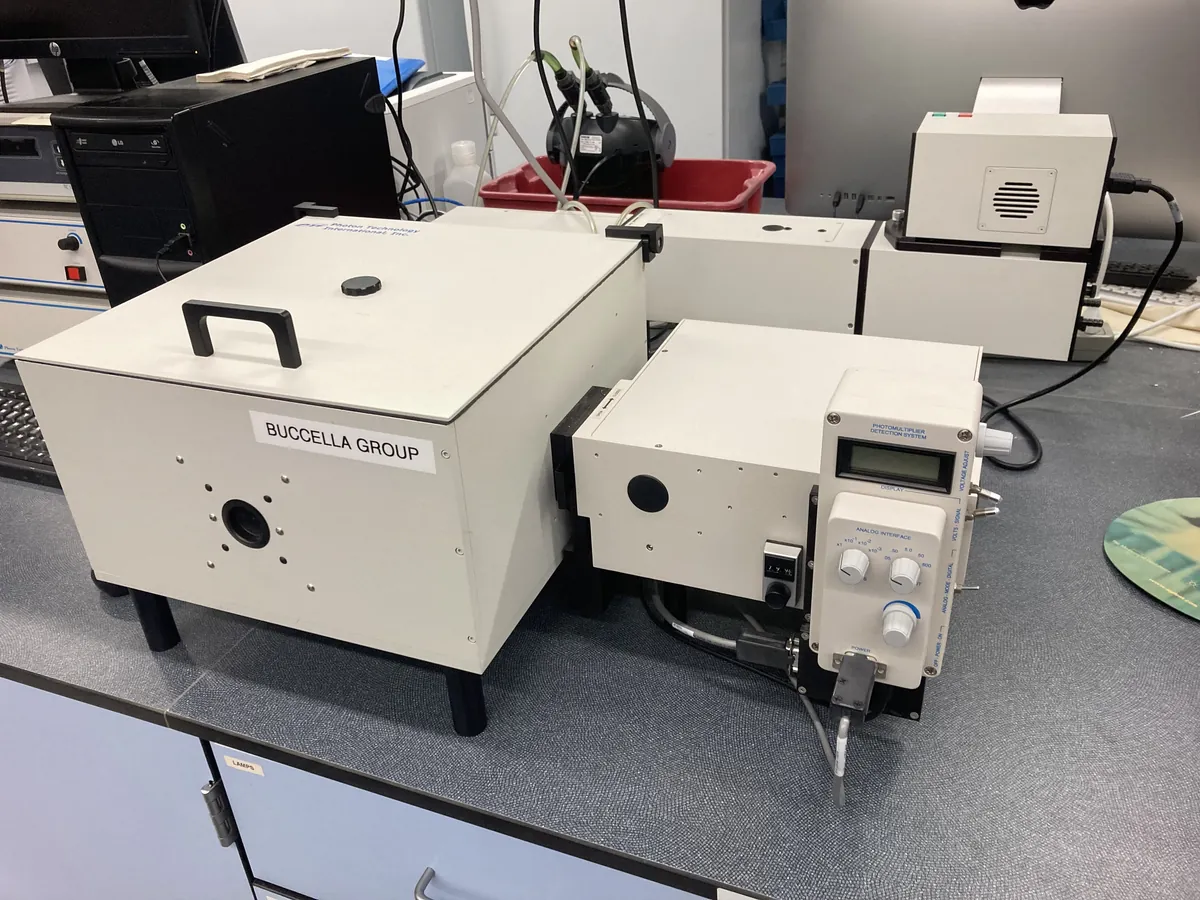
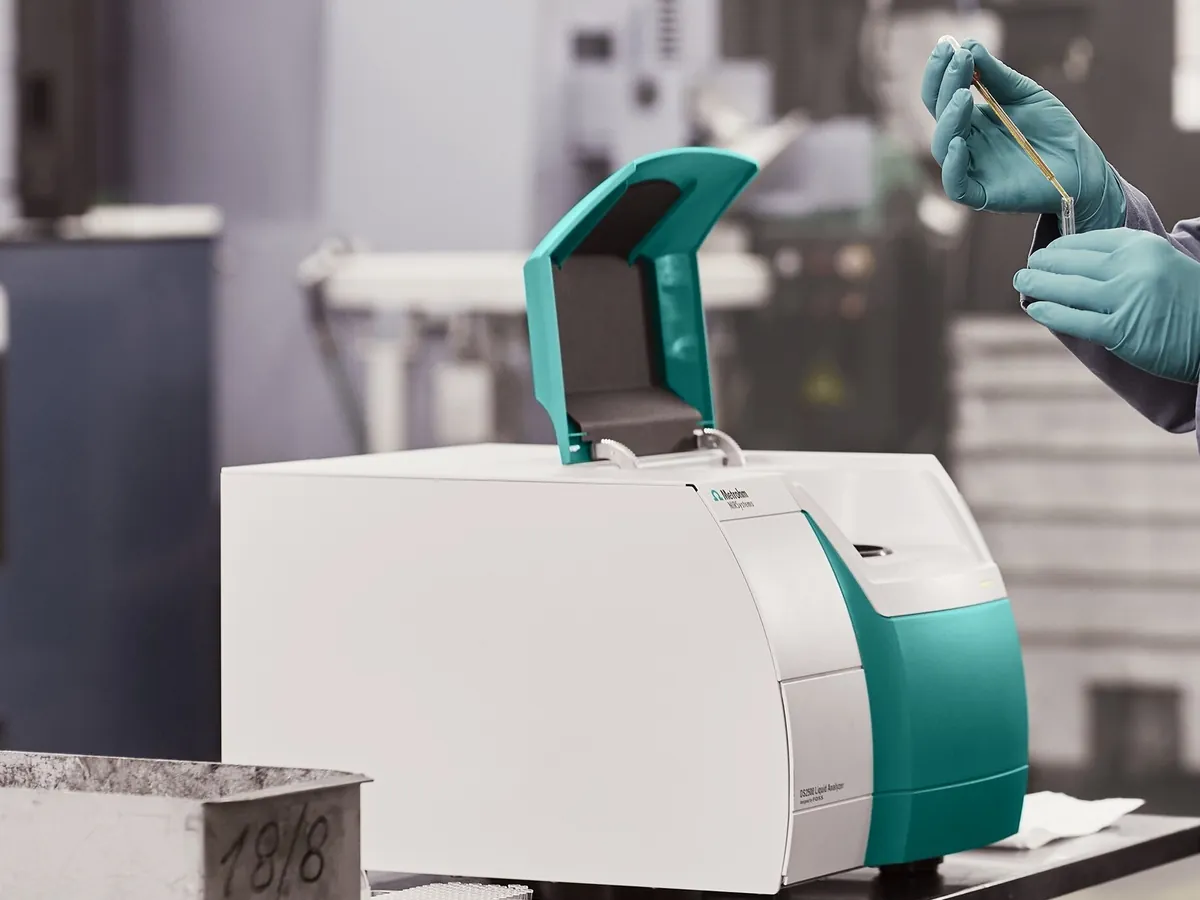
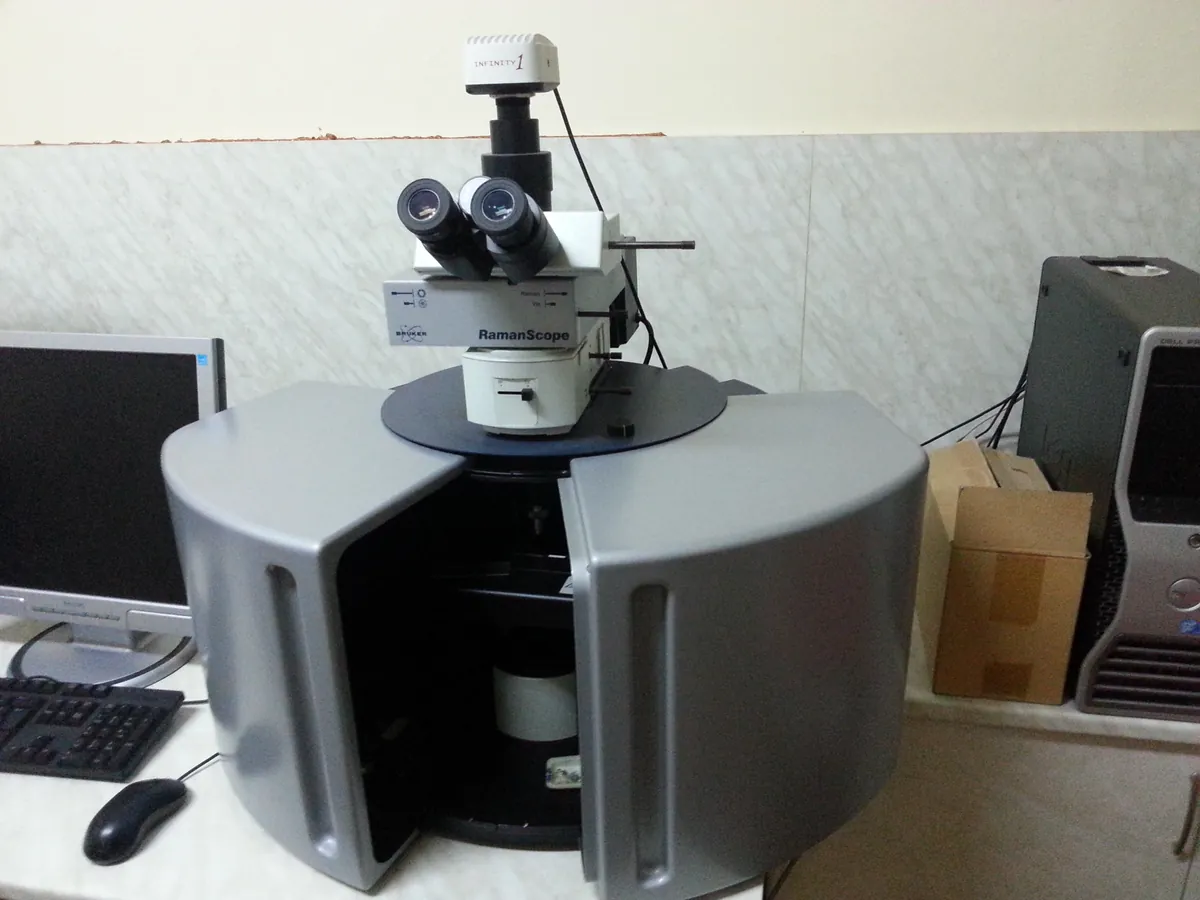
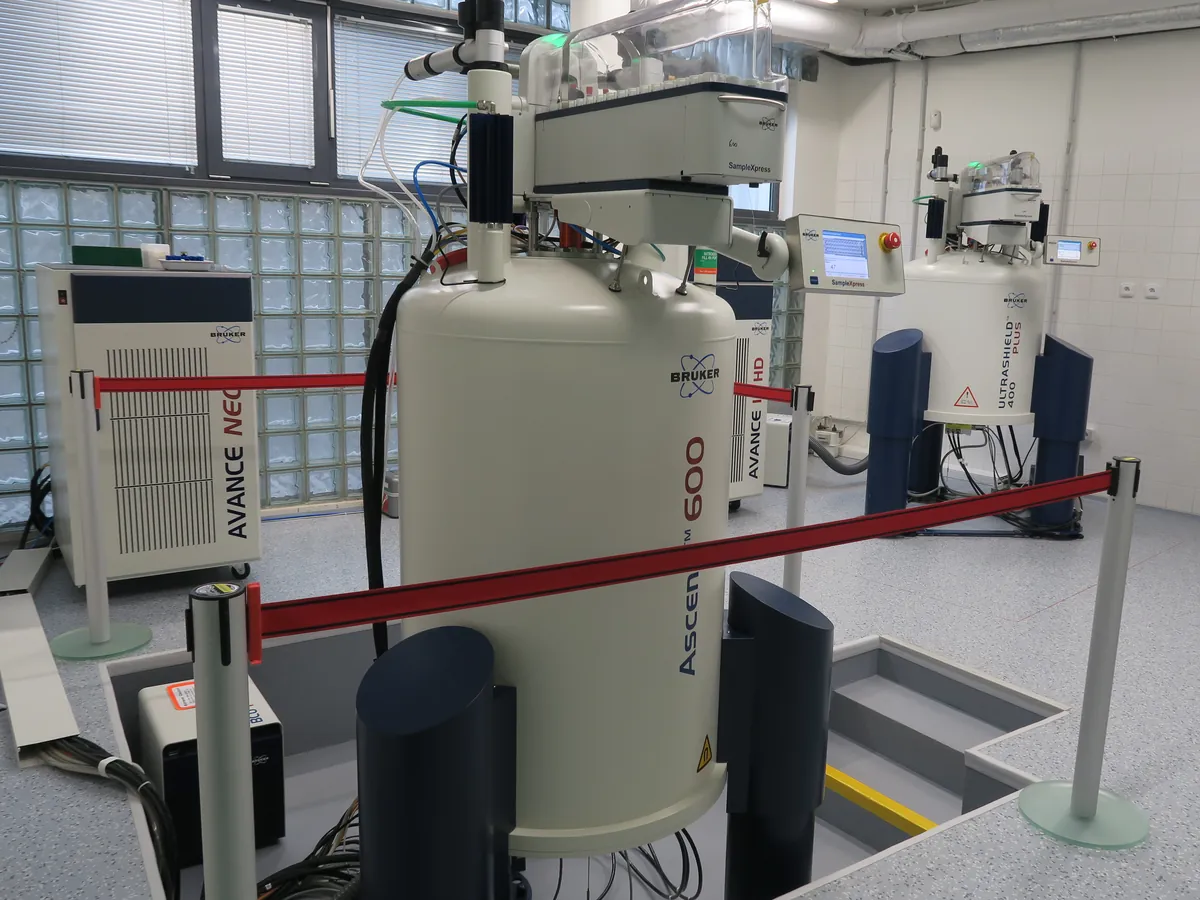
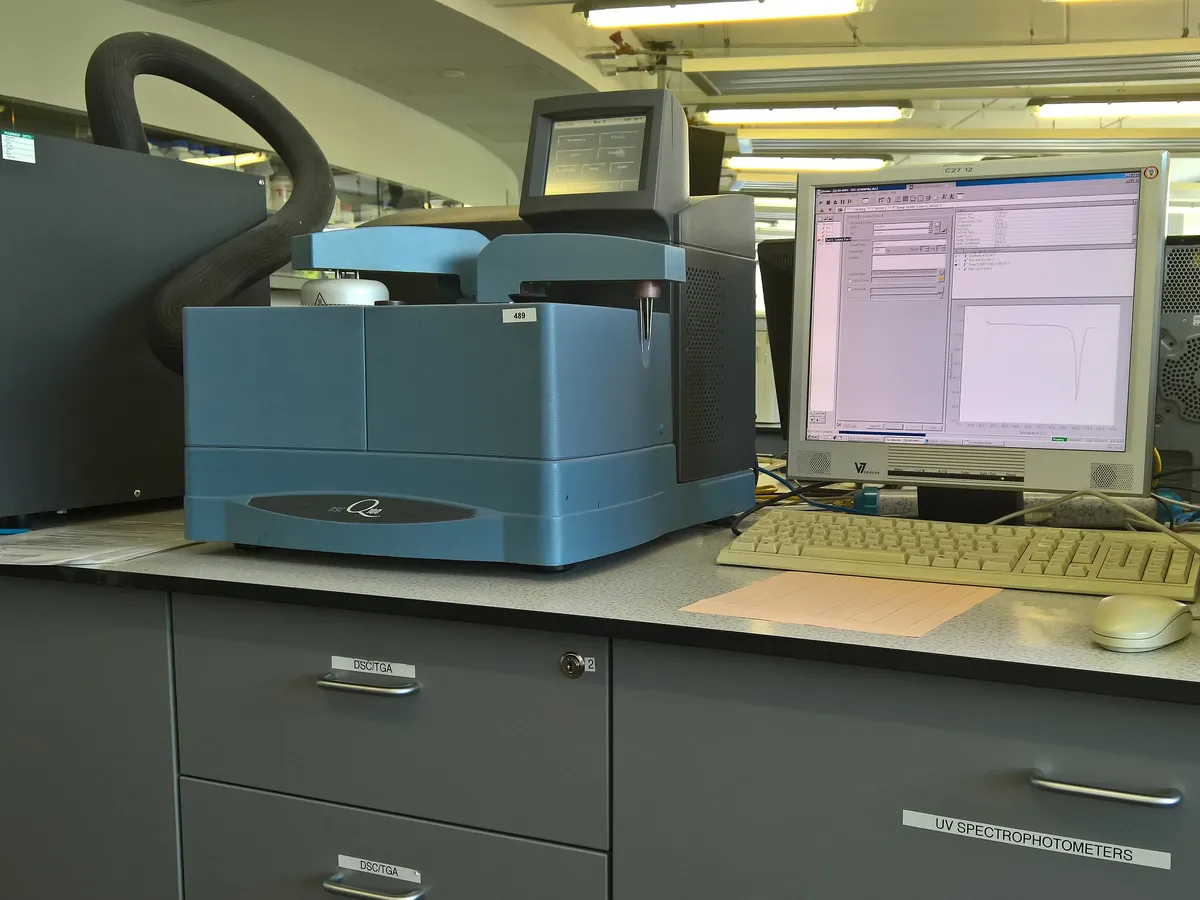
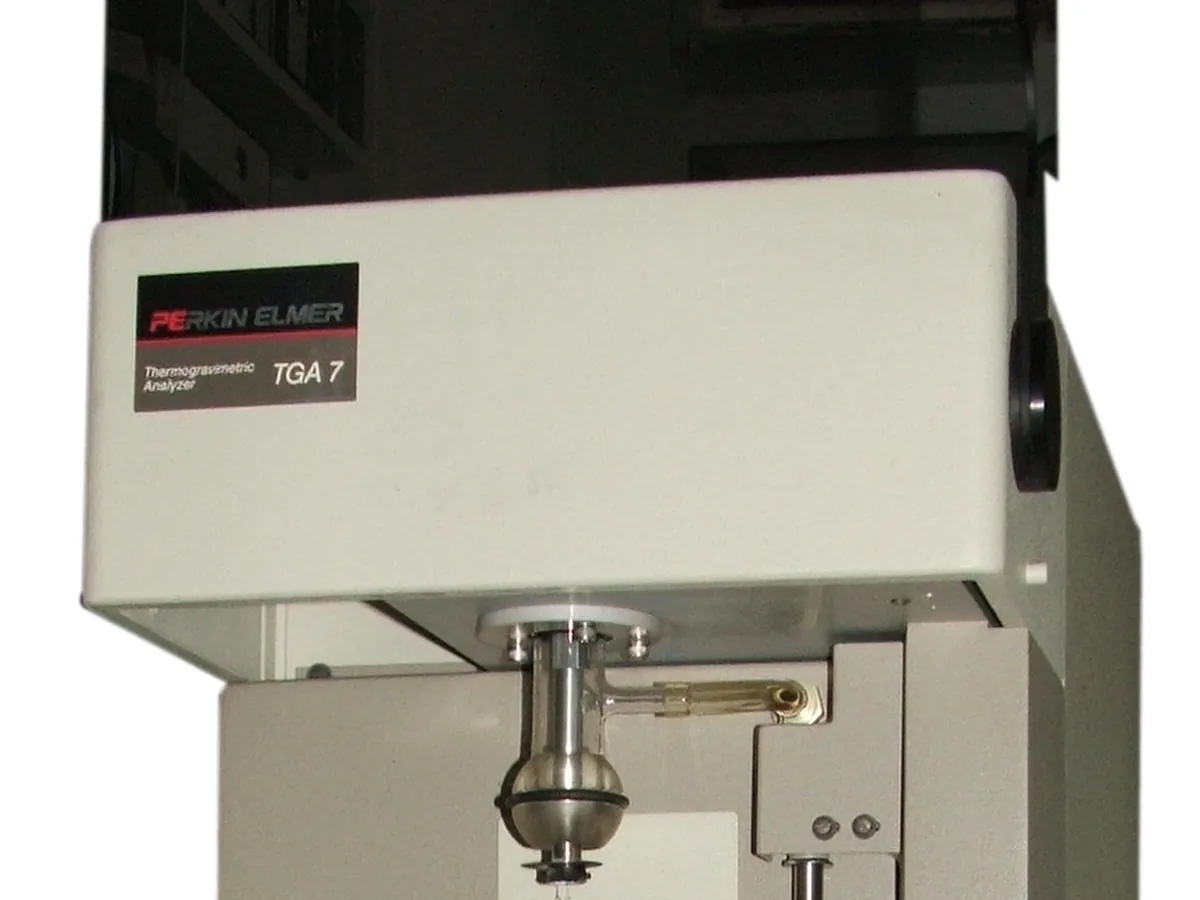
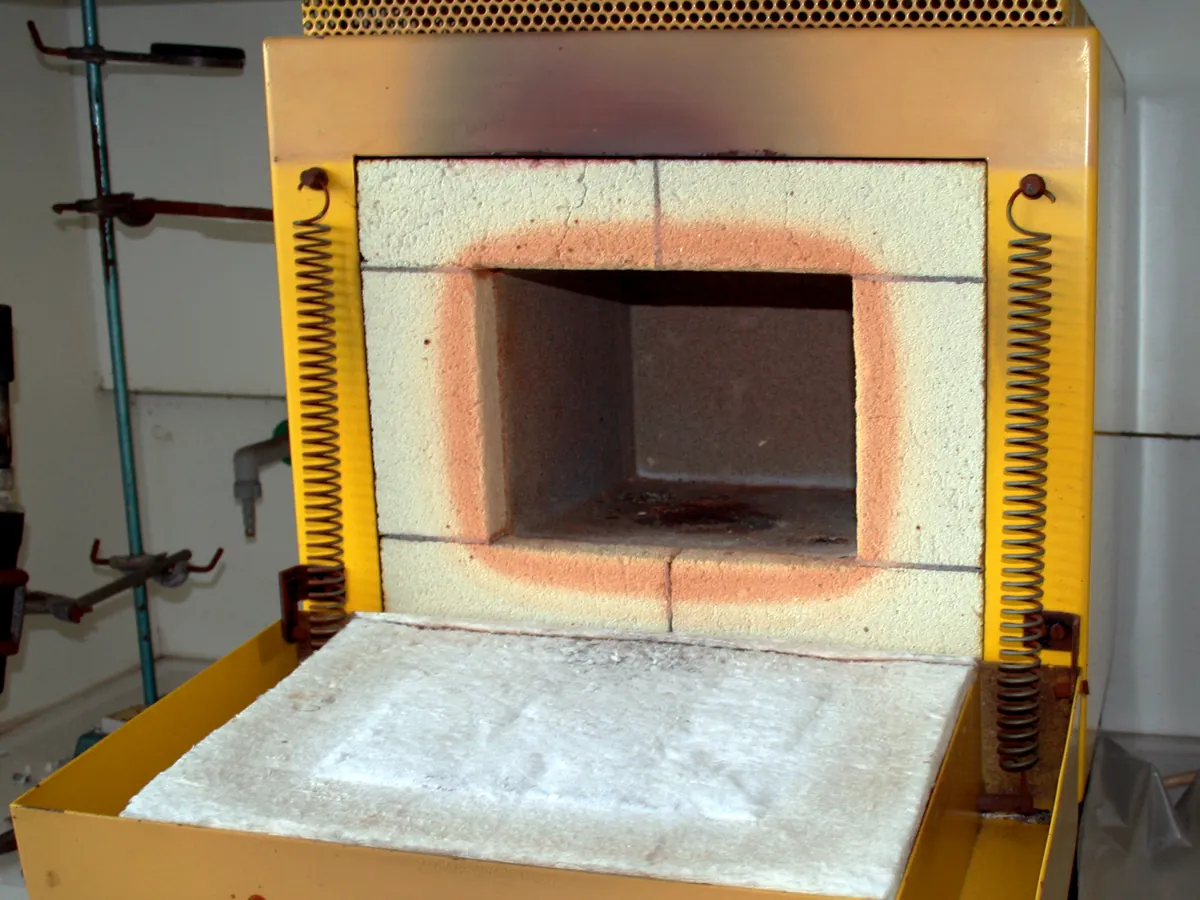
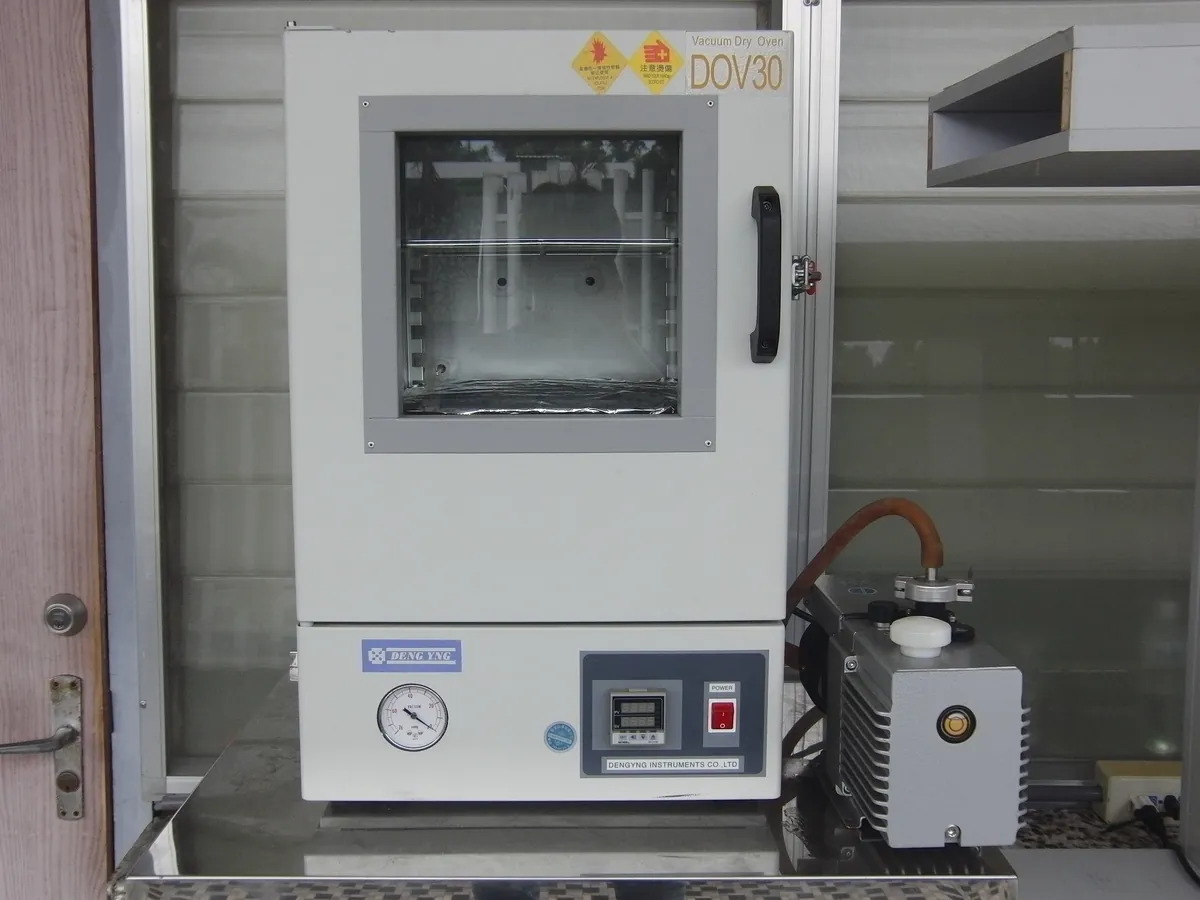
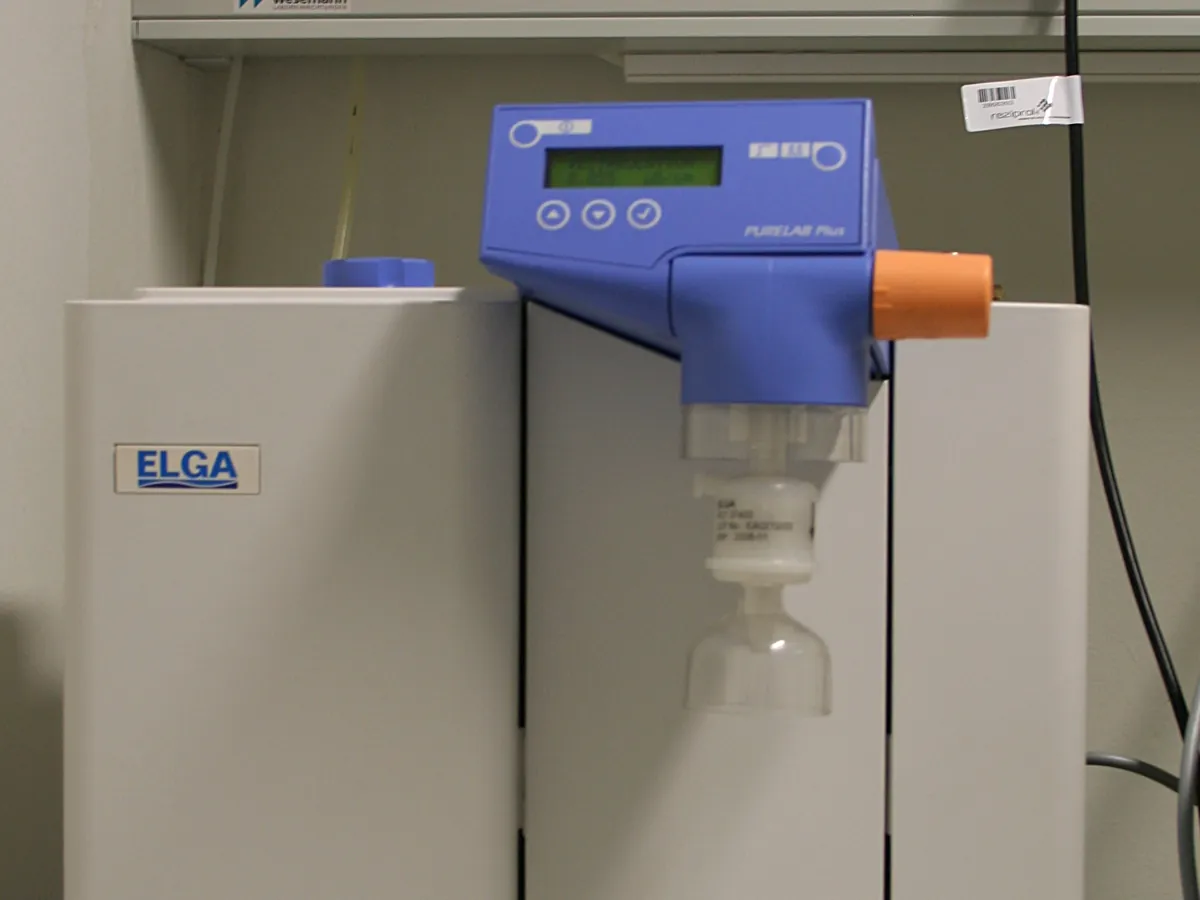
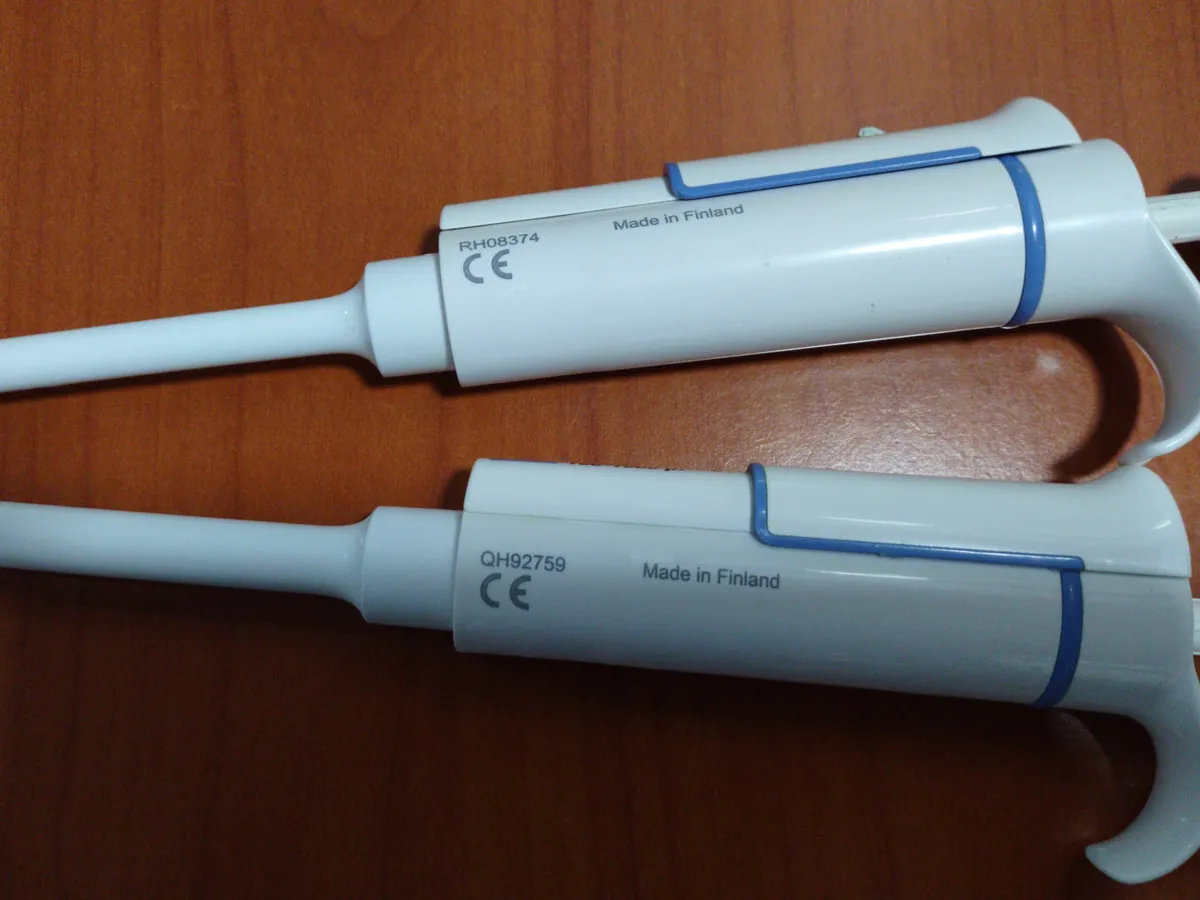
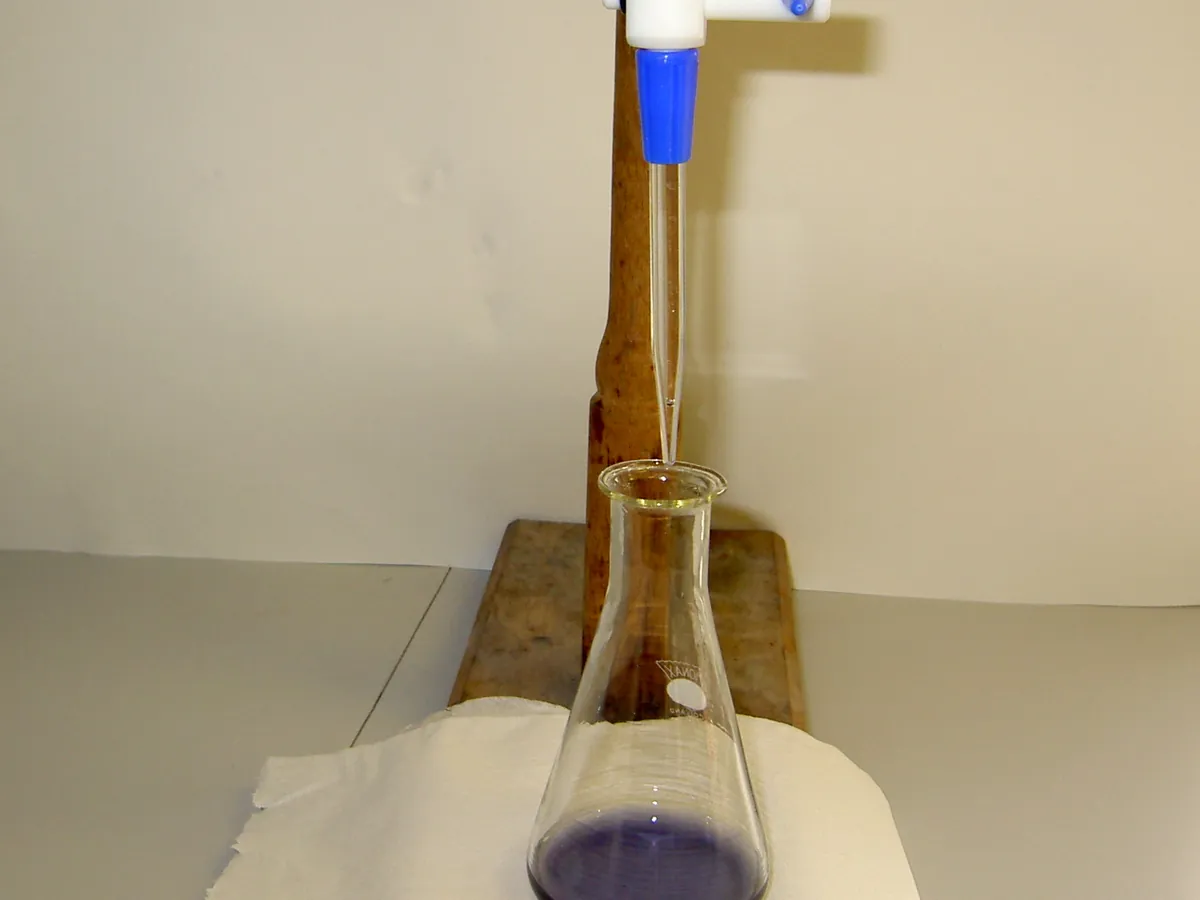
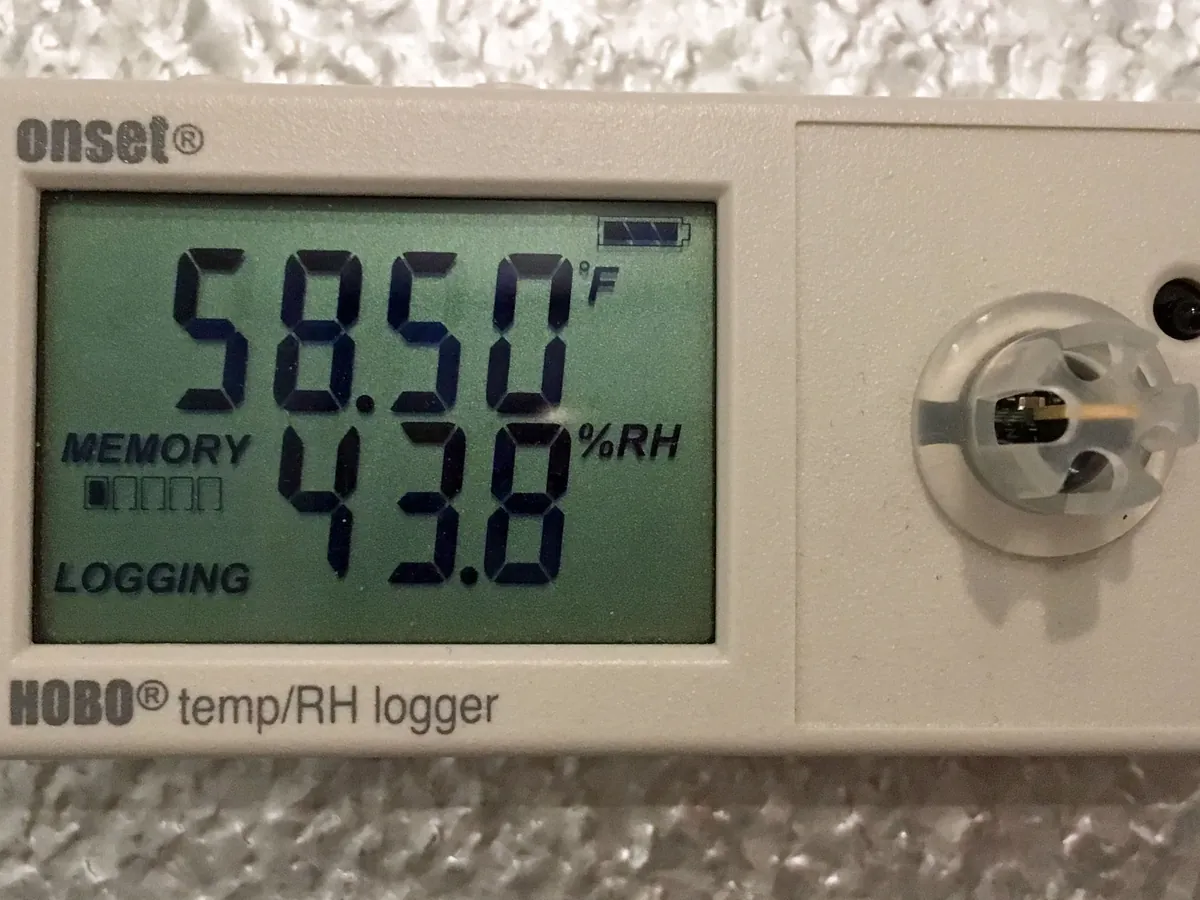
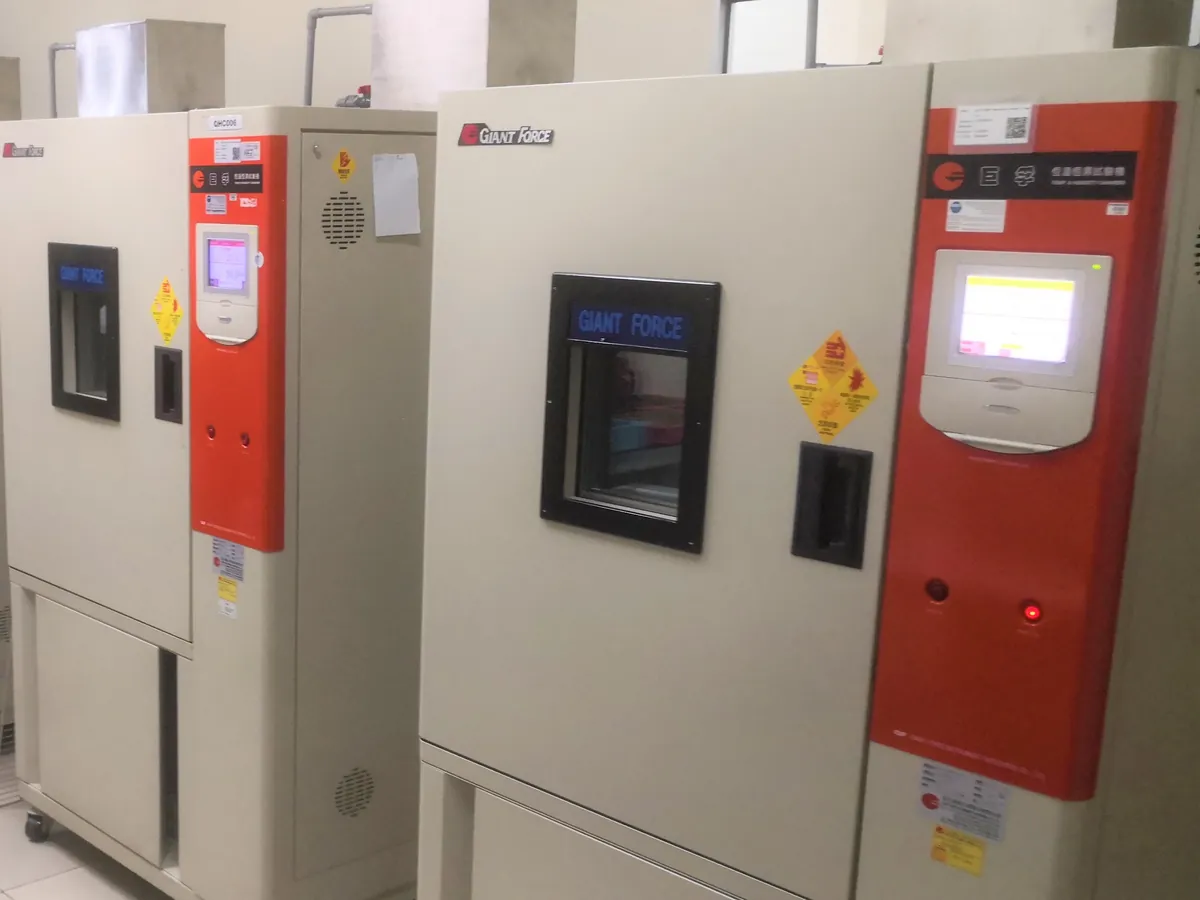
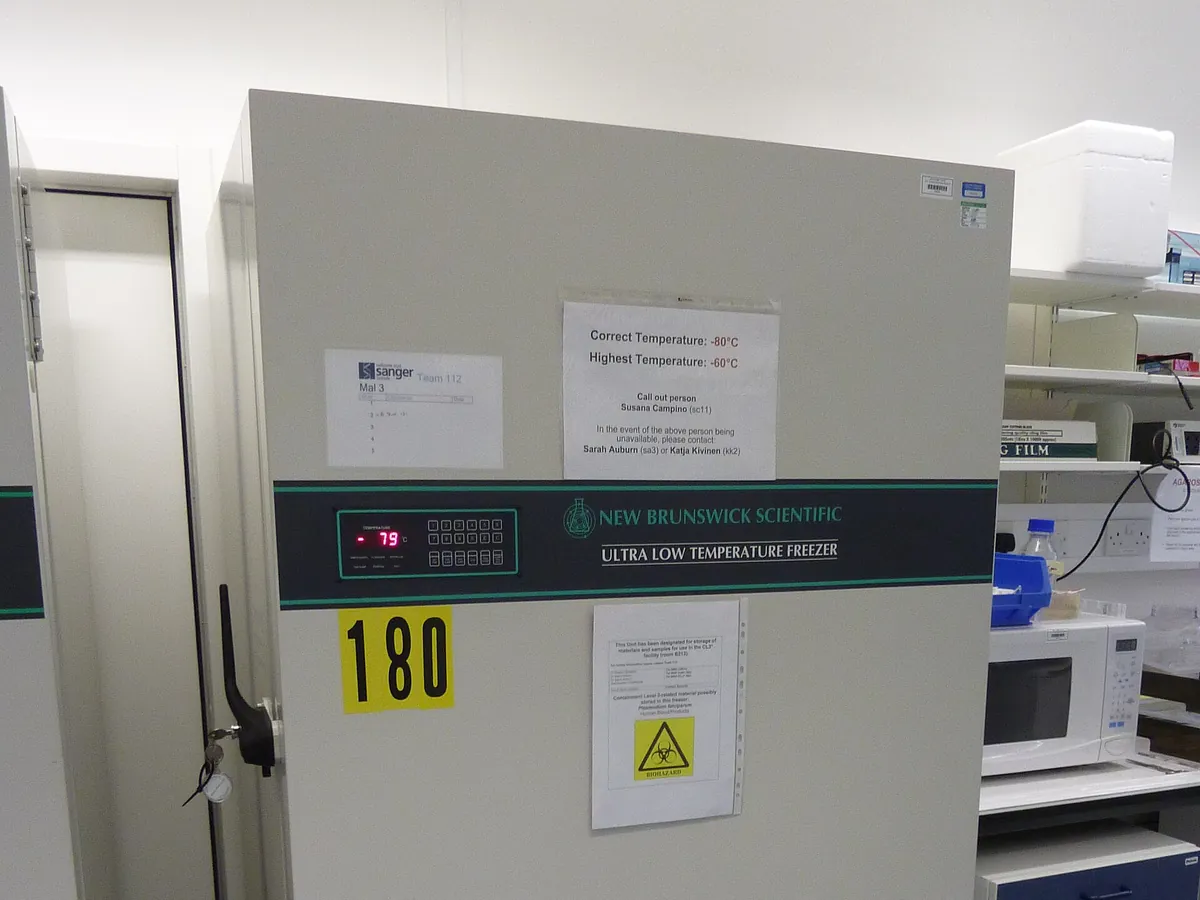
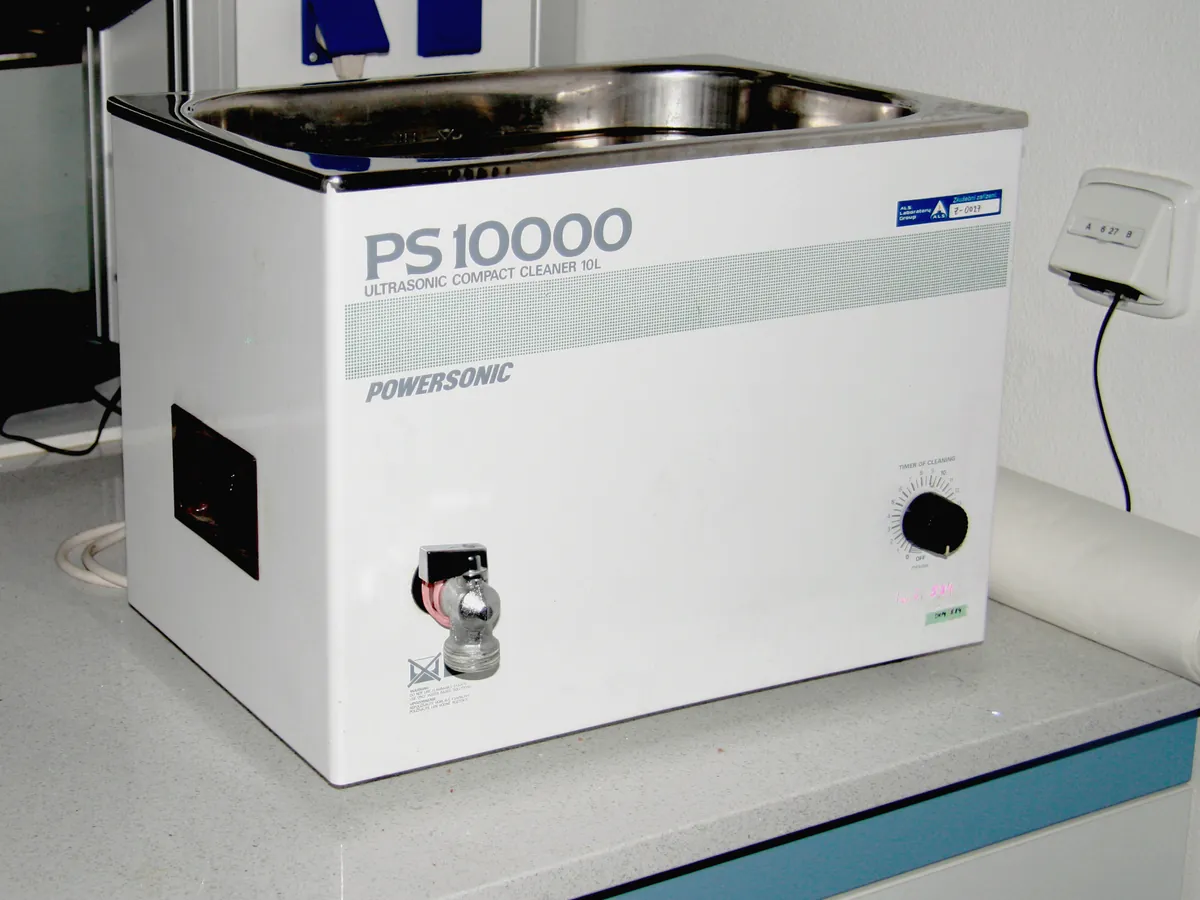
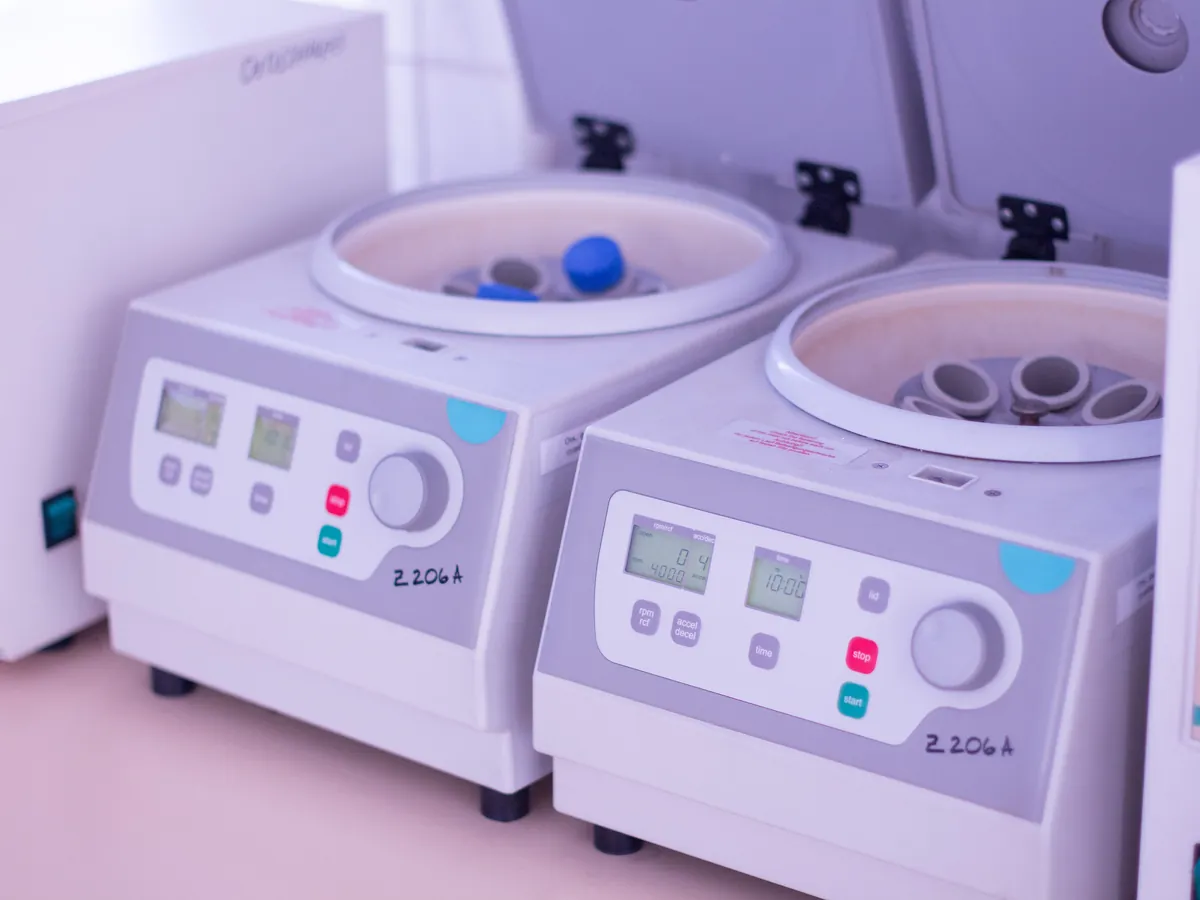
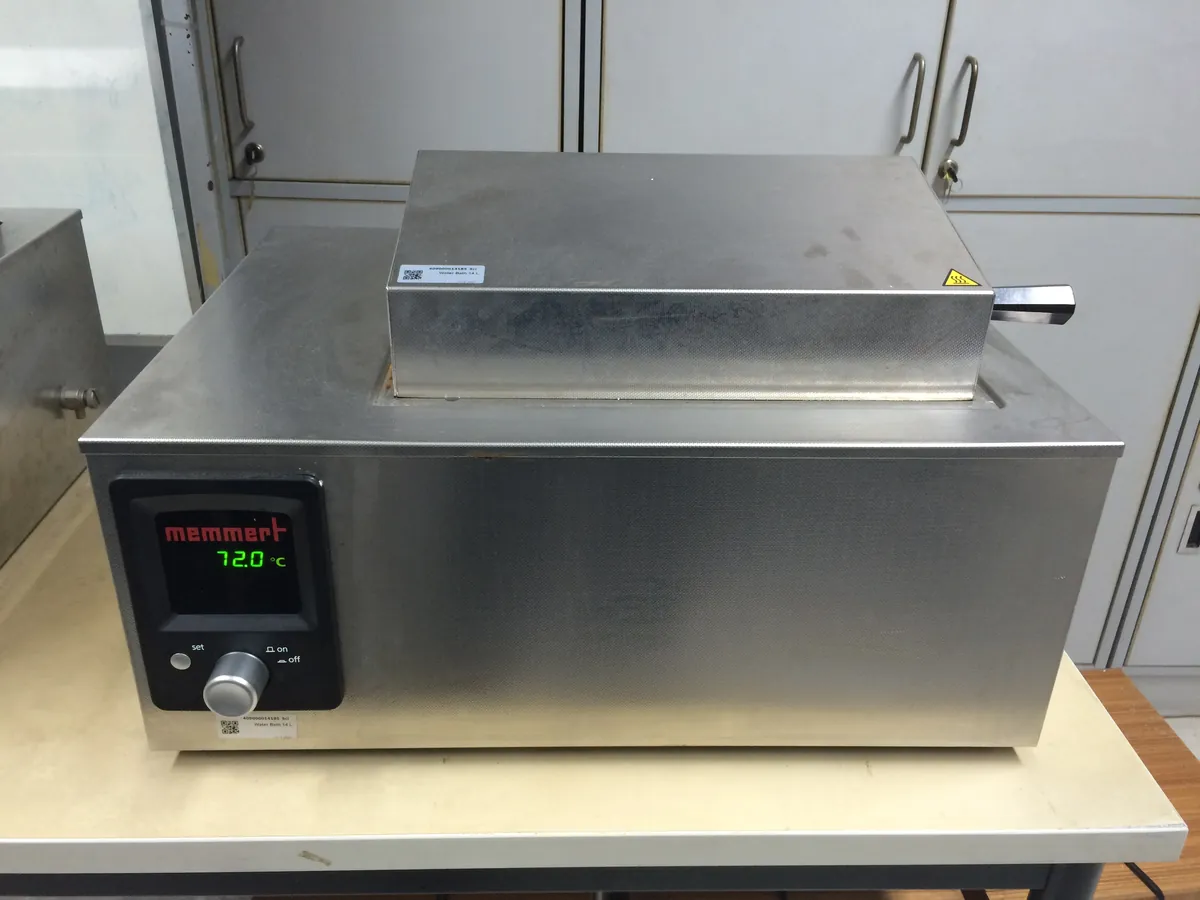
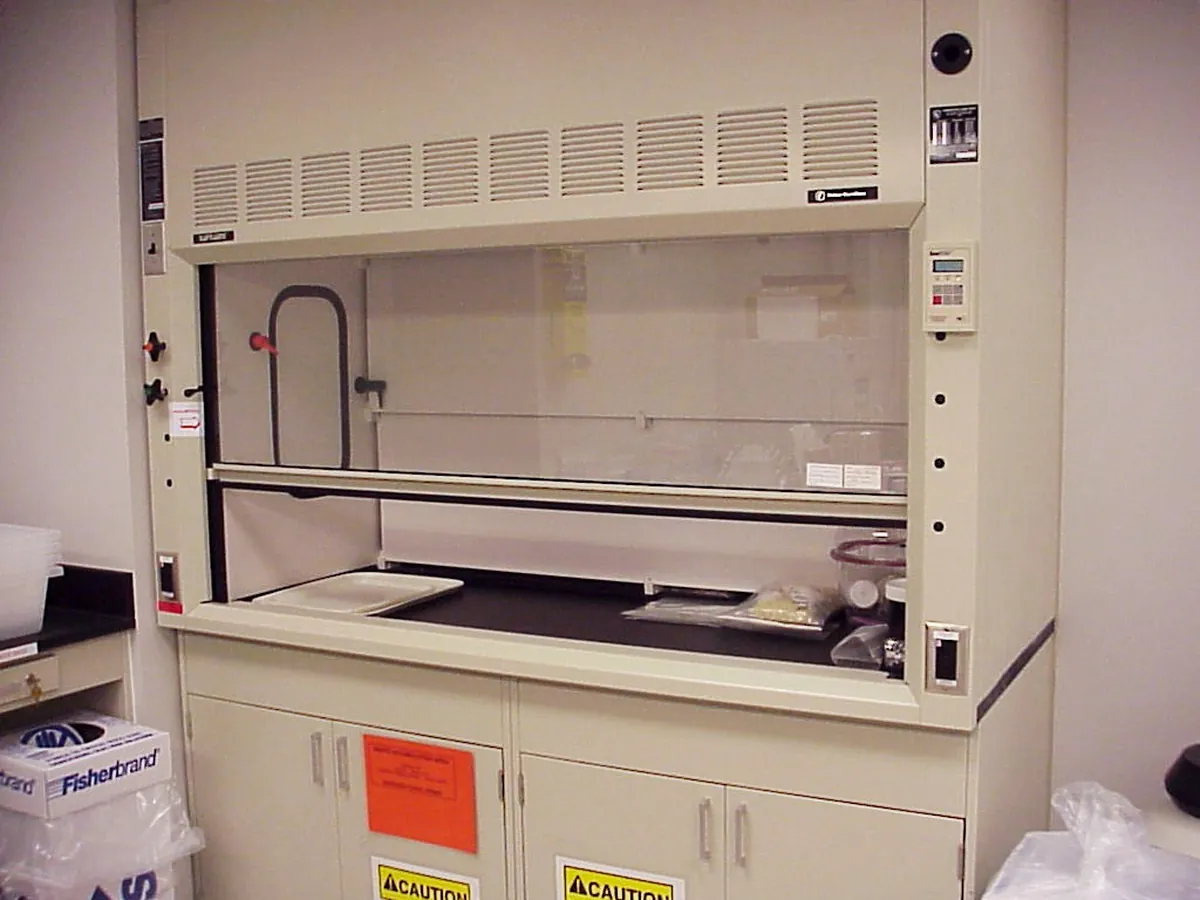
Instruments in a pharmaceutical qc lab


Learning paths
- Beginner · 11 stepsHPLC from zeroFrom what an HPLC is to running, calculating, calibrating and troubleshooting a real assay.
- Beginner · 12 stepsNew QC analyst: your first monthThe instruments and tests a new pharma QC analyst meets first, in the order you are likely to meet them.
- Intermediate · 12 stepsInstrument calibration basicsWhat calibration and qualification mean, and how the most common instruments are calibrated.
- Beginner · 9 stepsQC microbiology basicsThe equipment and tests of a pharma QC microbiology lab, from sterilising media to microbial limits.
- Intermediate · 9 stepsTablet testing, start to finishEvery physical and release test a tablet batch goes through in QC.
- Advanced · 10 stepsSterile products QCHow injections are tested: sterility, endotoxins, particulate matter and container integrity, and the clean air that protects them.
- Advanced · 9 stepsImpurities explainedOrganic impurities, residual solvents and elemental impurities: how each is controlled and measured.
Guides
- Data integrity and ALCOA+ in the QC labWhat data integrity means, the ALCOA+ principles, raw data and metadata, audit trails, electronic records and signatures, the failures inspectors find most often and how good documentation practice prevents them.
- Out-of-specification (OOS) and out-of-trend (OOT) resultsHow a QC lab investigates a failing or unexpected result: the phased OOS investigation, hypothesis testing, the rules for retesting, resampling and averaging, when a result may be invalidated, root cause and CAPA, and how OOT results are found in stability trending.
- Analytical method validation (ICH Q2(R2))What method validation is, how it differs from verification and transfer, the validation characteristics with typical acceptance criteria for assay and impurity methods, and how a validation runs from protocol to report.
- Stability testing (ICH Q1A(R2))How stability studies work: storage conditions by climatic zone, testing frequency, batches and packs, photostability, significant change, shelf-life evaluation, stability-indicating methods and the chambers that hold the samples.
- Reference and working standardsHow a QC lab obtains, qualifies, stores, labels and uses primary reference standards, in-house working standards, impurity standards and volumetric solutions — and the audit findings that come up again and again.
- Good practices in the QC laboratoryThe everyday GMP expectations for a pharmaceutical QC lab: specifications and test procedures, sampling, reagent and solution labelling, instrument status and logbooks, calibration, analyst training, review of data, retention samples and basic safety.