Total Organic Carbon (TOC) in Purified Water
Tests purified water for organic contamination by oxidising organic compounds to CO₂ and measuring it. The sample response is compared with the limit response from a 0.50 mg/L carbon sucrose standard, after a system suitability test with 1,4-benzoquinone.
- TOC analysis (oxidation to CO₂ with conductometric or NDIR detection)
- TOC analyser
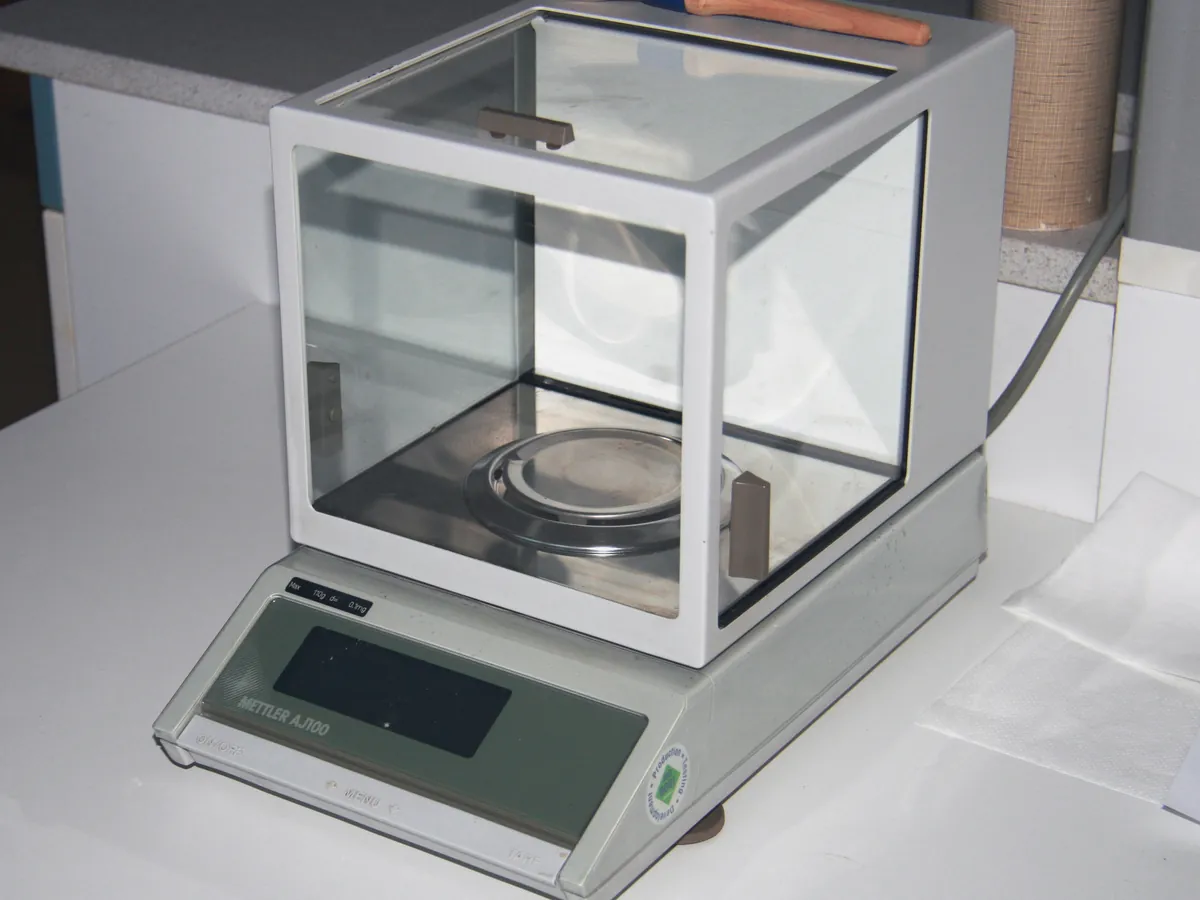
- Analytical balance
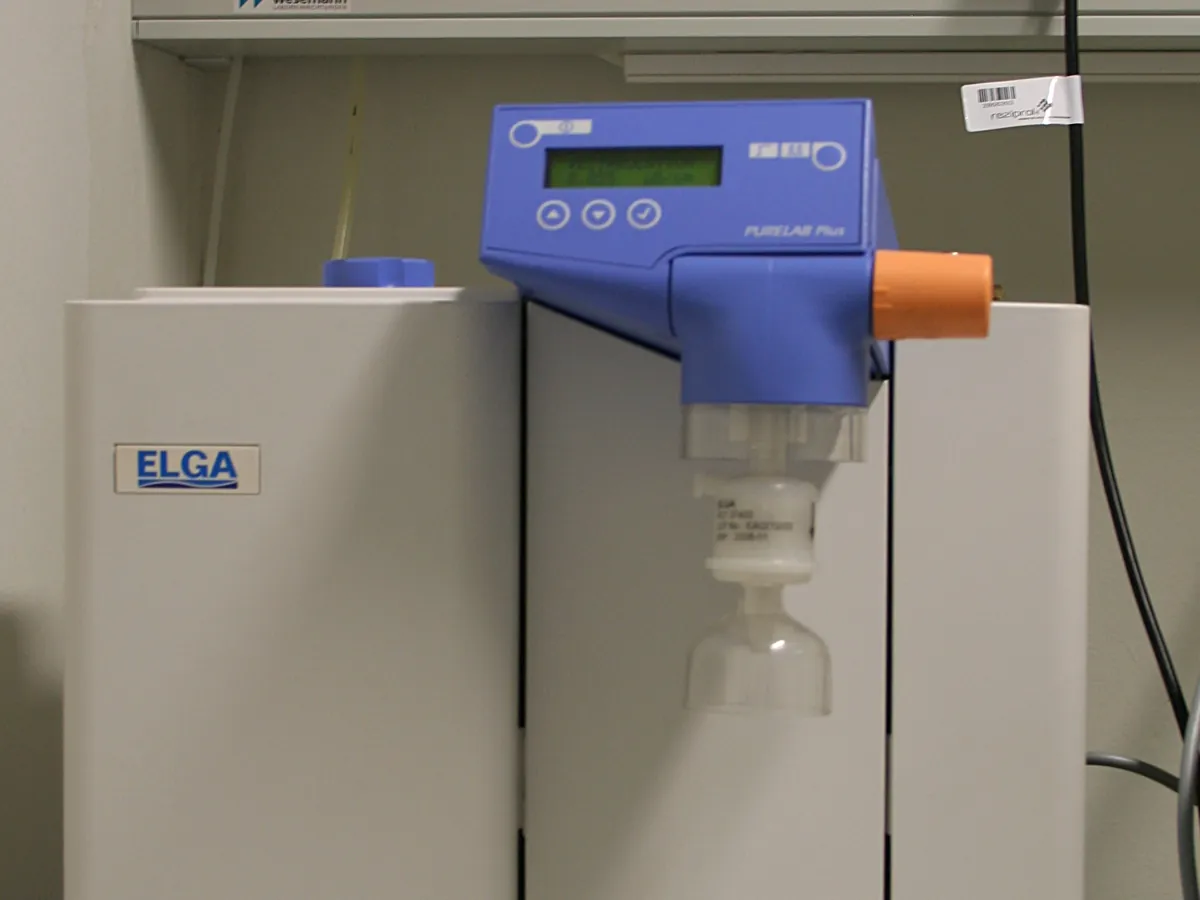
- Lab water system
Reference: Typical method based on USP <643> and Ph. Eur. 2.2.44. The limit for bulk purified water and water for injections is 0.50 mg/L carbon (limit response). Always follow your approved specification and STP.
Why this method works
Organic molecules in water are oxidised to carbon dioxide by UV/persulphate or high-temperature combustion. Inorganic carbon is removed or measured separately so that only organic carbon is counted. The CO₂ formed is measured by conductivity or infrared detection. USP <643> judges the water by comparing its response (Ru) with the limit response (Rs − Rw): the response of a sucrose standard containing 0.50 mg/L carbon minus the response of the reagent water used to make it.
Instruments used
Reagents & standards
| Reagent | Grade / specification |
|---|---|
| Reagent water | TOC not more than 0.10 mg/L carbon (typical requirement), from a lab water system or freshly dispensed |
| Sucrose standard solution | About 1.19 mg/L sucrose in reagent water (0.50 mg/L carbon) |
| System suitability solution | About 0.75 mg/L 1,4-benzoquinone in reagent water (0.50 mg/L carbon) |
| Analyser reagents | Acid and oxidiser (for UV/persulphate models) as specified by the supplier |
Preparing the sample
- 01
Clean vials
Use TOC-certified vials and caps; wear powder-free gloves.
- 02
Sample
Flush the point of use, rinse the vial with sample, fill with no headspace.
- 03
Store
Analyse promptly or store as validated (cool, closed).
- 04
Suitability
Run Rw, Rs and Rss and check response efficiency.
- 05
Analyse
Run samples and bracketing checks.
- 06
Compare
Sample response Ru against limit response Rs − Rw.
Procedure
- 1Flush the sampling point for the time defined in the sampling SOP.
- 2Rinse a TOC-clean vial with the sample water, then fill it completely and cap it at once without touching the inside of the cap.
- 3Label the vial with the sampling point, date and time; analyse as soon as possible, within the hold time validated in your SOP.
- 4Load the reagent water, sucrose standard, benzoquinone solution and samples on the analyser in the sequence below.
- 5Run the analyser method; it reports the response of each solution in mg/L carbon.
Standard preparation
- 1Sucrose standard: dissolve a suitable, accurately weighed amount of USP Sucrose RS in reagent water and dilute to obtain about 1.19 mg/L sucrose (0.50 mg/L carbon).
- 2Benzoquinone solution: prepare about 0.75 mg/L 1,4-benzoquinone in reagent water (0.50 mg/L carbon). Prepare fresh, as benzoquinone solutions are not stable for long.
- 3Prepare both in the same batch of reagent water, which is also analysed as Rw.
Notes for analysts
- TOC complements conductivity: conductivity detects ions, TOC detects organic matter. Both are routine tests for purified water.
- Contamination is the biggest risk at these low levels: avoid gloves with powder, solvents, markers near open vials and plastic containers not certified for TOC.
- Online TOC analysers can be used for release if they meet the chapter requirements and are suitably qualified.
- A rising TOC trend often points to resin breakdown, biofilm or a failing UV lamp in the water system.
Method parameters (typical)
| Oxidation | UV/persulphate or high-temperature catalytic combustion, as per the analyser |
|---|---|
| Detection | Conductometric (direct or membrane) or NDIR |
| Inorganic carbon | Removed by acidification and sparging, or measured and subtracted (TOC = TC − IC) |
| Replicates | As per analyser method, for example 3 injections, first discarded |
| Limit of detection | 0.05 mg/L carbon or lower (USP <643> requirement for the analyser) |
System suitability & sequence
| Parameter | Limit |
|---|---|
| Response efficiency | 85–115%: (Rss − Rw) ÷ (Rs − Rw) × 100 |
| Reagent water | TOC not more than about 0.10 mg/L carbon (as reported Rw) |
Typical sequence
- 1Reagent water (Rw)
- 2Sucrose standard 0.50 mg/L C (Rs)
- 31,4-Benzoquinone 0.50 mg/L C (Rss)
- 4Samples (Ru)
- 5Sucrose standard (bracketing check, if required by SOP)
Calculation with a worked example
Where
- Ru
- Response of the water sample (mg/L C, as reported)
- Rs
- Response of the sucrose standard (0.50 mg/L C)
- Rw
- Response of the reagent water used for the standards
- Rss
- Response of the benzoquinone solution (for system suitability)
Given
- Rw
- 0.08 mg/L
- Rs
- 0.55 mg/L
- Rss
- 0.53 mg/L
- Ru (purified water, loop point 3)
- 0.19 mg/L
Working
- Response efficiency = (0.53 − 0.08) ÷ (0.55 − 0.08) × 100 = 95.7% (within 85–115%, system suitable)
- Limit response = 0.55 − 0.08 = 0.47
- Ru = 0.19 ≤ 0.47 → complies
TOC response 0.19 mg/L carbon; not more than the limit response of 0.47. Complies with the TOC test.
What result passes
- Bulk purified water and water for injections: Ru not more than the limit response (Rs − Rw), which corresponds to 0.50 mg/L carbon (USP <643> / Ph. Eur. 2.2.44).
- Sterile and packaged waters may have different TOC requirements or use oxidisable substances instead; see the current monograph.
Validation parameters (ICH Q2(R2))
| Parameter | Typical requirement |
|---|---|
| Approach | Compendial method: verify the analyser meets the chapter requirements (LOD, system suitability) |
| Instrument | Calibration and system suitability per USP <643>; online analysers verified against offline results |
| Sampling | Vials, sampling technique and hold time shown not to add carbon |
Run this method in LimsPulse: specifications and STPs under version control, results calculated and checked against limits, and a signed Certificate of Analysis.