Tests for Specified Microorganisms in Non-Sterile Products
Shows whether named objectionable organisms are absent from a stated amount of product (usually 1 g or 1 mL), by enriching the sample in broth, sub-culturing onto selective and differential agars, and checking any suspect colonies with identification tests.
- Enrichment and selective media
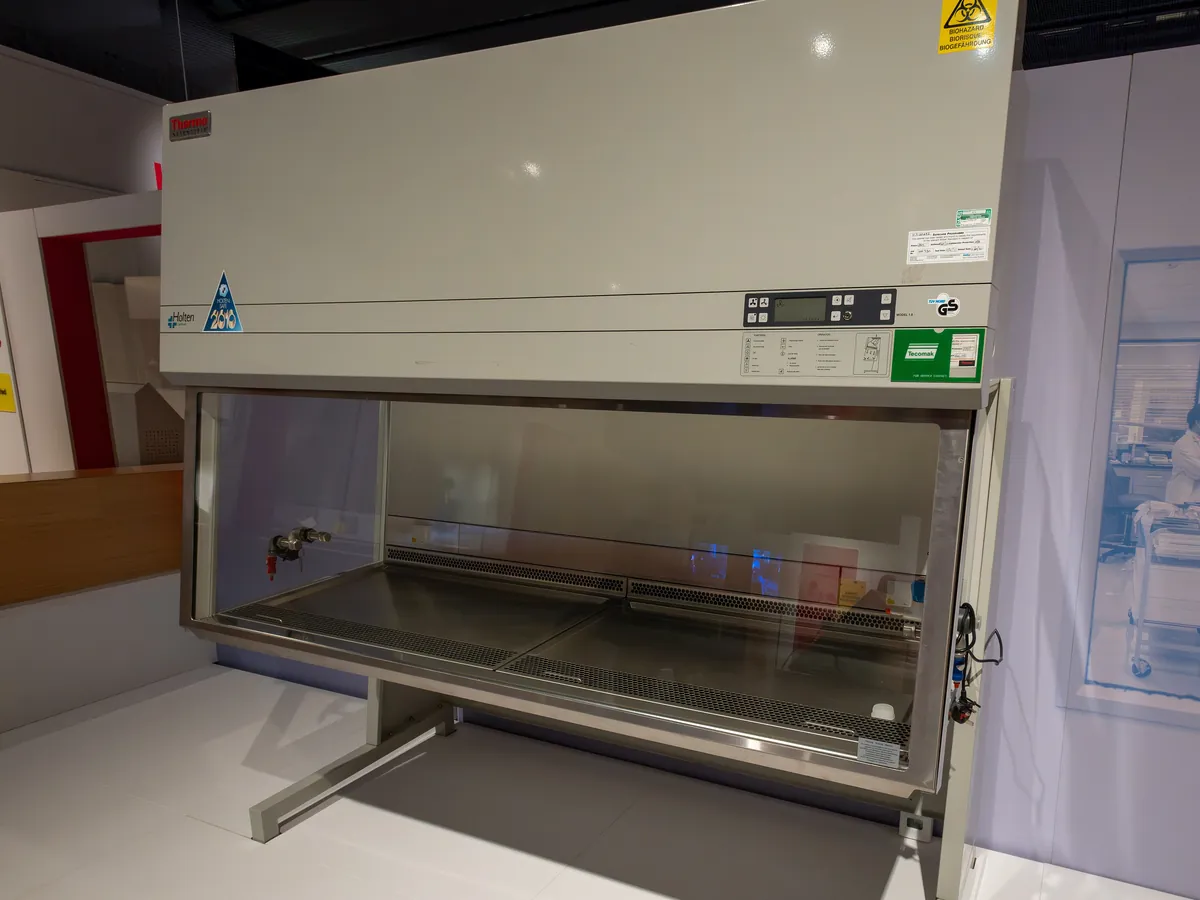
- BSC
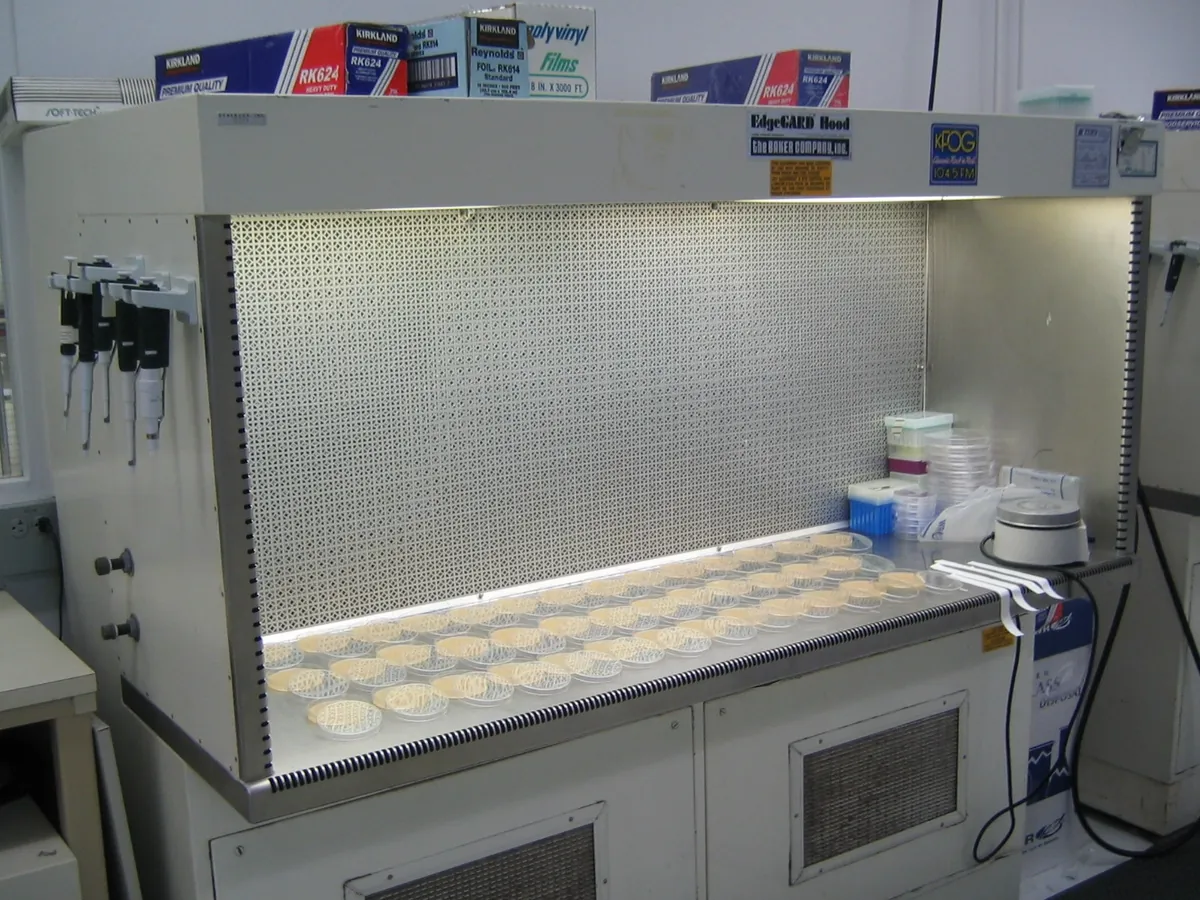
- LAF
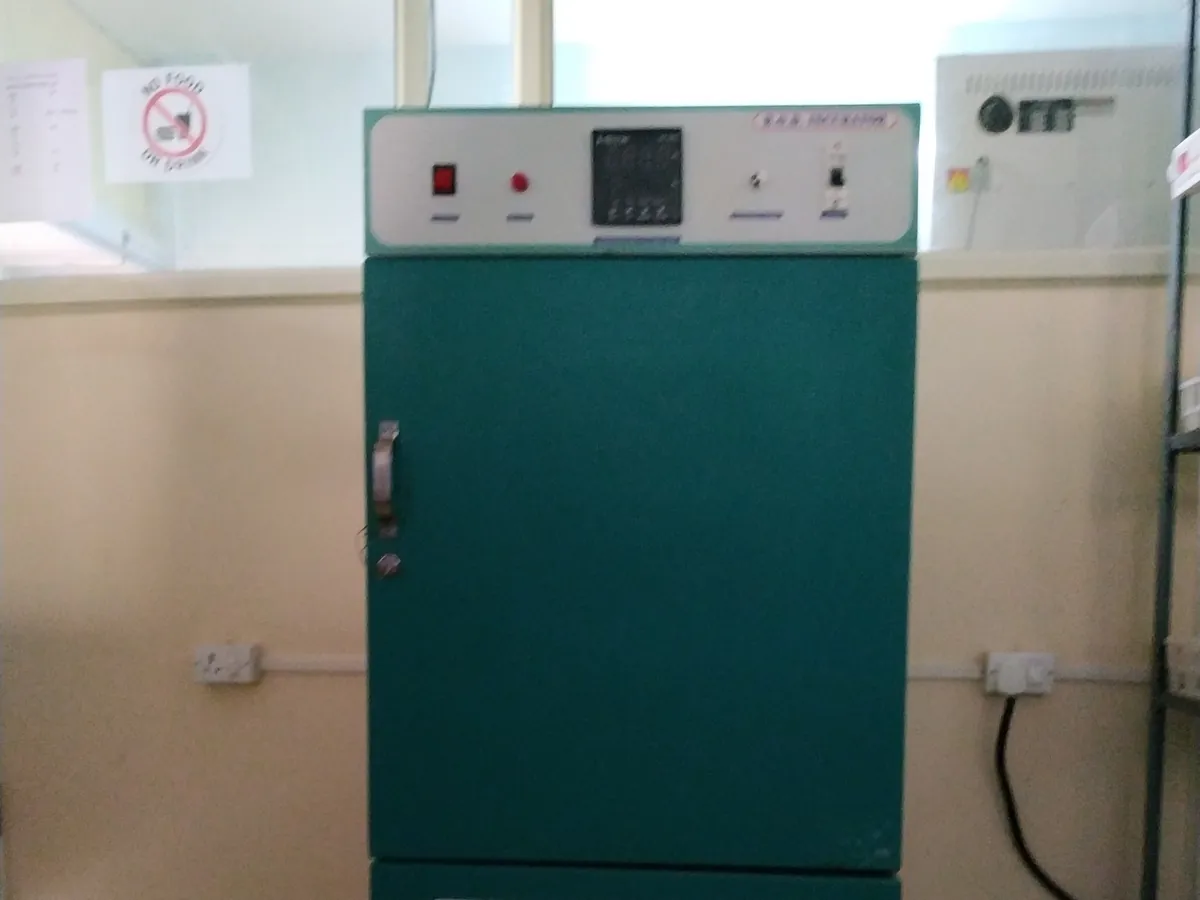
- Incubator
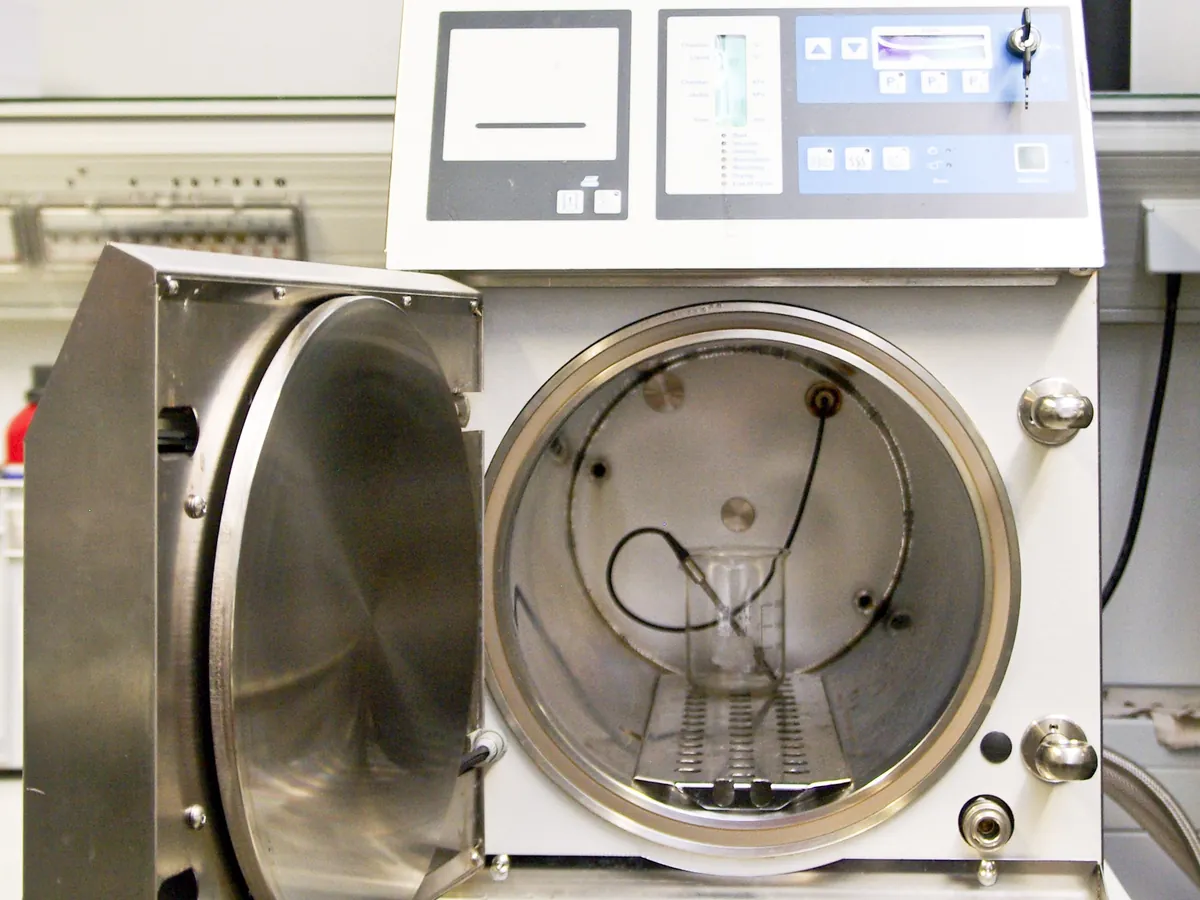
- Autoclave
- Analytical balance
- Water bath
Reference: Typical method based on USP <62> and Ph. Eur. 2.6.13 (harmonised). Always follow your approved specification, STP and the current chapter.
Why this method works
The product is first diluted in a general broth and incubated so that any stressed organisms can recover and multiply. Small portions are then moved into selective enrichment broths and onto selective agars that suppress most other bacteria and show the target organism by colony colour or appearance. Suspect colonies are confirmed by identification tests. Because the result is presence or absence, method suitability must show that the test can detect a low inoculum of each organism in the presence of the product.
Instruments used
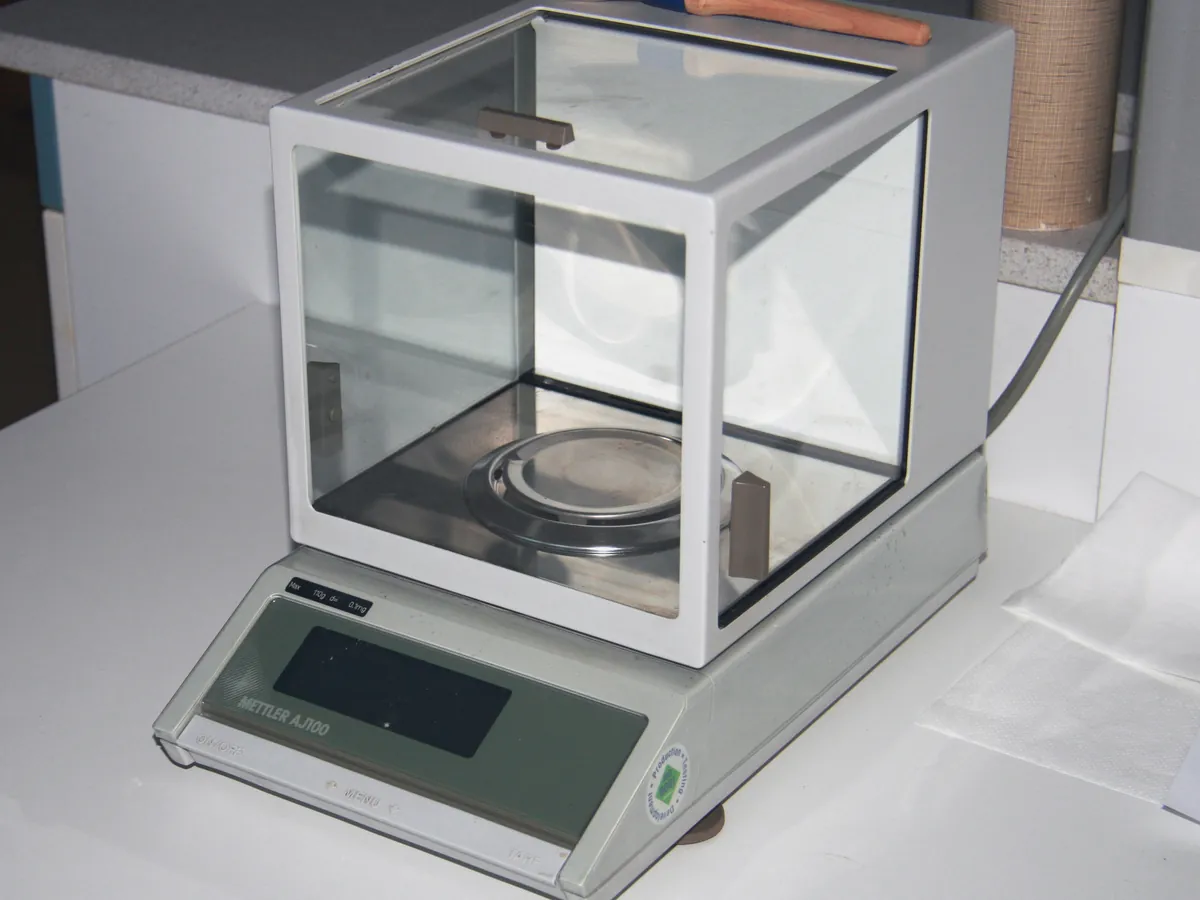
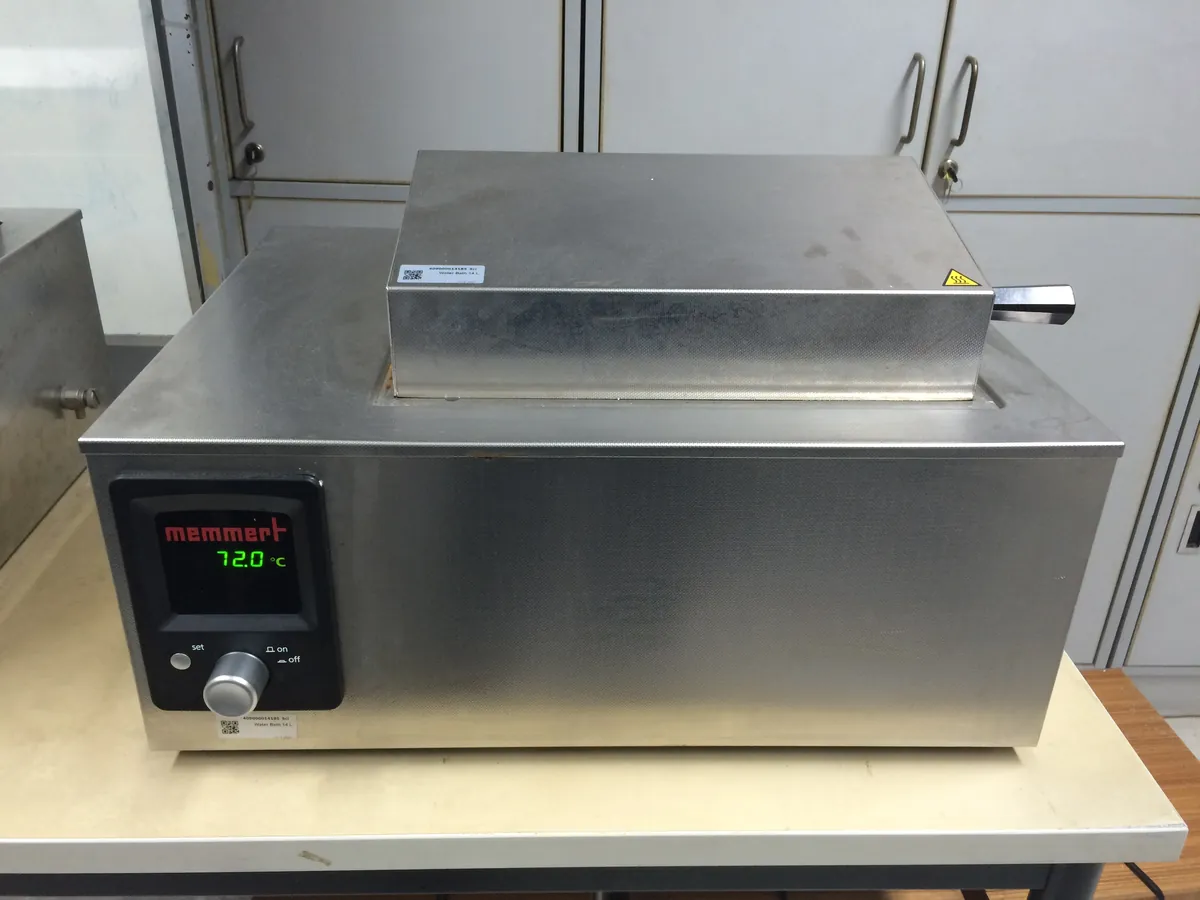
Reagents & standards
| Reagent | Grade / specification |
|---|---|
| Soybean-Casein Digest Broth (SCDB) | General enrichment of the sample (1:10) |
| MacConkey broth and MacConkey agar | E. coli: selective enrichment and isolation |
| Rappaport Vassiliadis Salmonella Enrichment broth and XLD agar | Salmonella: selective enrichment and isolation |
| Cetrimide agar | P. aeruginosa: selective isolation |
| Mannitol salt agar | S. aureus: selective isolation |
| Sabouraud Dextrose broth and agar | C. albicans: enrichment and isolation |
| Enterobacteria Enrichment Broth Mossel and Violet Red Bile Glucose agar | Bile-tolerant Gram-negative bacteria |
| Reference strains | E. coli ATCC 8739, Salmonella enterica serovar Typhimurium ATCC 14028, P. aeruginosa ATCC 9027, S. aureus ATCC 6538, C. albicans ATCC 10231 |
Preparing the sample
- 01
Weigh
Aseptically take 10 g or 10 mL of product.
- 02
Pre-enrich
Dilute 1:10 in SCDB (or the specified broth) and incubate.
- 03
Selective enrichment
Transfer portions into selective broths where the chapter requires.
- 04
Sub-culture
Streak onto selective and differential agars.
- 05
Incubate & read
Look for colonies with the typical appearance of each organism.
- 06
Confirm
Identify suspect colonies; absence of typical colonies means the organism is absent.
Procedure
- 1Work in a biosafety cabinet or LAF as defined in your SOP; positive controls are handled separately from samples, ideally in a different cabinet or area.
- 2Prepare a 1:10 dilution of the product in SCDB (e.g. 10 g in 90 mL) with neutralisers if validated; for C. albicans use Sabouraud Dextrose broth as the chapter describes.
- 3E. coli, Salmonella, P. aeruginosa, S. aureus: incubate the SCDB at 30–35 °C for typically 18–24 hours, then sub-culture into selective broth (E. coli, Salmonella) or directly onto the selective agar (P. aeruginosa, S. aureus).
- 4Bile-tolerant Gram-negative bacteria: allow a short resuscitation in SCDB at 20–25 °C, then transfer to Enterobacteria Enrichment Broth Mossel and sub-culture onto Violet Red Bile Glucose agar; a semi-quantitative version uses decreasing amounts of product.
- 5Incubate the selective broths and agars at the temperatures and times in the current chapter (for example, MacConkey broth for E. coli is incubated at a raised temperature of about 42–44 °C).
- 6Examine plates for typical colonies (e.g. pink colonies on MacConkey agar, red colonies with or without black centres on XLD agar, yellow colonies with yellow zones on mannitol salt agar, greenish growth on cetrimide agar, white colonies on Sabouraud agar).
- 7Confirm suspect colonies with identification tests (e.g. Gram stain, biochemical or MALDI-TOF identification).
Standard preparation
- 1Method suitability: inoculate the product preparation with not more than 100 cfu of each test organism and show that it is detected by the method.
- 2Growth promotion: each batch of each medium is tested with its target organism; selective media are also checked for inhibitory properties against a non-target organism, and indicative media for their typical reactions.
- 3Negative control: diluent or broth without product, carried through the whole test.
Notes for analysts
- This is a qualitative (presence/absence) test, so no calculation is made. The bile-tolerant Gram-negative test can be run semi-quantitatively to give a probable number per gram.
- Media names, times and temperatures are given in general terms; use the exact conditions of the current chapter and your STP.
- Other objectionable organisms (e.g. Burkholderia cepacia complex in aqueous products) may need to be assessed by risk, as described in USP <1111> and current regulatory expectations.
Method parameters (typical)
| Sample quantity | Typically 1 g or 1 mL per test (via 10 g in 90 mL), as per specification |
|---|---|
| Pre-enrichment | SCDB at 30–35 °C, typically 18–24 h |
| E. coli | MacConkey broth (raised temperature, about 42–44 °C) → MacConkey agar |
| Salmonella | Rappaport Vassiliadis broth → XLD agar |
| P. aeruginosa | Cetrimide agar |
| S. aureus | Mannitol salt agar |
| C. albicans | Sabouraud Dextrose broth → Sabouraud Dextrose agar |
| Bile-tolerant Gram-negatives | Enterobacteria Enrichment Broth Mossel → Violet Red Bile Glucose agar |
| Incubation times and temperatures | As given in the current USP <62> / Ph. Eur. 2.6.13 |
System suitability & sequence
| Parameter | Limit |
|---|---|
| Negative control | No growth |
| Positive control | Target organism (≤ 100 cfu) detected with typical appearance |
| Media | Growth-promoting, inhibitory and indicative properties confirmed for each batch |
Typical sequence
- 1Negative control
- 2Sample(s)
- 3Positive controls (handled after samples, in a separate area or cabinet)
What result passes
- Specified organisms are absent (no typical colonies, or suspect colonies shown not to be the target organism) in the amount of product stated in the specification.
- Typical requirements for non-sterile oral products include absence of E. coli in 1 g or 1 mL; other dosage forms have other requirements (e.g. S. aureus and P. aeruginosa for topical and inhaled products) as per USP <1111> / Ph. Eur. 5.1.4 and the product specification.
- The test is valid only if the negative control shows no growth and method suitability has been shown.
Validation parameters (ICH Q2(R2))
| Parameter | Typical requirement |
|---|---|
| Method suitability | Each specified organism (≤ 100 cfu) detected in the presence of the product |
| Neutralisation | Neutraliser effective and not toxic to the organisms |
| Revalidation | After a change in formulation, supplier or test procedure |
Run this method in LimsPulse: specifications and STPs under version control, results calculated and checked against limits, and a signed Certificate of Analysis.