Growth Promotion Test of Culture Media
Checks that each batch of culture medium can support the growth of a small number (not more than 100 cfu) of specified reference organisms, by comparing recovery on the new batch with a previously approved batch.
- Inoculation with ≤100 cfu of reference organisms and plate count
- LAF
- Autoclave
- Incubator
- Colony counter
Reference: Typical method based on USP <61> / <62> and Ph. Eur. 2.6.12 / 2.6.13. Always follow your approved STP.
Why this method works
A medium that does not support growth would give falsely low counts or false negative results. A low inoculum of each reference organism is inoculated onto the new batch and onto a previously approved (reference) batch. For solid media, the count on the new batch must be within a factor of 2 of the reference count; for liquid media, growth must be clearly visible and comparable. Selective media are also checked for inhibitory properties and indicative reactions (USP <62>).
Instruments used
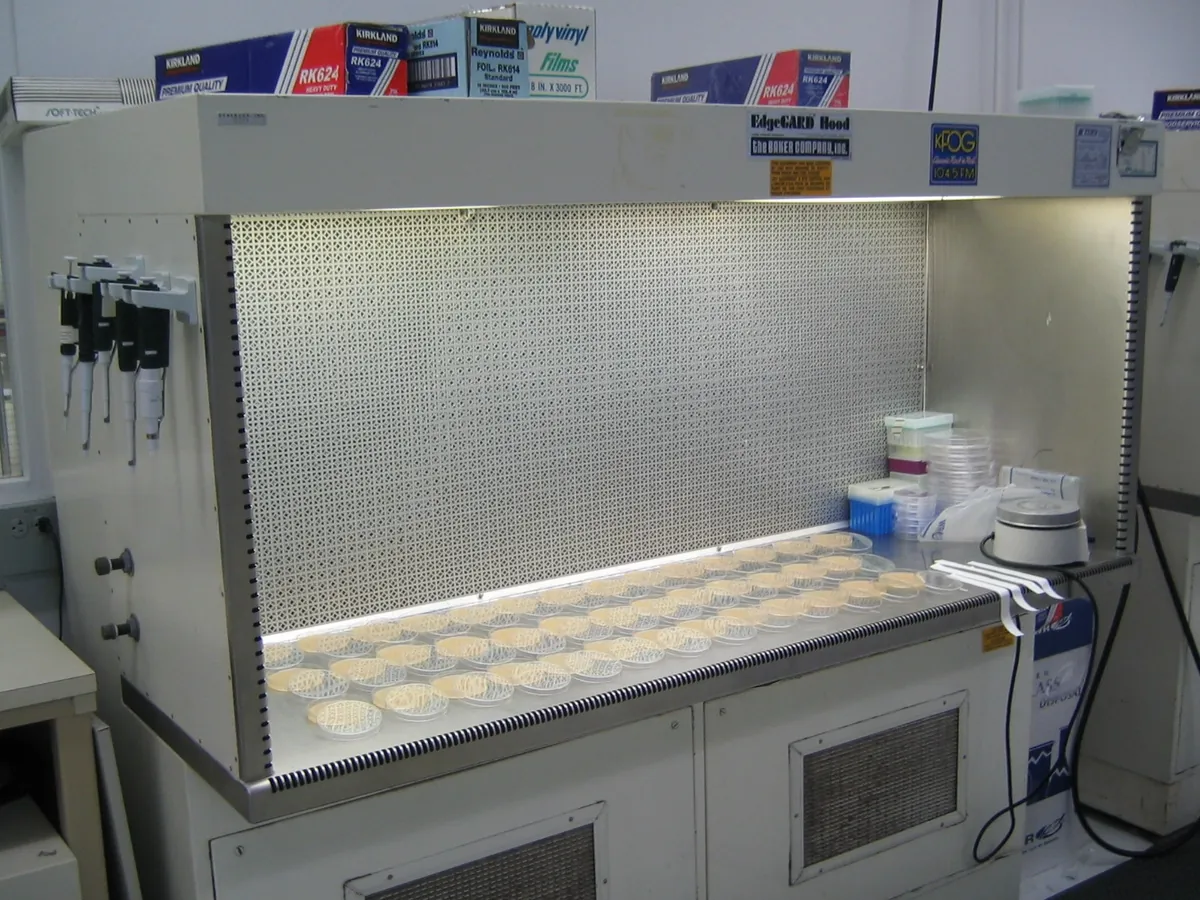
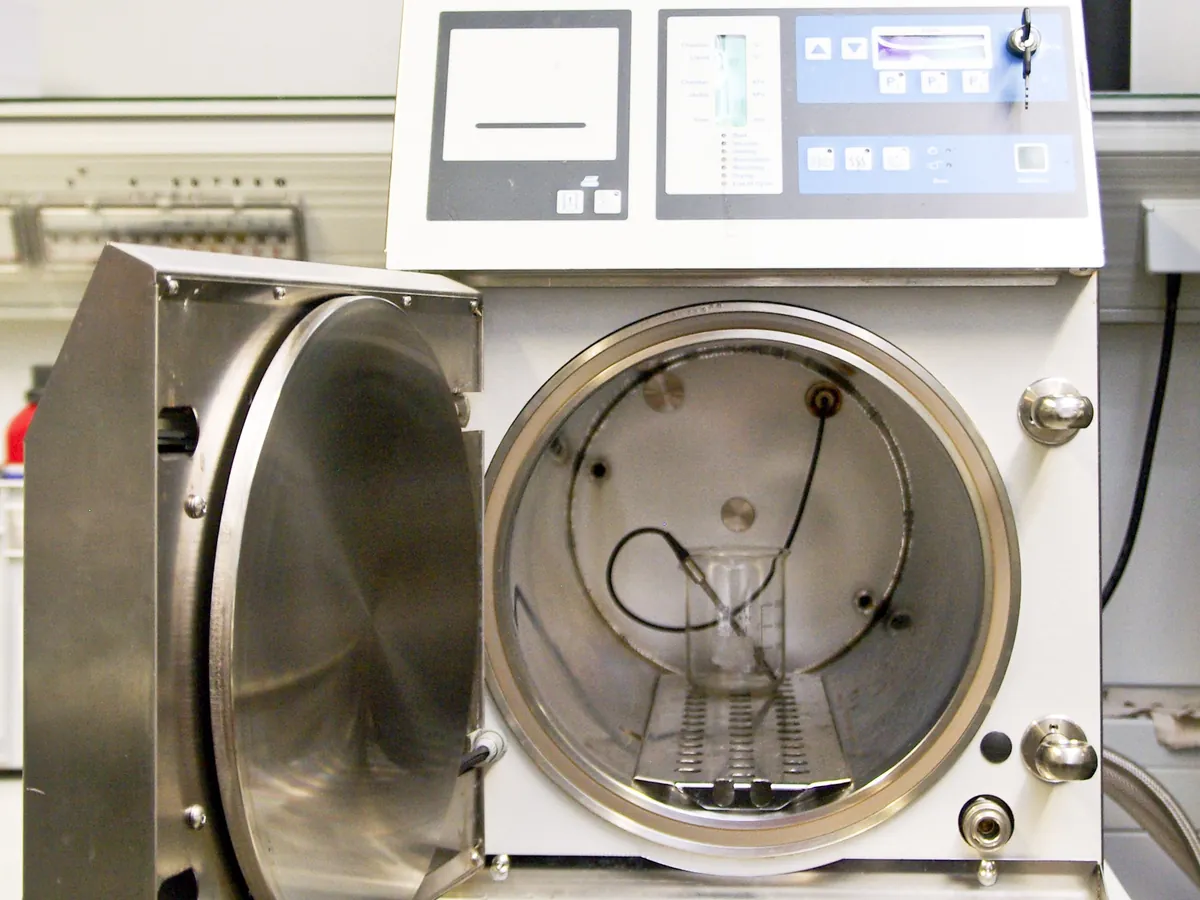
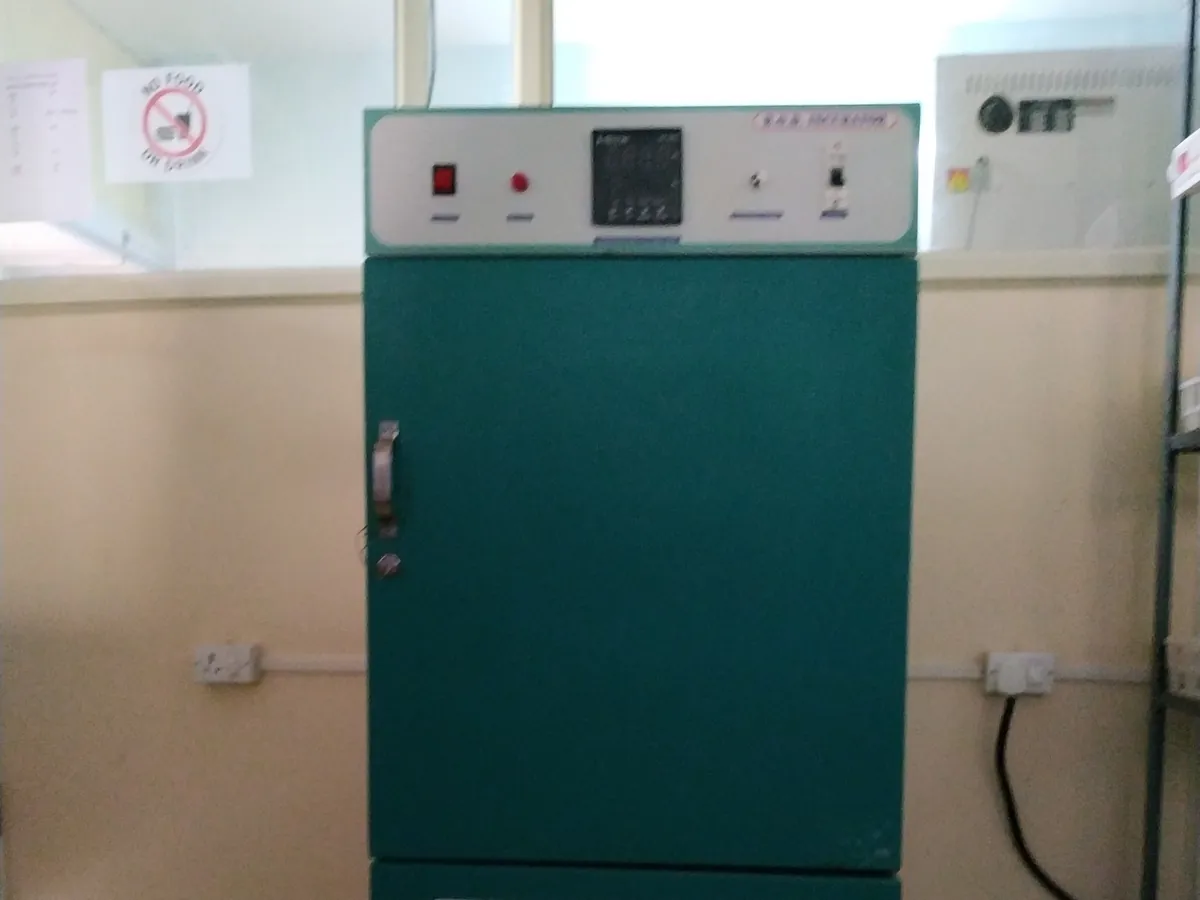

Reagents & standards
| Reagent | Grade / specification |
|---|---|
| Reference organisms (USP <61>) | S. aureus ATCC 6538, P. aeruginosa ATCC 9027, B. subtilis ATCC 6633, C. albicans ATCC 10231, A. brasiliensis ATCC 16404 |
| Additional organisms (USP <62>) | E. coli ATCC 8739, Salmonella enterica (e.g. Typhimurium ATCC 14028), C. sporogenes ATCC 11437, and others as required |
| Previously approved media batch | Reference batch of the same medium |
| Diluent | Buffered sodium chloride-peptone solution pH 7.0 or phosphate buffer pH 7.2 |
Preparing the sample
- 01
Culture
Use cultures not more than five passages from the reference stock.
- 02
Standardise
Prepare and dilute suspensions to give not more than 100 cfu per inoculum.
- 03
Inoculate
Inoculate new and reference batches in parallel with the same suspension.
- 04
Incubate
Incubate at the temperature and for the shortest time stated for each organism.
- 05
Count
Count colonies (solid media) or check turbidity (liquid media).
- 06
Compare
Calculate recovery of the new batch against the reference batch.
Procedure
- 1Revive the reference strains and keep a seed-lot system so that cultures used are not more than five passages from the original.
- 2Prepare suspensions in diluent and dilute them so that each inoculum contains not more than 100 cfu. Use them within the time validated (often within 2 hours, or 24 hours if refrigerated).
- 3Solid media: inoculate duplicate plates of the new batch and of the reference batch with the same volume of suspension, by spread or pour plate.
- 4Liquid media: inoculate a portion of the new and reference batch with not more than 100 cfu.
- 5Incubate SCDA at 30–35 °C for not more than 3 days (bacteria) or 5 days (fungi), and SDA at 20–25 °C for not more than 5 days.
- 6Count colonies on each plate, calculate means and the percentage recovery, and check colony appearance.
Standard preparation
- 1Count the inoculum on the reference batch (or by a separate count) to confirm it is not more than 100 cfu.
- 2Include an uninoculated plate or tube of the new batch as a sterility (negative) control, incubated alongside.
Notes for analysts
- Do not release a media batch for testing until growth promotion has passed, unless your SOP allows concurrent testing with defined risk controls.
- Record organism strain, passage number, inoculum count, media batch numbers and incubation times.
- A low inoculum is used on purpose: the test shows the medium can grow small numbers of stressed organisms, as found in real samples.
Method parameters (typical)
| Inoculum | Not more than 100 cfu per plate or tube |
|---|---|
| SCDA / SCDB | S. aureus, P. aeruginosa, B. subtilis at 30–35 °C ≤3 days; C. albicans, A. brasiliensis at 30–35 °C ≤5 days |
| SDA | C. albicans and A. brasiliensis at 20–25 °C ≤5 days |
| Culture age | Not more than five passages from the reference culture |
| Replicates | At least duplicate plates per organism per batch |
System suitability & sequence
| Parameter | Limit |
|---|---|
| Negative control (uninoculated medium) | No growth |
| Inoculum count | Not more than 100 cfu |
| Reference batch | Shows normal growth and typical colonies |
Typical sequence
- 1Uninoculated new batch (negative control)
- 2New batch inoculated with each organism × 2
- 3Reference batch inoculated with each organism × 2
Calculation with a worked example
Where
- Mean count on new batch
- Average cfu on duplicate plates of the batch under test
- Mean count on reference batch
- Average cfu on duplicate plates of the approved batch, inoculated with the same suspension
Given
- Organism
- S. aureus ATCC 6538 on SCDA
- New batch plates
- 46 and 50 cfu
- Reference batch plates
- 53 and 57 cfu
Working
- New batch mean = (46 + 50) ÷ 2 = 48 cfu
- Reference batch mean = (53 + 57) ÷ 2 = 55 cfu
- % recovery = 48 ÷ 55 × 100 = 87.3%
- Factor of 2 allows 50% to 200%; 87.3% is within the range
Recovery = 87.3%; the new SCDA batch passes for S. aureus.
What result passes
- Solid media: count on the new batch within a factor of 2 of the reference (typically 50–200% recovery), with typical colony appearance.
- Liquid media: clearly visible growth comparable with the reference batch.
- Selective media: growth and indicative reactions of the target organism, and inhibition of the non-target organism, as per USP <62> / Ph. Eur. 2.6.13.
- Negative control shows no growth.
Validation parameters (ICH Q2(R2))
| Parameter | Typical requirement |
|---|---|
| Organisms | Pharmacopoeial strains, plus relevant environmental isolates for EM media where required |
| Inoculum | Verified not more than 100 cfu at each test |
| Frequency | Each prepared batch, or each lot of ready-made media (supplier certificate may be supported by in-house testing as per SOP) |
Run this method in LimsPulse: specifications and STPs under version control, results calculated and checked against limits, and a signed Certificate of Analysis.