Environmental Monitoring of Clean Areas (Viable)
Measures the number of viable microorganisms in the air and on surfaces and personnel in clean areas, using settle plates, contact plates and active air samplers, and compares the counts with alert and action limits for each cleanroom grade.
- Settle plates, contact plates, swabs and active air sampling
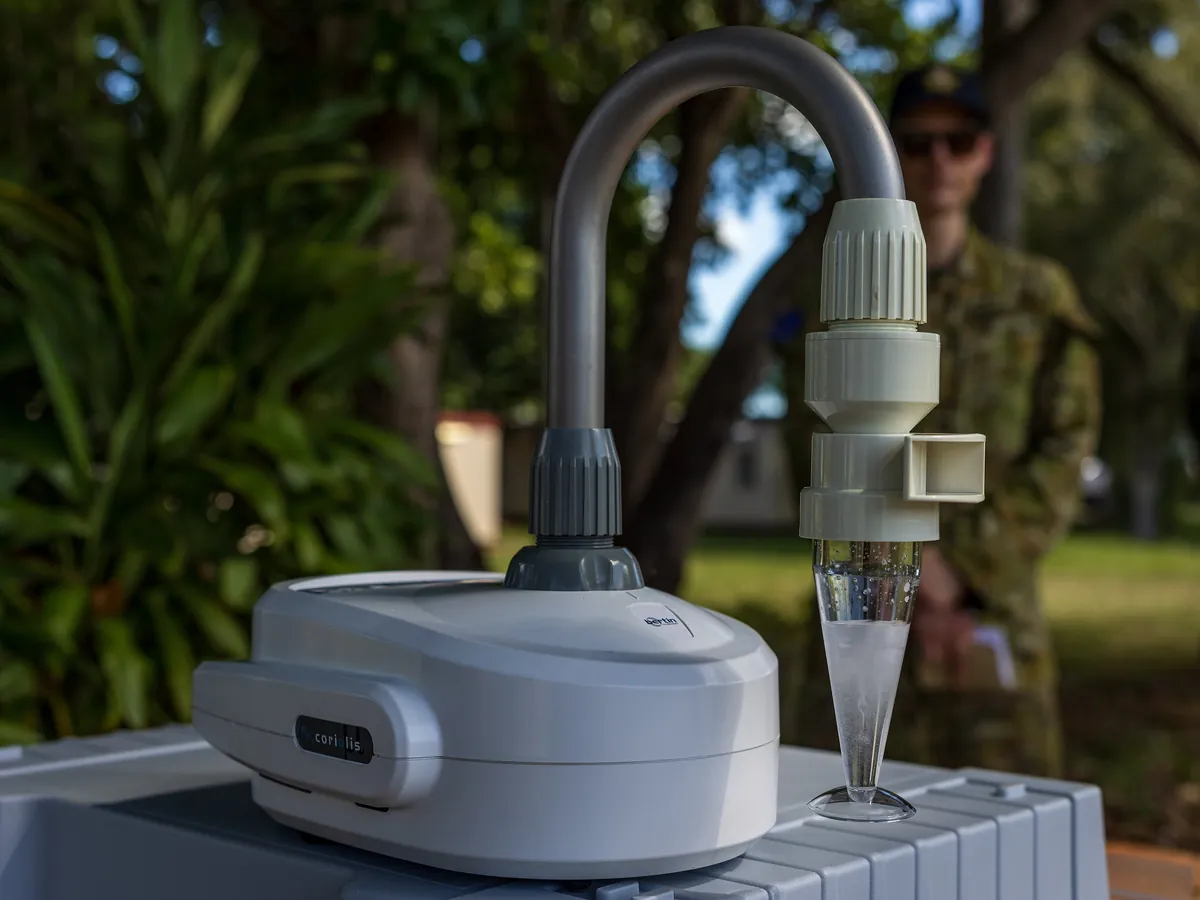
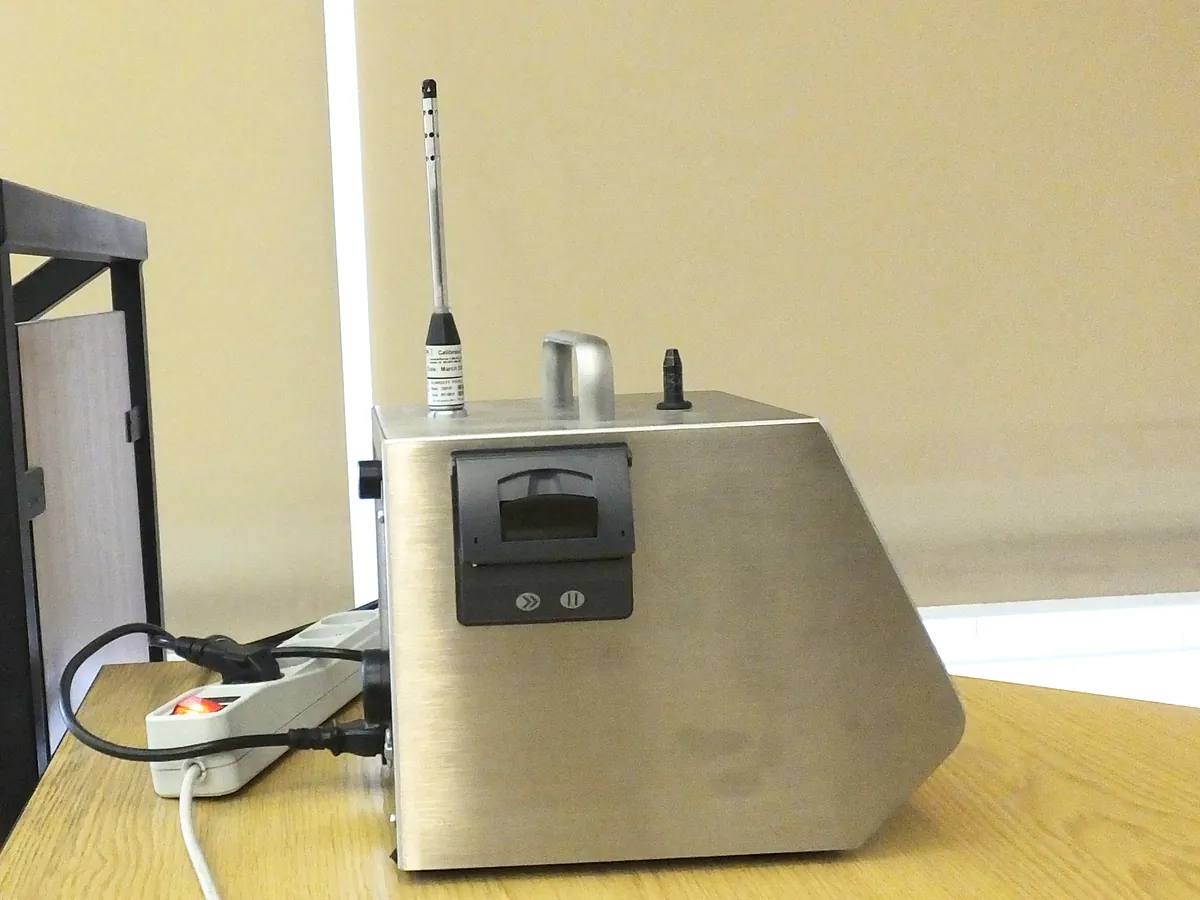
- Air sampler
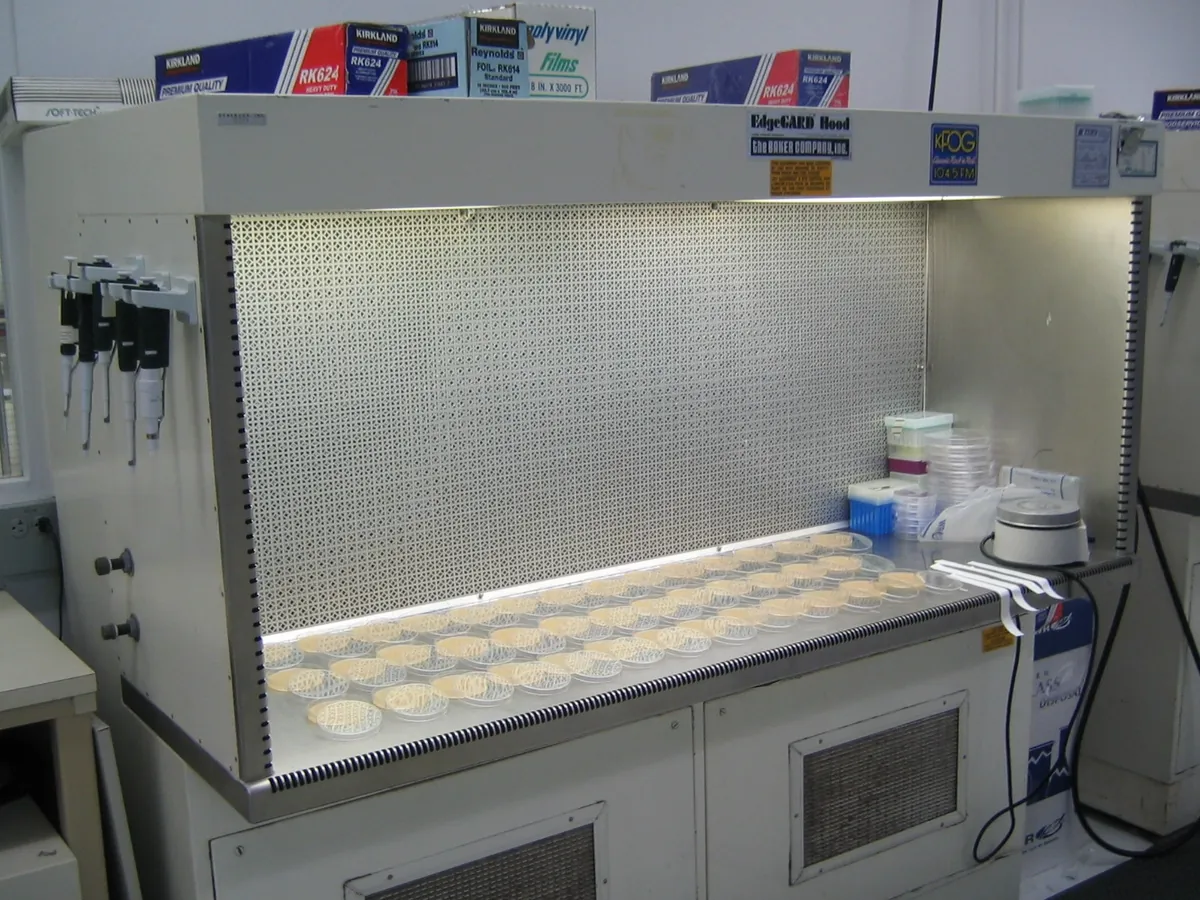
- LAF
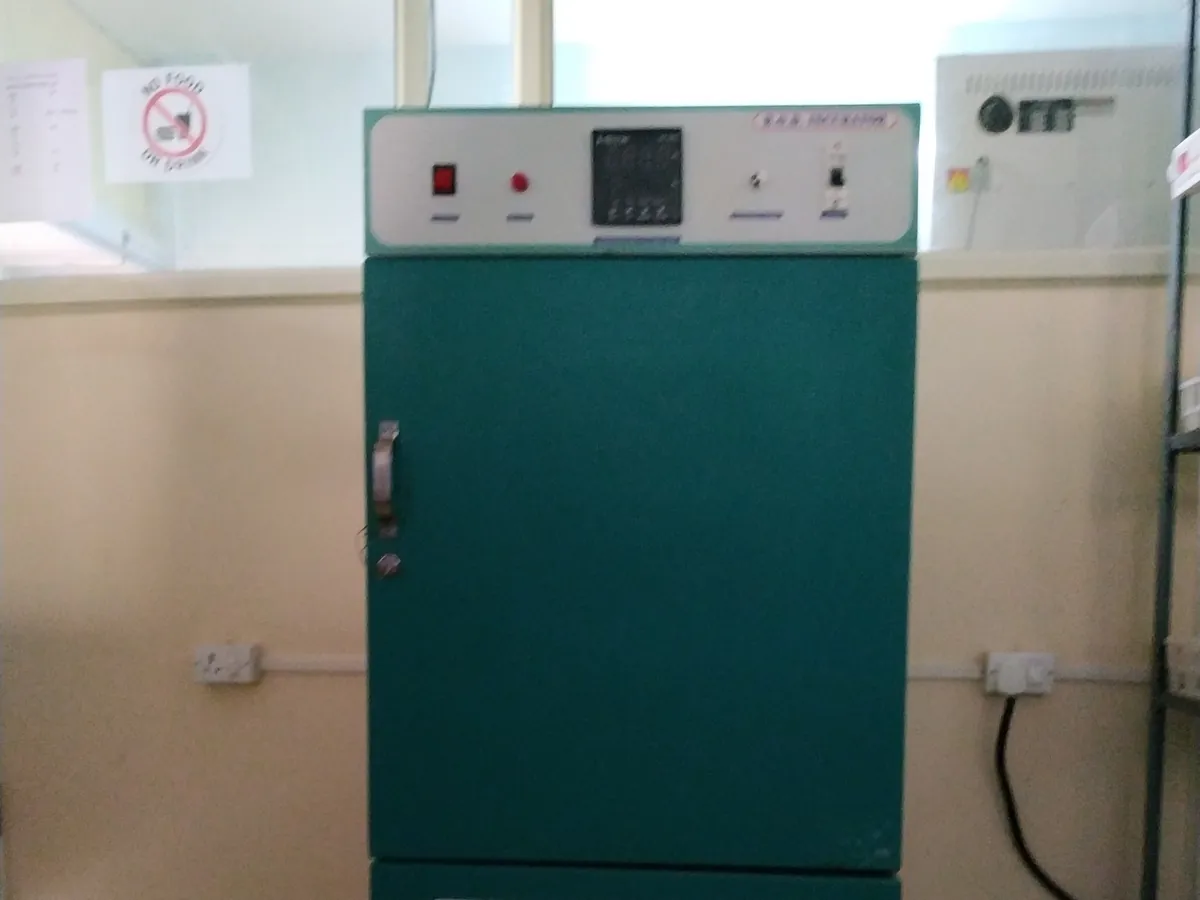
- Incubator
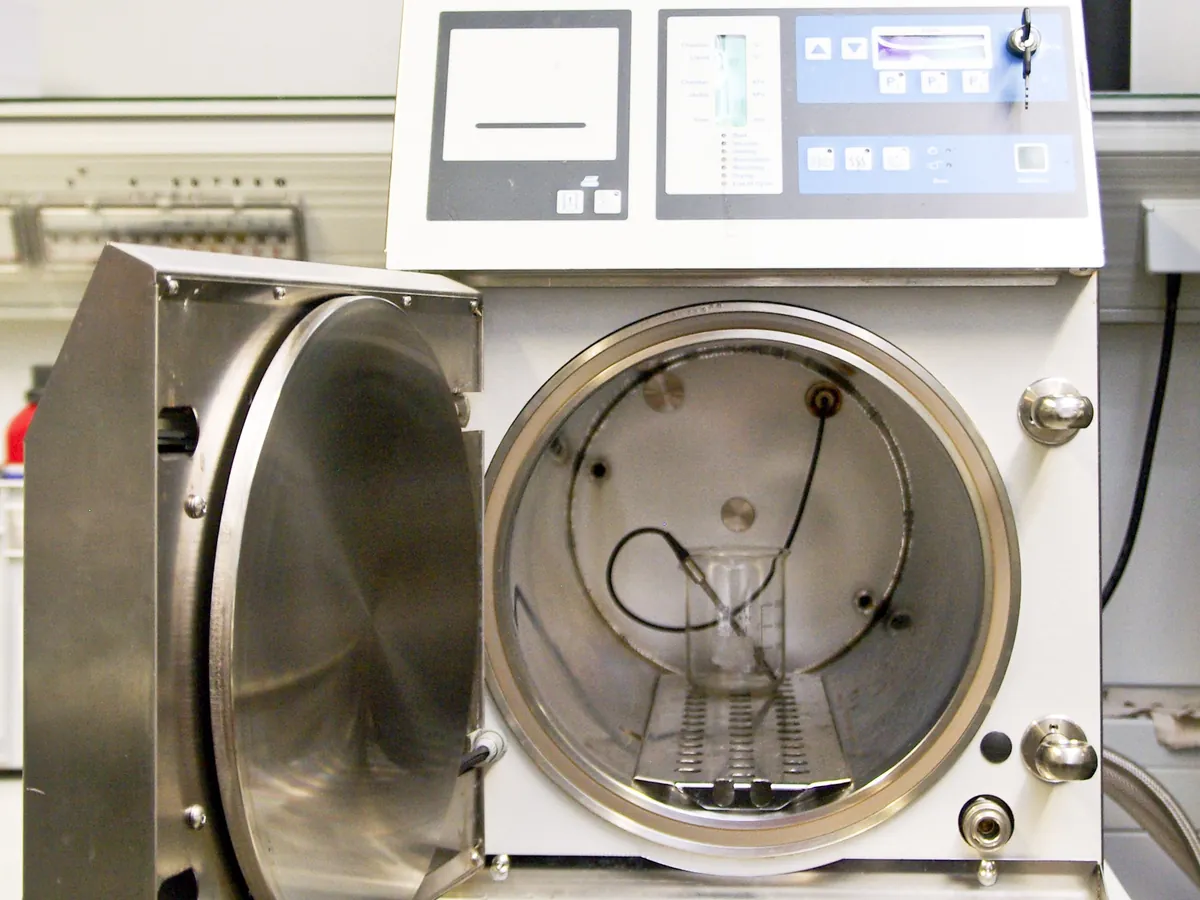
- Autoclave
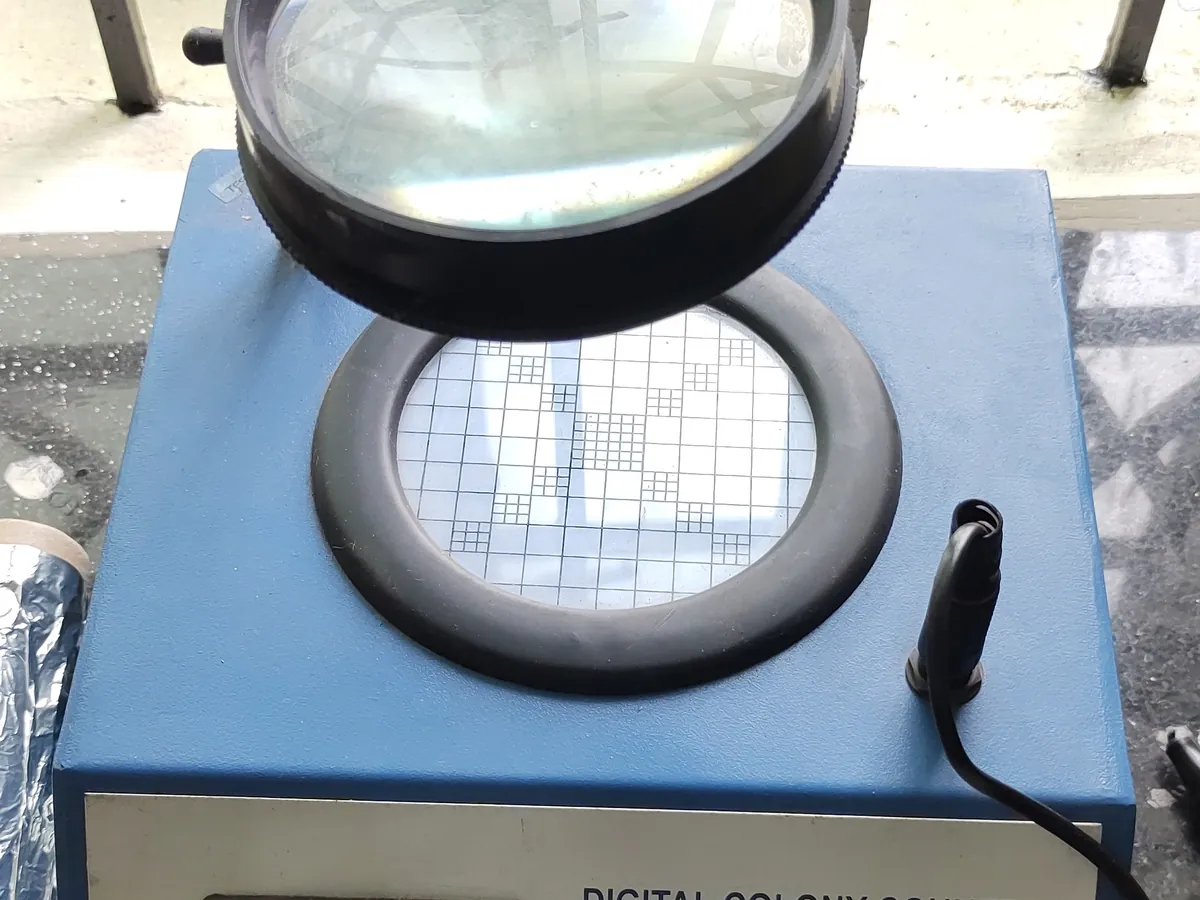
- Colony counter
- Particle counter
Reference: Typical approach based on EU GMP Annex 1 and USP <1116>. Always follow your approved EM programme and SOP.
Why this method works
Microorganisms in the air settle onto, or are drawn onto, the surface of a nutrient agar; those on surfaces are picked up by pressing an agar plate against them. After incubation, each viable organism or cluster grows into a colony and is counted as a colony-forming unit (cfu). Counts are compared with limits for the cleanroom grade, and trends over time show whether the area stays under control. Isolates from critical areas are identified to help find contamination sources.
Instruments used
Reagents & standards
| Reagent | Grade / specification |
|---|---|
| Soybean-Casein Digest Agar (SCDA / TSA) 90 mm plates | Settle plates and active air sampler plates (or strips) |
| SCDA contact plates (55 mm, about 25 cm²) | With neutralisers such as lecithin and polysorbate 80 to inactivate disinfectant residues |
| Sterile swabs and diluent | For irregular surfaces that contact plates cannot reach |
| Sterile 70% IPA and disinfectant | To clean surfaces after contact plate sampling |
Preparing the sample
- 01
Plan
Use the EM schedule: locations, method and frequency defined by risk assessment.
- 02
Prepare plates
Use growth-promotion-tested, pre-incubated plates, double-wrapped for clean areas.
- 03
Sample air
Expose settle plates (up to 4 h) and run the air sampler for the set volume.
- 04
Sample surfaces
Press contact plates for about 10 seconds; take glove prints after critical work.
- 05
Incubate
Incubate at the validated temperatures and times.
- 06
Count & trend
Count colonies, compare with limits, identify isolates and trend data.
Procedure
- 1Check that plates are within expiry, free from contamination and from a batch that passed growth promotion.
- 2Settle plates: label, place at the defined locations, remove the lid and expose for the defined time (not more than 4 hours per plate in Grade A/B, as Annex 1 expects); then replace the lid.
- 3Active air: sanitise the sampler head, fit a plate and sample the defined volume (commonly 1 m³ in Grade A, or as per SOP).
- 4Contact plates: press the agar surface flat onto the surface for about 10 seconds with even pressure, without twisting; then clean the area with 70% IPA to remove agar residue.
- 5Glove prints: press the fingertips of each gloved hand gently onto a plate after critical operations, then change or sanitise gloves.
- 6Transport plates to the lab and incubate. A common regime is 20–25 °C for 3–5 days followed by 30–35 °C for 2–3 days, or another validated regime.
- 7Count colonies, record results as cfu per plate, per 4 hours or per m³, and identify isolates as per the SOP.
Standard preparation
- 1Include an unexposed plate from the same batch as a negative control.
- 2Growth promotion of each media batch with relevant organisms, including typical environmental isolates where possible.
Notes for analysts
- EM shows the state of control of the environment; a single result does not prove an area is sterile or contaminated.
- Sample contact surfaces after the activity and before cleaning, so the plates reflect the operation.
- Sampling must not compromise the product or the critical zone.
- Identify isolates from Grade A and B areas to at least genus level, and trend them to detect new or recurring organisms.
Method parameters (typical)
| Settle plate | 90 mm SCDA, exposed up to 4 hours |
|---|---|
| Contact plate | 55 mm SCDA with neutralisers, about 25 cm², 10 seconds contact |
| Active air volume | Commonly 1 m³ per sample in Grade A; as per SOP in other grades |
| Incubation | Typically 20–25 °C for 3–5 days then 30–35 °C for 2–3 days, or as validated |
| Grade A action limits (Annex 1) | No growth: air, settle plate, contact plate and glove print |
| Grade B action limits (Annex 1) | Air 10 cfu/m³; settle plate 5 cfu/4 h; contact plate 5 cfu/plate; glove print 5 cfu/glove |
| Grade C action limits (Annex 1) | Air 100 cfu/m³; settle plate 50 cfu/4 h; contact plate 25 cfu/plate |
| Grade D action limits (Annex 1) | Air 200 cfu/m³; settle plate 100 cfu/4 h; contact plate 50 cfu/plate |
System suitability & sequence
| Parameter | Limit |
|---|---|
| Negative control plate | No growth |
| Media batch | Passed growth promotion; plates pre-incubated and free from contamination |
| Air sampler | Within calibration for air flow rate |
Typical sequence
- 1Negative control plate
- 2Settle plates at defined locations (exposed during the activity)
- 3Active air samples at defined locations
- 4Contact plates of surfaces after the activity, before cleaning
- 5Glove prints and gown plates of personnel
Calculation with a worked example
Where
- Colonies counted
- Number of colonies on the air sampler plate after incubation
- Volume sampled
- Air volume drawn through the sampler, in m³ (1 m³ = 1000 L)
Given
- Area
- Grade C preparation room
- Volume sampled
- 500 L (0.5 m³)
- Colonies counted
- 2 cfu
- Action limit (Grade C)
- 100 cfu/m³
Working
- Volume = 500 ÷ 1000 = 0.5 m³
- Air count = 2 ÷ 0.5 = 4 cfu/m³
4 cfu/m³, well below the Grade C action limit of 100 cfu/m³ and below a typical site alert limit.
What result passes
- Counts not more than the action limits for the grade (typical EU GMP Annex 1 values shown under parameters). In Grade A any growth should be investigated.
- Alert limits are set by each site from historical data (often lower than action limits) to give early warning of an adverse trend.
- Results above alert or action limits, and adverse trends, are recorded and investigated as per the EM SOP.
Validation parameters (ICH Q2(R2))
| Parameter | Typical requirement |
|---|---|
| Media | Growth promotion including environmental isolates; neutraliser efficacy against disinfectants used |
| Incubation regime | Shown to recover bacteria and fungi |
| Air sampler | Physical and biological collection efficiency per ISO 14698 / supplier data |
| Sampling locations | Selected by documented risk assessment and reviewed periodically |
Run this method in LimsPulse: specifications and STPs under version control, results calculated and checked against limits, and a signed Certificate of Analysis.