Thermometer & Temperature Data Logger
Measures temperature (thermometer) or records it over time (data logger). Used to check water baths, ovens, incubators, fridges, stability chambers and sample temperatures, and to map storage areas.
- Pharmaceutical
- Food
- Logistics
- Clinical labs
- Biotech
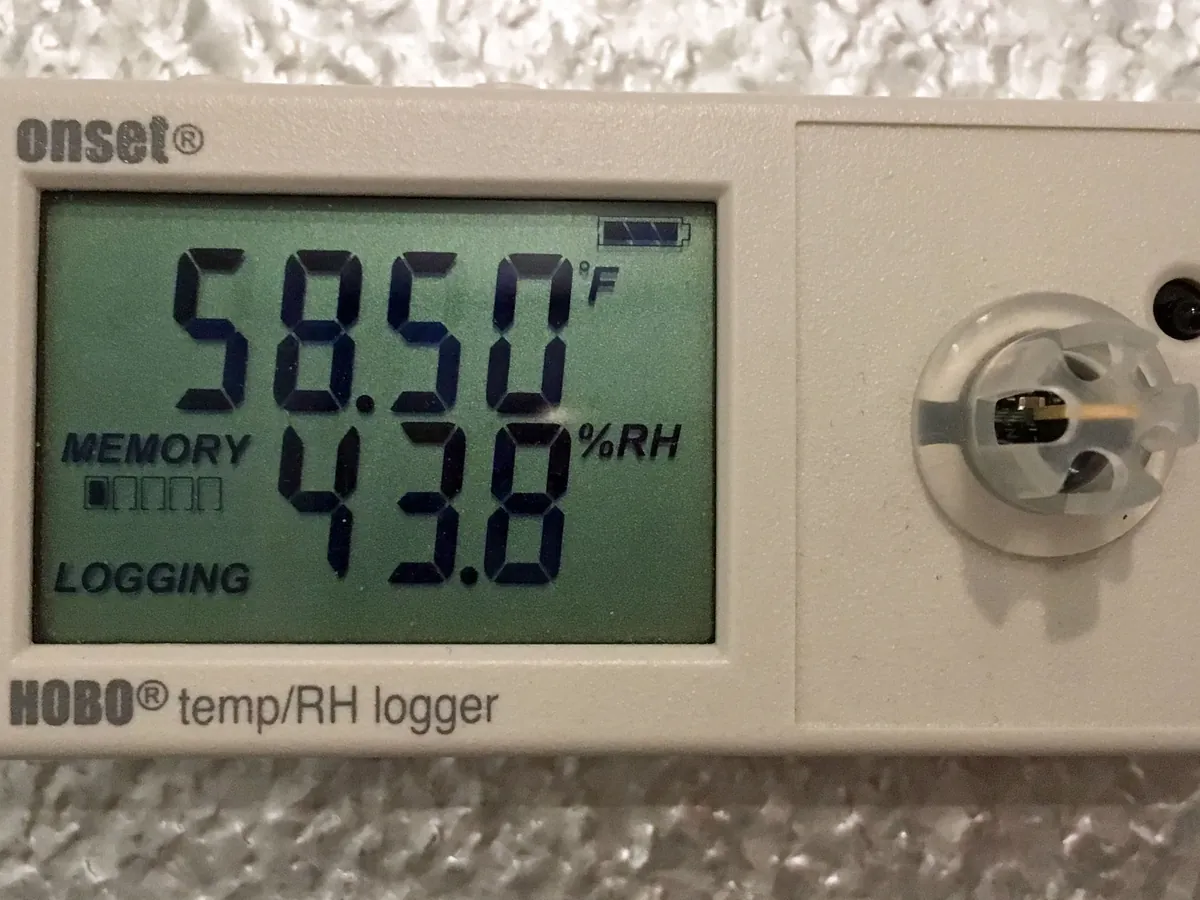
What is Thermometer / logger?
Temperature affects almost every QC result, from volumetric measurements and pH to dissolution and microbial growth. Thermometers give a spot reading; data loggers record temperature at set intervals and store it for later review, which is essential for storage areas, transport and mapping studies.
Modern labs mainly use electronic sensors: platinum resistance thermometers (PRTs or RTDs), thermistors and thermocouples. Liquid-in-glass thermometers are still found, but mercury types are being phased out for safety reasons.
Every temperature measurement used for a GMP decision must be traceable. Working thermometers and loggers are checked against a calibrated reference thermometer at points that cover their range of use.
Used for
- Checking water bath, incubator, oven and fridge temperatures
- Temperature mapping of stability chambers, warehouses and cold rooms
- Monitoring transport conditions (shipping loggers)
- Measuring sample and water temperature for volumetric checks and conductivity
- Recording temperature during dissolution and disintegration tests
How it works
- 01
Sensing
The sensor reaches the temperature of its surroundings.
- 02
Signal
Resistance, voltage or expansion changes with temperature.
- 03
Conversion
Electronics convert the signal to temperature.
- 04
Recording
A logger stores readings at the set interval.
- 05
Review
Data are downloaded, reviewed and compared with limits.
Advantages
- Data loggers give a continuous, time-stamped record
- Electronic sensors are accurate and easy to read
- Many loggers have alarms and download software with audit trail
- Small and portable for mapping and shipping
Limitations
- Readings are only as good as the last calibration
- Sensor placement affects results (near doors, fans or walls)
- Batteries and memory can fail and lose data
- Response time varies; a probe in air reacts more slowly than in liquid
1 calibration procedure
Keep every Thermometer / logger in control: usage logs, calibration and maintenance schedules, and automatic blocking of overdue instruments.