Blend uniformity
Checks that the active ingredient is evenly mixed through a powder blend before compression or encapsulation, by sampling the blender at about 10 locations and assaying each sample.
- Thief sampling + HPLC / UV
- HPLC
- UV-Vis
- Analytical balance
- Sonicator
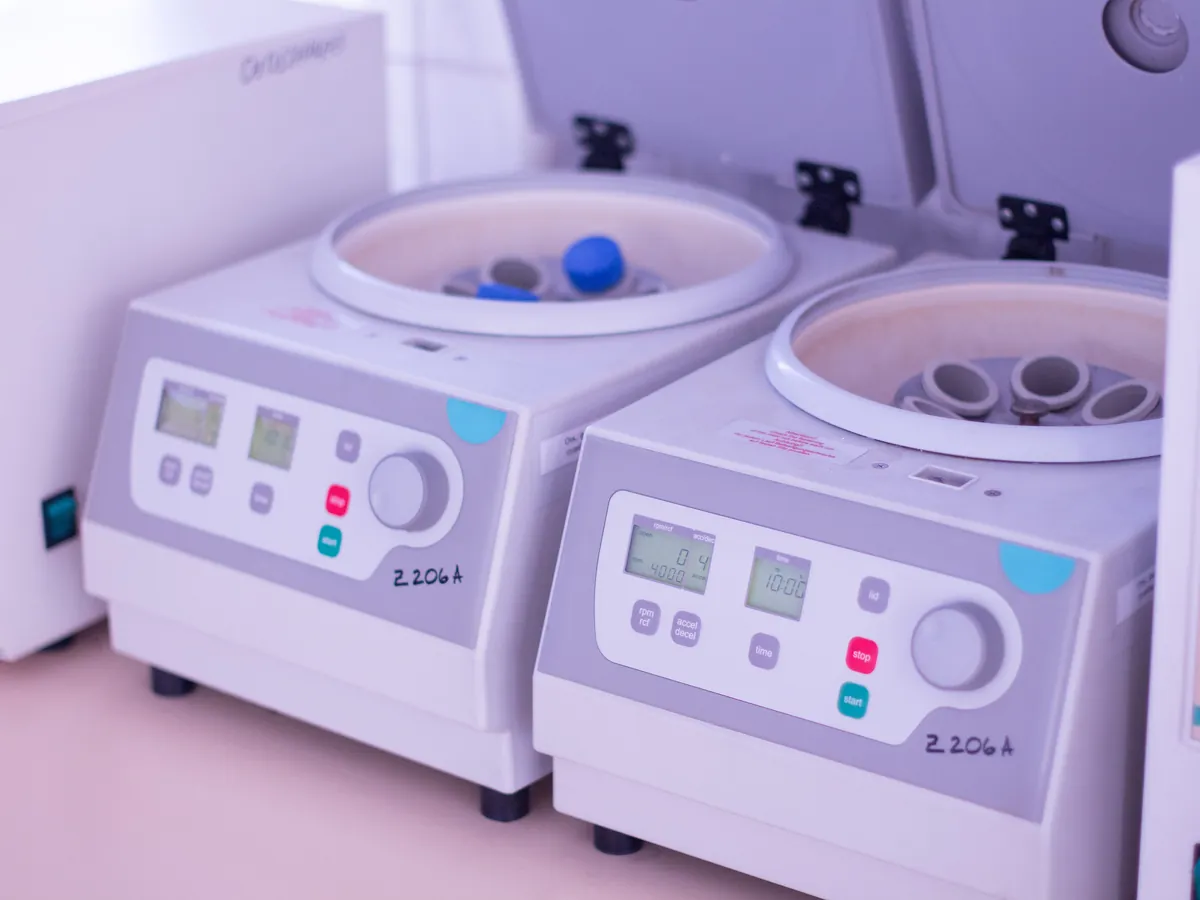
- Centrifuge
Reference: Typical in-process test; criteria are defined in your process validation protocol and SOP.
Why this method works
A sampling thief is pushed into the blend at defined locations and depths to remove small samples, usually 1 to 3 times the weight of one dosage unit. Each sample is assayed. The mean shows whether the right amount of drug is present, and the relative standard deviation (%RSD) shows how evenly it is distributed. A low RSD means a uniform blend.
Instruments used
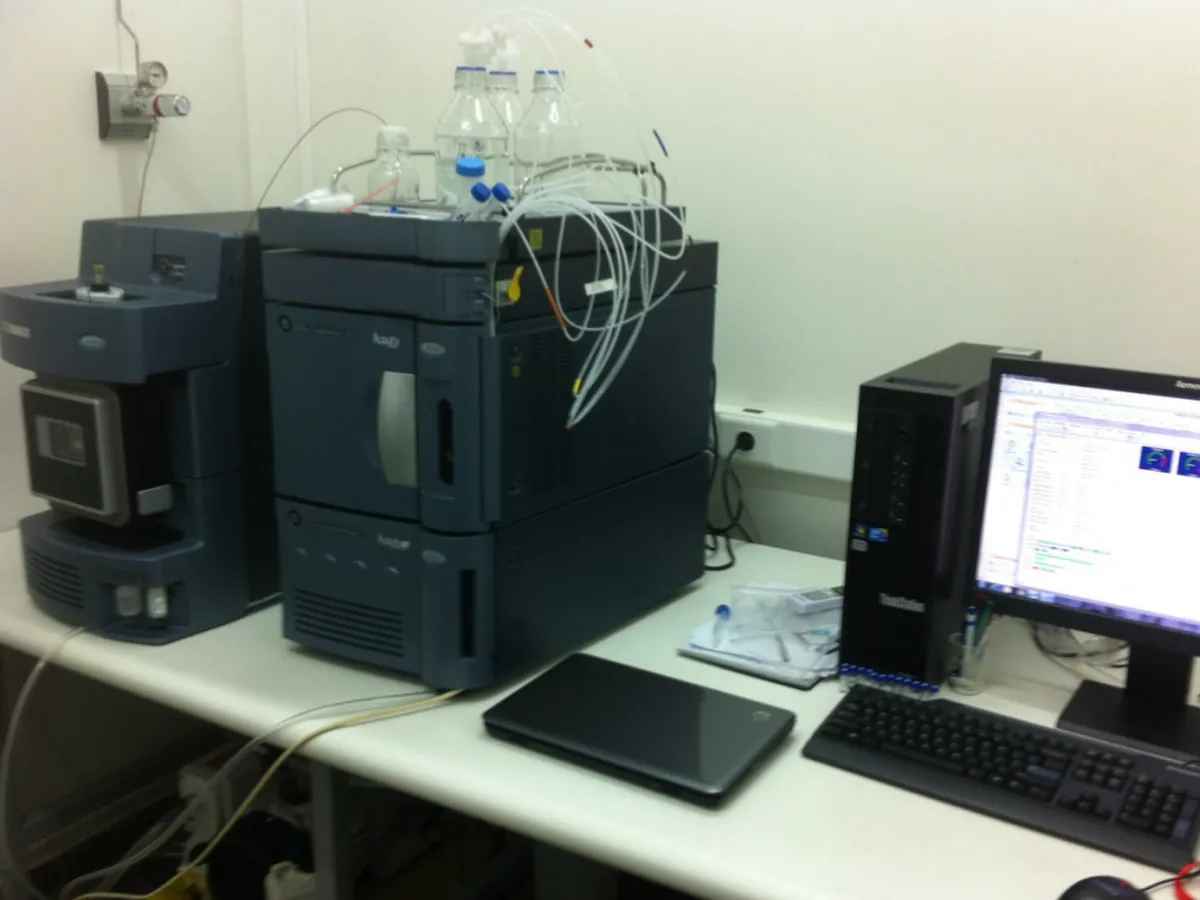
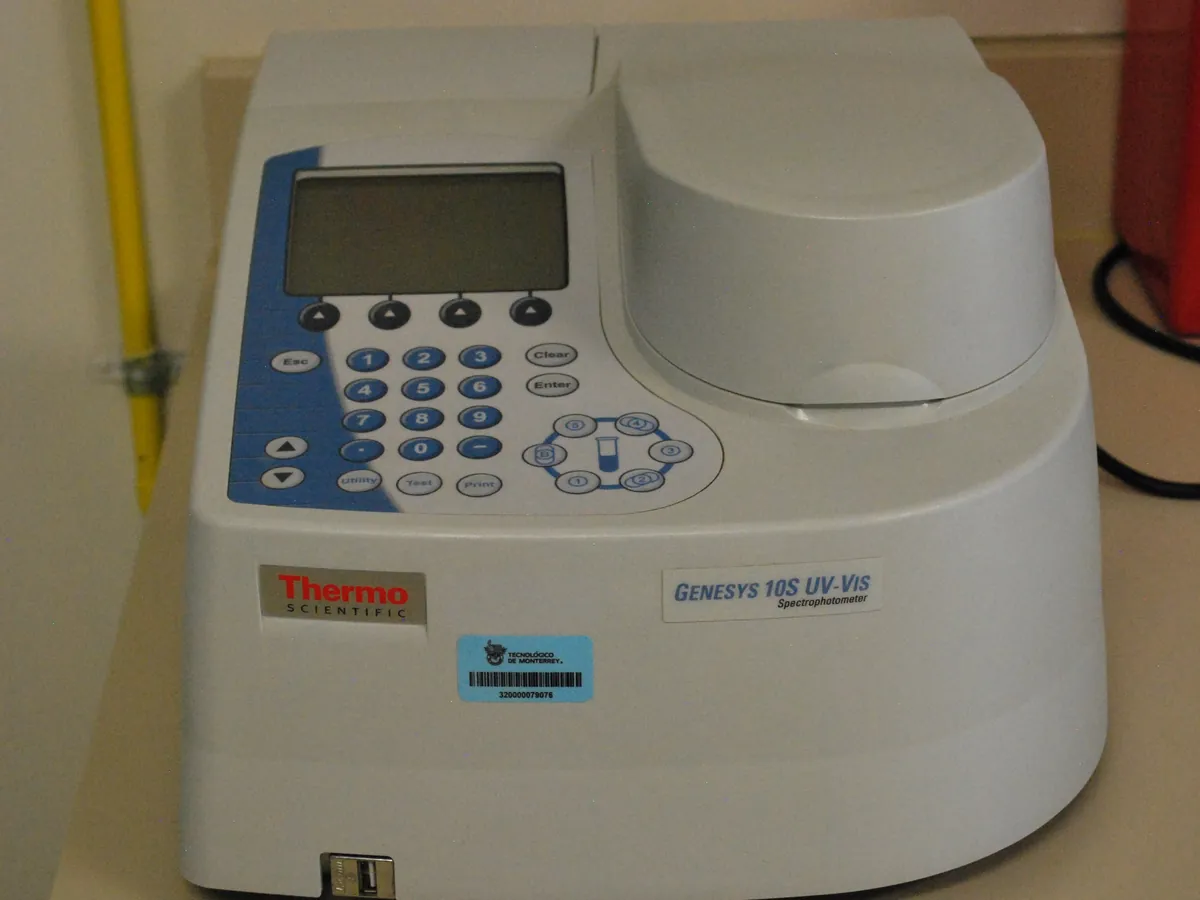
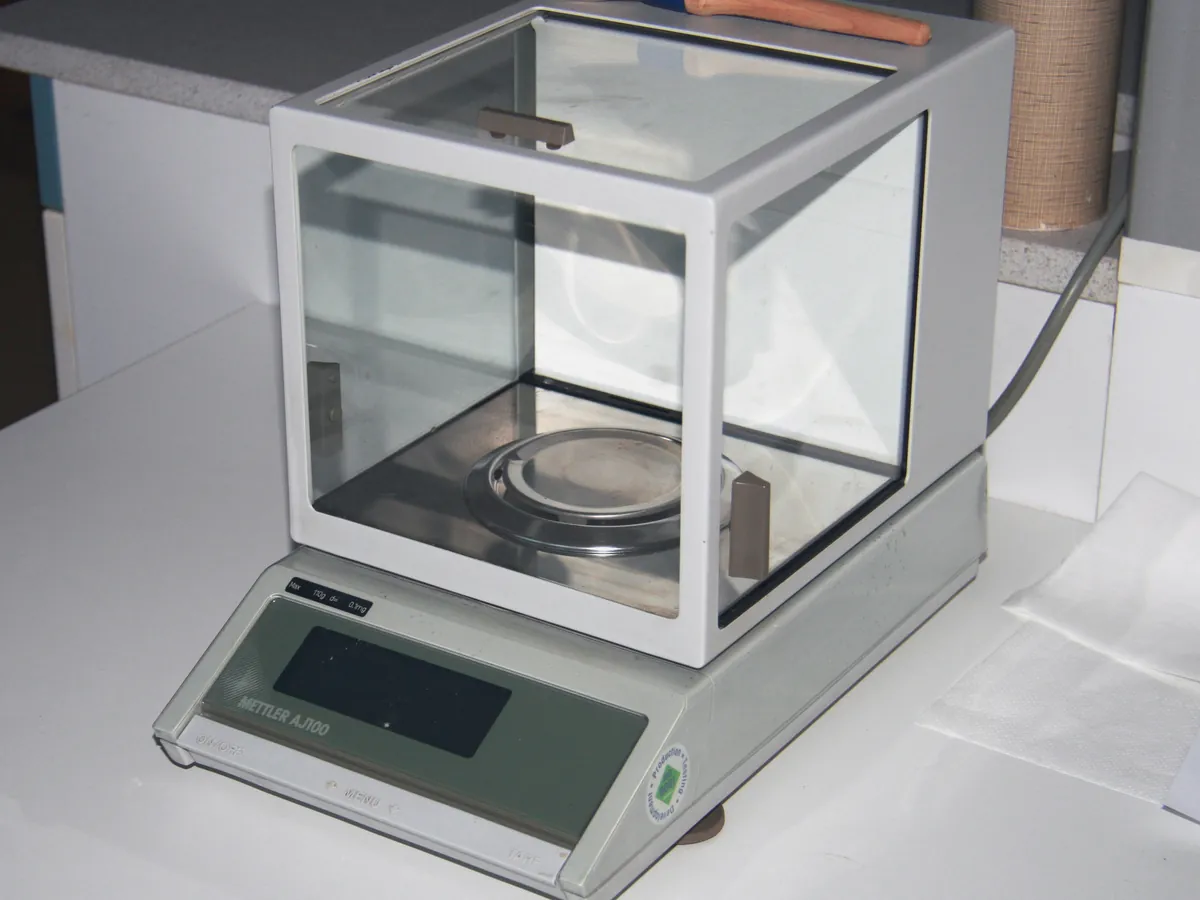
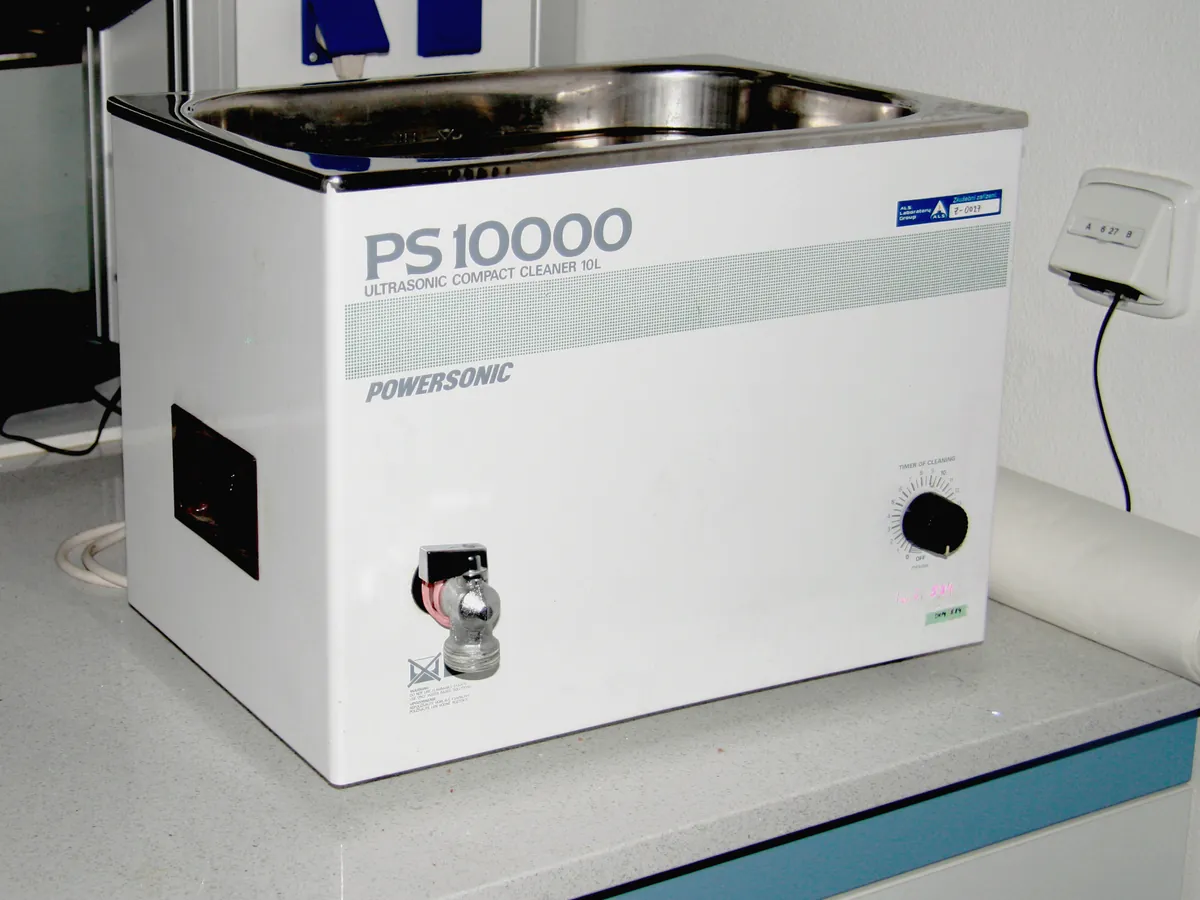
Reagents & standards
| Reagent | Grade / specification |
|---|---|
| Reference standard | Of the active ingredient, certified purity |
| Diluent and mobile phase | As in the product's assay method |
Preparing the sample
- 01
Plan locations
Use the protocol diagram: about 10 locations covering top, middle, bottom and dead spots.
- 02
Thief sample
Insert the thief, open, close and withdraw a unit-dose-sized sample.
- 03
Transfer
Empty each sample into a labelled container, noting location.
- 04
Weigh & extract
Weigh the whole sample (or a portion) and dissolve in diluent with sonication.
- 05
Analyse
Filter or centrifuge, dilute and assay against the standard.
Procedure
- 1At the end of blending, sample at the locations in the approved sampling plan, commonly 10 locations in the blender (or from the bin), including likely poor-mixing spots.
- 2Take each sample with a clean sampling thief, sized to about 1 to 3 times the weight of one dosage unit. Take replicate samples per location if the protocol asks.
- 3Transfer each sample quantitatively to a labelled volumetric flask, accurately weighing it.
- 4Add diluent, sonicate to dissolve the drug, cool, make up to volume and filter or centrifuge.
- 5Dilute to the working concentration and assay each sample by the validated method.
- 6Express each result as % of the theoretical (target) amount of drug in the blend.
Standard preparation
- 1Prepare the reference standard at the working concentration using the same diluent.
Notes for analysts
- The chromatogram shown is illustrative only.
- Thief sampling can disturb the blend and segregate particles, so a high result at one location may be a sampling error. Investigate before concluding the blend is not uniform.
- Many companies support blend uniformity with stratified sampling of dosage units during compression; see your process validation approach.
- Use the percent-RSD calculator to check the statistics.
Method parameters (typical)
| Number of locations | Commonly 10 (as per protocol) |
|---|---|
| Sample size | Typically 1–3 times the dosage unit weight |
| Sampler | Sampling thief (e.g. side-chamber or end-sampling type) |
| Result | Each sample as % of theoretical; report mean, minimum, maximum and %RSD |
System suitability & sequence
| Parameter | Limit |
|---|---|
| %RSD of replicate standard injections | Typically not more than 2.0% (as in the assay method) |
Typical sequence
- 1Blank × 1
- 2Standard × 5 (system suitability)
- 3Location samples 1–10
- 4Bracketing standard × 1
Calculation with a worked example
Where
- x
- Result of each location sample (% of theoretical)
- X̄
- Mean of all location results
- s
- Sample standard deviation
- n
- Number of results (10)
Given
- Results (% of theoretical)
- 99.2, 101.5, 98.7, 100.8, 102.1, 97.9, 100.3, 99.6, 101.0, 98.4
Working
- Sum = 999.5, so X̄ = 999.5 ÷ 10 = 99.95%
- Deviations from the mean: −0.75, +1.55, −1.25, +0.85, +2.15, −2.05, +0.35, −0.35, +1.05, −1.55
- Sum of squared deviations = 17.825
- s = √(17.825 ÷ 9) = √1.9806 = 1.407%
- %RSD = 1.407 ÷ 99.95 × 100 = 1.41%
- Range of individual results = 97.9% to 102.1%
Mean 99.95%, %RSD 1.41%: within typical criteria of mean 90.0–110.0% and RSD ≤ 5.0%.
Try it with your numbersWhat result passes
- Typical criteria: mean 90.0–110.0% of theoretical and %RSD not more than 5.0%. Use the criteria in your approved protocol or SOP.
- Some protocols also set limits on individual results (e.g. each within 75.0–125.0%) or use tighter limits; follow your protocol.
Validation parameters (ICH Q2(R2))
| Parameter | Typical requirement |
|---|---|
| Method | Validated assay method suitable for unit-dose-sized samples |
| Sampling | Sampling technique and thief shown not to bias results (sampling error can look like poor mixing) |
Run this method in LimsPulse: specifications and STPs under version control, results calculated and checked against limits, and a signed Certificate of Analysis.