Stability-Indicating Assay by HPLC
An assay method that is proven to measure the active ingredient accurately even when degradation products are present. It is demonstrated by forced degradation (acid, base, oxidation, heat, light), peak purity and mass balance, and then used to test stability samples.
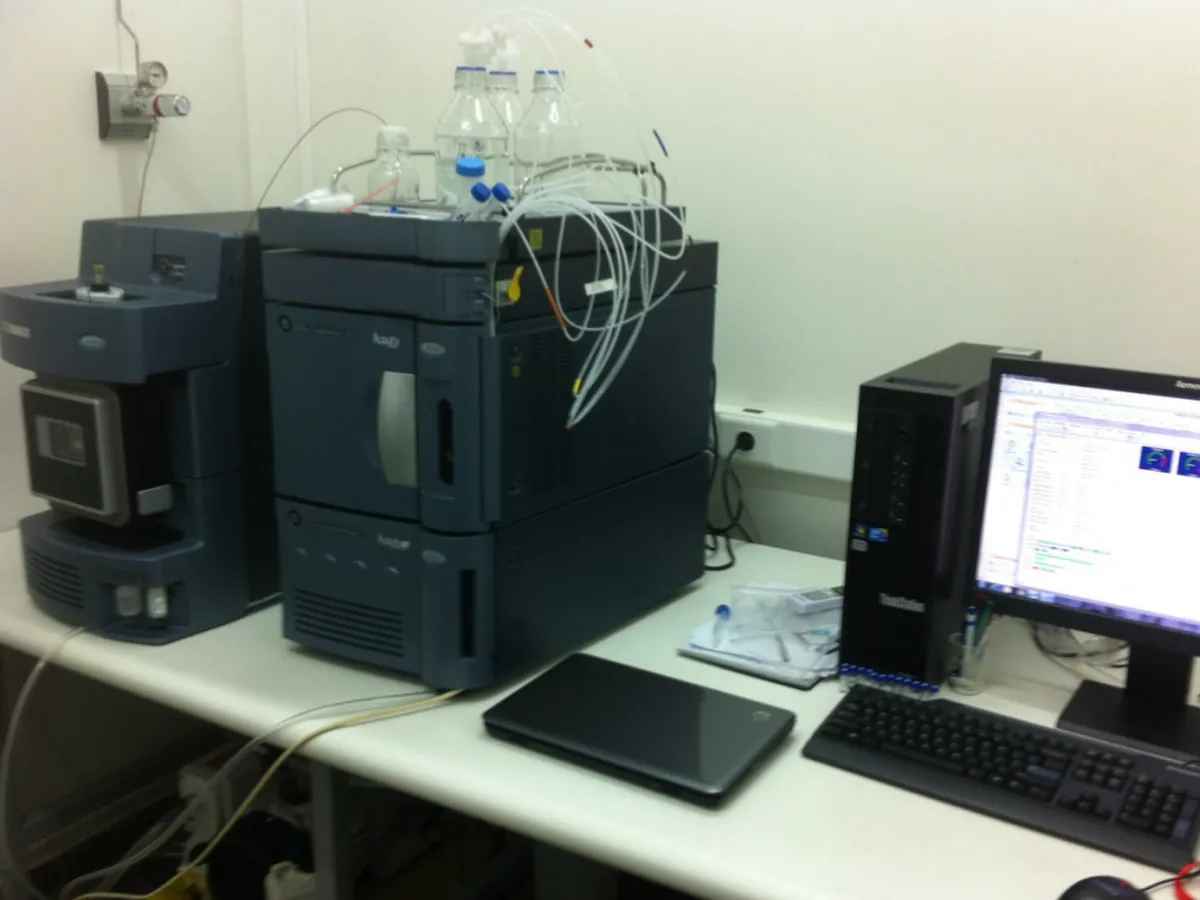
- HPLC (reversed phase, gradient, PDA detection)
- HPLC
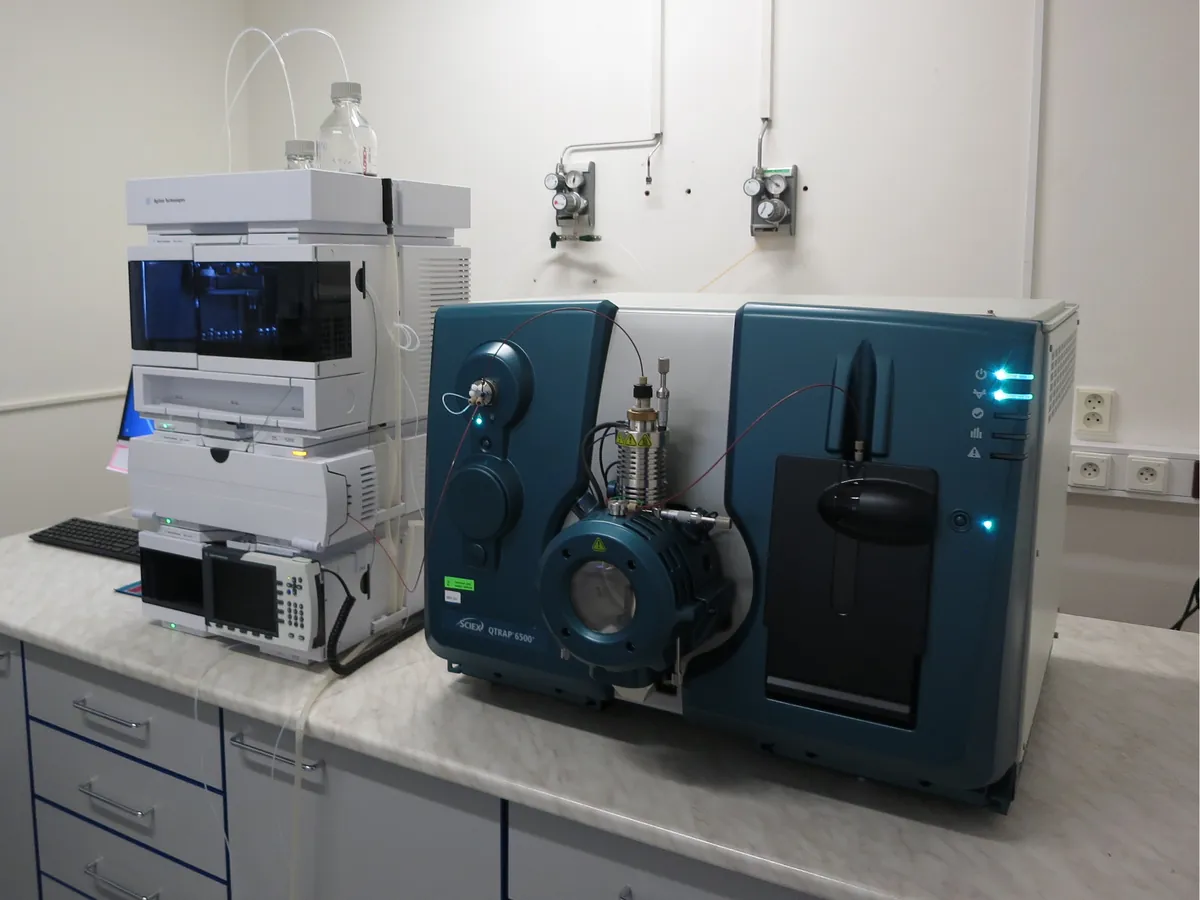
- LC-MS
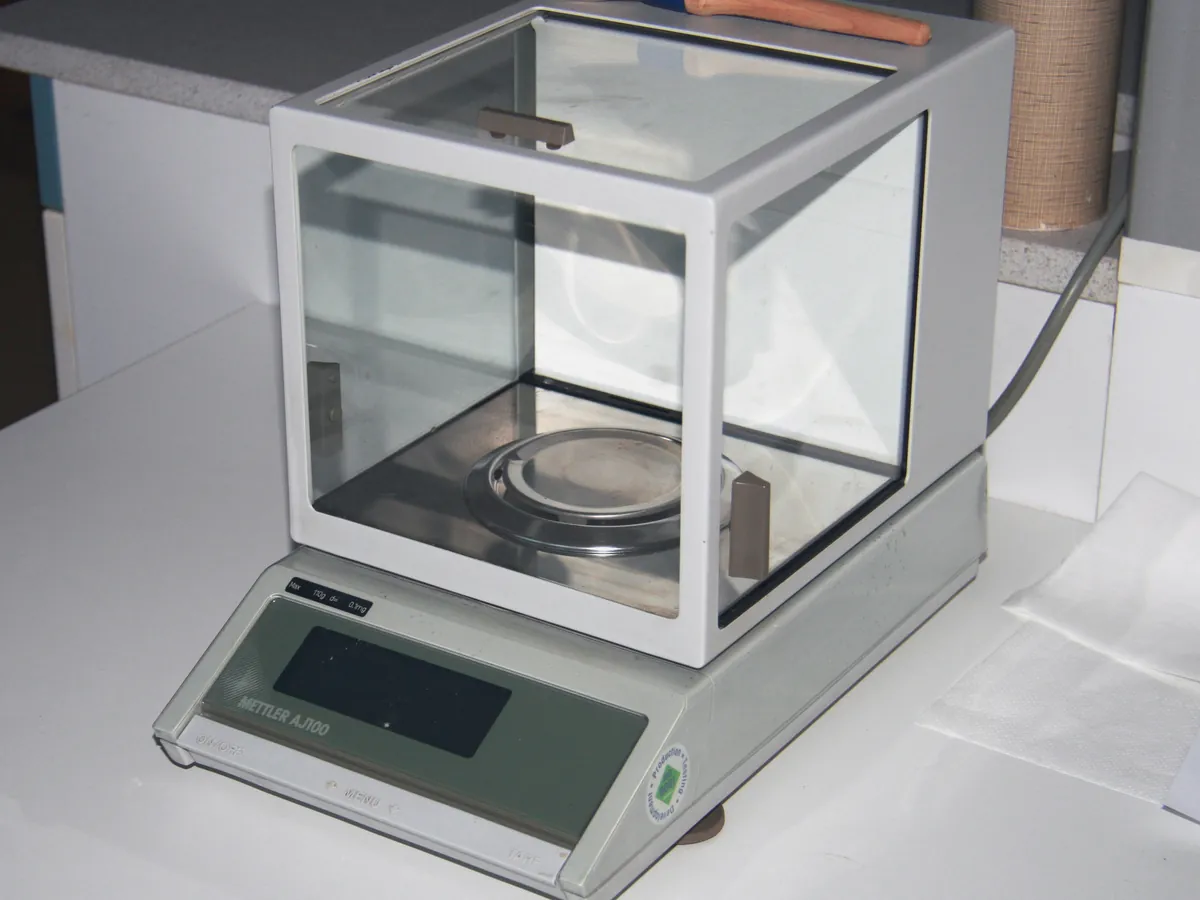
- Analytical balance
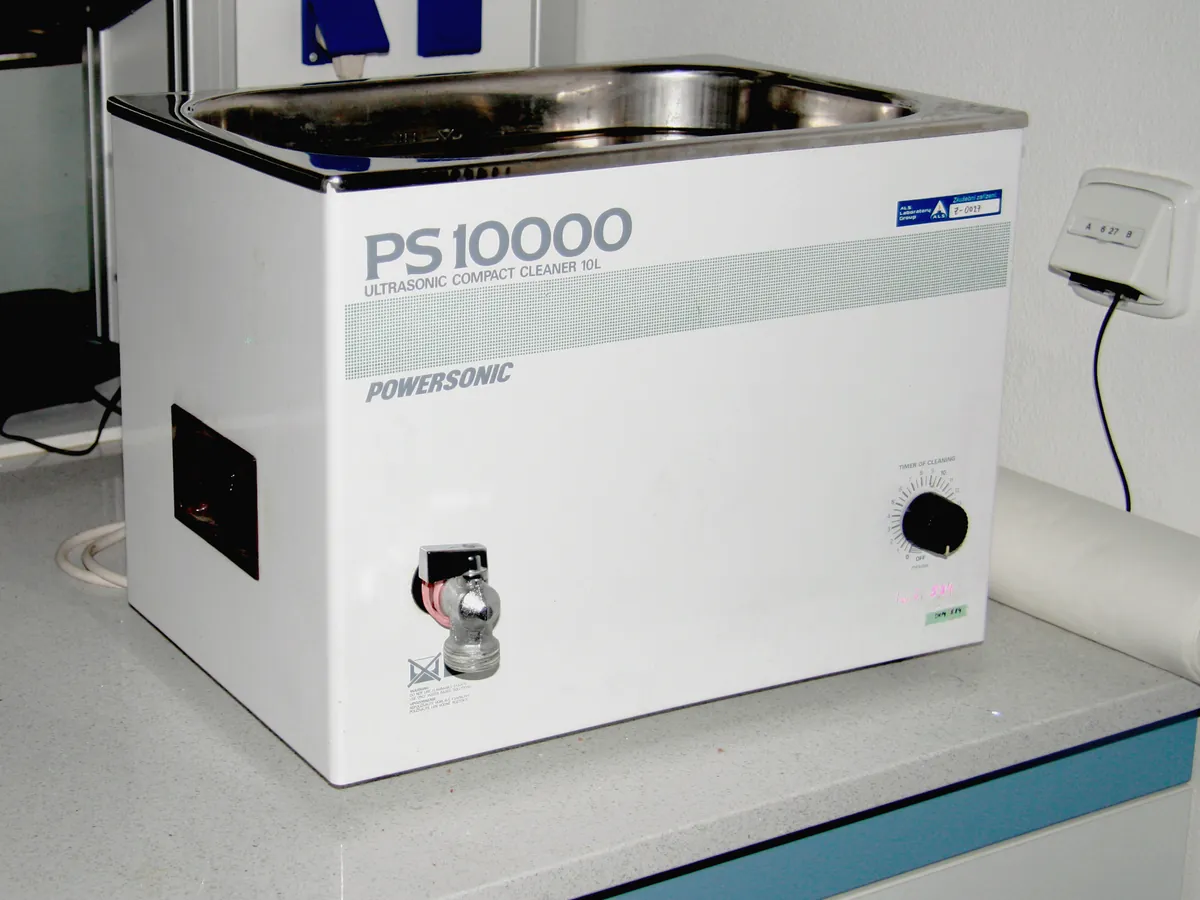
- Sonicator
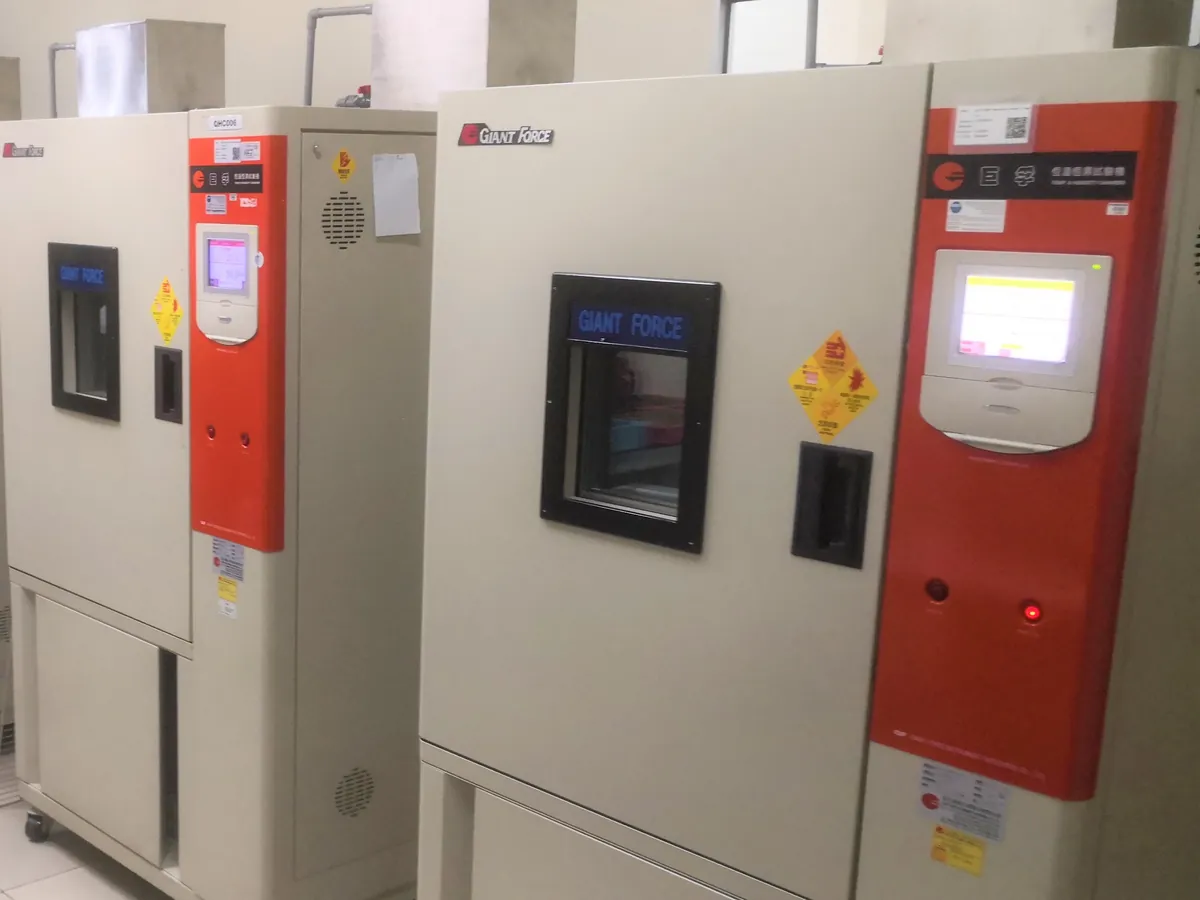
- Stability chamber
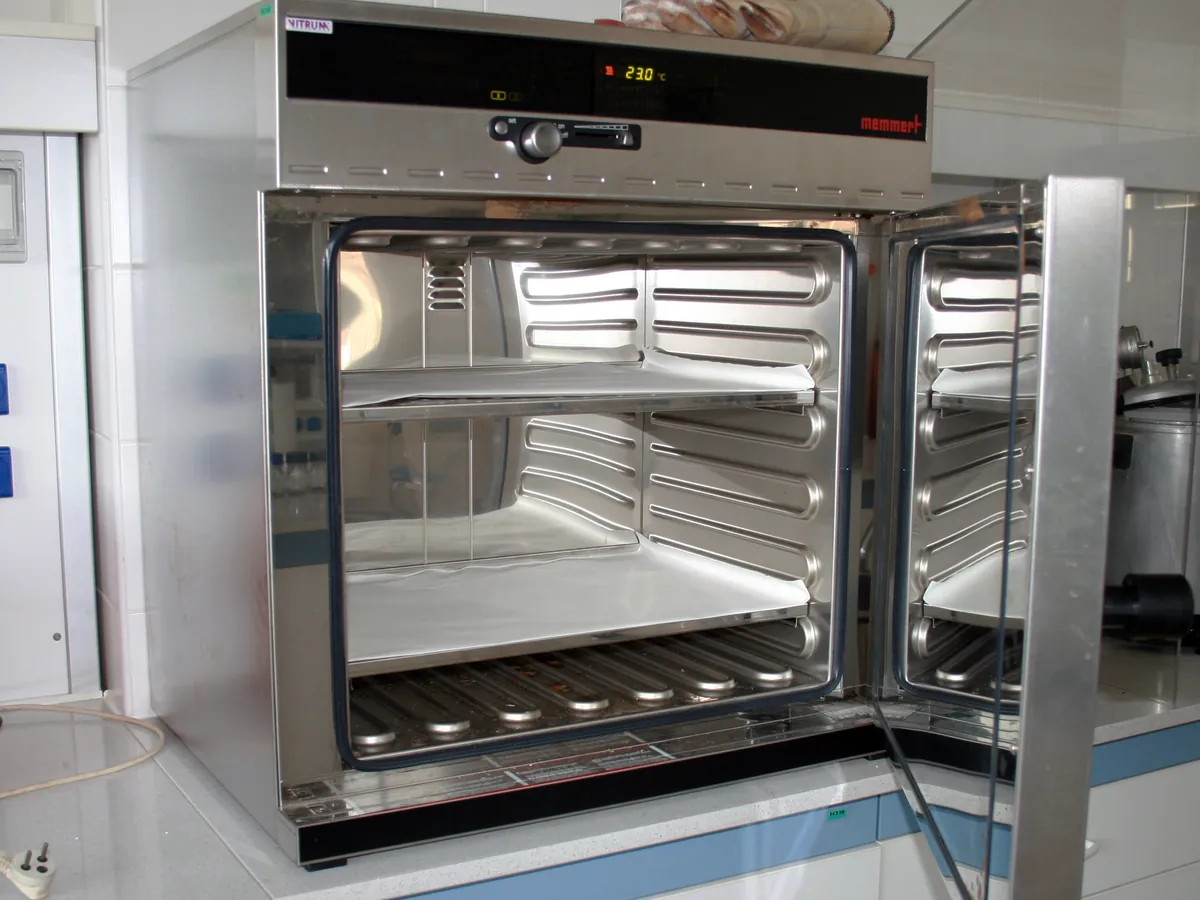
- Hot air oven
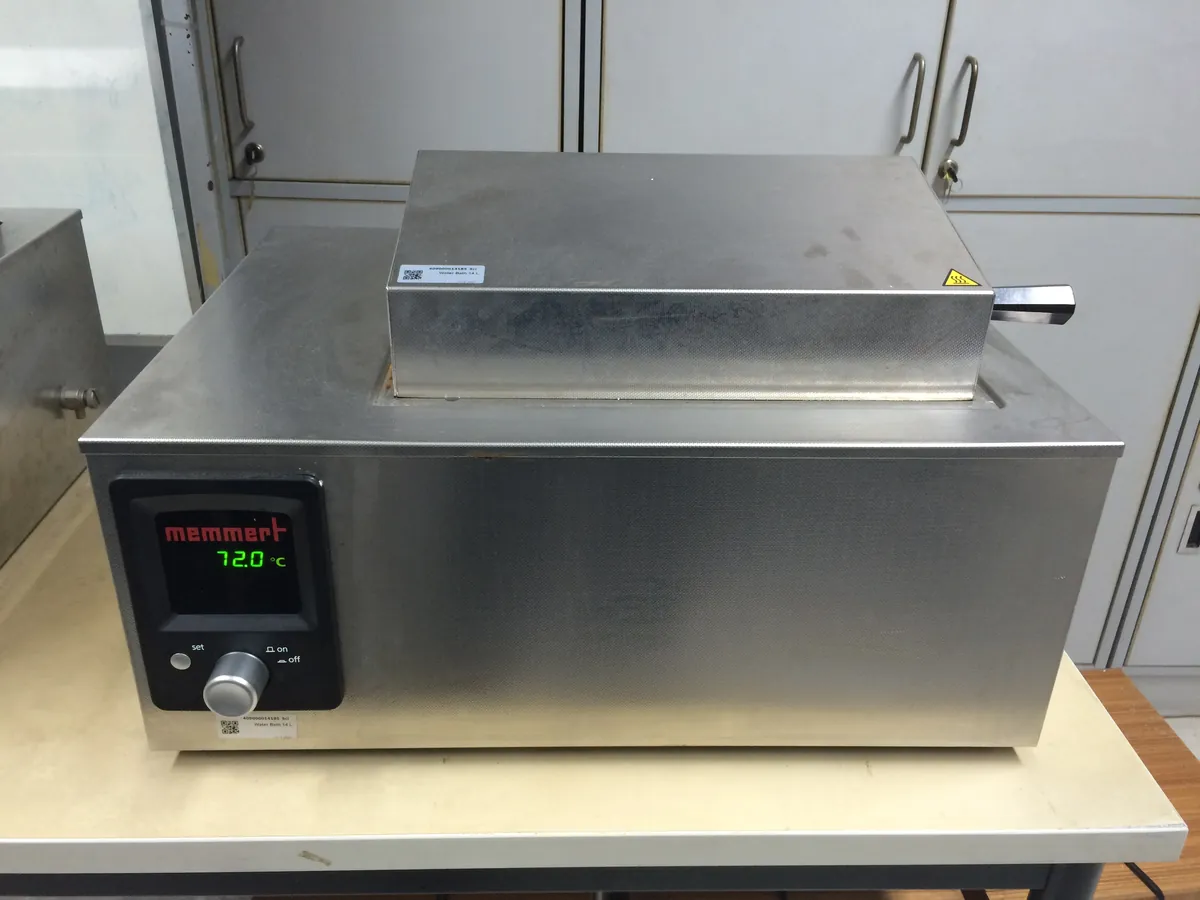
- Water bath
Reference: Typical approach based on ICH Q1A(R2), Q1B and Q2(R2). Stress conditions and limits must be set in your approved protocol and STP.
Why this method works
Ordinary assay methods may let a degradation product co-elute with the drug, so the result stays high while the product is actually degrading. A stability-indicating method is developed and validated by deliberately degrading the drug and product under harsh conditions. The method must separate every significant degradant from the drug peak; a photodiode-array (PDA) detector checks the drug peak is spectrally pure, and the sum of remaining drug and formed degradants (mass balance) should account for the starting amount. Once validated, the method quantifies the drug in stability samples against an external reference standard.
Instruments used
Reagents & standards
| Reagent | Grade / specification |
|---|---|
| Paracetamol reference standard | Certified purity |
| Degradant reference standards | e.g. 4-aminophenol, for identification and response factors |
| Stress reagents | Hydrochloric acid and sodium hydroxide (e.g. 0.1–1 M), hydrogen peroxide (e.g. 3%) |
| Methanol / acetonitrile | HPLC grade |
| Buffer salts | AR grade, as per the method |
| Water | HPLC grade |
Preparing the sample
- 01
Stress
Expose drug, product and placebo to acid, base, oxidation, heat and light.
- 02
Quench
Neutralise acid / base samples and stop the reaction at the set time.
- 03
Dilute
Dilute to the assay concentration (about 50 µg/mL) with diluent.
- 04
Inject with controls
Inject alongside unstressed sample, stressed placebo and blank.
- 05
Evaluate
Check resolution, peak purity, assay and mass balance.
Procedure
- 1Forced degradation (validation): prepare paracetamol API, tablet powder and placebo at the assay concentration and stress them in parallel, aiming for roughly 5–20% degradation of the drug.
- 2Acid hydrolysis: e.g. 0.1–1 M HCl at 60–80 °C for a few hours; neutralise with an equal amount of NaOH.
- 3Base hydrolysis: e.g. 0.1 M NaOH at room temperature to 60 °C (paracetamol hydrolyses to 4-aminophenol); neutralise with HCl.
- 4Oxidation: e.g. 3% hydrogen peroxide at room temperature for up to 24 hours.
- 5Thermal: solid sample in an oven (e.g. 60–105 °C) and, if relevant, heat with humidity (e.g. 40 °C / 75% RH or higher).
- 6Photolytic (ICH Q1B): expose solid sample to not less than 1.2 million lux hours of visible light and not less than 200 watt hours per square metre of near-UV energy, with a wrapped dark control.
- 7Stability samples (routine): prepare as in the paracetamol tablets assay — weigh powder equivalent to about 50 mg paracetamol into 100 mL, sonicate, make up, filter, then dilute 5 mL to 50 mL (about 50 µg/mL).
Standard preparation
- 1Weigh accurately about 50 mg paracetamol RS into a 100 mL flask, dissolve in diluent and make up to volume.
- 2Dilute 5.0 mL to 50 mL with diluent (about 50 µg/mL).
- 3Resolution solution: paracetamol RS spiked with 4-aminophenol (or a partly base-degraded sample) to confirm separation.
Notes for analysts
- The chromatogram is an illustrative training example of a base-stressed sample; retention times and degradant identities other than 4-aminophenol are not real method data.
- Do not over-stress: more than about 20% degradation creates secondary degradants that never form on real storage and complicates mass balance.
- Peak purity by PDA compares spectra across the peak (e.g. purity angle below purity threshold, or a purity / match factor as per your CDS). It cannot detect co-eluting compounds with nearly identical spectra; use LC-MS or an orthogonal column for extra assurance.
- Stress placebo in parallel, so excipient-related peaks are not mistaken for drug degradants.
- Paracetamol is fairly stable as a solid; hydrolysis to 4-aminophenol is its main degradation route. The same approach applies to any drug.
- Degradants above the ICH Q3B(R2) identification threshold seen on real stability must be identified, typically by LC-MS.
- ICH is consolidating its stability guidelines (Q1A–Q1F and Q5C) into a single revised Q1 guideline; check which version applies to your submissions.
Method parameters (typical)
| Column | C18, 150 × 4.6 mm, 3.5 or 5 µm (or a UHPLC equivalent) |
|---|---|
| Mobile phase A | Aqueous buffer, pH as per the validated method (volatile buffer such as ammonium formate if LC-MS confirmation is planned) |
| Mobile phase B | Methanol or acetonitrile |
| Gradient (illustrative) | 0–3 min 5% B; 3–15 min 5 → 60% B; 15–18 min 60% B; 18–25 min re-equilibrate at 5% B |
| Flow rate | 1.0 mL/min |
| Detection | PDA, quantify at about 243 nm; record spectra (e.g. 200–400 nm) for peak purity |
| Injection volume | 10–20 µL |
| Column temperature | 30 °C |
| Run time | About 25 minutes |
System suitability & sequence
| Parameter | Limit |
|---|---|
| Resolution (paracetamol vs closest degradant) | Typically not less than 2.0 |
| %RSD of peak area (5 replicate standard injections) | Not more than 2.0% |
| Tailing factor | Not more than 2.0 |
| Theoretical plates | Typically not less than 2000 |
Typical sequence
- 1Blank × 1
- 2Resolution solution × 1
- 3Standard × 5 (system suitability)
- 4Unstressed sample and stressed samples (acid, base, oxidative, thermal, photolytic) — validation only
- 5Stressed placebos — validation only
- 6Stability samples (e.g. initial, 3 M, 6 M accelerated) × 2 each
- 7Bracketing standard × 1
Calculation with a worked example
Where
- AT
- Mean peak area of paracetamol in the stability sample
- AS
- Mean peak area of paracetamol in the standard
- WS
- Weight of reference standard taken (mg)
- WT
- Weight of tablet powder taken (mg)
- P
- Purity of the reference standard (%, as is)
- Avg. wt
- Average tablet weight (mg)
- LC
- Label claim per tablet (mg)
Given
- Sample
- 6-month accelerated (40 °C / 75% RH) sample
- AT
- 1,214,300
- AS
- 1,238,900
- WS
- 50.2 mg
- WT
- 60.5 mg
- P
- 99.8%
- Avg. wt
- 605.0 mg
- LC
- 500 mg
Working
- AT / AS = 1,214,300 / 1,238,900 = 0.98014
- WS / WT = 50.2 / 60.5 = 0.82975
- P / 100 = 0.998
- Avg. wt / LC = 605.0 / 500 = 1.21
- 0.98014 × 0.82975 × 0.998 × 1.21 × 100 = 98.21
- Mass balance example (base-stressed sample from validation): unstressed assay 99.8%, stressed assay 86.4%, total degradants 12.1%
- Mass balance = (86.4 + 12.1) ÷ 99.8 × 100 = 98.7%
Paracetamol = 98.2% of label claim (≈ 491.0 mg per tablet) at 6 months accelerated; base-stress mass balance 98.7%
Try it with your numbersWhat result passes
- Stability samples: assay within the shelf-life specification (typically 95.0–105.0% of label claim; use your approved limit).
- Method is stability-indicating when: all significant degradants are resolved from the drug peak (Rs typically ≥ 2.0), the drug peak passes PDA peak purity in every stressed sample, and no placebo peak interferes.
- Mass balance typically within about 95–105% of the unstressed value, or any shortfall is explained (e.g. volatile or non-UV-absorbing degradants).
- Under ICH Q1A(R2), a 5% change in assay from the initial value at accelerated conditions is a 'significant change'.
Validation parameters (ICH Q2(R2))
| Parameter | Typical requirement |
|---|---|
| Specificity | Forced degradation of API, product and placebo; resolution of all degradants; peak purity by PDA, confirmed by LC-MS where needed |
| Linearity | Typically 50–150% of the working concentration, r ≥ 0.999 |
| Accuracy | Recovery 98.0–102.0% at three levels, including in degraded matrix if relevant |
| Precision | Repeatability %RSD ≤ 2.0% (six preparations); intermediate precision on another day / analyst / instrument |
| Robustness | Deliberate changes in pH, gradient, temperature and flow without loss of resolution of the critical pair |
| Solution stability | Standard and sample solutions stable over the run time; stressed samples quenched so they do not keep degrading |
Run this method in LimsPulse: specifications and STPs under version control, results calculated and checked against limits, and a signed Certificate of Analysis.