Learn the lab, instrument by instrument.
How laboratory instruments work, how to operate and calibrate them, and how pharma QC tests are run — explained step by step, with worked calculations and practice questions.
Four ways into the lab.
Equipment Explorer
How each instrument works, its parts, operation, maintenance and troubleshooting.
Test Method Finder
Step-by-step QC methods with sample preparation, parameters and worked calculations.
Calibration Explorer
Calibration procedures, standards, acceptance criteria and what to do when one fails.
Tools & Glossary
Lab calculators and plain-language definitions of every term.
Popular topics.
Each instrument comes with its working principle, operating procedure, calibration, maintenance, troubleshooting and practice questions.
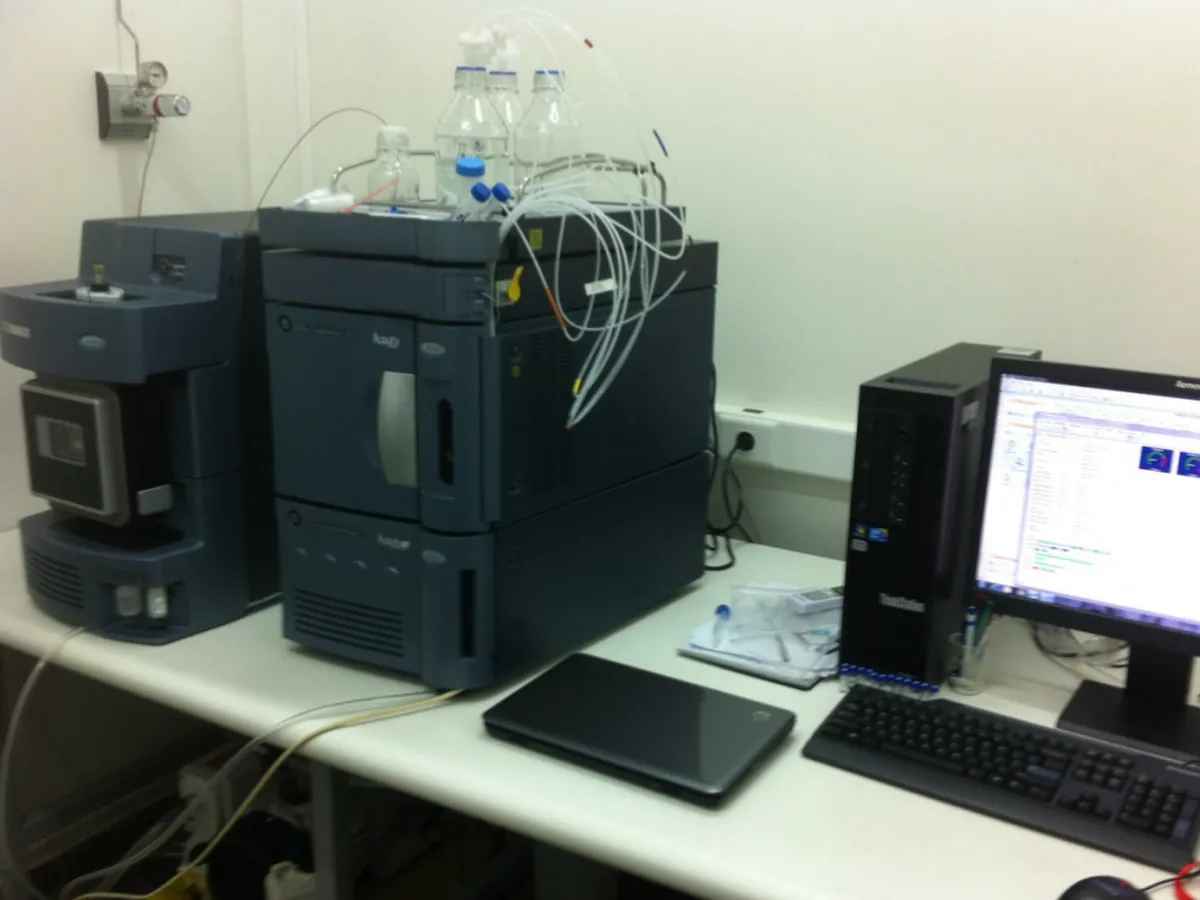
High Performance Liquid Chromatography (HPLC)
Separates the components of a liquid sample on a packed column and measures each one as it leaves. The workhorse of pharmaceutical QC for assay, impurities and dissolution.
Explore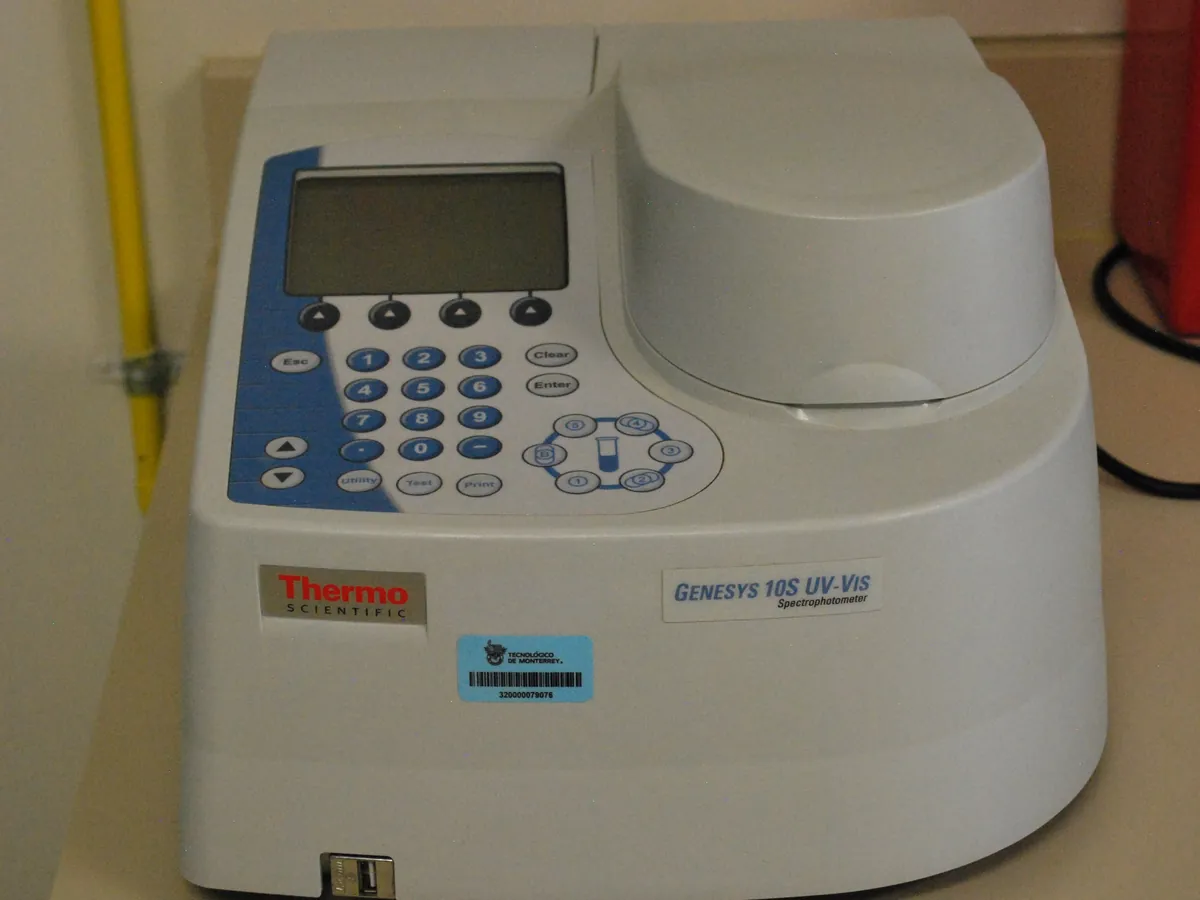
UV-Visible Spectrophotometer
Measures how much ultraviolet or visible light a solution absorbs at each wavelength. Used in pharma QC for identification, assay, dissolution and many quick quantitative tests.
Explore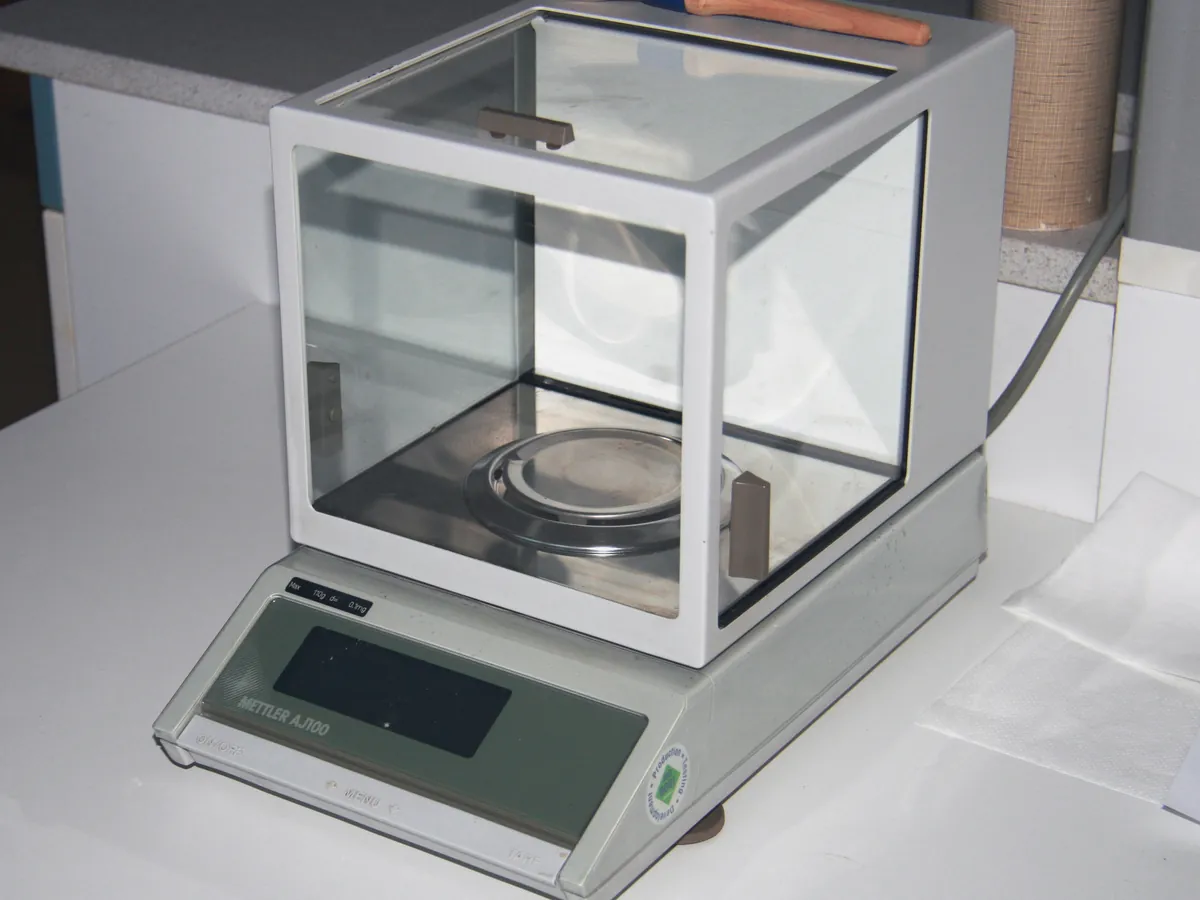
Analytical balance
Measures the mass of a sample very precisely, usually to 0.1 mg or 0.01 mg. Almost every quantitative test in a QC lab starts with a weighing, so the balance is the most used instrument in the lab.
Explore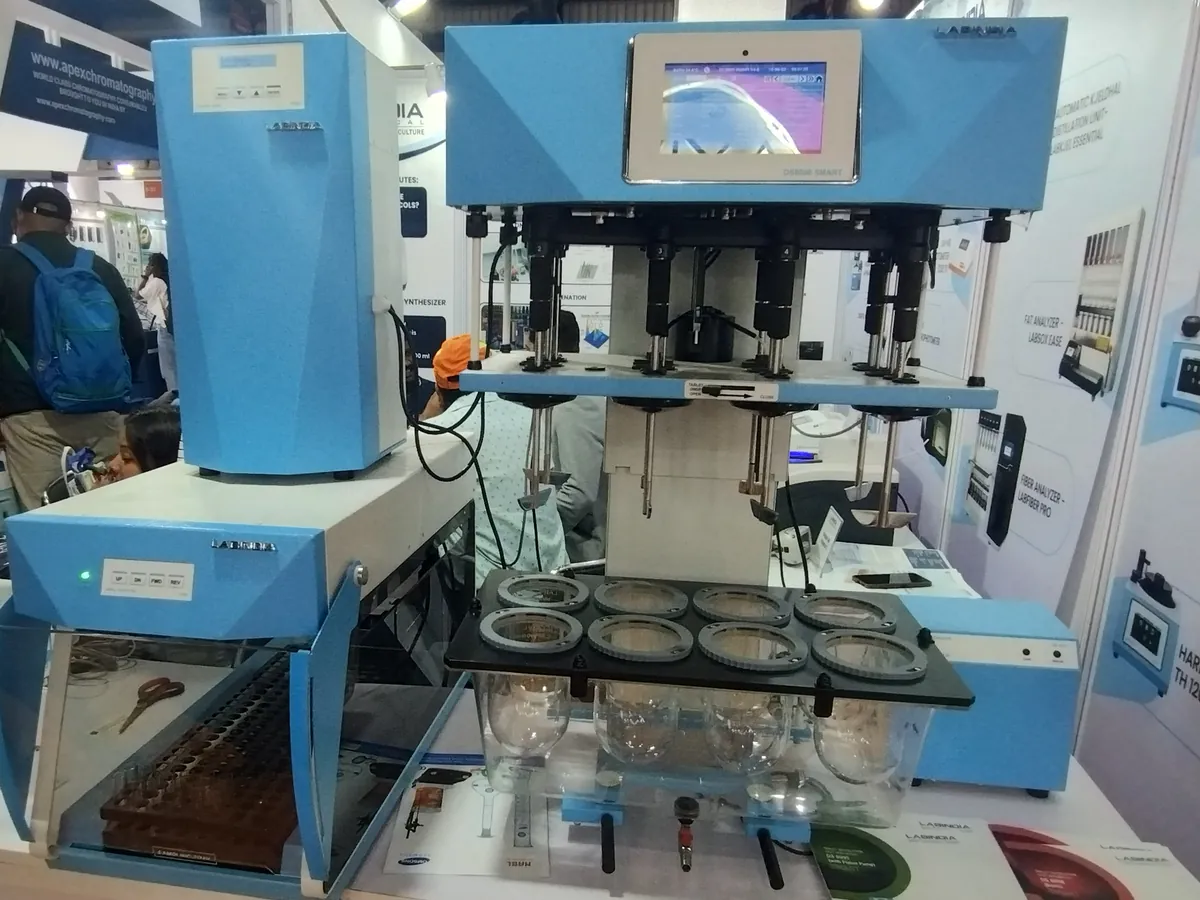
Dissolution Test Apparatus
Measures how fast and how completely the drug is released from a tablet or capsule into a liquid medium held at body temperature. A key quality and release test for oral solid dosage forms.
Explore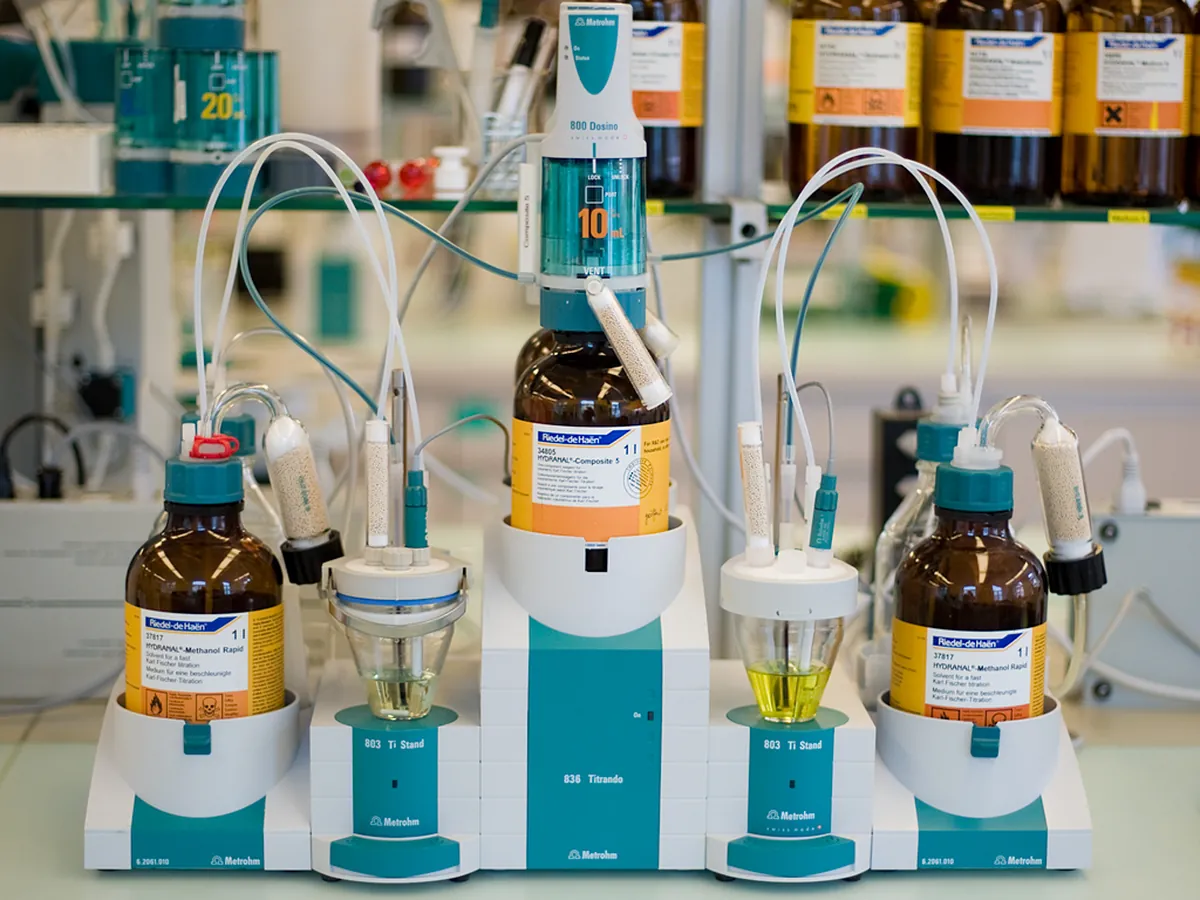
Karl Fischer Titrator (Volumetric)
Measures the water content of a sample by titrating it with an iodine-containing Karl Fischer reagent from a motorised burette. The standard method for water in APIs, excipients and many finished products.
Explore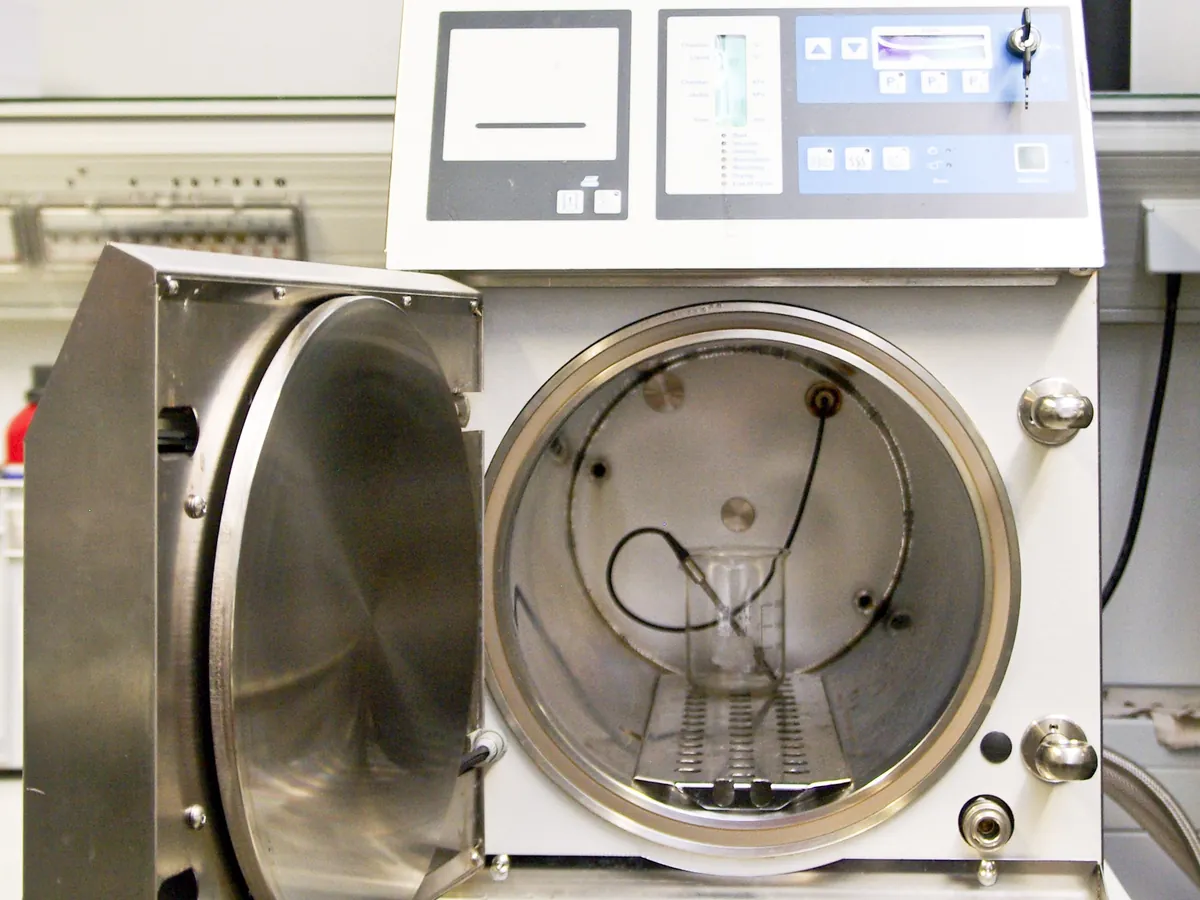
Autoclave (steam steriliser)
Kills microorganisms, including bacterial spores, with saturated steam under pressure. Used in the QC microbiology lab to sterilise culture media, glassware and equipment, and to decontaminate used media before disposal.
ExploreAssay of Paracetamol Tablets by HPLC
Determines how much paracetamol is present in a tablet compared with the label claim, using reversed-phase HPLC with UV detection at 243 nm and an external reference standard.
ExploreDissolution of Immediate-Release Tablets (Paracetamol 500 mg example)
Measures the percentage of paracetamol released from each of six tablets after 30 minutes in 900 mL of phosphate buffer at 37 °C, stirred by a paddle at 50 rpm, and judges the batch against the Q value using the staged acceptance criteria.
Explore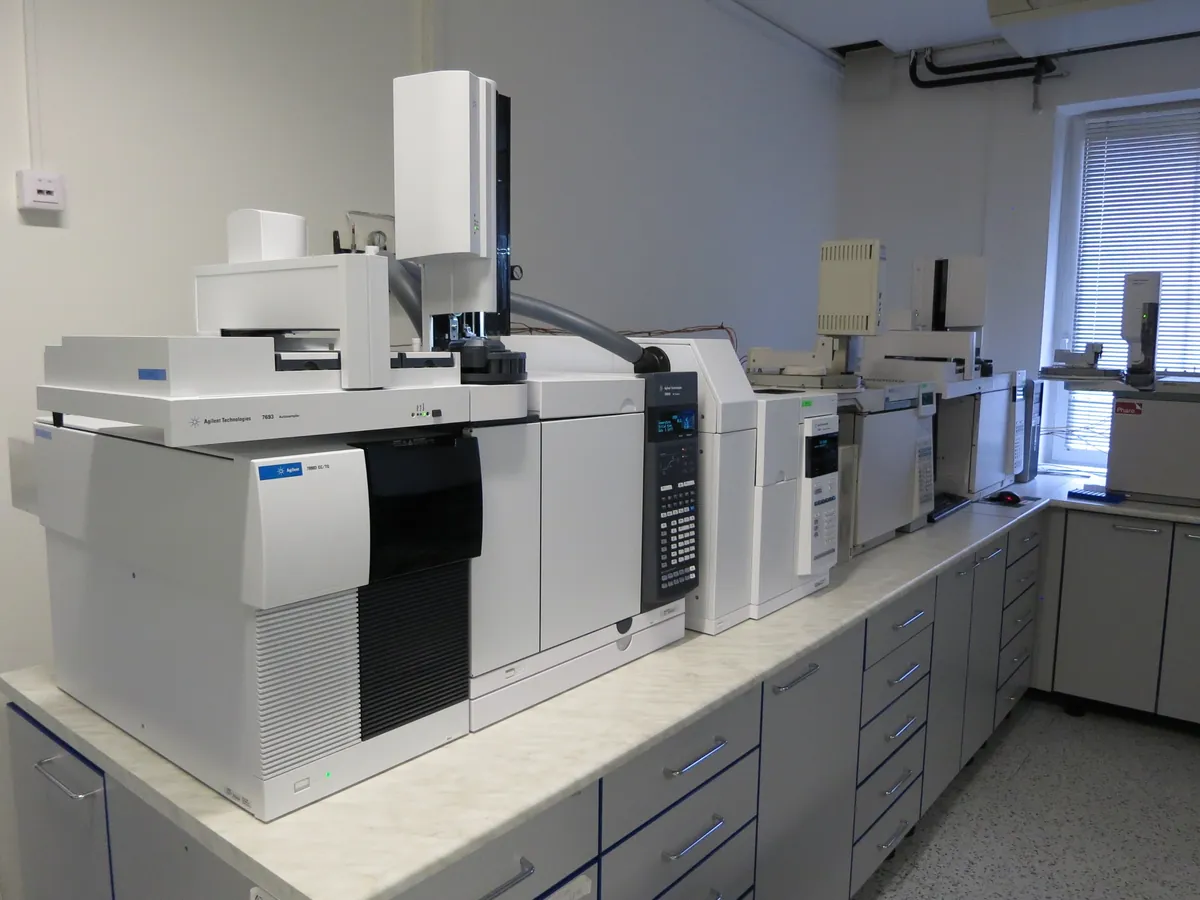
Residual Solvents by Headspace GC-FID
Measures leftover organic solvents from synthesis or purification in an API or excipient. The sample is dissolved in DMSO in a sealed headspace vial, heated, and the vapour is injected into a GC-FID. Each solvent is quantified against a standard prepared at its ICH Q3C limit.
ExploreEvery instrument in a QC lab.
Ten disciplines, from chromatography to microbiology. Pick one to see every instrument in it.
Chromatography
10 instrumentsSpectroscopy
9 instrumentsTitration & electrochemistry
7 instrumentsPhysical testing
9 instrumentsDosage-form testing
7 instrumentsThermal analysis & ovens
6 instrumentsParticle & solid-state
5 instrumentsMicrobiology & sterility
9 instrumentsGeneral lab & storage
7 instrumentsVolumetric & glassware
3 instrumentsThe pharma QC lab, covered. Every lab next.
Every instrument, test method and calibration in a typical pharmaceutical QC lab is now explained. Next we grow into every industry that runs a lab.
- Pharmaceutical QC · live
- Biotech & biologics
- Food & beverage
- Environmental & water
- Cosmetics & personal care
- Chemicals & materials
- Clinical & diagnostics
- Instruments
- 72
- Test methods
- 37
- Calibration procedures
- 118
- Practice questions
- 689
Follow a guided path.
Ordered routes through the explorer, with calculators and practice questions along the way.
HPLC from zero
From what an HPLC is to running, calculating, calibrating and troubleshooting a real assay.
Beginner · 12 stepsNew QC analyst: your first month
The instruments and tests a new pharma QC analyst meets first, in the order you are likely to meet them.
Intermediate · 12 stepsInstrument calibration basics
What calibration and qualification mean, and how the most common instruments are calibrated.
Go deeper.
Guides
6 in-depth reads: data integrity, validation, OOS, stability and more.
Troubleshooting finder
Describe a symptom and get likely causes and fixes across every instrument.
Compare methods
Put up to three test methods side by side: settings, suitability and limits.
Lab glossary
372 plain-language definitions, from retention time to traceability.
Running these tests every day?
LimsPulse puts methods, instruments, calibration schedules and results in one compliant system. See it with your own workflow.