Related Substances (Impurities) by HPLC
Separates the drug from its process impurities and degradation products and reports each impurity as a percentage of the drug, using a diluted standard and relative response factors. Paracetamol tablets are used as the example, where the key degradation product is 4-aminophenol.
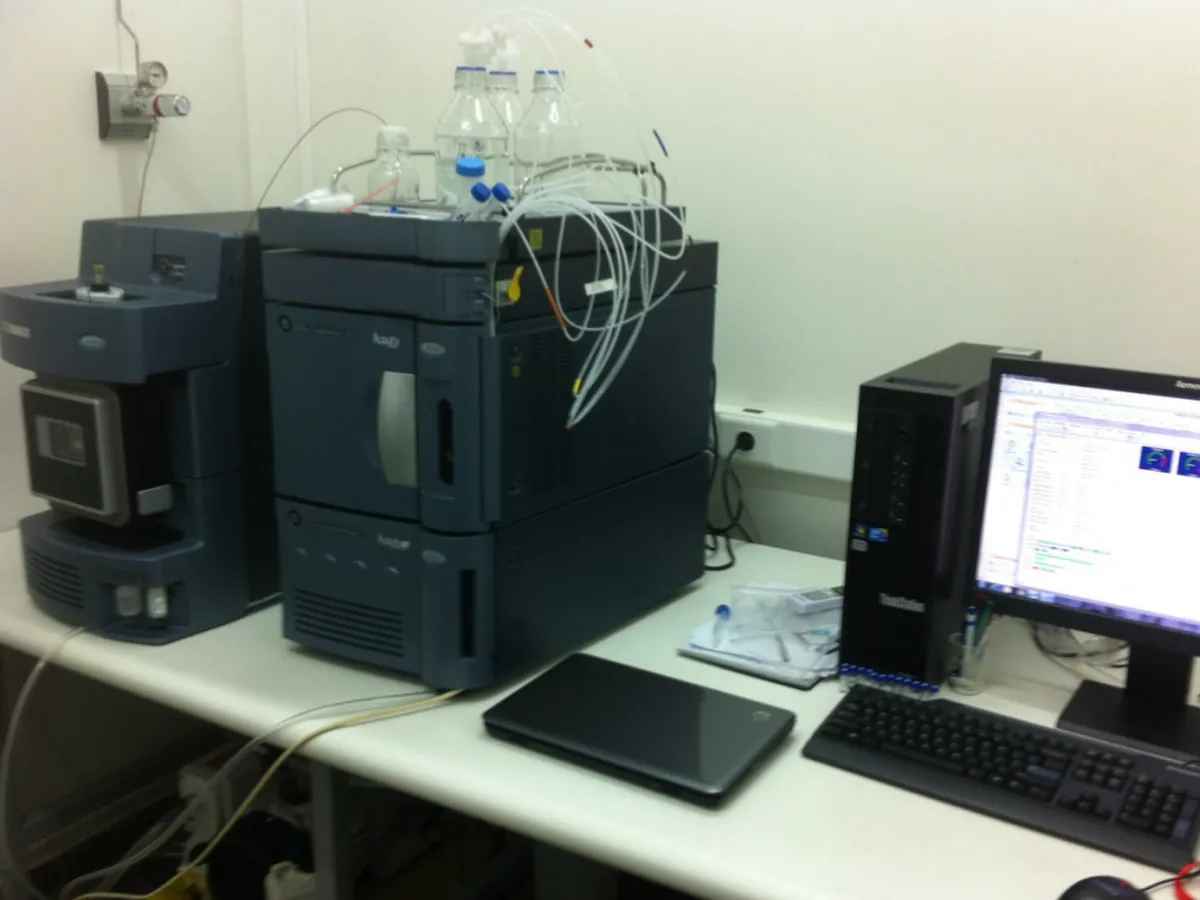
- HPLC (reversed phase, gradient, UV detection)
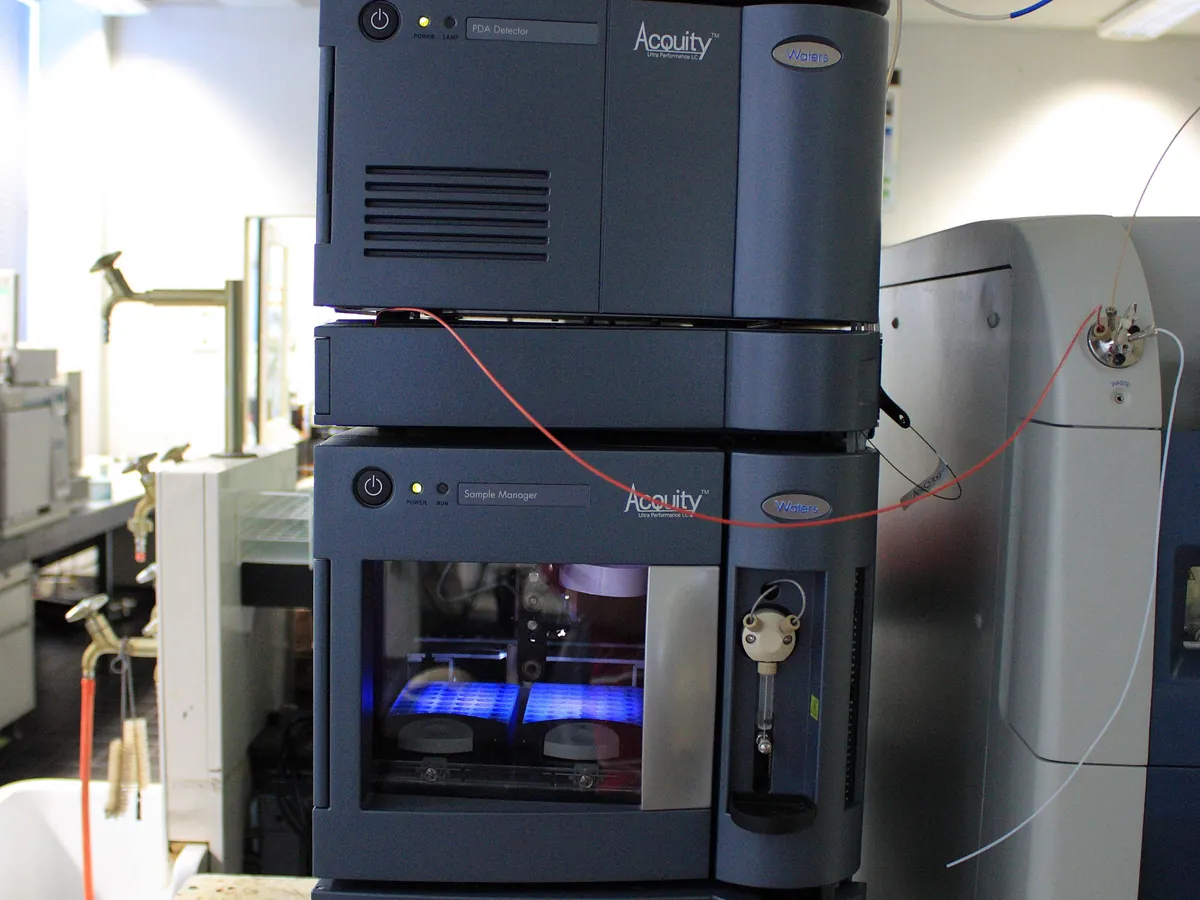
- HPLC
- UHPLC
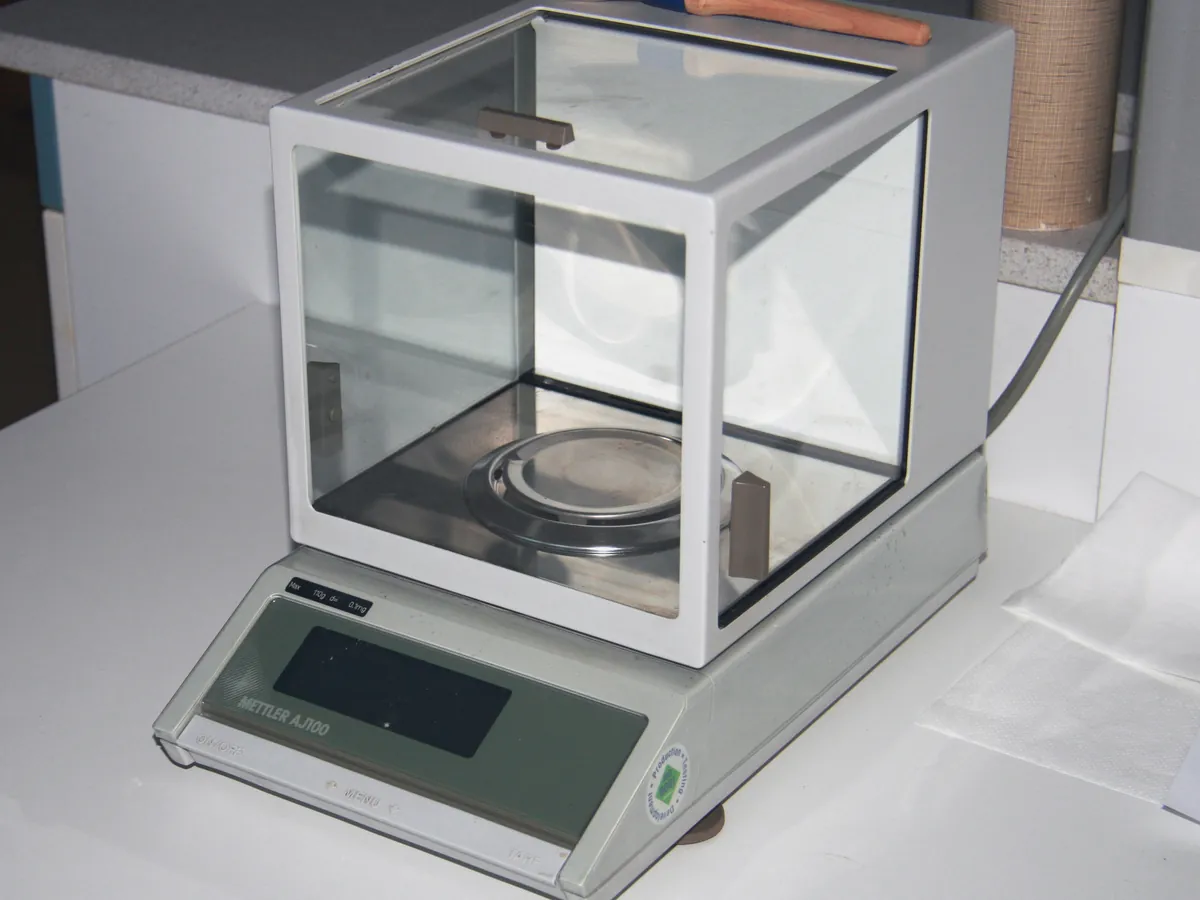
- Analytical balance
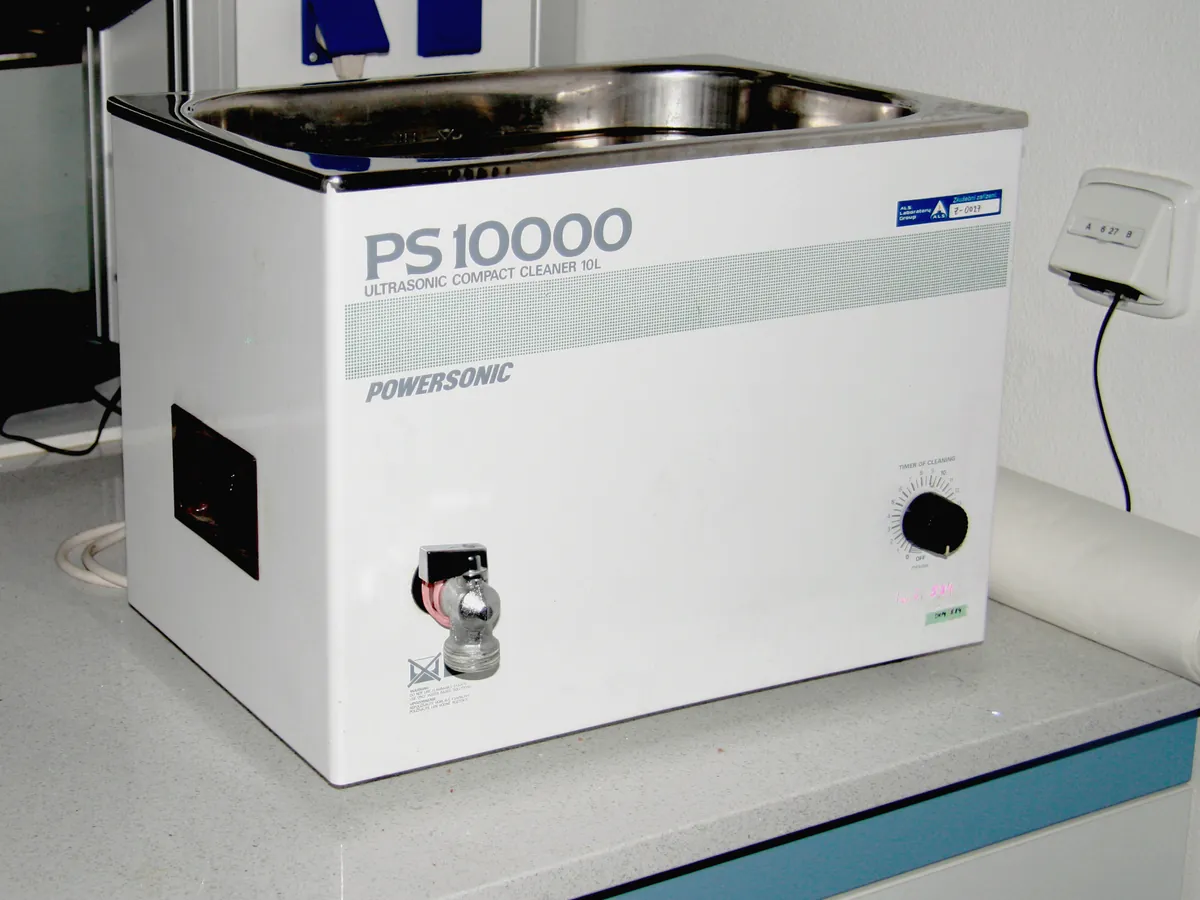
- Sonicator
Reference: Typical approach based on pharmacopoeial related-substances tests and ICH Q3B(R2). Specified impurities, limits, RRFs and conditions must come from your approved specification and STP.
Why this method works
A concentrated test solution is chromatographed so that impurities at the 0.05% level still give measurable peaks. Each impurity peak is compared with the peak of a diluted reference standard of the drug (for example at 0.1% of the test concentration). Because an impurity may absorb more or less UV light than the drug, its area is corrected with a relative response factor (RRF). Results are compared with the specification and with the ICH Q3B(R2) reporting, identification and qualification thresholds, which depend on the maximum daily dose.
Instruments used
Reagents & standards
| Reagent | Grade / specification |
|---|---|
| Paracetamol reference standard | Certified purity, for the diluted standard |
| Impurity reference standards | 4-aminophenol and other specified impurities (e.g. 4-nitrophenol, 4'-chloroacetanilide), for identification, system suitability and RRF determination |
| Methanol | HPLC grade |
| Buffer salts | e.g. potassium dihydrogen phosphate, AR grade; ion-pair reagent only if the method specifies one |
| Orthophosphoric acid / potassium hydroxide | For pH adjustment as per the method |
| Water | HPLC grade |
Preparing the sample
- 01
Weigh & powder
Weigh 20 tablets, find the average weight and powder them.
- 02
Weigh portion
Weigh powder equivalent to about 100 mg paracetamol.
- 03
Dissolve
Transfer to a 100 mL flask with about 70 mL diluent and sonicate.
- 04
Make up
Cool, make up to volume and mix (about 1.0 mg/mL).
- 05
Filter & inject
Filter through 0.45 µm, discard the first few mL and inject promptly.
Procedure
- 1Weigh 20 tablets, calculate the average tablet weight and powder them finely.
- 2Accurately weigh powder equivalent to about 100 mg of paracetamol into a 100 mL volumetric flask.
- 3Add about 70 mL of diluent and sonicate for about 10–15 minutes with intermittent shaking, keeping the bath cool.
- 4Allow to cool, make up to volume with diluent and mix (test solution, about 1.0 mg/mL paracetamol).
- 5Filter through a 0.45 µm membrane filter that has been shown not to adsorb the impurities; discard the first few mL.
- 6Protect solutions from light and inject within the established solution-stability period; 4-aminophenol can form and oxidise in solution.
Standard preparation
- 1Diluted standard (0.1%): weigh about 25 mg paracetamol RS into a 50 mL flask, dissolve and make up (0.5 mg/mL). Dilute 1.0 mL to 100 mL (5 µg/mL), then 2.0 mL to 10 mL (about 1 µg/mL, i.e. 0.1% of the test concentration).
- 2Sensitivity solution: dilute the diluted standard to the reporting threshold (e.g. 0.05%, about 0.5 µg/mL).
- 3System suitability solution: test solution (or paracetamol RS) spiked with 4-aminophenol and the other specified impurities at about their specification level.
- 4Impurity identification: inject individual impurity standards to confirm retention times and relative retention times (RRT).
Notes for analysts
- The chromatogram is an illustrative training example of a spiked test solution on an expanded scale; the paracetamol peak is truncated. Retention times, RRTs and the RRF value of 1.35 are not real method data — use the values established in your validated method.
- ICH Q3B(R2) thresholds depend on maximum daily dose. Reporting: 0.1% (≤ 1 g/day) or 0.05% (> 1 g/day). Identification: from 1.0% (< 1 mg/day) down to 0.10% (> 2 g/day). Qualification: from 1.0% (< 10 mg/day) down to 0.15% (> 2 g/day). Check the current guideline table for the dose bands and µg/day alternatives.
- ICH Q3B(R2) covers degradation products in the drug product. Process impurities from the API synthesis (such as 4'-chloroacetanilide for paracetamol) are controlled in the API specification under ICH Q3A(R2), but may still be monitored in the product.
- Report results below 1.0% to two decimal places (e.g. 0.06%), rounded by conventional rules.
- Identify peaks by RRT against the paracetamol peak; confirm unknowns above the identification threshold by LC-MS and reference standards.
- Pharmacopoeial methods typically apply a correction factor (1/RRF) when an impurity's response differs markedly from the drug (often when the RRF is outside about 0.8–1.2), or use an external impurity standard; ignoring it biases the result.
- Mutagenic impurities (e.g. nitrosamines) are controlled separately under ICH M7, usually by more sensitive LC-MS or GC-MS methods.
Method parameters (typical)
| Column | C18 (or C8 as specified), 250 × 4.6 mm, 5 µm |
|---|---|
| Mobile phase A | Aqueous phosphate buffer (pH and any ion-pair reagent as per the validated method), filtered and degassed |
| Mobile phase B | Methanol |
| Gradient (illustrative) | 0–5 min 10% B; 5–25 min 10 → 50% B; 25–30 min 50% B; 30–31 min back to 10% B; 31–40 min re-equilibrate |
| Flow rate | 1.0 mL/min |
| Detection | UV at about 245 nm (PDA recommended for peak purity) |
| Injection volume | 20 µL |
| Column temperature | 35 °C |
| Run time | About 40 minutes (long enough to elute late impurities) |
| Diluent | Mobile phase A : methanol (e.g. 90 : 10) |
System suitability & sequence
| Parameter | Limit |
|---|---|
| Resolution (paracetamol vs closest specified impurity) | Typically not less than 2.0, as per method |
| %RSD of paracetamol area, diluted standard (6 injections) | Typically not more than 5.0% |
| Signal-to-noise, sensitivity solution | Not less than 10 |
| Tailing factor (paracetamol, diluted standard) | Not more than 2.0 |
| Blank | No peak interfering with any specified impurity |
Typical sequence
- 1Blank (diluent) × 1
- 2System suitability (spiked) solution × 1
- 3Sensitivity solution × 1
- 4Diluted standard × 6
- 5Placebo × 1 (to identify excipient peaks)
- 6Test solution 1 × 1, test solution 2 × 1
- 7Bracketing diluted standard × 1
Calculation with a worked example
Where
- Ai
- Peak area of the impurity in the test solution
- As
- Mean peak area of paracetamol in the diluted standard
- Cs
- Concentration of paracetamol in the diluted standard (mg/mL, corrected for purity) = WS / 50 × 1/100 × 2/10 × P/100
- Ct
- Nominal concentration of paracetamol in the test solution (mg/mL) = WT × LC / Avg. wt / 100
- RRF
- Relative response factor of the impurity (response per unit concentration of impurity ÷ that of paracetamol); 1.0 for unknown impurities
Given
- Ai (4-aminophenol)
- 14,620
- As
- 15,420
- WS
- 25.10 mg
- P
- 99.8%
- WT
- 121.5 mg
- Avg. wt
- 605.0 mg
- LC
- 500 mg
- RRF (4-aminophenol, illustrative)
- 1.35
- Unknown at RRT 1.6 / RRT 2.3
- Areas 9,280 / 4,650; RRF 1.0
Working
- Cs = 25.10 / 50 × 1/100 × 2/10 × 0.998 = 0.0010020 mg/mL (about 1.002 µg/mL)
- Ct = 121.5 × 500 / 605.0 / 100 = 1.00413 mg/mL
- Cs / Ct = 0.0010020 / 1.00413 = 0.00099787
- 4-aminophenol: Ai / As = 14,620 / 15,420 = 0.94812
- 4-aminophenol: 0.94812 × 0.00099787 × (1 / 1.35) × 100 = 0.0701 → 0.07%
- Unknown RRT 1.6: (9,280 / 15,420) × 0.00099787 × 1 × 100 = 0.60182 × 0.099787 = 0.0601 → 0.06%
- Unknown RRT 2.3: (4,650 / 15,420) × 0.00099787 × 100 = 0.0301 → 0.03% (below the 0.05% reporting threshold, not reported)
- Total reportable impurities = 0.07 + 0.06 = 0.13%
4-aminophenol 0.07%; largest unknown 0.06% (RRT 1.6); total impurities 0.13% — compare each with the specification limits
What result passes
- 4-aminophenol: not more than the limit in the monograph / your specification (pharmacopoeial limits are commonly of the order of 0.1%; check the current monograph).
- Any unspecified degradation product: typically not more than the ICH Q3B(R2) identification threshold for the maximum daily dose (0.10% for paracetamol, maximum daily dose about 4 g).
- Total impurities: not more than the specification limit.
- Peaks below the reporting threshold (0.05% for a maximum daily dose above 1 g) are disregarded; placebo and blank peaks are excluded.
Validation parameters (ICH Q2(R2))
| Parameter | Typical requirement |
|---|---|
| Specificity | Impurities, degradation products (from forced degradation) and placebo peaks resolved from each other and from paracetamol; peak purity by PDA |
| LOQ / LOD | LOQ at or below the reporting threshold (S/N about 10); LOD S/N about 3 |
| Linearity | For each specified impurity and the drug, from LOQ to about 120–150% of the specification limit; r typically ≥ 0.99 |
| Relative response factor | RRF = slope of impurity line ÷ slope of drug line, from linearity data at the same wavelength |
| Accuracy | Recovery of impurities spiked into placebo / sample at LOQ, 100% and about 150% of the limit; typically about 80–120% at low levels |
| Precision | Repeatability and intermediate precision on spiked samples; %RSD limits set by level |
| Robustness and solution stability | Small changes in pH, temperature, flow and gradient; stability of test and standard solutions over the analysis period |
Run this method in LimsPulse: specifications and STPs under version control, results calculated and checked against limits, and a signed Certificate of Analysis.