Bacterial Endotoxins Test (LAL) by Kinetic Chromogenic Method
Measures endotoxin in a product by mixing a diluted sample with Limulus amebocyte lysate and a chromogenic substrate, reading the colour development at 405 nm and 37 °C, and converting the onset time to EU/mL using a log-log standard curve. Spiked samples show the product does not interfere.
- Kinetic chromogenic LAL (gel-clot and kinetic turbidimetric are alternatives)
- Endotoxin reader
- LAF
- Micropipette
- Hot air oven
Reference: Typical method based on USP <85> and Ph. Eur. 2.6.14 (harmonised). Always follow your approved specification, STP and the current chapter.
Why this method works
Endotoxin activates an enzyme cascade in LAL. In the chromogenic method the last enzyme releases yellow p-nitroaniline from a synthetic substrate. The more endotoxin, the faster the colour reaches a set absorbance (the onset time). A plot of log onset time against log endotoxin concentration is a straight line. The product is diluted enough to remove inhibition or enhancement but not beyond the maximum valid dilution (MVD), so that the test can still detect endotoxin at the limit. USP <85> describes three techniques: gel-clot (a firm clot forms at or above the lysate sensitivity), kinetic turbidimetric, and kinetic chromogenic.
Instruments used
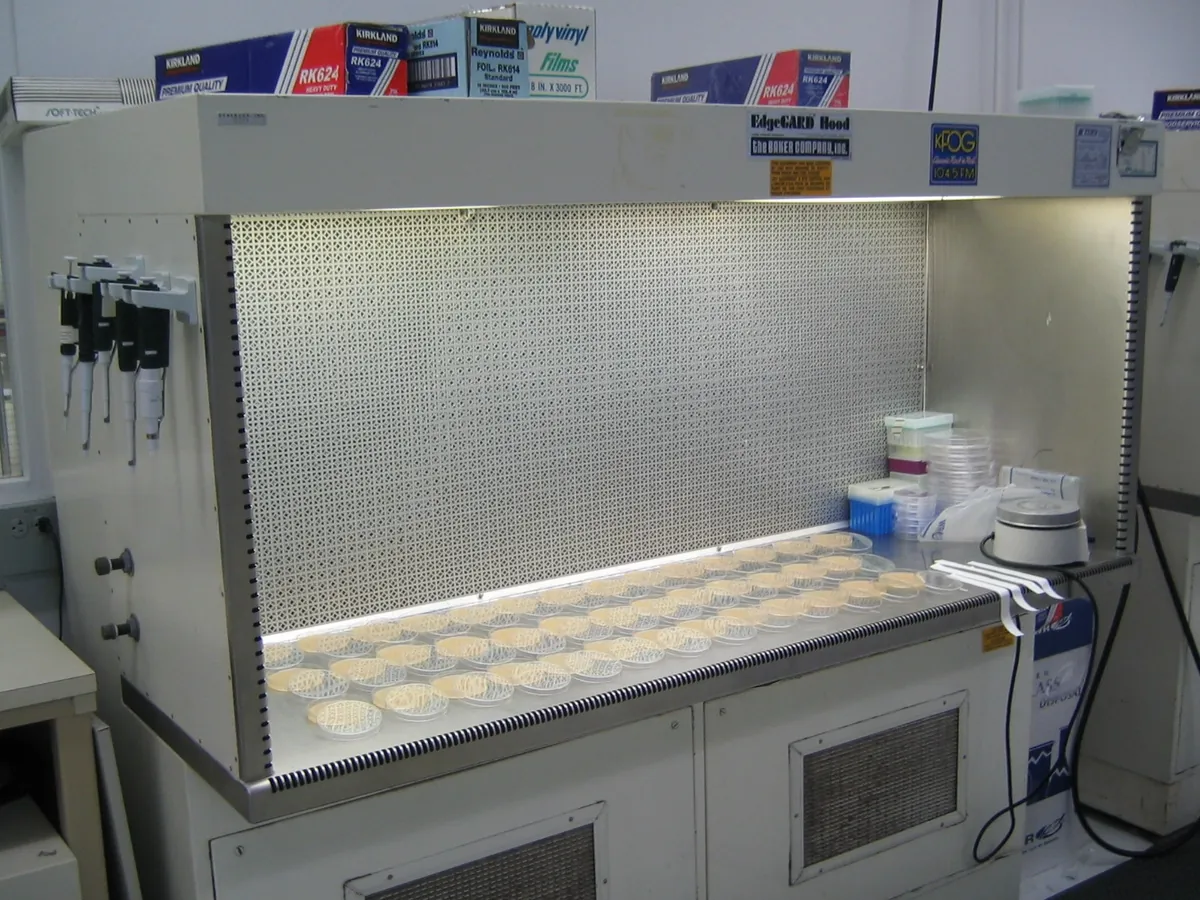
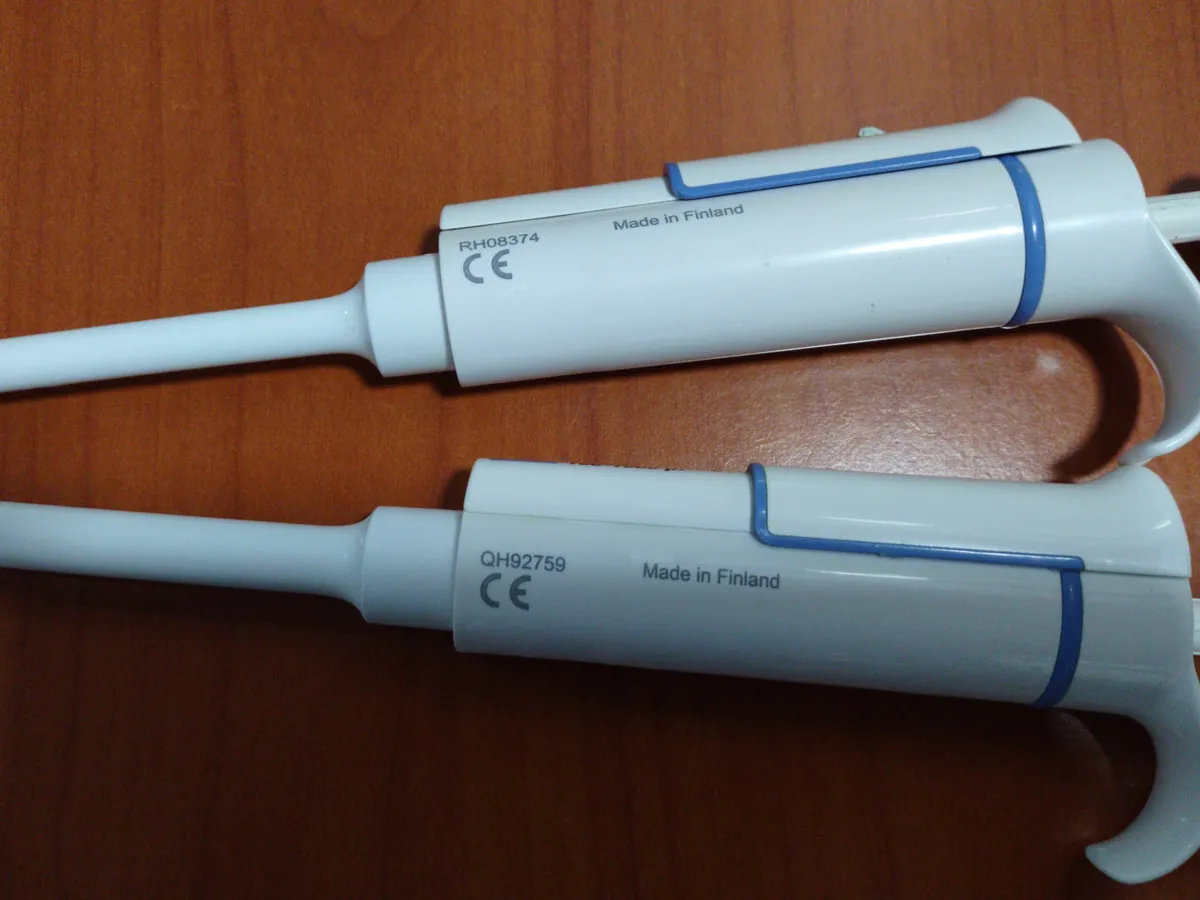
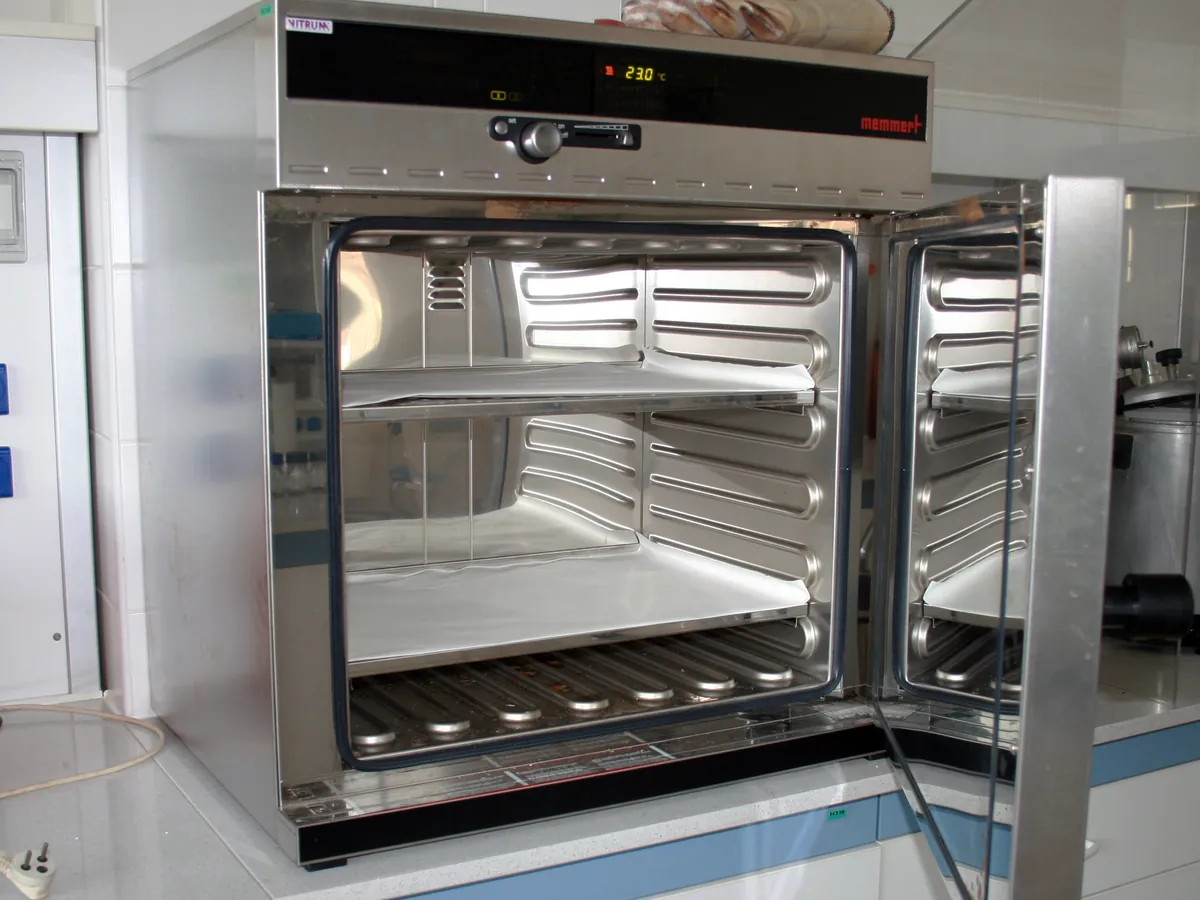
Reagents & standards
| Reagent | Grade / specification |
|---|---|
| LAL reagent (chromogenic) | Lot with a certificate; stored as the supplier states |
| Control standard endotoxin (CSE) | Calibrated against the reference standard endotoxin (RSE) for the LAL lot |
| LAL reagent water (LRW) | Endotoxin below the detection limit; for dilutions and negative controls |
| Depyrogenated glassware and certified pyrogen-free tips, tubes and plates | Glassware typically depyrogenated by dry heat (e.g. 250 °C for at least 30 minutes, or a validated cycle) |
| Buffers (if needed) | pH adjustment or glucan-blocking buffer, as validated |
Preparing the sample
- 01
Calculate
Work out the endotoxin limit and the MVD for the product.
- 02
Dilute
Dilute the sample in LRW to the validated dilution (not more than the MVD).
- 03
Spike
Prepare a positive product control spiked at the middle of the standard curve.
- 04
Standards
Prepare at least three CSE standards covering the range (often four).
- 05
React
Add LAL to all wells at 37 °C and read kinetically at 405 nm.
- 06
Evaluate
Check the curve, controls and recovery; calculate the endotoxin content.
Procedure
- 1Check the sample pH after dilution is within the range the LAL supplier states (often 6.0–8.0); adjust with buffer if needed.
- 2Prepare the CSE stock as per the certificate, vortexing well, and make standards (e.g. 5, 0.5, 0.05 and 0.005 EU/mL) by serial tenfold dilution in LRW.
- 3Dilute the sample to the validated dilution in LRW, mixing thoroughly at each step.
- 4Prepare the positive product control (PPC) by spiking the diluted sample with CSE to a concentration at or near the middle of the standard curve (e.g. 0.5 EU/mL).
- 5Pipette standards, negative control (LRW), sample and PPC into the plate in replicates (duplicate as a minimum) and pre-incubate at 37 °C.
- 6Add reconstituted LAL reagent to all wells and start the kinetic read at 405 nm, 37 ± 1 °C.
- 7Let the software calculate the standard curve, sample endotoxin and PPC recovery.
Standard preparation
- 1Standard curve: at least three concentrations covering the range, each in at least duplicate (USP <85>); four tenfold standards from 0.005 to 5 EU/mL are common.
- 2λ for a kinetic method is the lowest concentration on the standard curve (here 0.005 EU/mL).
- 3PPC: the diluted sample spiked with a known endotoxin concentration near the middle of the curve.
Notes for analysts
- The MVD and K/M values above are a teaching example; use the limit in your monograph or approved specification.
- Standard curves for kinetic methods are fitted as log onset time against log concentration. The standard-curve calculator can be used on the log10 values to check the slope, intercept and r.
- Gel-clot uses only a heating block or water bath at 37 ± 1 °C for 60 ± 2 minutes and reads whether a firm gel stays intact when the tube is inverted.
- Recombinant reagents (recombinant Factor C) are increasingly used as an animal-free alternative where validated and accepted by the authority.
Method parameters (typical)
| Technique | Kinetic chromogenic, 405 nm |
|---|---|
| Incubation temperature | 37 ± 1 °C |
| Standard range | e.g. 0.005–5 EU/mL (four standards) |
| Replicates | At least duplicate for each standard, sample and PPC |
| Endotoxin limit | K / M (K = 5 EU/kg for most parenteral routes) |
| Test dilution | Validated dilution, not more than the MVD |
System suitability & sequence
| Parameter | Limit |
|---|---|
| Standard curve correlation | Absolute value of r ≥ 0.980 |
| Negative control | Below the lowest standard (λ), or as the reagent supplier specifies |
| Positive product control recovery | 50–200% of the known spike |
| Replicate agreement | Within the limit set in the STP or software |
Typical sequence
- 1Negative control (LRW)
- 2CSE standards from lowest to highest concentration
- 3Sample at the test dilution
- 4Positive product control (sample + spike)
Calculation with a worked example
Where
- K
- Threshold pyrogenic dose of endotoxin per kg body weight: 5 EU/kg for most parenteral routes (0.2 EU/kg for intrathecal)
- M
- Maximum recommended dose of product per kg of body weight given in one hour
- Concentration
- Concentration of the product solution being tested (e.g. mg/mL)
- λ
- Lowest concentration of the standard curve (kinetic) or labelled lysate sensitivity (gel-clot), in EU/mL
Given
- Product
- Drug X injection, 20 mg/mL, given intravenously
- Maximum dose (M)
- 10 mg/kg per hour
- K
- 5 EU/kg
- λ (kinetic, lowest standard)
- 0.005 EU/mL
- Test result at 1:100 dilution
- Sample 0.03 EU/mL; PPC (spiked with 0.50 EU/mL) 0.41 EU/mL
Working
- Endotoxin limit = K ÷ M = 5 EU/kg ÷ 10 mg/kg = 0.5 EU/mg
- MVD = (0.5 EU/mg × 20 mg/mL) ÷ 0.005 EU/mL = 10 EU/mL ÷ 0.005 EU/mL = 2000, so the sample may be diluted up to 1:2000
- The test dilution of 1:100 is below the MVD, so it is valid
- Endotoxin in the product = 0.03 EU/mL × 100 = 3 EU/mL; per mg = 3 EU/mL ÷ 20 mg/mL = 0.15 EU/mg
- PPC recovery = (0.41 − 0.03) ÷ 0.50 × 100 = 76% (within 50–200%, so the result is valid)
Endotoxin limit 0.5 EU/mg; MVD 1:2000; product contains 0.15 EU/mg, which is below the limit: complies (PPC recovery 76%, test valid).
Try it with your numbersWhat result passes
- The product complies if the endotoxin content is not more than the endotoxin limit in the specification or monograph.
- The test is valid only if the standard curve has |r| ≥ 0.980, the negative control is below λ (or as the reagent supplier specifies) and PPC recovery is 50–200%.
- For the gel-clot method, the product complies if no firm gel forms at the test dilution while the positive controls clot, with the labelled lysate sensitivity confirmed.
Validation parameters (ICH Q2(R2))
| Parameter | Typical requirement |
|---|---|
| Preparatory testing (inhibition / enhancement) | Spike recovery 50–200% at the chosen dilution, on at least three batches as per your SOP |
| Lysate sensitivity / standard curve | Confirmation of λ (gel-clot) or standard curve criteria (kinetic) for each new lysate lot |
| Analyst qualification | Each analyst shows acceptable curves and recoveries |
| Interfering factors | pH, chelators, proteins, glucans and lipids assessed and controlled |
Run this method in LimsPulse: specifications and STPs under version control, results calculated and checked against limits, and a signed Certificate of Analysis.