Food & beverage lab testing
Composition, contaminants, additives and microbiology of food, beverages and dairy. 19 test methods and 28 instruments, explained step by step.
- AOAC
- ISO
- FSSAI
- Codex
- FDA BAM
Food composition
Moisture, ash, protein, fat, fibre and energy.
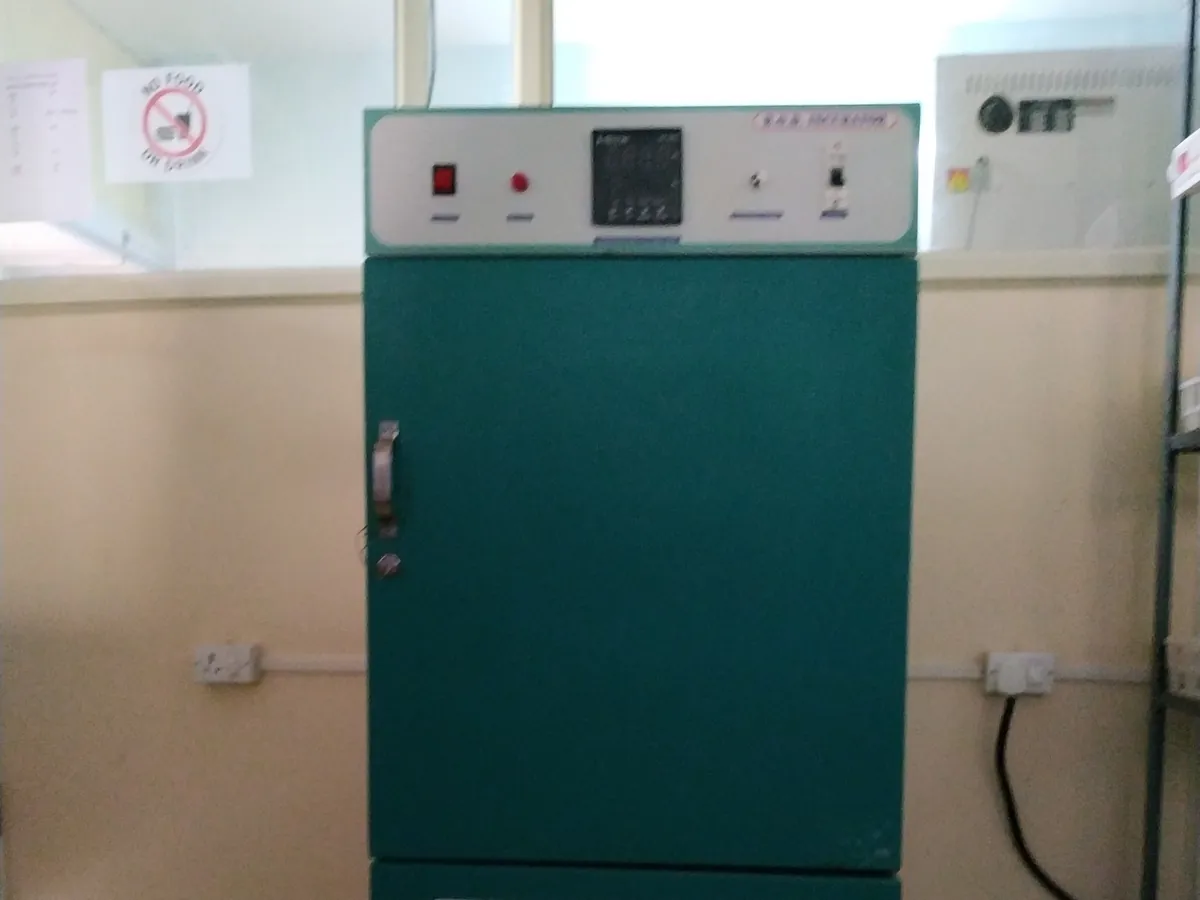
- Gravimetric, air-oven drying
Moisture in Food by Air-Oven Drying
A weighed sample is dried in an air oven at a set temperature and time (or to constant mass). The loss in mass is reported as moisture, and the remainder as total solids.
Open method - Gravimetric, muffle furnace ignition
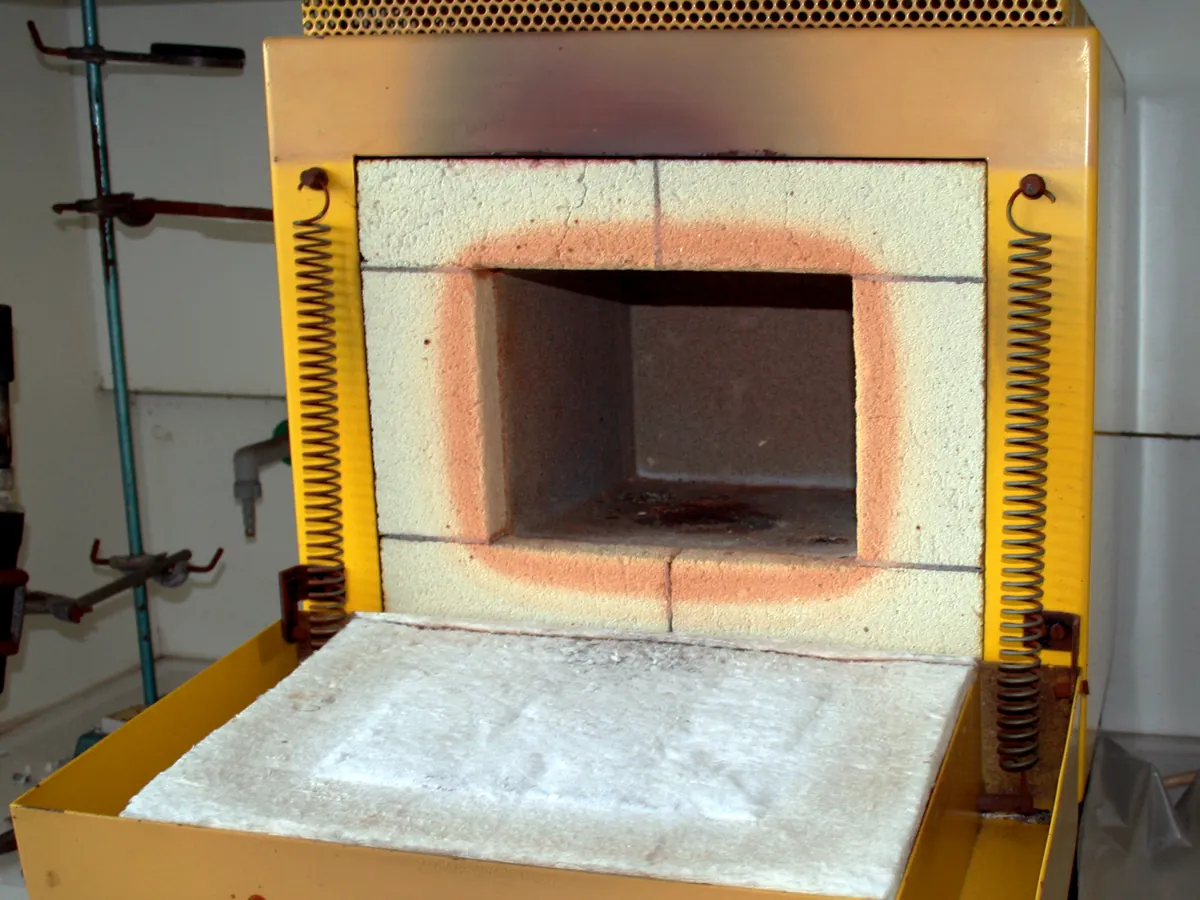
Total Ash in Food by Dry Ashing
A weighed sample is charred and then ignited at about 550 °C until all organic matter has burnt off. The white or light grey residue is weighed and reported as total ash.
Open method - Block digestion, steam distillation and acid titration
Crude Protein in Food by the Kjeldahl Method
The sample is digested in sulphuric acid with a copper catalyst to turn organic nitrogen into ammonium. The ammonia is distilled into boric acid and titrated with standard acid. Nitrogen % is multiplied by a conversion factor (6.25 for general foods, 6.38 for dairy) to give crude protein.
Open method - Solvent extraction, gravimetric
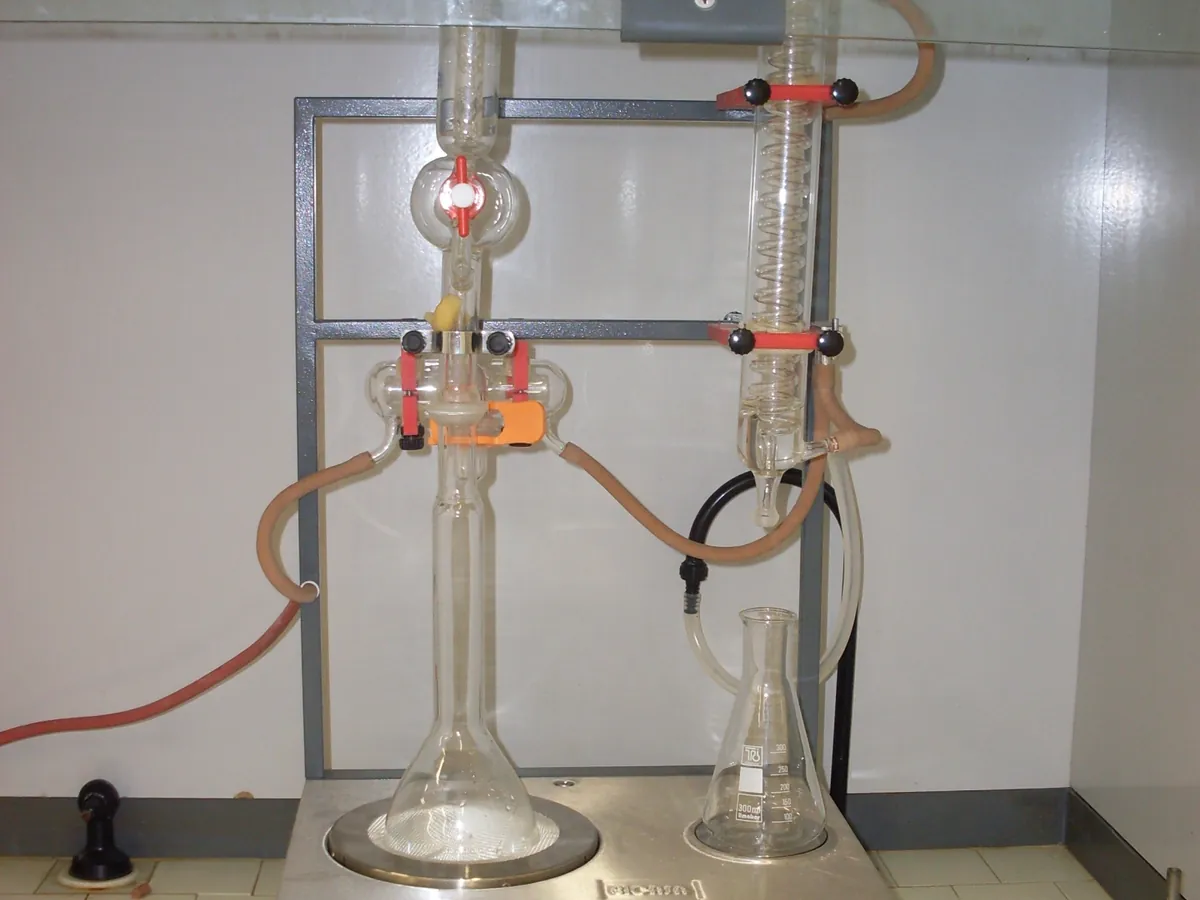
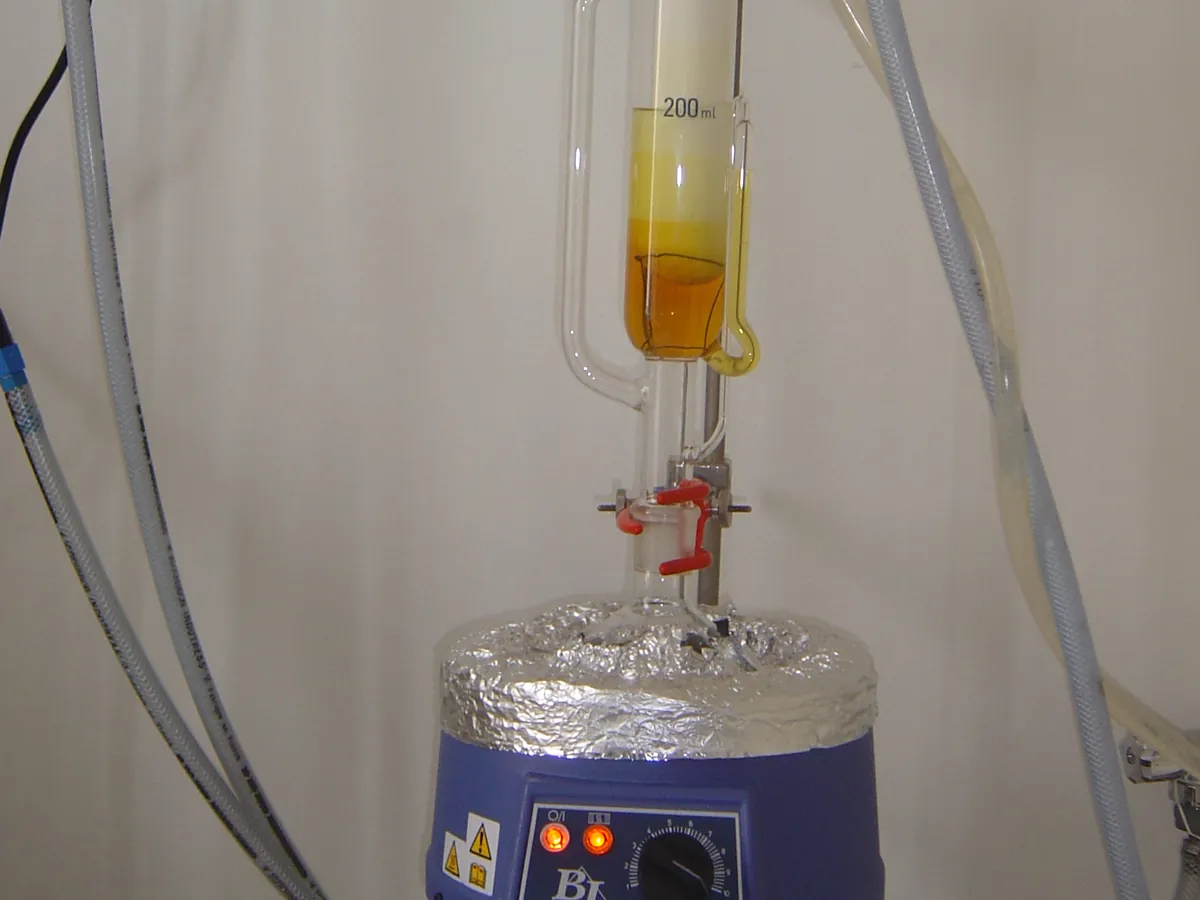
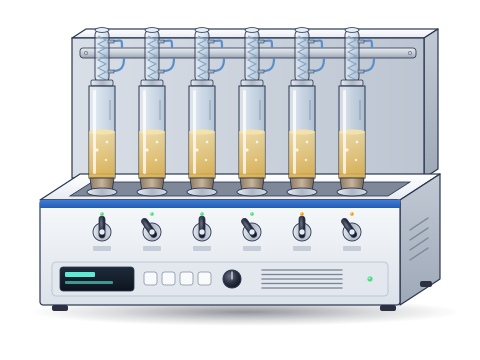
Crude Fat in Food by Soxhlet Extraction
A dried, ground sample is extracted with petroleum ether (or another specified solvent) in a Soxhlet apparatus. The solvent is evaporated and the mass of fat left in the pre-weighed flask is reported as crude fat.
Open method - Sequential acid and alkali digestion, gravimetric
Crude Fibre in Food by Acid–Alkali Digestion
A defatted sample is boiled for 30 minutes in dilute sulphuric acid and then 30 minutes in dilute sodium hydroxide. The residue is dried, weighed, ashed and weighed again. The loss on ashing is crude fibre.
Open method - Calculation from proximate analysis
Carbohydrate by Difference and Energy Value of Food
Carbohydrate is calculated as 100 minus the sum of moisture, protein, fat and ash. Energy is then calculated using general factors of 4 kcal/g for protein, 9 kcal/g for fat and 4 kcal/g for carbohydrate, and converted to kilojoules.
Open method - Chilled-mirror dew point or capacitance hygrometry
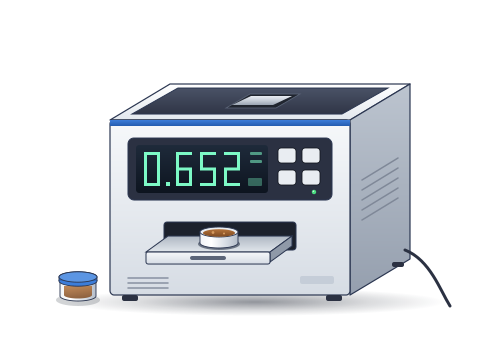
Water Activity of Food
A small portion of food is sealed in the temperature-controlled chamber of a water activity meter. When the headspace reaches equilibrium, the meter reads its relative humidity and reports water activity on a 0–1 scale.
Open method
Beverages
Soluble solids, acidity, caffeine and alcohol.
- Refractometry (digital Abbe or automatic refractometer)
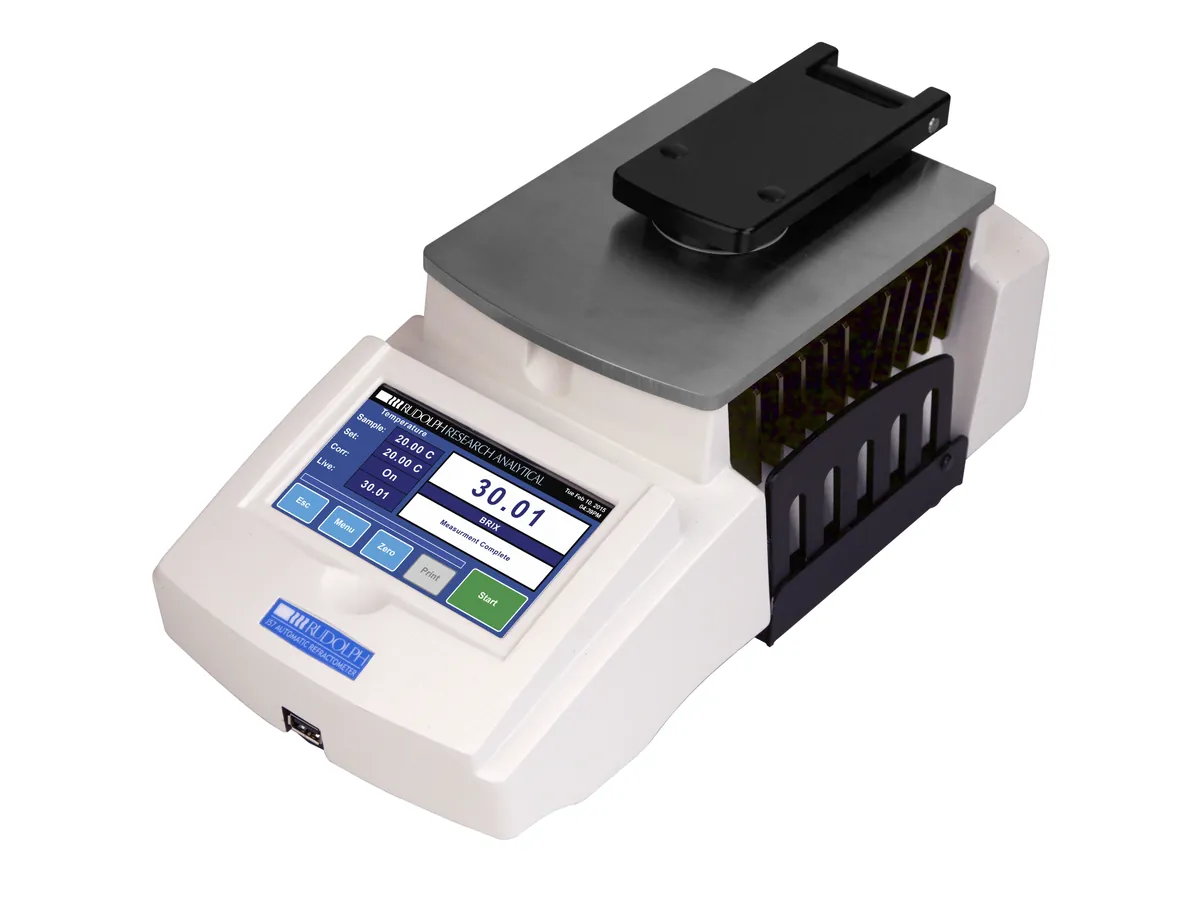
Total soluble solids (°Brix) by refractometry
Measures the refractive index of a juice or drink at 20 °C and converts it to °Brix — the mass percentage of sucrose that would give the same refractive index. It is the quickest and most widely used check of sugar strength in beverages and fruit products.
Open method - Acid–base titration with 0.1 M NaOH to pH 8.1 (potentiometric) or phenolphthalein end point
Titratable acidity of juices and beverages
Titrates all the titratable acids in a juice or drink with standardised sodium hydroxide to a fixed pH end point and expresses the result as the predominant acid — citric acid for most fruit juices and soft drinks.
Open method - HPLC (reversed phase, UV detection at 273 nm)
Caffeine in beverages by HPLC
Separates caffeine from the drink matrix on a C18 column and measures it by UV absorbance at about 273 nm against an external caffeine standard. Used to check label declarations and 'high caffeine content' labelling.
Open method - Distillation followed by density measurement (oscillating U-tube density meter) and alcoholometric tables
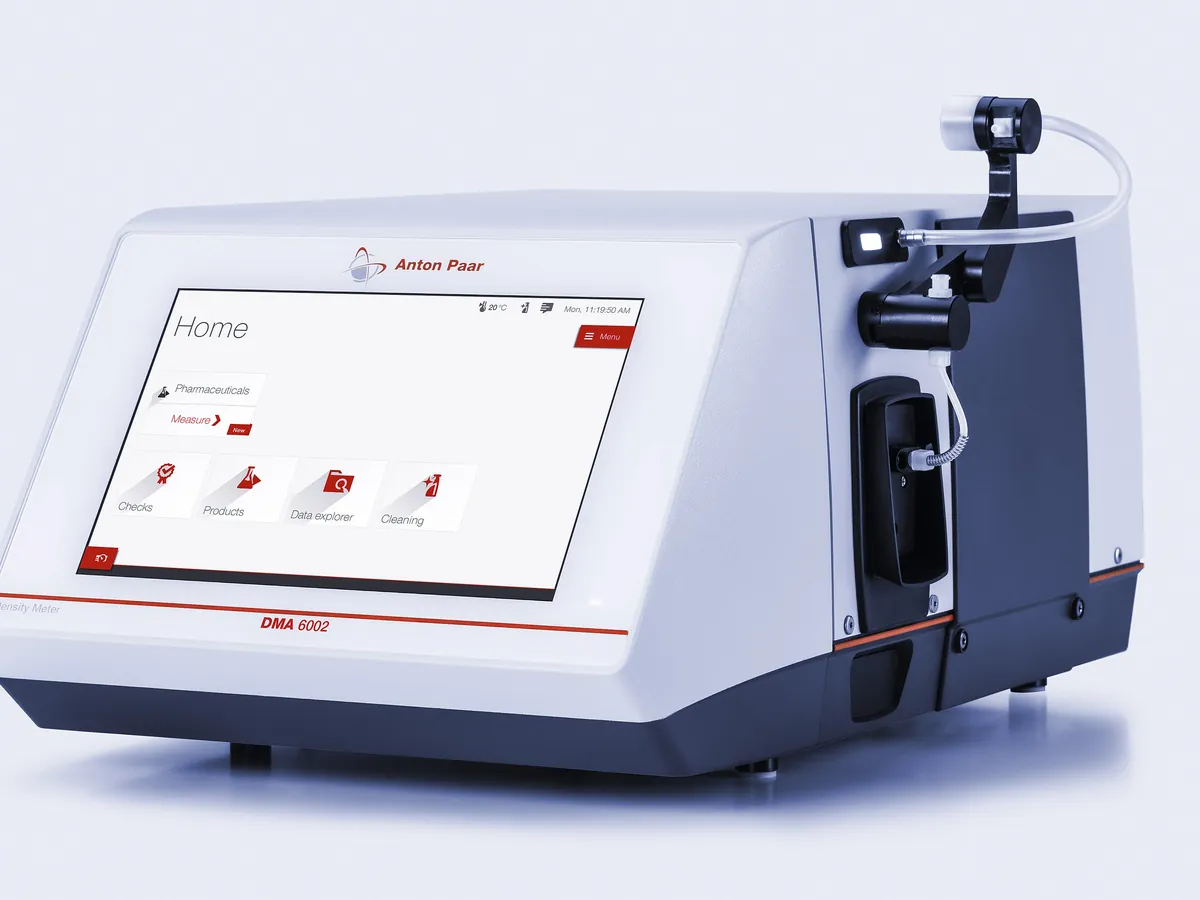
Alcoholic strength by distillation and density
Separates the ethanol from sugars, acids and extract by distillation, makes the distillate back up to the original volume at 20 °C, measures its density, and converts density to % vol using the international alcoholometric tables.
Open method
Milk & dairy
Milk fat and dairy quality tests.
Food microbiology
Aerobic plate counts, hygiene indicators, yeasts and moulds.
- Pour plate, colony-count technique at 30 °C
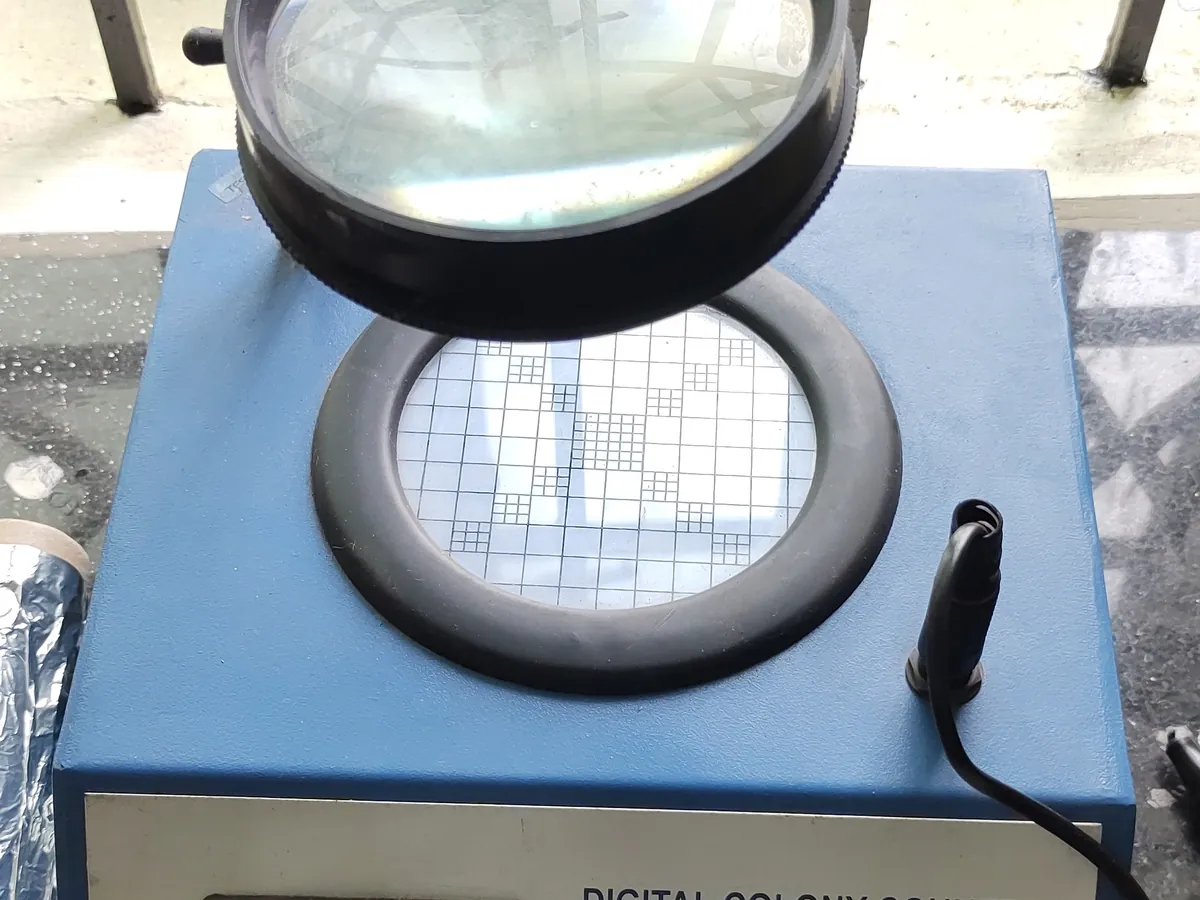
Total Plate Count (Aerobic Mesophilic Count) in Food by Pour Plate
Estimates the number of aerobic mesophilic microorganisms in a food by mixing decimal dilutions of the sample with Plate Count Agar, incubating at 30 °C for 72 hours and counting all colonies. It is the most widely used general indicator of hygiene, shelf life and process control.
Open method - Pour plate on selective media: VRBL (coliforms, 30 or 37 °C) and TBX (E. coli, 44 °C)
Enumeration of Coliforms and E. coli in Food (Colony-Count Technique)
Counts coliforms and E. coli in a food as hygiene indicators. Decimal dilutions are pour-plated in Violet Red Bile Lactose agar for coliforms and in Tryptone Bile X-glucuronide agar for E. coli; characteristic colonies are counted after incubation and the result is reported in cfu/g.
Open method - Spread plate on DRBC agar (aw > 0.95) or DG18 agar (aw ≤ 0.95), 25 °C
Yeast and Mould Count in Food (Spread Plate)
Counts viable yeasts and moulds in a food by spreading 0.1 mL of decimal dilutions on Dichloran Rose Bengal Chloramphenicol (DRBC) agar or Dichloran 18% Glycerol (DG18) agar, incubating at 25 °C for 5 days and counting colonies. The result shows spoilage risk and the hygiene of handling and storage.
Open method
Contaminants & additives
Aflatoxins, pesticide residues, heavy metals and preservatives.
- Immunoaffinity column clean-up, reversed-phase HPLC with post-column derivatisation and fluorescence detection
Aflatoxins B1, B2, G1 and G2 by HPLC-FLD
Extracts aflatoxins from a ground food sample with aqueous methanol, cleans the extract on an antibody-based immunoaffinity column, separates the four aflatoxins by HPLC, enhances the fluorescence of B1 and G1 after the column, and measures them by fluorescence against calibration standards.
Open method - QuEChERS acetonitrile extraction, dispersive SPE clean-up, LC-MS/MS and GC-MS/MS in MRM mode
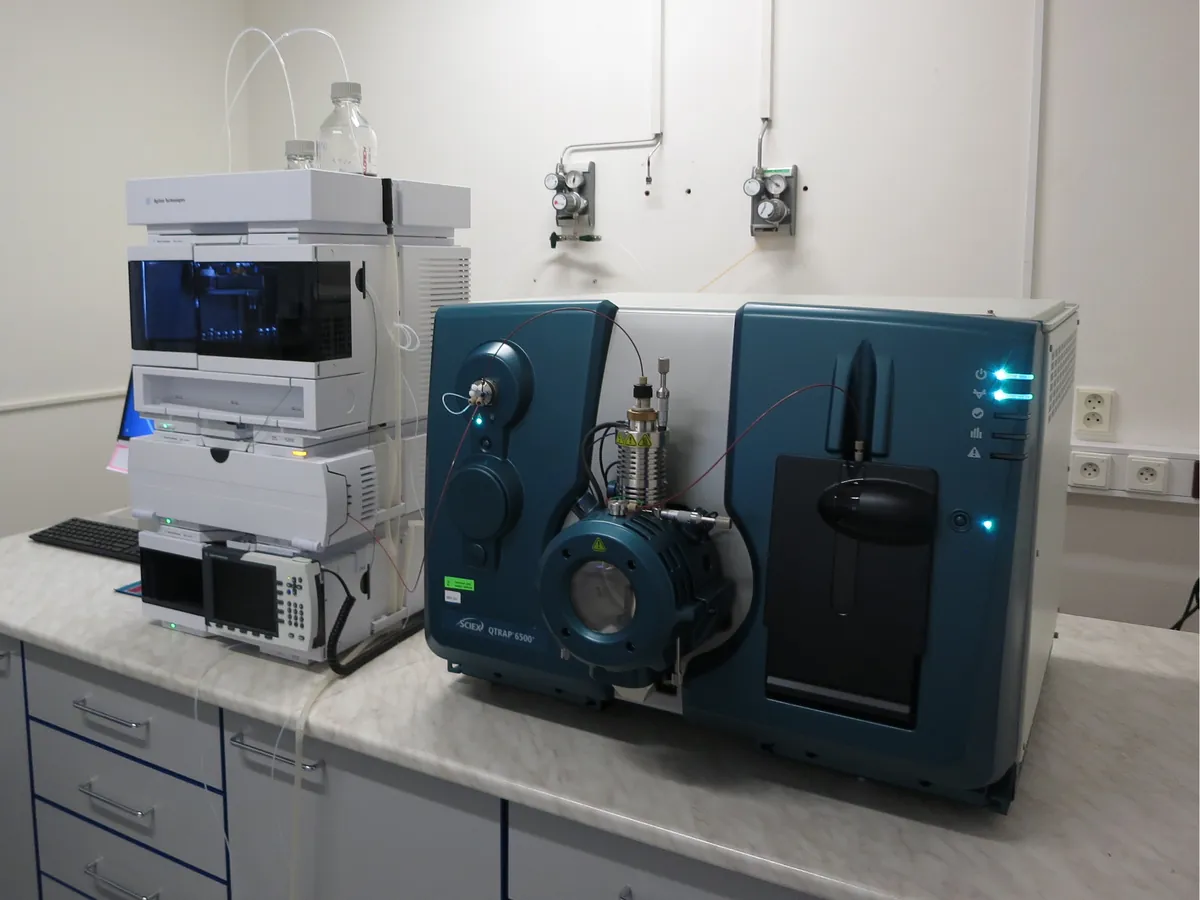
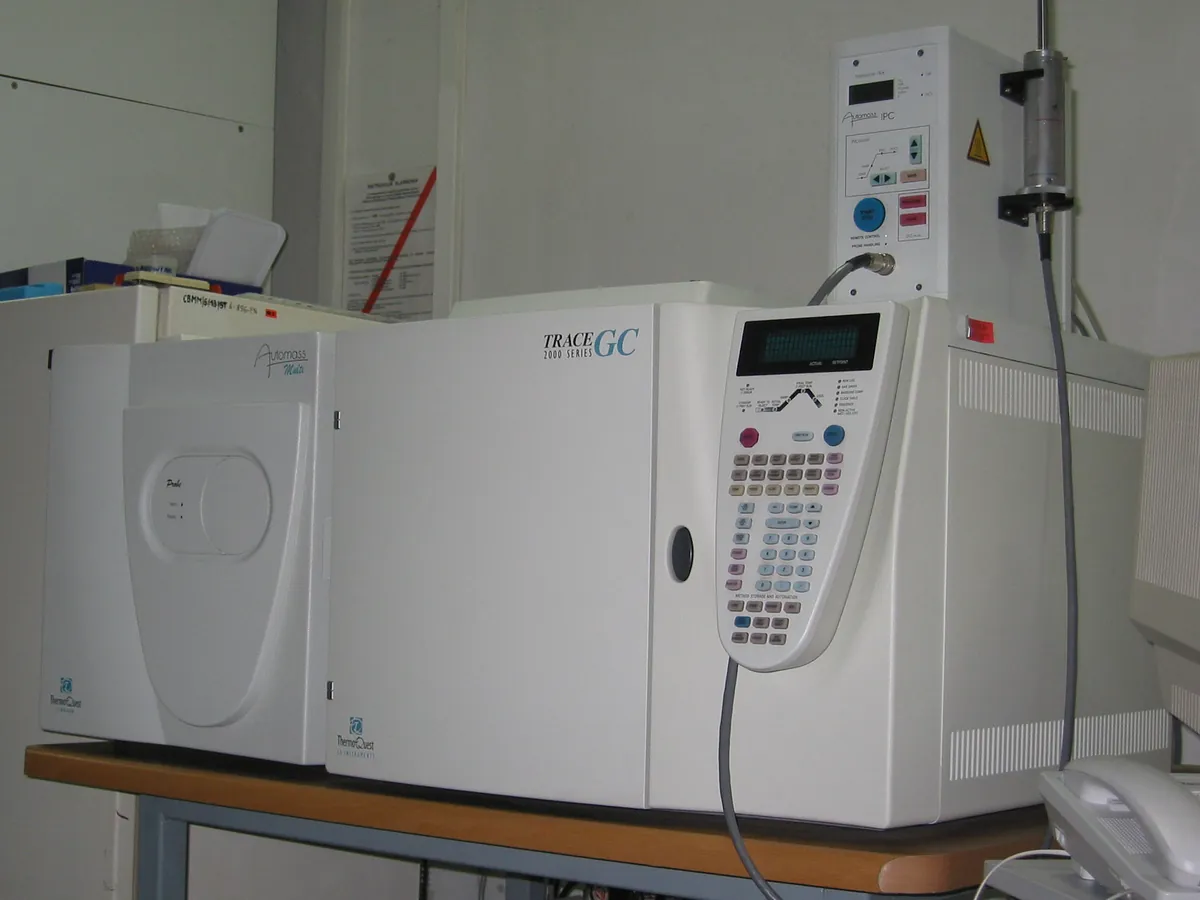
Multi-residue pesticides by QuEChERS and LC-MS/MS / GC-MS/MS
Extracts hundreds of pesticides at once from a homogenised food with acetonitrile, partitions out the water with salts, removes sugars, fatty acids and pigments by dispersive SPE, and measures each pesticide by tandem mass spectrometry — LC-MS/MS for polar and thermally labile compounds, GC-MS/MS for volatile, non-polar ones.
Open method - Closed-vessel microwave acid digestion followed by ICP-MS with collision/reaction cell
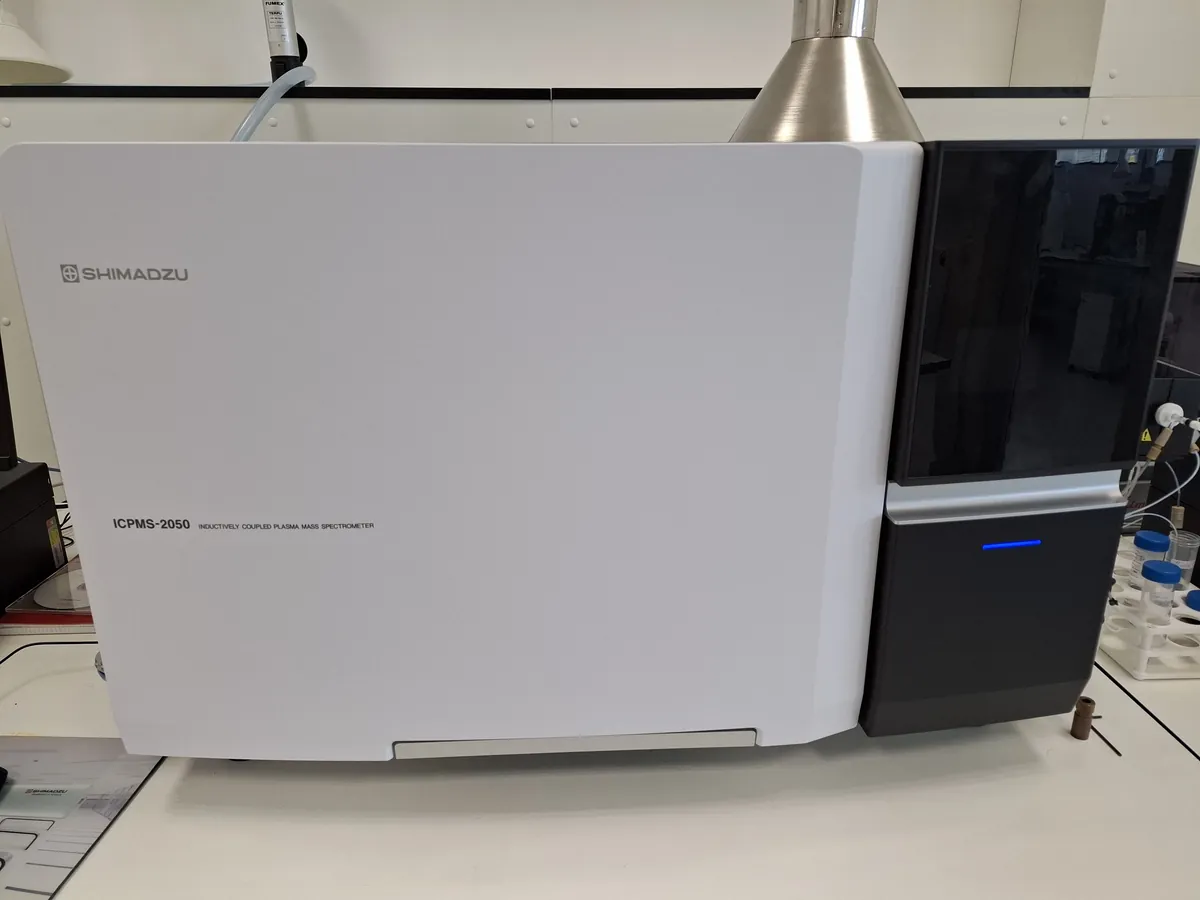
Lead, cadmium, arsenic and mercury in food by ICP-MS
Destroys the organic matrix of a food sample with nitric acid and hydrogen peroxide in sealed vessels in a laboratory microwave digester, dilutes the clear digest with ultrapure water, and measures lead, cadmium, arsenic and mercury together by ICP-MS using internal standards.
Open method - HPLC (reversed phase, UV/DAD detection)
Benzoic acid and sorbic acid by HPLC-UV
Extracts benzoic and sorbic acid (and their salts) from a food or drink, separates them on a C18 column with an acidic buffer–methanol mobile phase, and measures them by UV absorbance against external standards. Results are expressed as the free acids and compared with the permitted maximum levels.
Open method
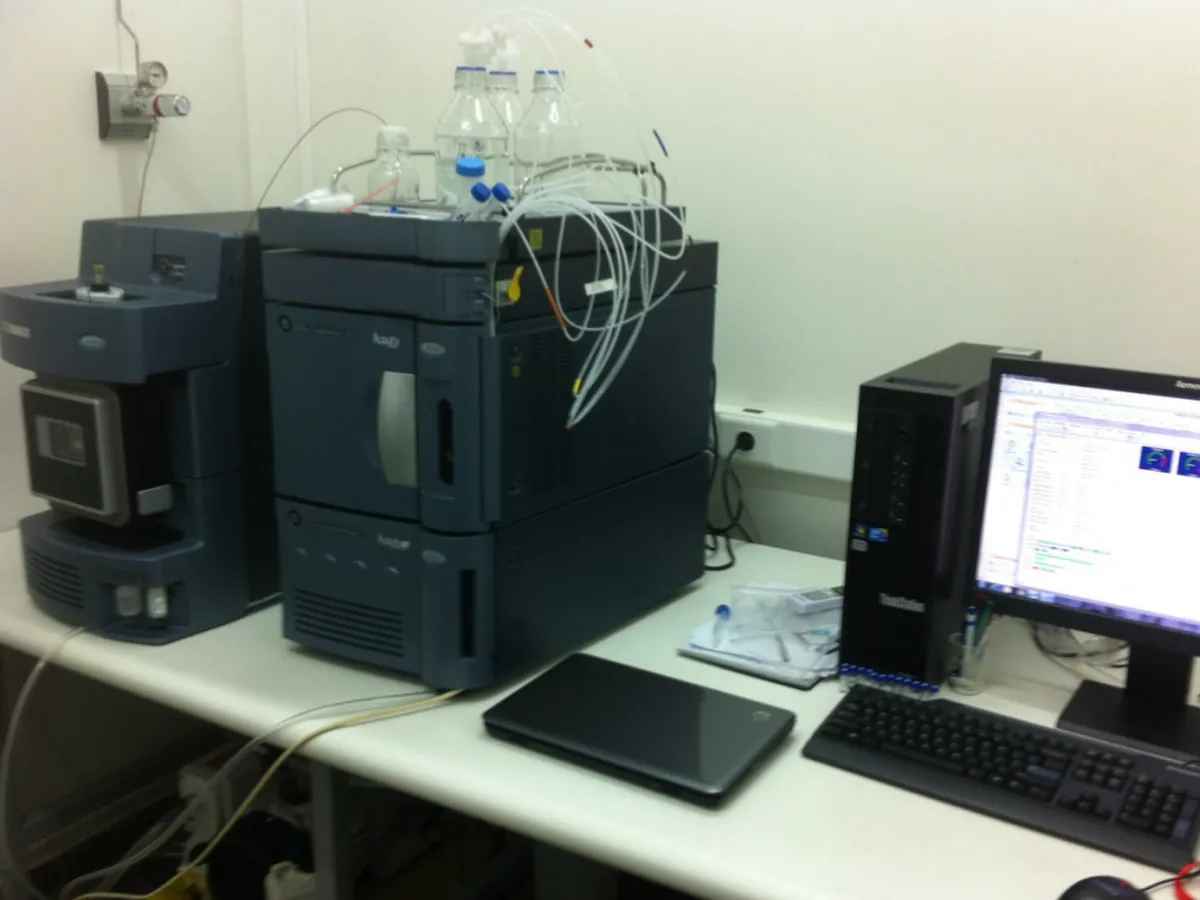
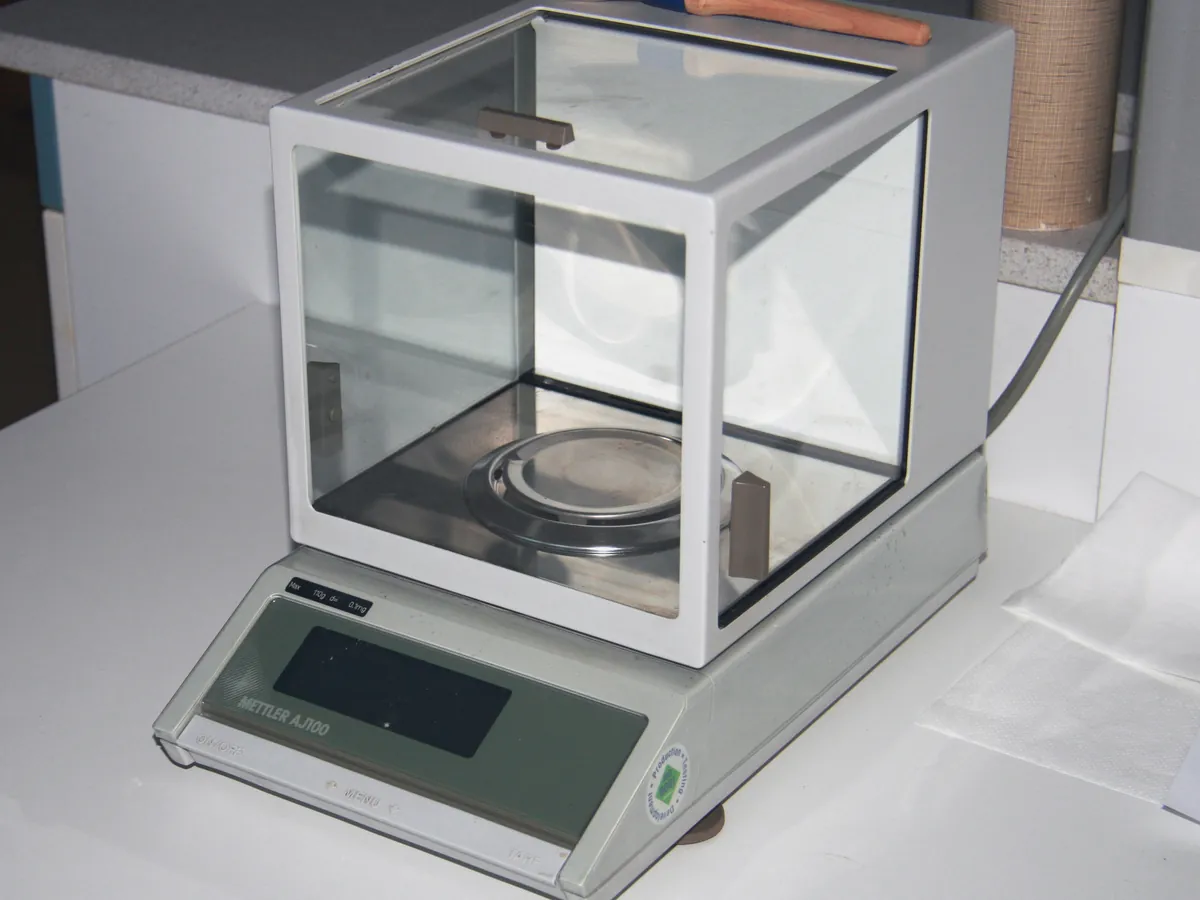
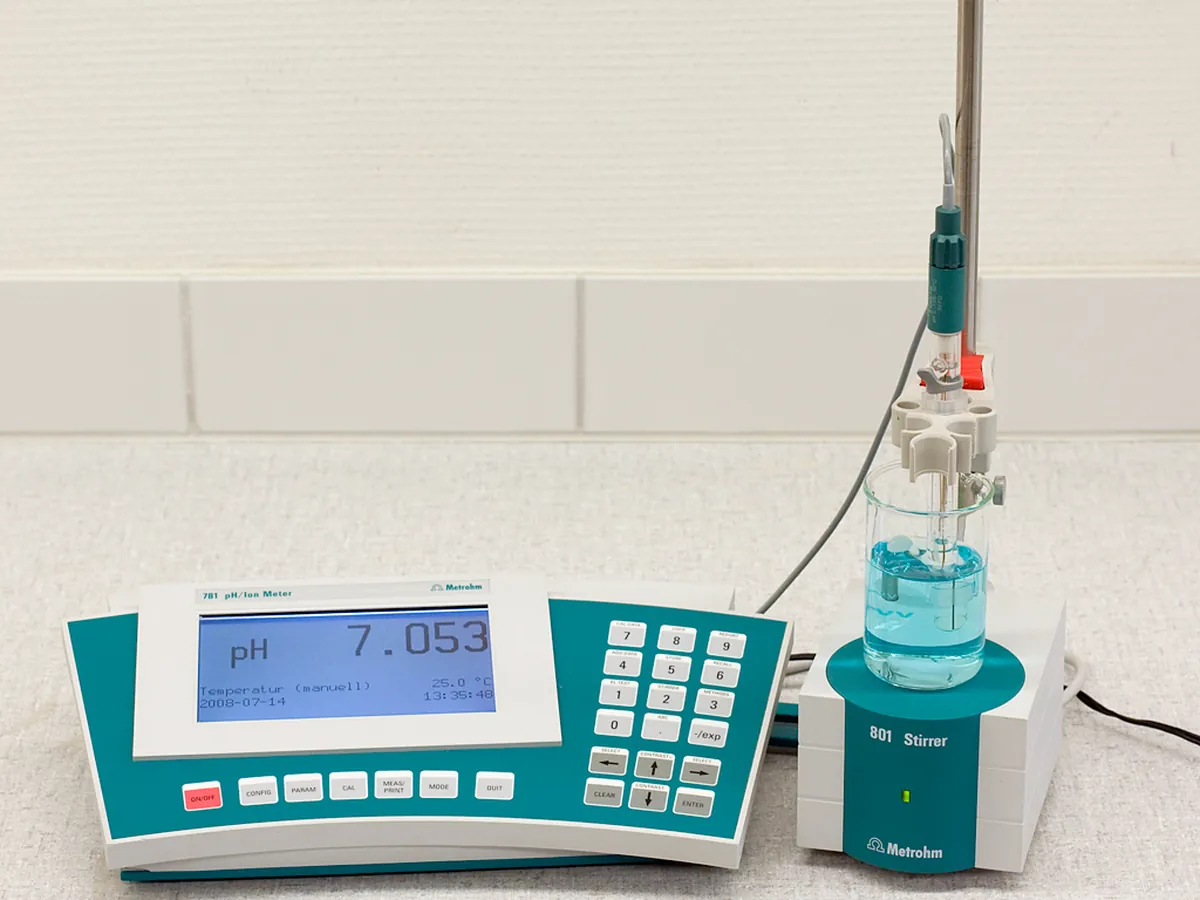
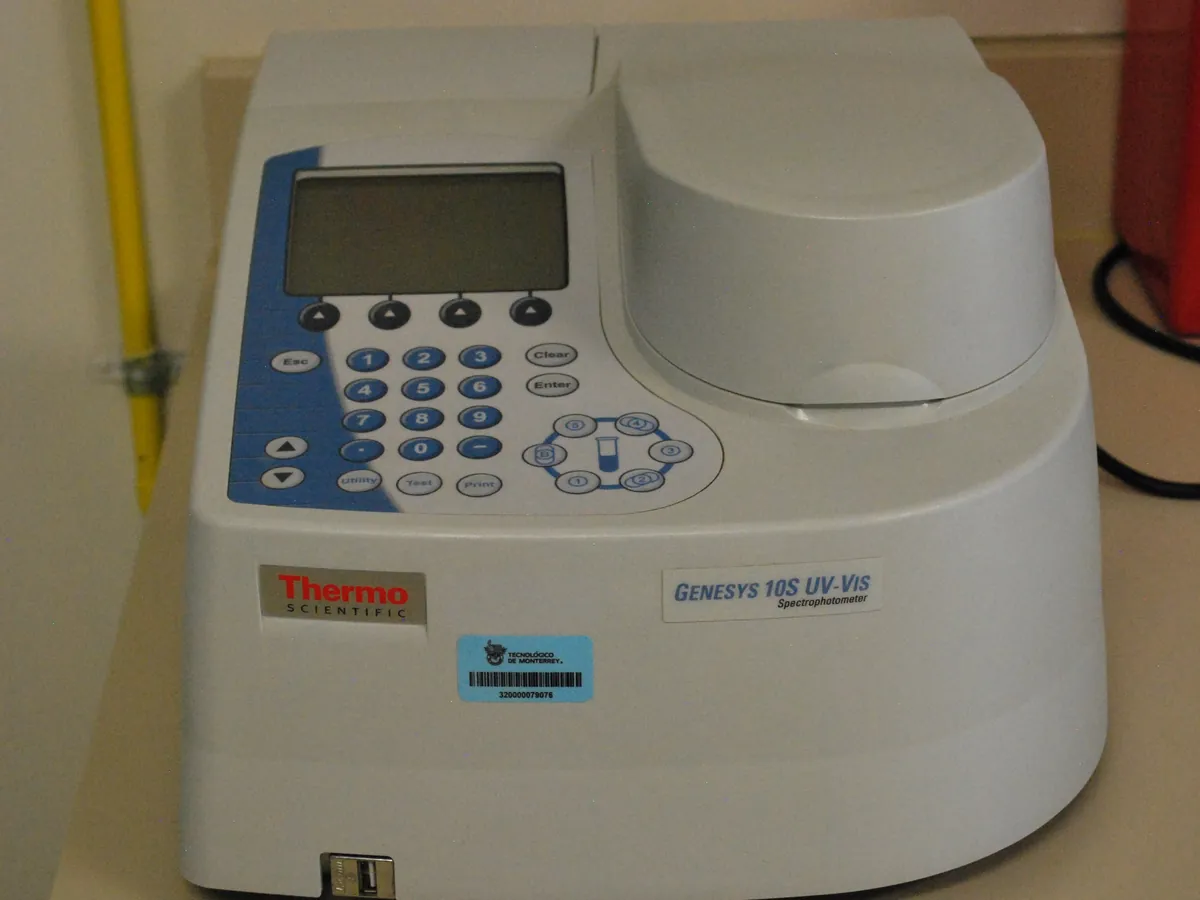
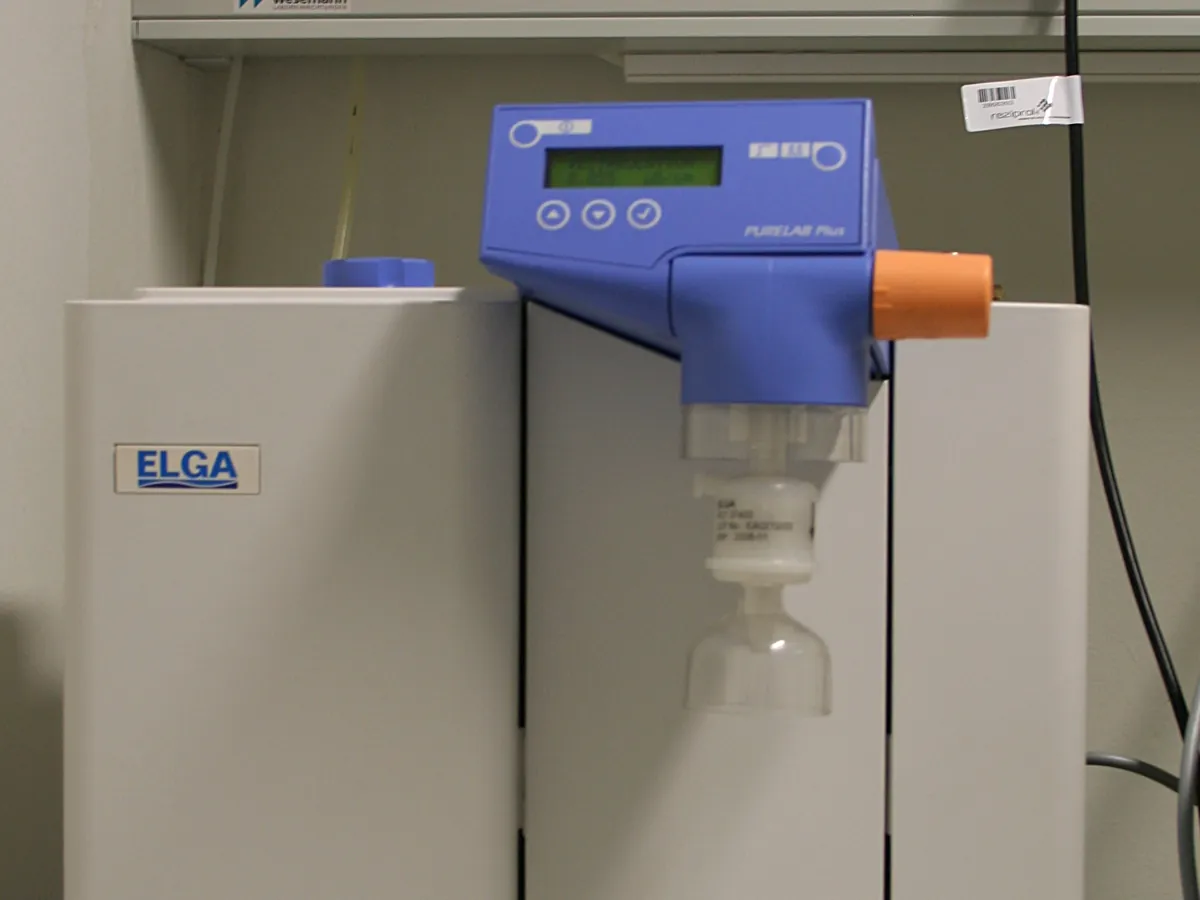
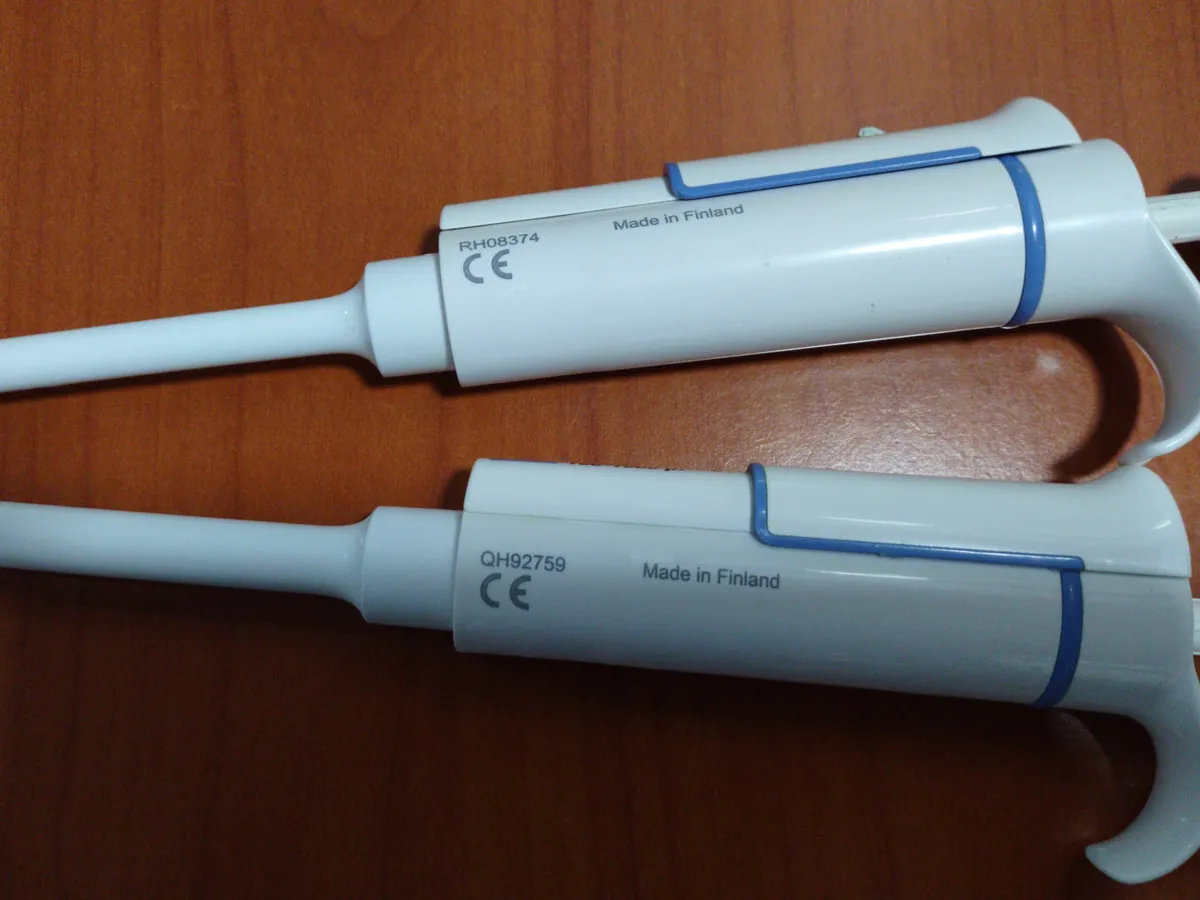
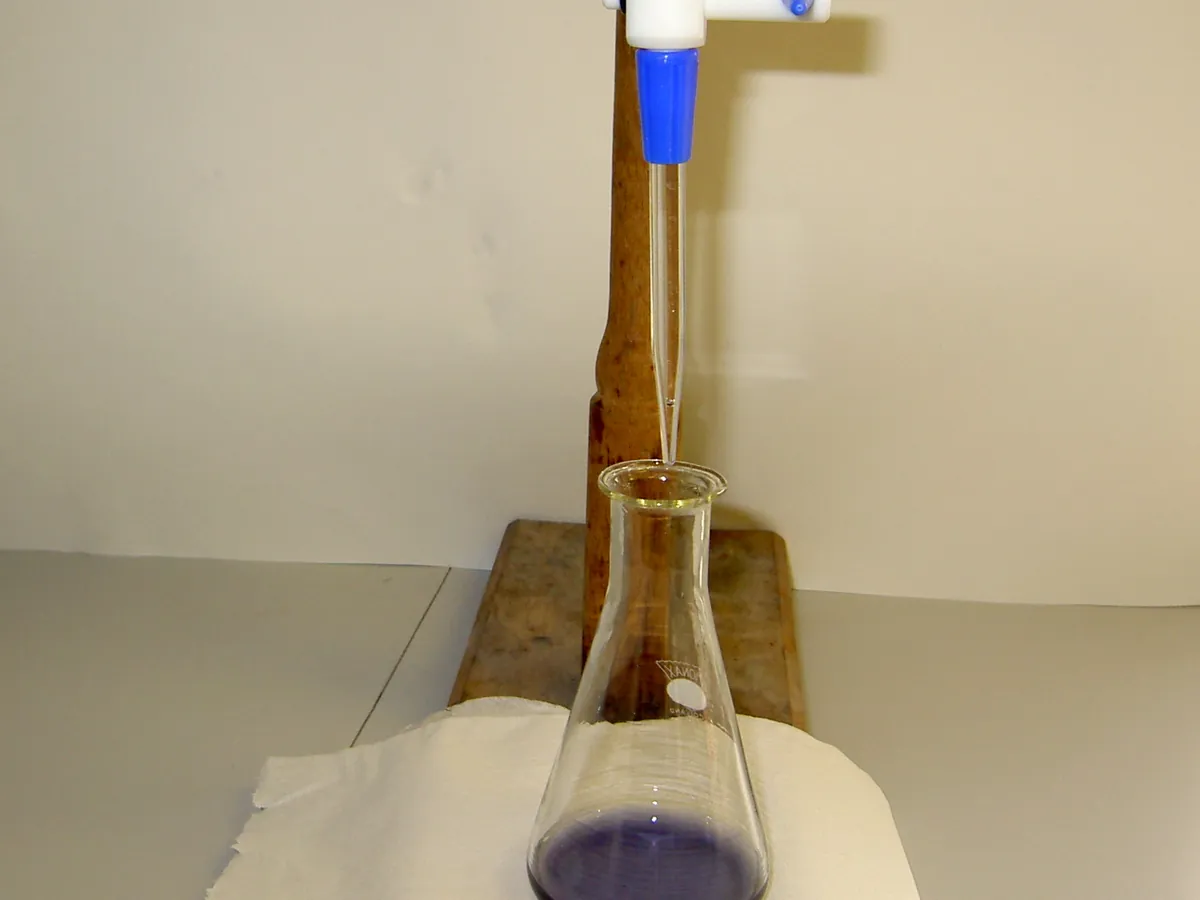
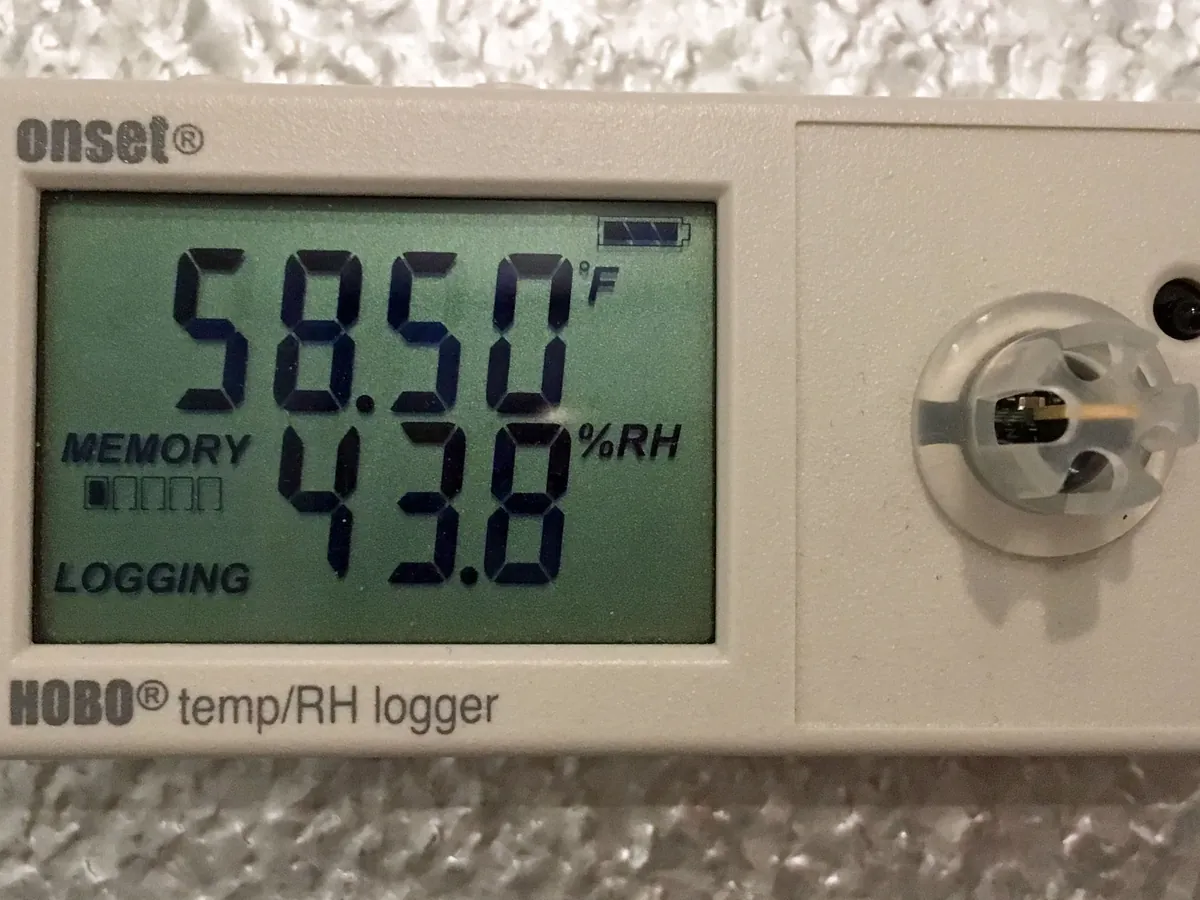
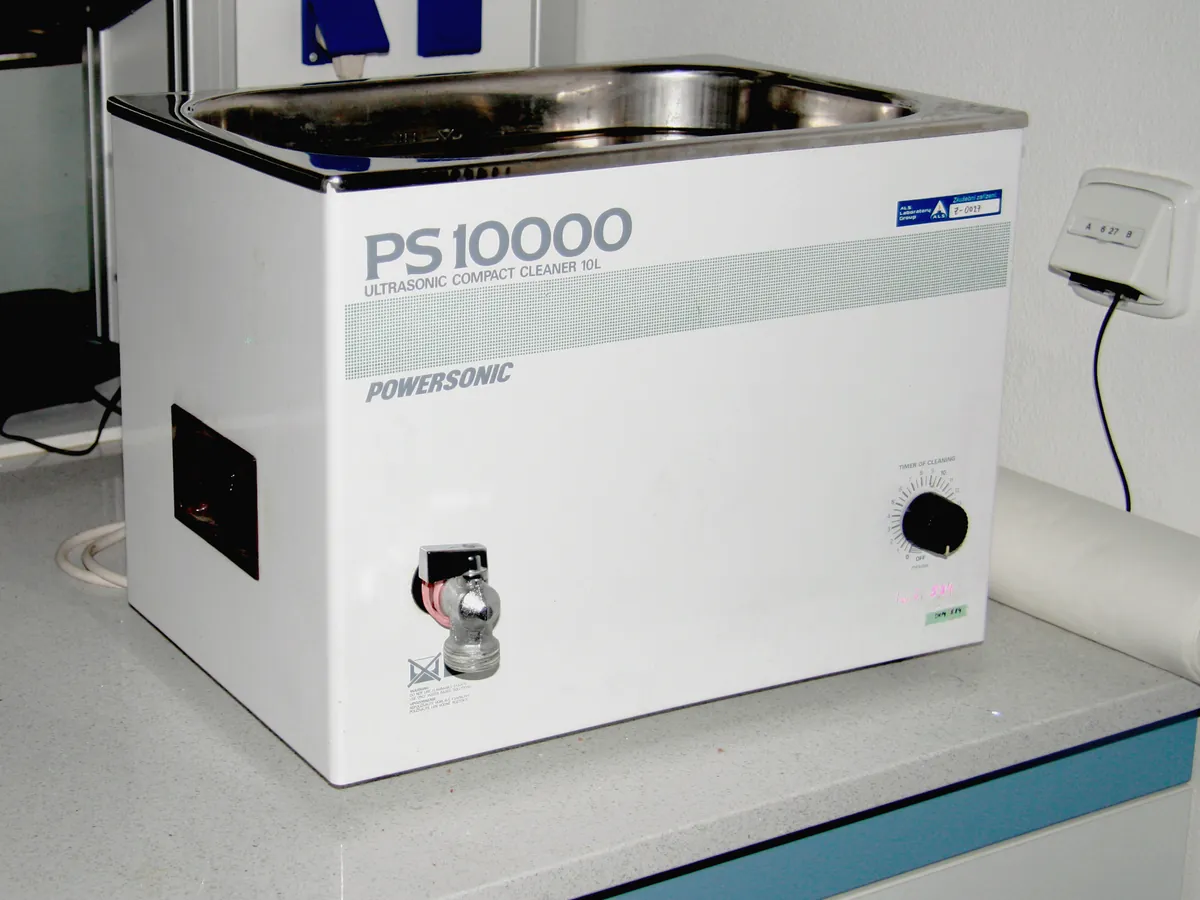
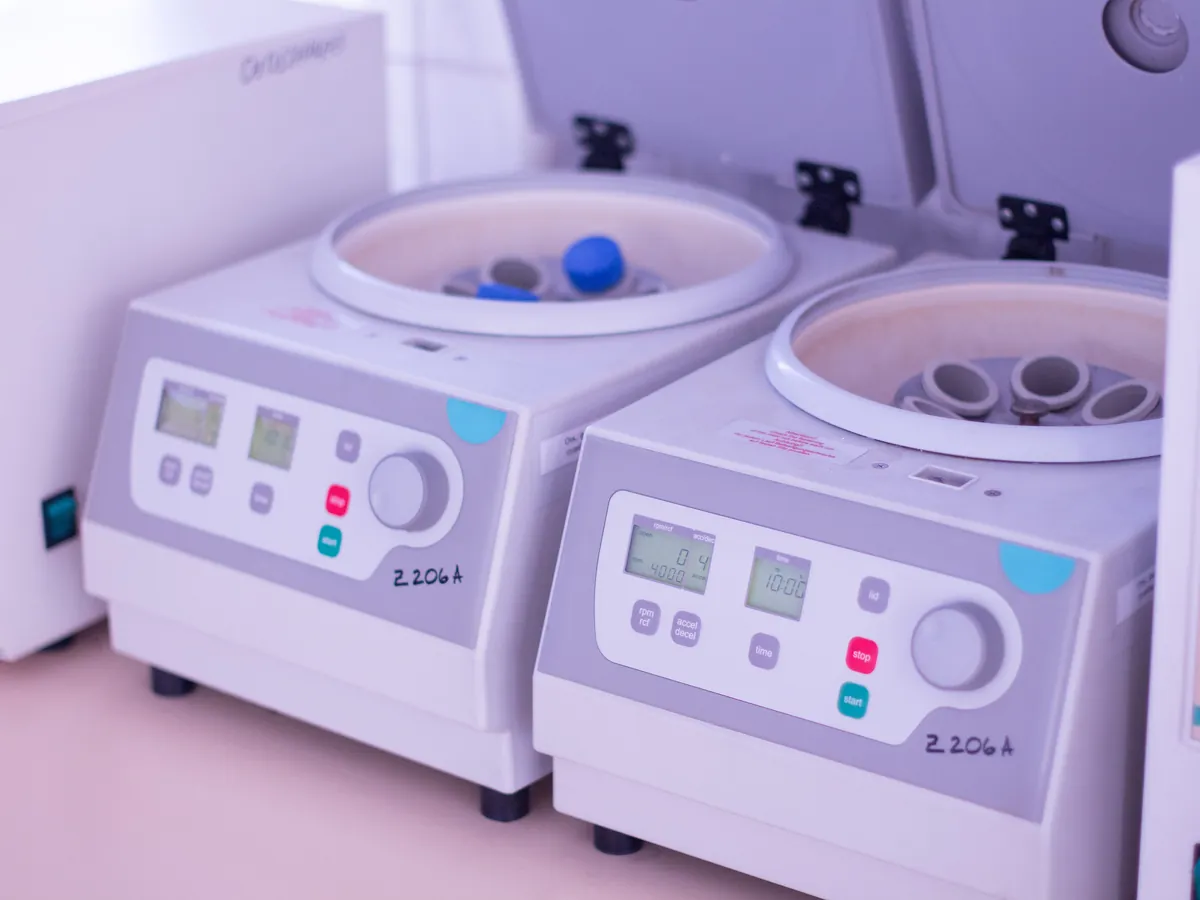
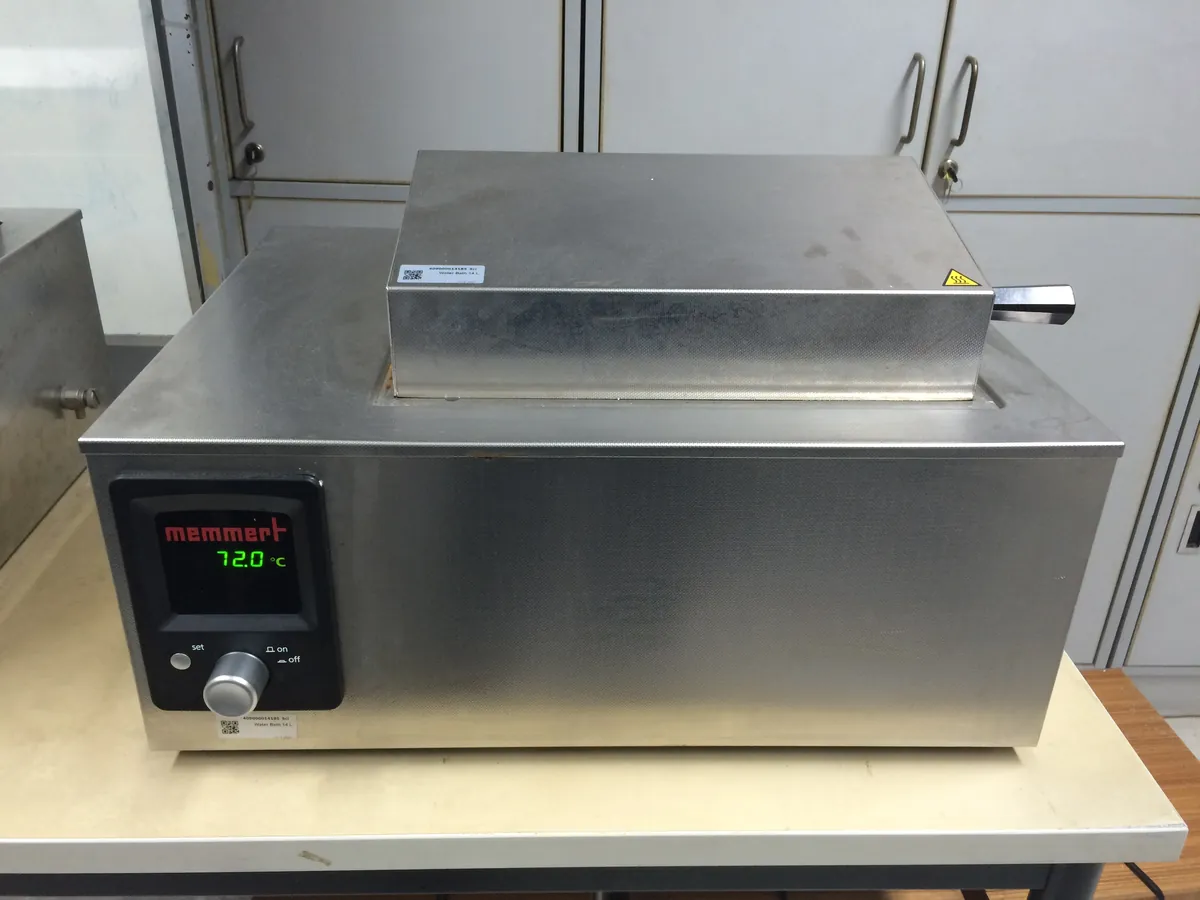
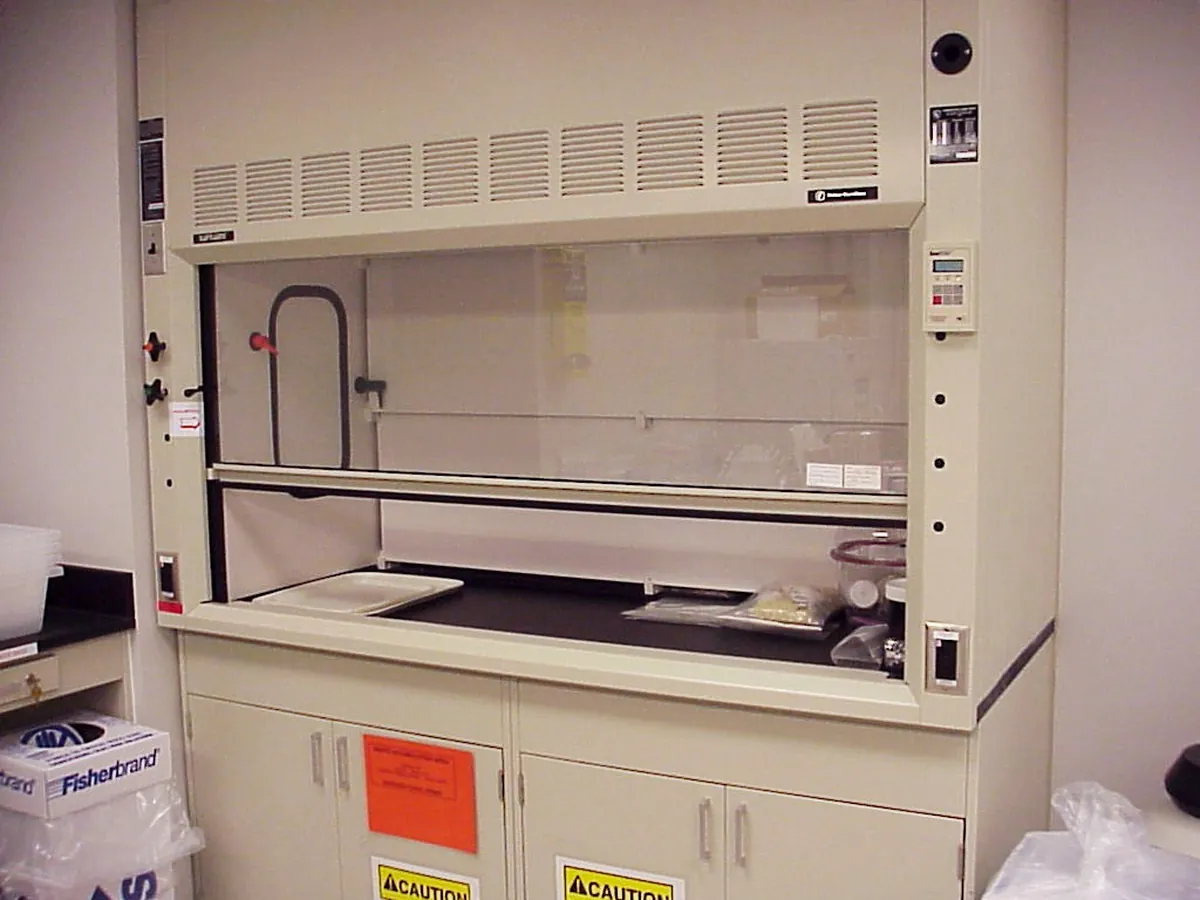
Instruments in a food & beverage lab
Learning paths
Guides
- Food testing basics: composition, contaminants and microbiologyA plain-language map of what a food testing laboratory does: proximate analysis and nutrition labelling, contaminants and residues, additives, microbiology, sampling, and the ISO/IEC 17025 quality system that makes the results trustworthy.
- Good practices in the QC laboratoryThe everyday GMP expectations for a pharmaceutical QC lab: specifications and test procedures, sampling, reagent and solution labelling, instrument status and logbooks, calibration, analyst training, review of data, retention samples and basic safety.