Lead, cadmium, arsenic and mercury in food by ICP-MS
Destroys the organic matrix of a food sample with nitric acid and hydrogen peroxide in sealed vessels in a laboratory microwave digester, dilutes the clear digest with ultrapure water, and measures lead, cadmium, arsenic and mercury together by ICP-MS using internal standards.
- Food & beverage
- Closed-vessel microwave acid digestion followed by ICP-MS with collision/reaction cell
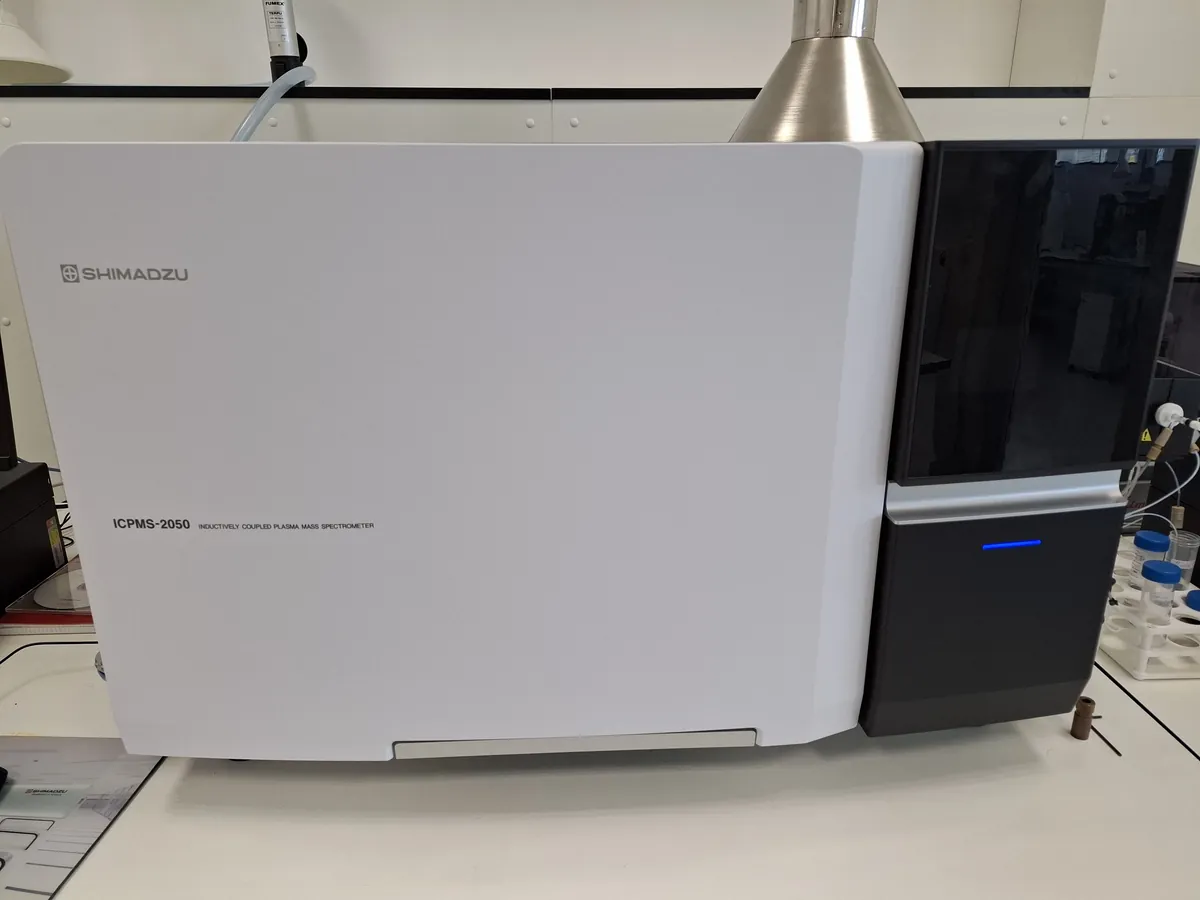
- ICP-MS
- Analytical balance
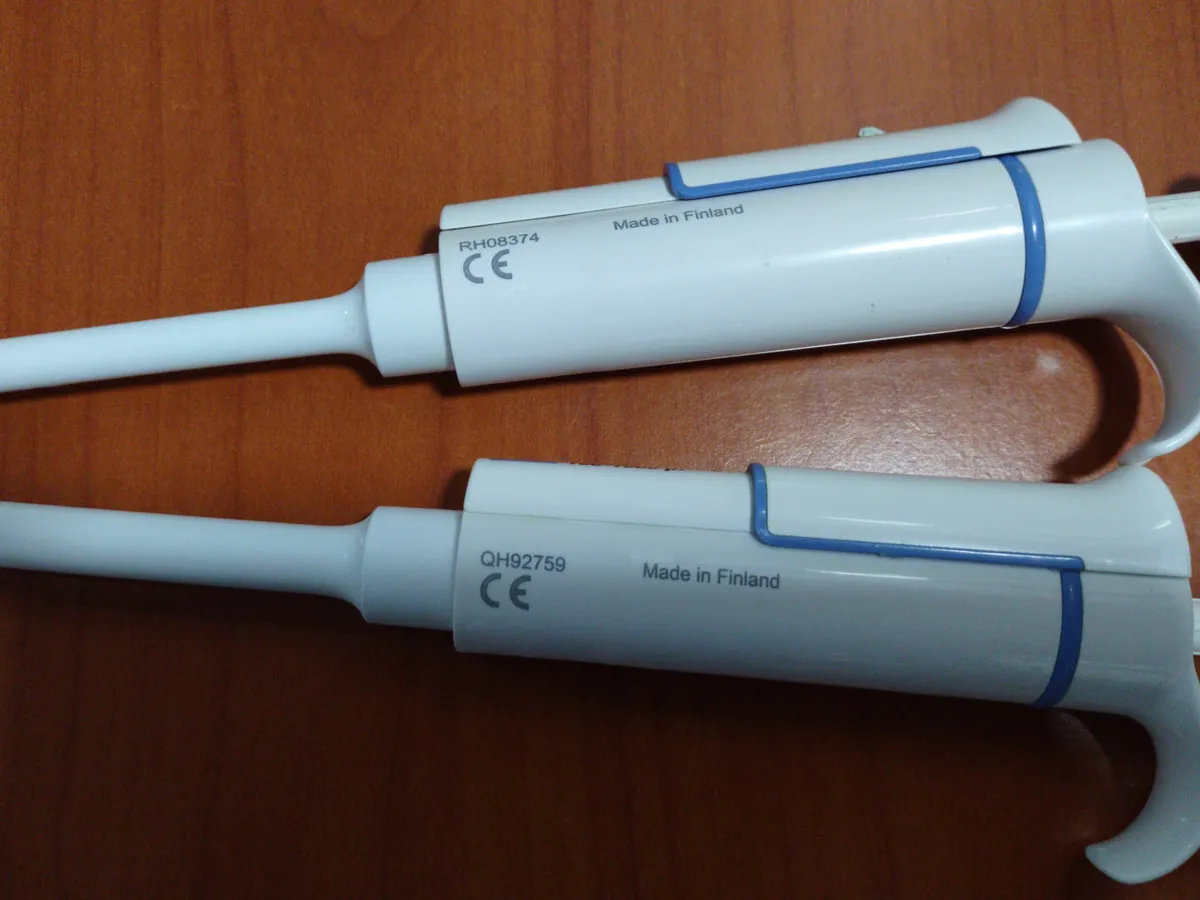
- Micropipette
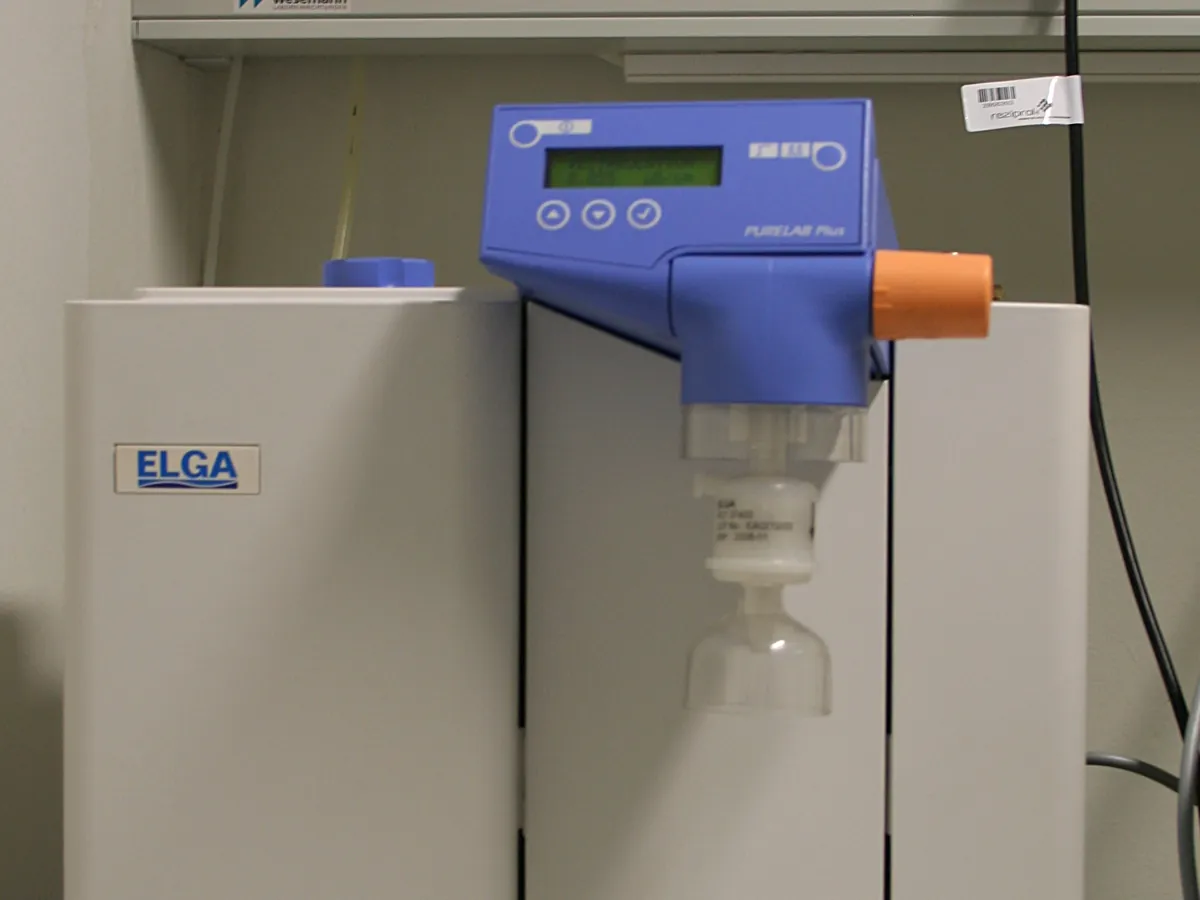
- Lab water system
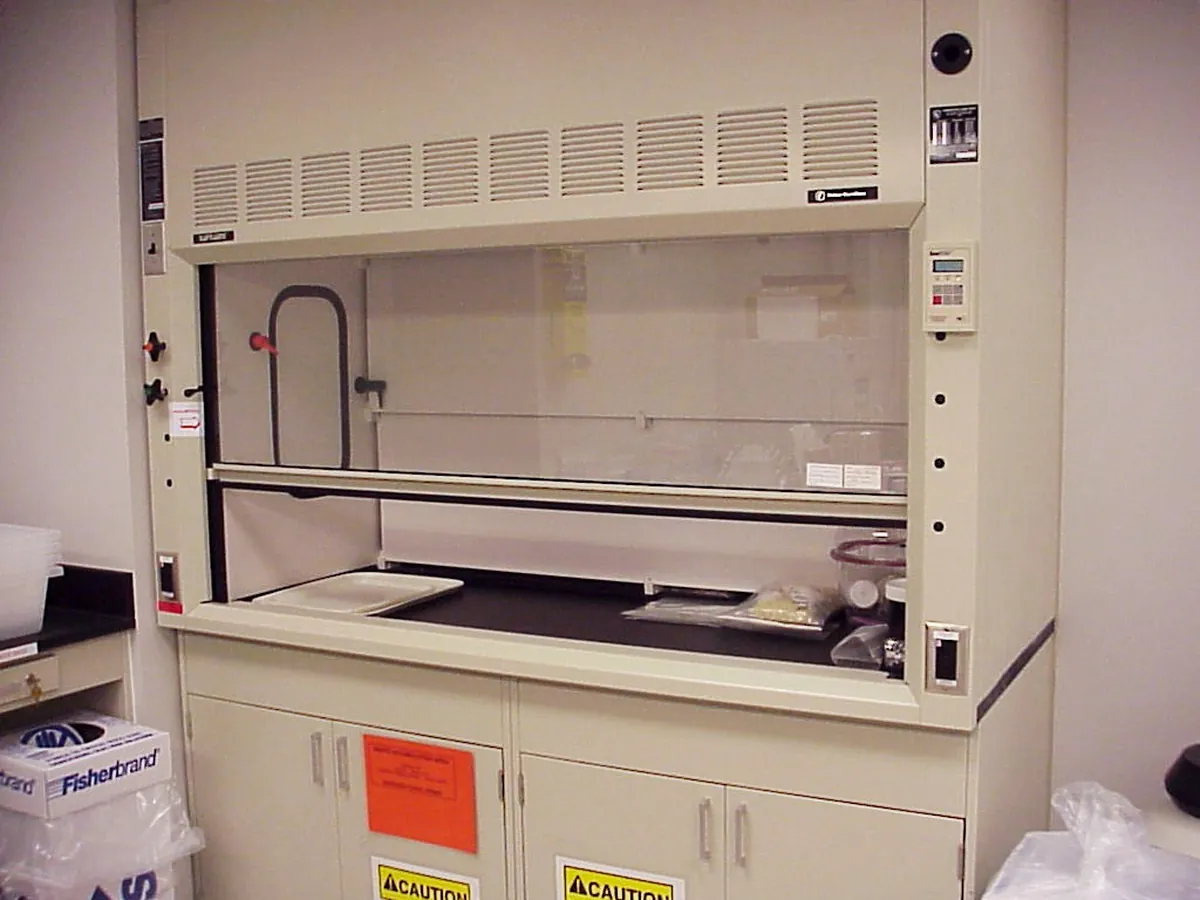
- Fume hood
Reference: Typical method based on EN 13805 (pressure digestion) and EN 15763 (As, Cd, Hg and Pb by ICP-MS), and AOAC multi-element ICP-MS methods for food. Follow your validated method.
Why this method works
In closed-vessel microwave digestion, nitric acid (with hydrogen peroxide) at about 200–220 °C and high pressure oxidises fats, proteins and carbohydrates to CO₂ and water, leaving the elements in solution. Sealed vessels prevent loss of volatile elements such as mercury and arsenic. The digest is nebulised into an argon plasma at about 6000–10 000 K, where the elements are ionised. The mass spectrometer separates ions by mass-to-charge ratio and counts them. A collision cell with helium removes polyatomic interferences, for example ⁴⁰Ar³⁵Cl⁺ on ⁷⁵As⁺. Internal standards correct for signal drift and matrix suppression.
Instruments used

Reagents & standards
| Reagent | Grade / specification |
|---|---|
| Nitric acid | Ultrapure / trace-metal grade, about 65–69% |
| Hydrogen peroxide | 30%, trace-metal grade |
| Hydrochloric acid | Trace-metal grade, small amount to stabilise mercury (or gold solution) |
| Multi-element calibration standards | Certified, traceable; Pb, Cd, As, Hg |
| Internal standards | e.g. Ge, Rh, In, Ir or Bi, added online or to every solution |
| Water | Ultrapure, 18.2 MΩ·cm |
| Certified reference material | Food CRM of similar matrix (e.g. rice flour, fish tissue) |
Preparing the sample
- 01
Homogenise
Grind or blend with non-metallic tools.
- 02
Weigh
0.5 g into a cleaned PTFE / TFM vessel.
- 03
Add acids
5 mL HNO₃ + 1 mL H₂O₂; pre-digest 15 minutes.
- 04
Microwave
Ramp to about 200 °C and hold 15–20 minutes.
- 05
Dilute
Cool, transfer and dilute to 50 mL with ultrapure water.
- 06
Measure
Run on ICP-MS with internal standards.
Procedure
- 1Homogenise the sample using titanium, ceramic or plastic tools to avoid contamination. Dry or freeze-dry very wet samples if required by the method and correct for moisture.
- 2Weigh about 0.5 g (dry foods) or up to 1–2 g (wet foods, within the vessel limit) into an acid-cleaned microwave vessel. Record the mass to 0.1 mg.
- 3In a fume hood, add 5 mL nitric acid and 1 mL hydrogen peroxide. Let the reaction subside for about 15 minutes before closing the vessel.
- 4Digest in the microwave system using a programme that ramps to about 200 °C and holds for 15–20 minutes. Cool to room temperature before opening.
- 5Transfer quantitatively to a 50 mL acid-cleaned tube, add stabiliser for mercury (e.g. a small amount of HCl or gold) and make up to 50 mL with ultrapure water.
- 6Digest a reagent blank and a CRM with every batch, plus a spiked sample or duplicate.
Standard preparation
- 1Prepare calibration standards in the same acid matrix as the diluted digests, for example 0, 0.1, 0.5, 1, 5 and 10 µg/L for Pb, Cd and As, and 0, 0.05, 0.1, 0.5, 1 and 2 µg/L for Hg.
- 2Prepare an independent check standard from a second source to verify the calibration.
- 3Add internal standards to all blanks, standards and samples at the same concentration (or online via a T-piece).
Notes for analysts
- Contamination is the biggest risk at µg/kg levels. Acid-clean vessels and tubes, use plastic or titanium tools, and run blanks with every batch.
- Mercury sticks to tubing and sample introduction parts (memory effect). Rinse with a solution containing HCl or gold between samples.
- Carbon remaining after digestion enhances the arsenic signal in the plasma. Complete digestion or matrix-matched standards help.
- Sealed microwave vessels are under high pressure. Never open them hot, and never digest more organic material than the vessel limit.
Method parameters (typical)
| Isotopes | ²⁰⁸Pb (or sum of 206 + 207 + 208), ¹¹¹Cd (or ¹¹⁴Cd with Sn correction), ⁷⁵As, ²⁰²Hg |
|---|---|
| Interference removal | Helium collision mode (KED) for As and Cd; O₂ reaction or H₂ mode options on some systems |
| Internal standards | e.g. ⁷²Ge for As, ¹⁰³Rh or ¹¹⁵In for Cd, ¹⁹³Ir or ²⁰⁹Bi for Hg and Pb |
| RF power | Typically 1500–1600 W |
| Nebuliser / spray chamber | Concentric nebuliser, cooled (2 °C) spray chamber |
| Replicates | 3 readings per solution |
System suitability & sequence
| Parameter | Limit |
|---|---|
| Calibration | r ≥ 0.999 for each element |
| Check standard | Within ± 10% of the expected value |
| Internal standard recovery | Typically within 70–130% of the value in the calibration blank |
| CRM recovery | Within the certified range or typically 80–120% |
| Reagent blank | Below the LOQ, or consistently low and subtracted |
Typical sequence
- 1Calibration blank and standards
- 2Independent check standard
- 3Reagent (digestion) blank
- 4CRM
- 5Samples and duplicate
- 6Spiked sample
- 7Continuing calibration check every 10–20 samples and at the end
Calculation with a worked example
Where
- Cₛ
- Concentration in the diluted digest (µg/L)
- C_b
- Concentration in the reagent blank (µg/L)
- V
- Final volume of the digest (mL)
- m
- Mass of sample digested (g)
- 1000
- Converts mL to L; µg/g equals mg/kg
Given
- Sample
- Polished rice, lead
- Cₛ
- 1.84 µg/L
- C_b
- 0.06 µg/L
- V
- 50 mL
- m
- 0.5012 g
Working
- 1
Net concentration = 1.84 − 0.06 = 1.78 µg/L
- 2
Lead in digest = 1.78 µg/L × 0.050 L = 0.0890 µg
- 3
Lead in sample = 0.0890 µg / 0.5012 g = 0.1776 µg/g
- 4
0.1776 µg/g = 0.178 mg/kg
Lead in rice = 0.18 mg/kg (on an as-received basis)
What result passes
- Limits are set per element and commodity by regulation (EU contaminant regulation, FSSAI Contaminants, Toxins and Residues Regulations, Codex CXS 193). For example, lead in cereals is typically limited to about 0.2 mg/kg, and mercury in most fish to about 0.5 mg/kg (1.0 mg/kg for some predatory species). Check the current regulation for your product.
- For rice, the regulated arsenic species is usually inorganic arsenic. A total arsenic result below the inorganic limit shows compliance; a higher total result needs speciation (HPLC-ICP-MS).
- For fish, total mercury is often used as a screen; methylmercury is the toxic form of concern.
Validation parameters (ICH Q2(R2))
| Parameter | Typical requirement |
|---|---|
| Trueness | CRM recovery within the certified uncertainty; proficiency testing |
| LOQ | Typically 0.005–0.02 mg/kg depending on element and sample mass |
| Precision | Repeatability RSD typically ≤ 10–15% near the limit |
| Recovery | Spike recovery typically 80–120% |
| Interferences | Collision cell performance verified with chloride and carbon-rich matrices |
Run this method in LimsPulse: specifications and STPs under version control, results calculated and checked against limits, and a signed Certificate of Analysis.