Carbohydrate by Difference and Energy Value of Food
Carbohydrate is calculated as 100 minus the sum of moisture, protein, fat and ash. Energy is then calculated using general factors of 4 kcal/g for protein, 9 kcal/g for fat and 4 kcal/g for carbohydrate, and converted to kilojoules.
- Food & beverage
- Calculation from proximate analysis
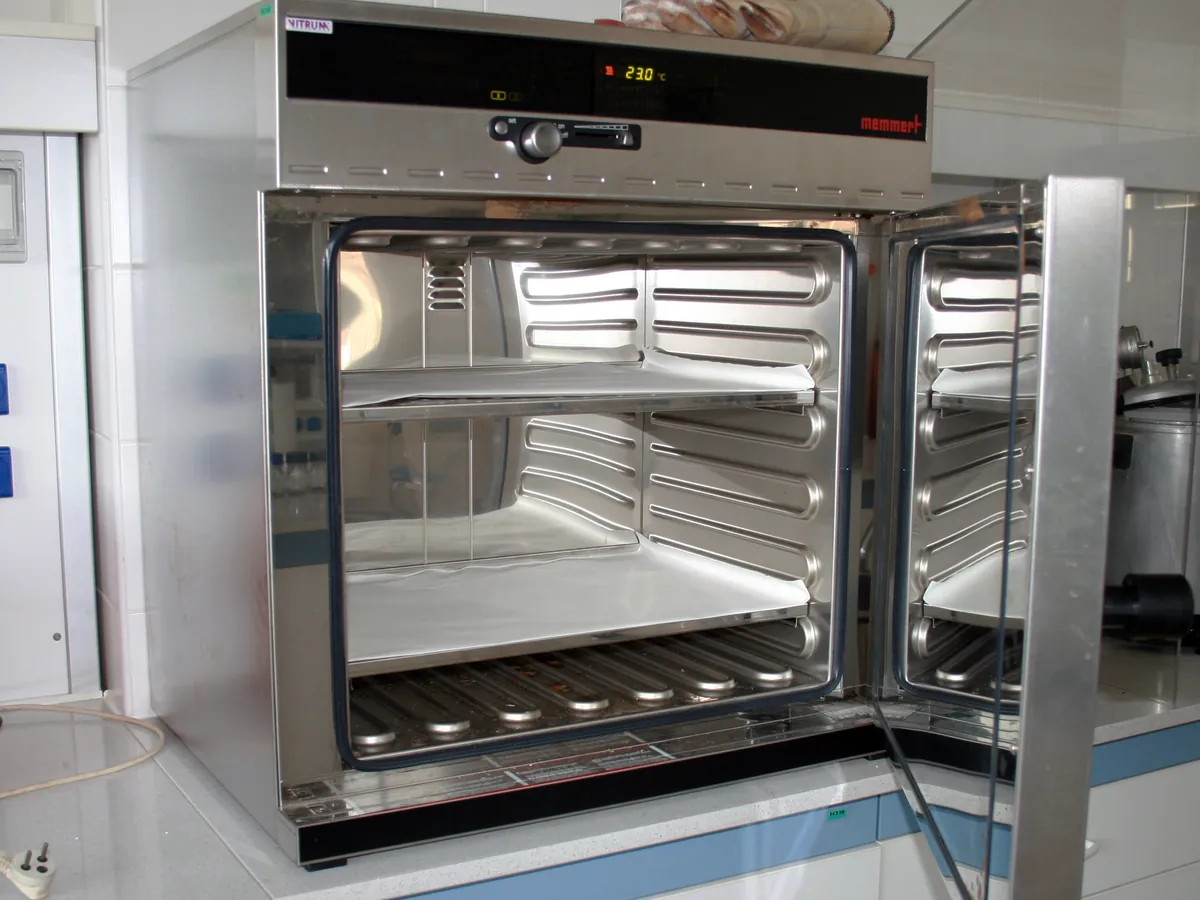
- Hot air oven
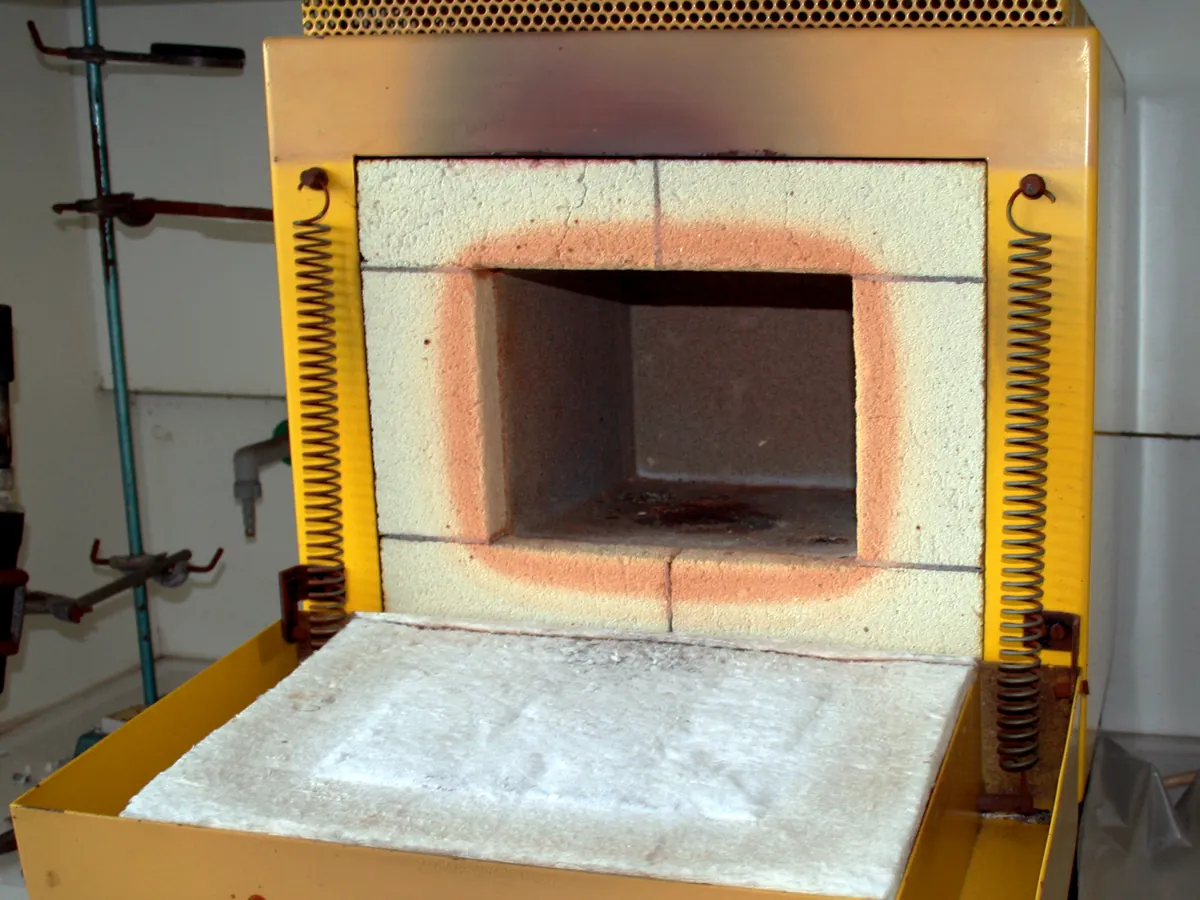
- Muffle furnace
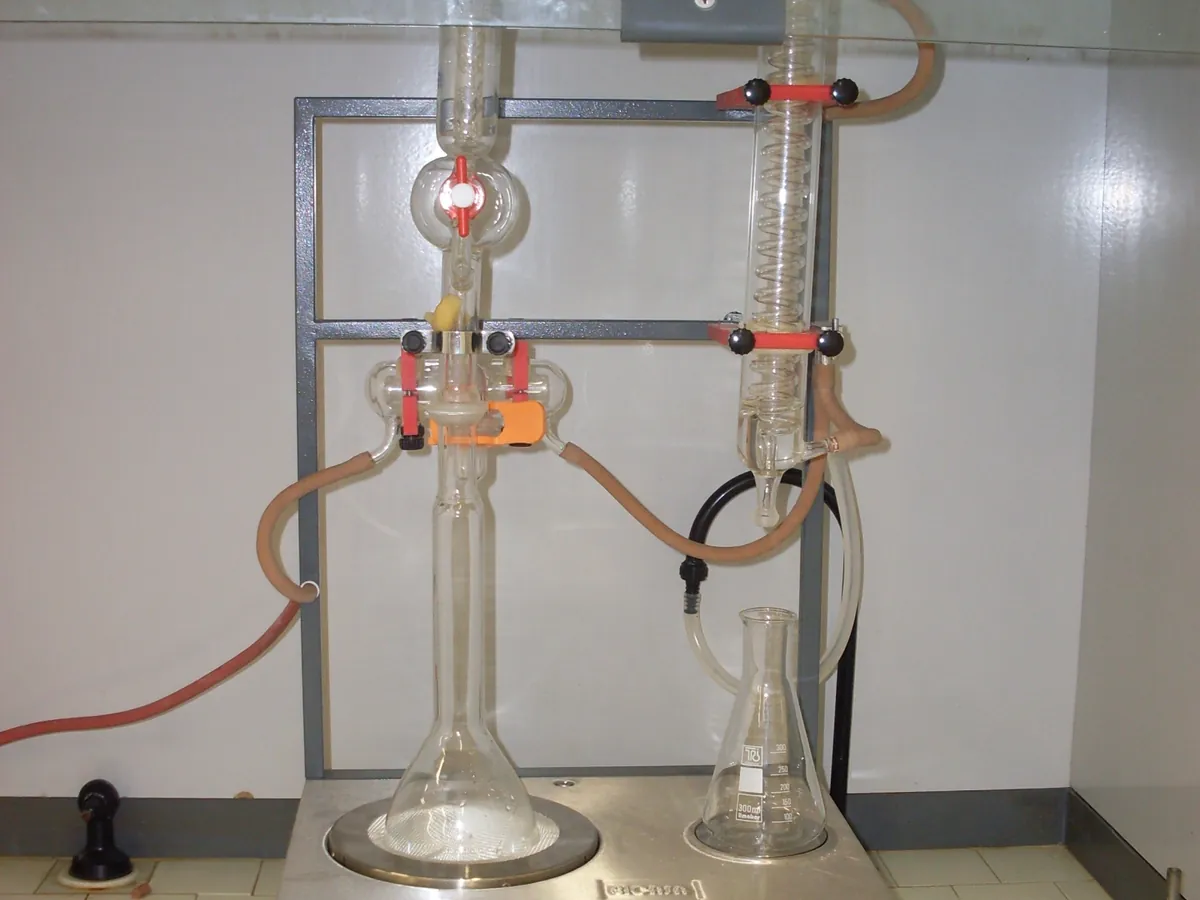
- Kjeldahl
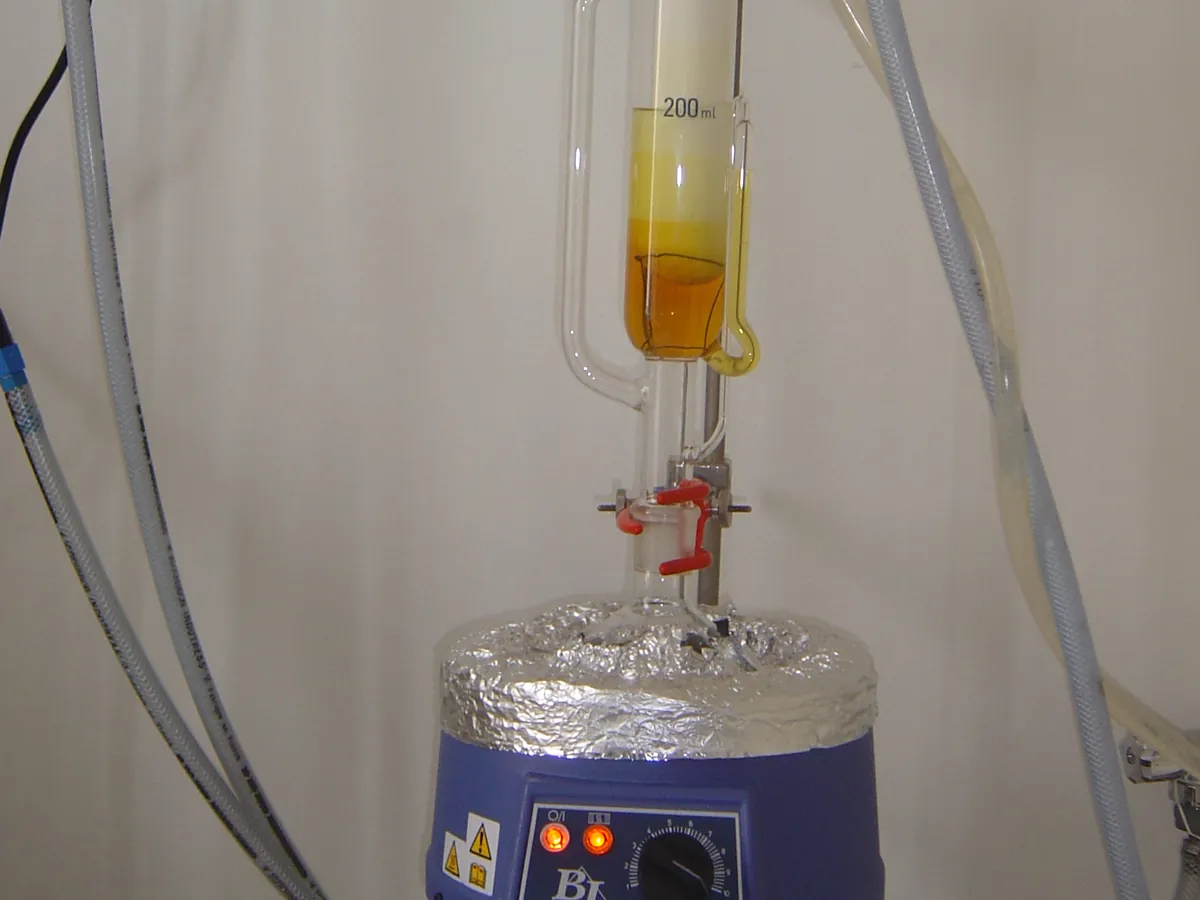
- Soxhlet
Reference: Typical approach used in the FSSAI Manual of Methods of Analysis of Foods, Codex Guidelines on Nutrition Labelling (CXG 2-1985) and FAO Food and Nutrition Paper 77. Check the factors your labelling regulation requires.
Why this method works
Proximate analysis divides food into moisture, protein, fat, ash and carbohydrate. Carbohydrate is rarely measured directly; it is taken as whatever is left after the other four are subtracted from 100 g. Energy is the sum of each nutrient's mass multiplied by its energy conversion factor. The general Atwater-type factors are 4 kcal/g (17 kJ/g) for protein and carbohydrate and 9 kcal/g (37 kJ/g) for fat. Some regulations also give factors for fibre, alcohol, organic acids and polyols, and some subtract dietary fibre to give available carbohydrate.
Instruments used
Preparing the sample
- 01
Moisture
Determine moisture by oven drying.
- 02
Ash
Determine total ash by ignition at 550 °C.
- 03
Protein
Determine nitrogen by Kjeldahl and multiply by the protein factor.
- 04
Fat
Determine fat by Soxhlet or acid hydrolysis.
- 05
Calculate
Calculate carbohydrate by difference, then energy.
Procedure
- 1Make sure all results are on the same basis (normally g per 100 g as sold).
- 2Calculate carbohydrate = 100 − (moisture + protein + fat + ash). If dietary fibre is measured and the regulation requires available carbohydrate, subtract it too.
- 3Calculate energy (kcal/100 g) = 4 × protein + 9 × fat + 4 × carbohydrate.
- 4Convert to kJ. Multiplying kcal by 4.184 is the standard conversion; some regulations (for example EU) instead use 17 / 37 / 17 kJ/g directly.
- 5Round as required by the labelling regulation.
Notes for analysts
- Carbohydrate by difference carries all the errors of the other four tests, so each of them must be accurate.
- Check whether your regulation wants total carbohydrate or available carbohydrate (total minus dietary fibre), and whether fibre has its own energy factor (often 2 kcal/g).
- The two kJ routes give slightly different numbers. Use the one your regulation specifies.
Method parameters (typical)
| Protein factor | 4 kcal/g (17 kJ/g) |
|---|---|
| Fat factor | 9 kcal/g (37 kJ/g) |
| Carbohydrate factor | 4 kcal/g (17 kJ/g) |
| kcal to kJ | 1 kcal = 4.184 kJ |
| Basis | Per 100 g as sold (or per serving) |
Calculation with a worked example
Where
- P
- Protein (g/100 g)
- F
- Fat (g/100 g)
- C
- Carbohydrate by difference (g/100 g)
Given
- Moisture
- 10.2 g/100 g
- Protein (N × 6.25)
- 11.8 g/100 g
- Fat
- 2.1 g/100 g
- Ash
- 1.6 g/100 g
Working
- 1
Carbohydrate = 100 − (10.2 + 11.8 + 2.1 + 1.6) = 100 − 25.7 = 74.3 g/100 g
- 2
Energy = (4 × 11.8) + (9 × 2.1) + (4 × 74.3) = 47.2 + 18.9 + 297.2 = 363.3 kcal/100 g
- 3
In kJ = 363.3 × 4.184 = 1520 kJ/100 g
- 4
Using 17 / 37 / 17 kJ/g directly: (17 × 11.8) + (37 × 2.1) + (17 × 74.3) = 1541 kJ/100 g
Carbohydrate = 74.3 g/100 g; energy ≈ 363 kcal (1520 kJ) per 100 g
What result passes
- The calculated values feed the nutrition label; declared values must fall within the tolerances in the applicable labelling regulation.
Run this method in LimsPulse: specifications and STPs under version control, results calculated and checked against limits, and a signed Certificate of Analysis.