Crude Fat in Food by Soxhlet Extraction
A dried, ground sample is extracted with petroleum ether (or another specified solvent) in a Soxhlet apparatus. The solvent is evaporated and the mass of fat left in the pre-weighed flask is reported as crude fat.
- Food & beverage
- Solvent extraction, gravimetric
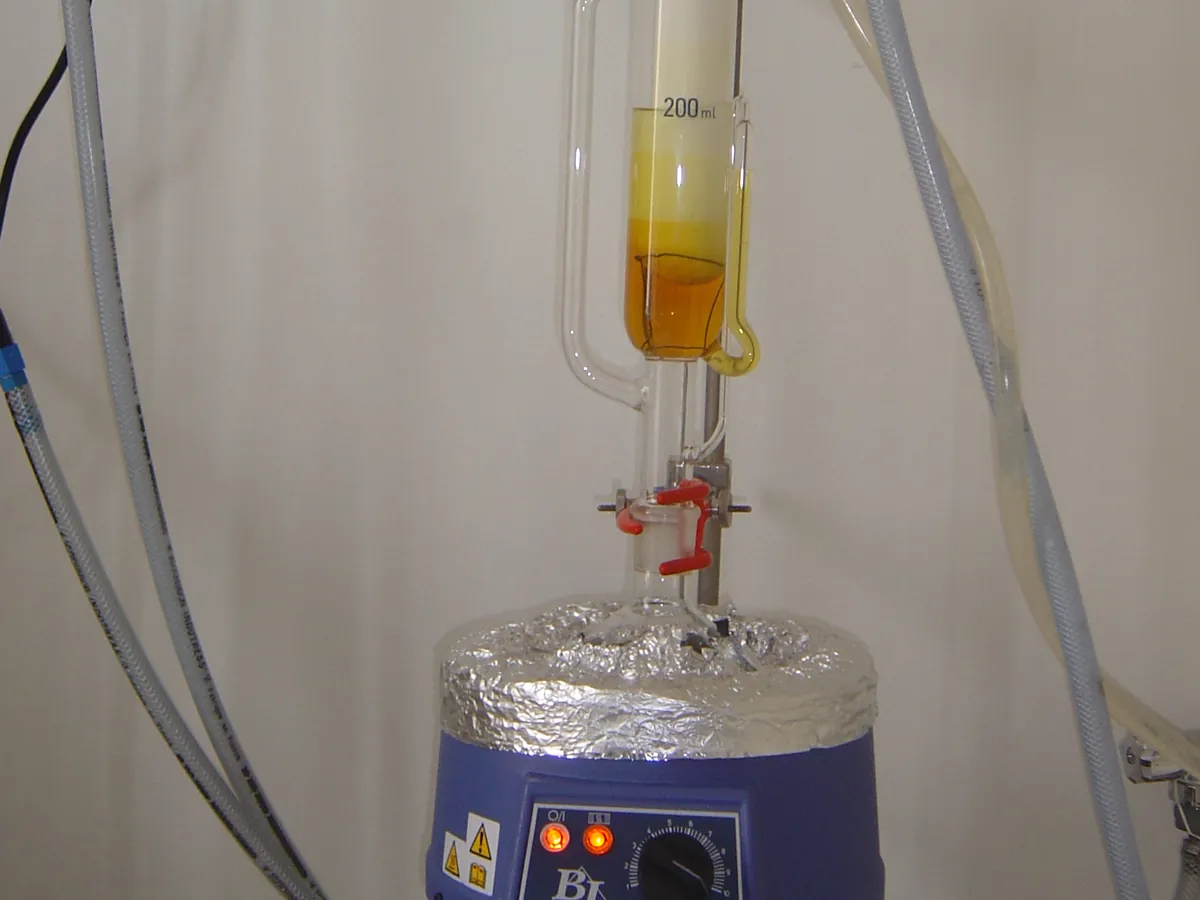
- Soxhlet
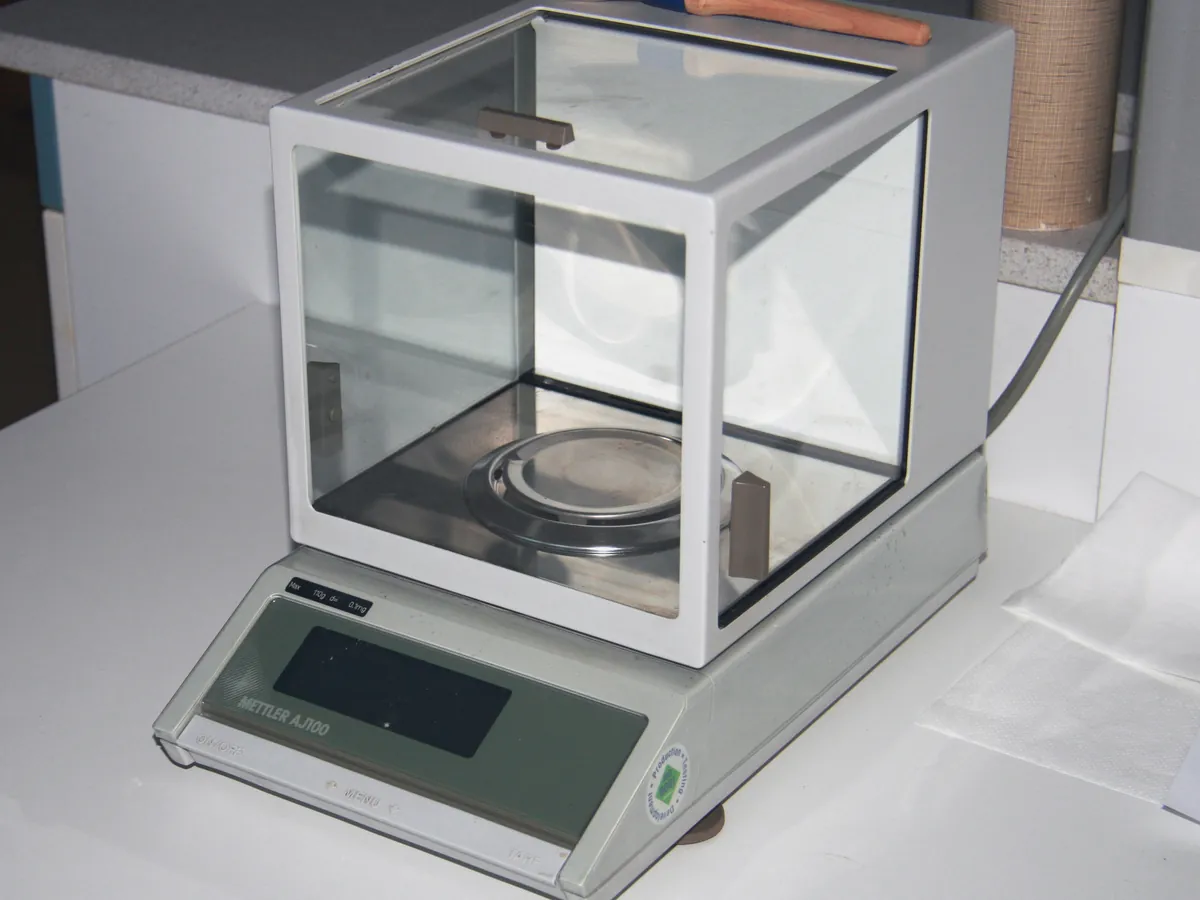
- Analytical balance
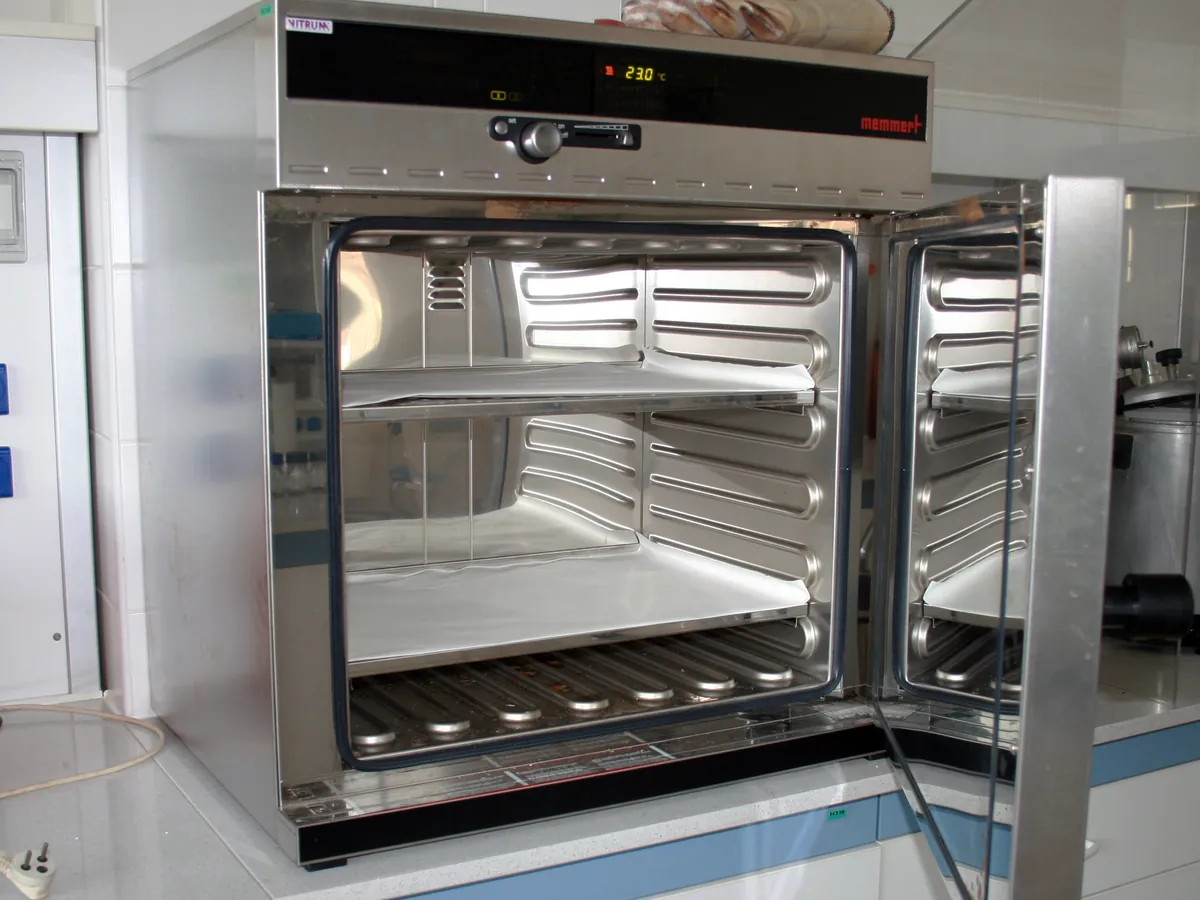
- Hot air oven
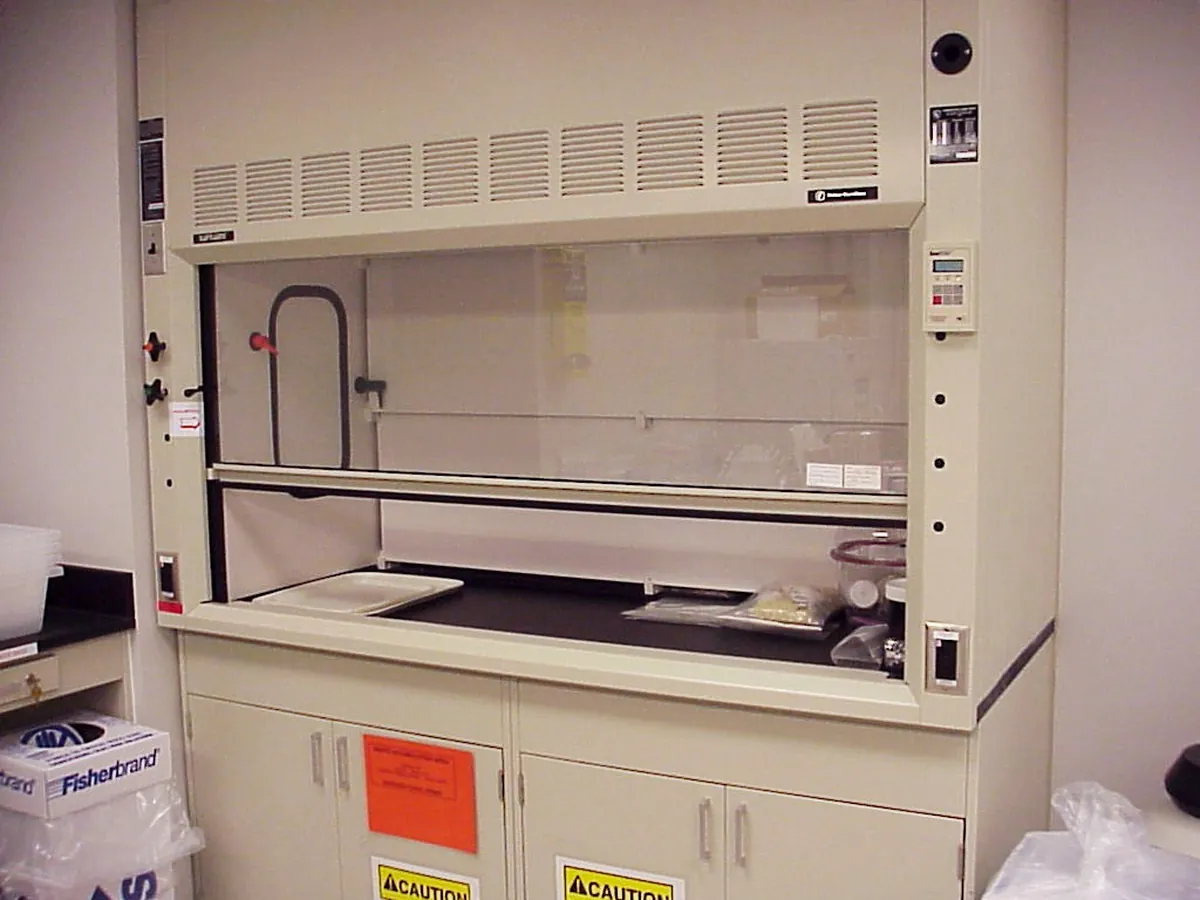
- Fume hood
Reference: Typical method based on AOAC 920.39 and the FSSAI Manual of Methods of Analysis of Foods. Use acid hydrolysis before extraction where total fat is required.
Why this method works
Fats are soluble in non-polar solvents. The solvent repeatedly washes through the sample, dissolving the fat and carrying it to the boiling flask. Because only pure solvent evaporates, the fat collects in the flask. After the solvent is removed, the increase in flask mass is the fat extracted. Water blocks the solvent, so the sample must be dry. Fat bound in protein or starch is only partly extracted unless the sample is first hydrolysed with hydrochloric acid.
Instruments used
Reagents & standards
| Reagent | Grade / specification |
|---|---|
| Extraction solvent | Petroleum ether, boiling range about 40–60 °C (or hexane / diethyl ether as the method specifies), residue-free |
| Hydrochloric acid (optional) | About 4 M, for acid hydrolysis of bound fat |
| Fat-free cotton wool and cellulose thimbles | Extracted beforehand if necessary |
Preparing the sample
- 01
Dry & grind
Dry the sample (for example the moisture residue) and grind it finely.
- 02
Weigh flask
Dry the extraction flask with boiling chips and weigh.
- 03
Load thimble
Weigh about 3–5 g of sample into a thimble; plug with cotton.
- 04
Extract
Extract for the method time (for example 4–6 h classic, or about 1–2 h automated).
- 05
Remove solvent
Recover the solvent and dry the flask to constant mass.
- 06
Weigh
Cool in a desiccator and weigh; calculate fat %.
Procedure
- 1Dry the sample (or use the dried residue from the moisture test) and grind it to pass a 1 mm sieve.
- 2Dry the extraction flask with a few boiling chips at about 100–105 °C, cool in a desiccator and weigh (W1).
- 3Weigh about 3 g of sample (W) into a cellulose thimble and cover with fat-free cotton wool.
- 4Assemble the apparatus, add solvent to the flask (about 1.5 times the extractor volume) and switch on the cooling water.
- 5Heat to give the condensation rate in the method and extract for the full time (for example 4–6 h at several siphon cycles per hour).
- 6Recover the solvent by distillation. Evaporate the last solvent in a fume hood, then dry the flask at about 100–105 °C for 30–60 min.
- 7Cool in a desiccator and weigh (W2). Repeat drying until constant mass.
- 8Run duplicates, an empty-thimble blank and a reference material.
Notes for analysts
- If the sample was dried before extraction, convert the result back to the 'as received' basis using the moisture loss.
- Use the acid hydrolysis (Weibull–Stoldt type) procedure for bakery products, cheese, meat products and other foods with bound fat.
- For liquid milk and dairy products, use dairy-specific methods such as Röse-Gottlieb or Gerber instead.
Method parameters (typical)
| Solvent | Petroleum ether 40–60 °C (or as per method) |
|---|---|
| Sample mass | About 2–5 g dried sample (adjust to give about 0.1–0.5 g fat) |
| Extraction time | Typically 4–6 h classic Soxhlet; automated systems per their validated programme |
| Flask drying | About 100–105 °C to constant mass |
System suitability & sequence
| Parameter | Limit |
|---|---|
| Reference material | Result within its certified or assigned range |
| Blank residue | Negligible (for example below 1 mg) |
| Duplicate agreement | Within method repeatability |
Typical sequence
- 1Blank (empty thimble)
- 2Reference material
- 3Sample prep 1
- 4Sample prep 2
Calculation with a worked example
Where
- W1
- Mass of dry empty flask (g)
- W2
- Mass of flask + extracted fat after drying (g)
- W
- Mass of sample taken (g)
Given
- W
- 3.0126 g (low-moisture biscuit, ground and extracted as received)
- W1
- 112.4518 g
- W2
- 113.0381 g
Working
- 1
Fat extracted = 113.0381 − 112.4518 = 0.5863 g
- 2Fat = 0.5863 ÷ 3.0126 × 100 = 19.46%
Crude fat = 19.5% (as received)
What result passes
- Compare with the label declaration or specification, using the labelling tolerance that applies.
Validation parameters (ICH Q2(R2))
| Parameter | Typical requirement |
|---|---|
| Accuracy | Reference material within certified range; spike recovery with a known oil |
| Precision | Duplicates within method repeatability |
| Robustness | Effect of extraction time, solvent and particle size |
Run this method in LimsPulse: specifications and STPs under version control, results calculated and checked against limits, and a signed Certificate of Analysis.