Multi-residue pesticides by QuEChERS and LC-MS/MS / GC-MS/MS
Extracts hundreds of pesticides at once from a homogenised food with acetonitrile, partitions out the water with salts, removes sugars, fatty acids and pigments by dispersive SPE, and measures each pesticide by tandem mass spectrometry — LC-MS/MS for polar and thermally labile compounds, GC-MS/MS for volatile, non-polar ones.
- Food & beverage
- QuEChERS acetonitrile extraction, dispersive SPE clean-up, LC-MS/MS and GC-MS/MS in MRM mode
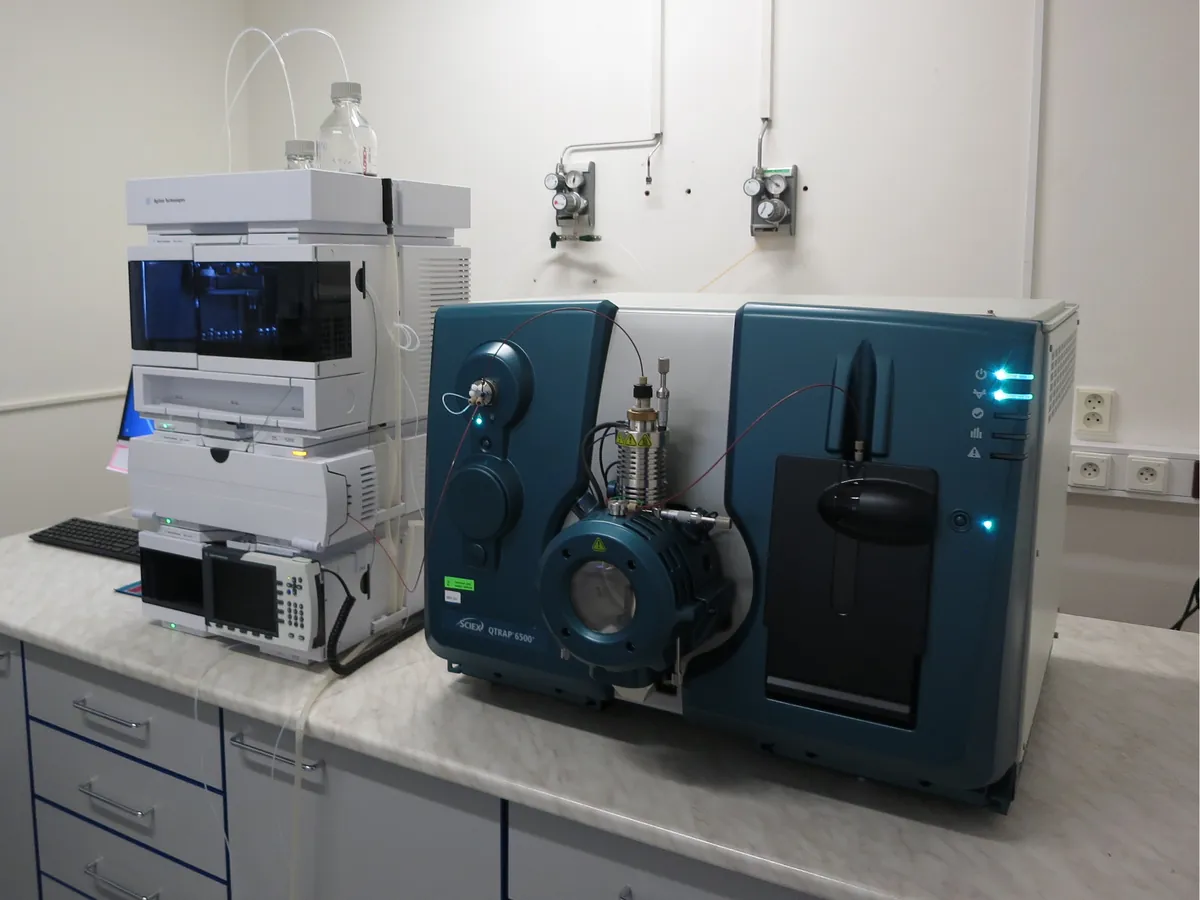
- LC-MS
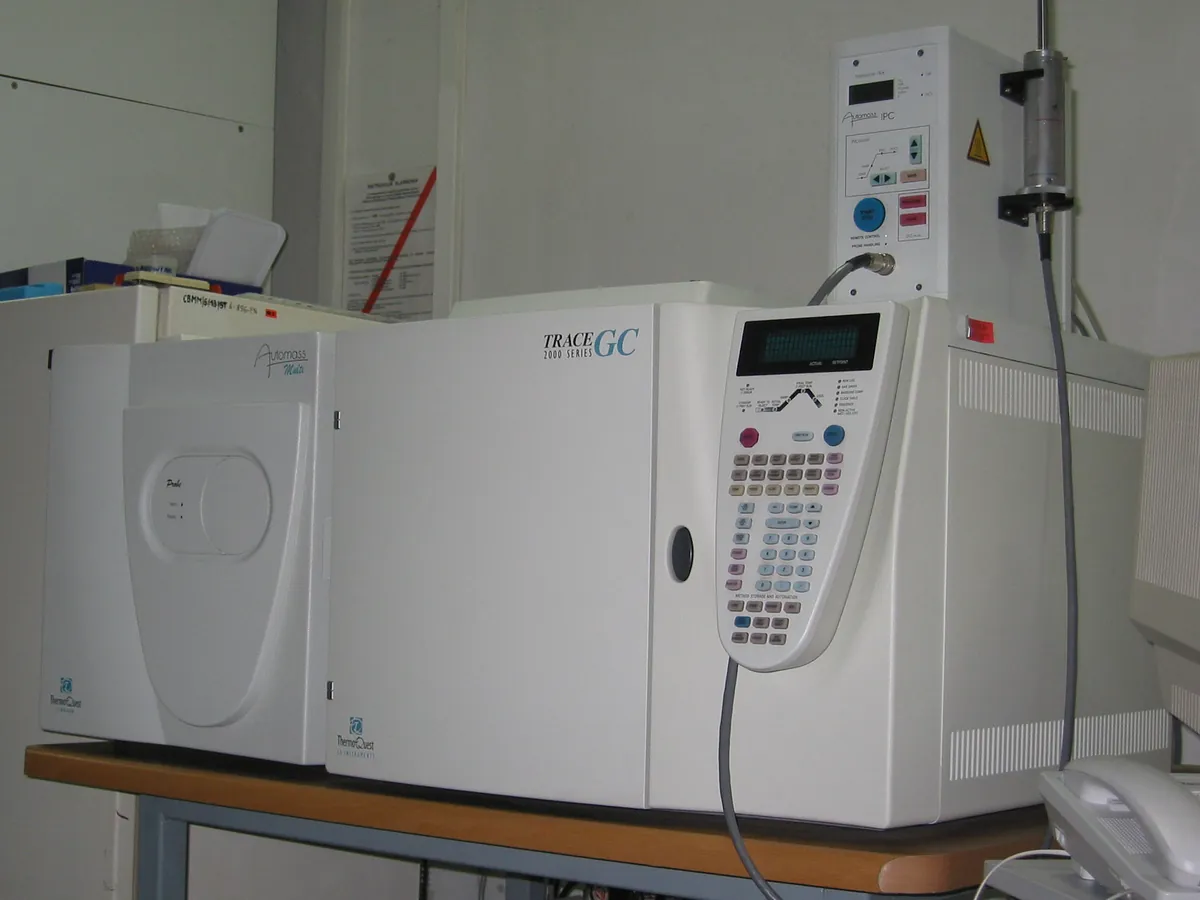
- GC-MS
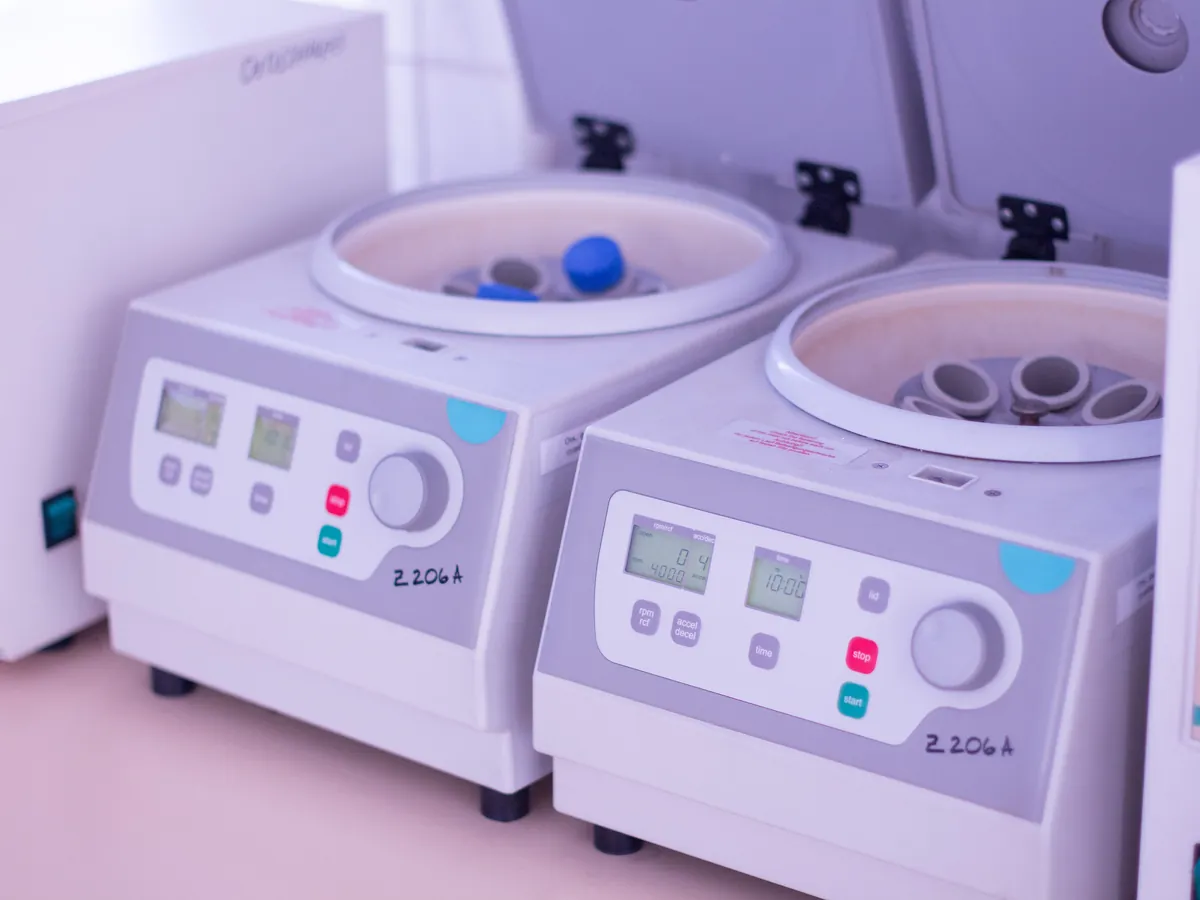
- Centrifuge
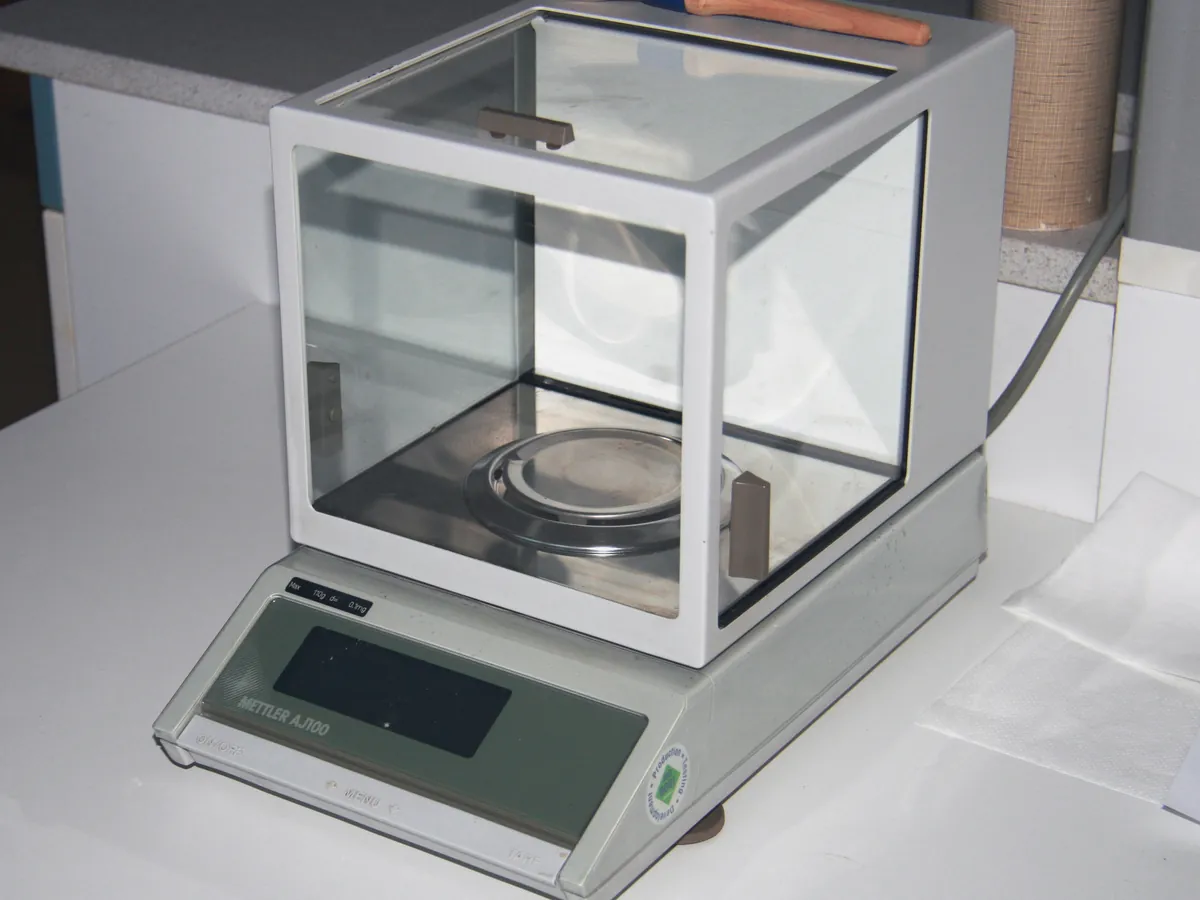
- Analytical balance
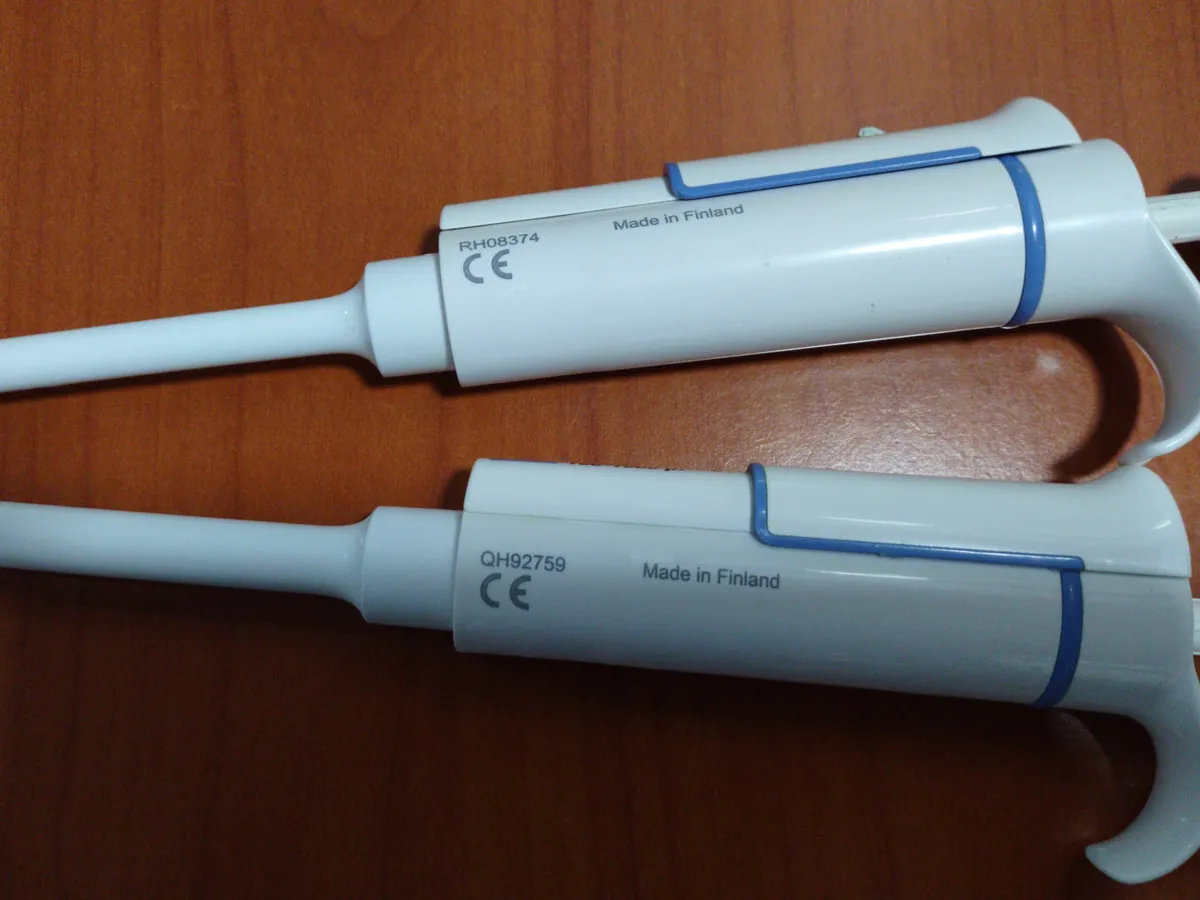
- Micropipette
Reference: Typical method based on EN 15662 (citrate-buffered QuEChERS) and AOAC 2007.01 (acetate-buffered QuEChERS), with quality control following the EU SANTE analytical quality control guidance. Follow your validated method.
Why this method works
QuEChERS stands for Quick, Easy, Cheap, Effective, Rugged and Safe. Acetonitrile extracts a very wide range of pesticides from a hydrated sample. Adding magnesium sulphate and sodium chloride forces the acetonitrile to separate from the water, and a citrate or acetate buffer keeps pH-sensitive pesticides stable. In dispersive SPE (d-SPE) a portion of the extract is shaken with MgSO₄ to remove remaining water and with sorbents: PSA (primary secondary amine) removes sugars and organic acids, C18 removes fats, and graphitised carbon black (GCB) removes chlorophyll. Each pesticide is identified and quantified by multiple reaction monitoring (MRM): a precursor ion is selected, fragmented, and two or more product ions are measured. Identity is confirmed by retention time and the ratio of the two product ions.
Instruments used
Reagents & standards
| Reagent | Grade / specification |
|---|---|
| Acetonitrile | LC-MS / pesticide-residue grade |
| Extraction salts (EN 15662) | 4 g MgSO₄, 1 g NaCl, 1 g trisodium citrate dihydrate, 0.5 g disodium hydrogencitrate sesquihydrate per 10 g sample |
| d-SPE sorbents | Per mL extract: 150 mg MgSO₄ + 25 mg PSA; add C18 for fatty matrices and GCB for green, pigmented samples |
| Pesticide standards | Certified single and mixed standards; internal standard (e.g. triphenyl phosphate) and isotope-labelled standards |
| LC mobile phase | Water and methanol, each with ammonium formate and formic acid |
Preparing the sample
- 01
Homogenise
Cryogenically mill the sample (with dry ice) to a fine, uniform powder.
- 02
Extract
10 g sample + 10 mL acetonitrile; shake 1 minute.
- 03
Partition
Add citrate-buffered QuEChERS salts; shake and centrifuge.
- 04
d-SPE clean-up
Shake an aliquot with MgSO₄ + PSA (± C18, GCB); centrifuge.
- 05
Split
Dilute one portion for LC-MS/MS; transfer another for GC-MS/MS.
- 06
Analyse
Run MRM methods against matrix-matched calibration.
Procedure
- 1Homogenise the laboratory sample, ideally with dry ice to prevent losses of volatile and labile pesticides. Dry samples such as cereals or tea are rehydrated with water before extraction.
- 2Weigh 10.0 g of homogenate into a 50 mL centrifuge tube. Add 10 mL acetonitrile and the internal standard. Shake vigorously for 1 minute.
- 3Add the citrate-buffered salt mixture, shake immediately and vigorously for 1 minute (to avoid MgSO₄ lumps), and centrifuge at about 3000 g for 5 minutes. The upper acetonitrile layer contains about 1 g sample per mL.
- 4Transfer 6 mL of the acetonitrile layer to a d-SPE tube containing 900 mg MgSO₄ and 150 mg PSA (plus C18 or GCB if needed). Shake for 30 seconds and centrifuge.
- 5For LC-MS/MS: dilute the cleaned extract with water or mobile phase (for example 1 + 4) to reduce matrix effects and improve early peak shape. For GC-MS/MS: transfer to a vial, optionally adding a small amount of formic acid in acetonitrile to stabilise base-sensitive pesticides.
- 6Prepare matrix-matched calibration standards by spiking blank matrix extract, and a spiked recovery sample in each batch.
Standard preparation
- 1Prepare individual stock solutions (about 1000 µg/mL) of each pesticide and combine into working mixes.
- 2Prepare matrix-matched calibration standards in blank extract of a similar commodity at, for example, 0.5, 1, 2, 5, 10, 20 and 50 ng/mL in the final vial (covering the reporting limit, typically 0.01 mg/kg).
- 3Use isotope-labelled internal standards for problem compounds where available.
Notes for analysts
- The chromatogram is illustrative: a few LC-MS/MS peaks from a typical 0.01 mg/kg standard. A real run shows hundreds of overlapping MRM traces, each processed separately.
- Some pesticides need single-residue methods (e.g. glyphosate, dithiocarbamates, highly polar compounds such as chlorate and fosetyl), because they are not recovered by QuEChERS.
- Use PSA sparingly for acidic pesticides; it can remove them along with the matrix acids.
- Keep blank matrices of each commodity group for matrix-matched calibration and recovery spikes.
Method parameters (typical)
| LC column | C18, 100 × 2.1 mm, 1.7–2.7 µm, 40 °C |
|---|---|
| LC mobile phase | A: water + 5 mM ammonium formate + 0.1% formic acid; B: methanol with the same additives; gradient from about 5% to 98% B |
| LC-MS/MS | Triple quadrupole, ESI positive/negative switching, scheduled MRM, ≥ 2 transitions per compound |
| GC column | 5% phenyl-methylpolysiloxane, 30 m × 0.25 mm × 0.25 µm, helium carrier |
| GC-MS/MS | Electron ionisation (70 eV), triple quadrupole, timed MRM, ≥ 2 transitions per compound |
| Calibration | Matrix-matched, with internal standard; bracketing |
| Reporting limit | Typically 0.01 mg/kg (10 µg/kg) for most pesticides |
System suitability & sequence
| Parameter | Limit |
|---|---|
| Retention time | Within ± 0.1 minute of the calibration standard (as in the SANTE guidance) |
| Ion ratio | Within ± 30% (relative) of the average ratio in calibration standards |
| Calibration | Residuals of back-calculated standards typically within ± 20% |
| Batch recovery | Spiked sample within 70–120% (wider range accepted in routine checks as per the guidance) |
Typical sequence
- 1Solvent blank
- 2Matrix-matched calibration (low to high)
- 3Reagent blank
- 4Blank matrix
- 5Samples
- 6Spiked recovery sample (e.g. at 0.01 mg/kg)
- 7Calibration standard bracketing every 10–20 injections
Calculation with a worked example
Where
- C
- Concentration in the vial from the matrix-matched calibration (ng/mL)
- DF
- Dilution of the cleaned extract before injection (e.g. 5 for 1 + 4)
- Cₘ
- Sample concentration of the acetonitrile extract (g sample per mL; 1 g/mL for 10 g in 10 mL)
- 1000
- Converts ng/g (µg/kg) to mg/kg
Given
- Pesticide
- Chlorpyrifos in grapes (LC-MS/MS)
- C
- 4.6 ng/mL
- DF
- 5
- Cₘ
- 1 g/mL
- Applicable MRL
- 0.01 mg/kg (default limit, no specific MRL)
Working
- 1
Residue = 4.6 × 5 / 1 = 23 ng/g = 23 µg/kg
- 2
In mg/kg: 23 / 1000 = 0.023 mg/kg
- 3
Apply the default expanded measurement uncertainty of 50%: 0.023 − (0.5 × 0.023) = 0.0115 mg/kg
- 4
0.0115 mg/kg is still above 0.01 mg/kg
Chlorpyrifos = 0.023 mg/kg; exceeds the 0.01 mg/kg MRL even after allowing for 50% measurement uncertainty, so the sample is non-compliant
What result passes
- Compare each residue with the maximum residue limit (MRL) for that pesticide–commodity combination in the applicable regulation (e.g. EU MRL database, FSSAI Contaminants, Toxins and Residues Regulations, Codex MRLs).
- Default MRL concept: where no specific MRL is set, some regulations (notably the EU) apply a default limit of 0.01 mg/kg — effectively the routine limit of quantification. A detectable residue of an unapproved pesticide can therefore cause non-compliance.
- Enforcement decisions usually take measurement uncertainty into account; a default of 50% is commonly applied in multi-residue analysis.
Validation parameters (ICH Q2(R2))
| Parameter | Typical requirement |
|---|---|
| Recovery | Mean recovery 70–120% at the reporting limit and a higher level, for each pesticide–matrix group |
| Precision | Repeatability RSD ≤ 20% |
| LOQ | Lowest validated spike level meeting recovery and precision criteria, typically 0.01 mg/kg or lower |
| Matrix effects | Assessed by comparing solvent and matrix-matched slopes; compensated by matrix-matched calibration or isotope dilution |
| Identification | Two MRM transitions, retention time and ion ratio within tolerance |
Run this method in LimsPulse: specifications and STPs under version control, results calculated and checked against limits, and a signed Certificate of Analysis.