Caffeine in beverages by HPLC
Separates caffeine from the drink matrix on a C18 column and measures it by UV absorbance at about 273 nm against an external caffeine standard. Used to check label declarations and 'high caffeine content' labelling.
- Food & beverage
- HPLC (reversed phase, UV detection at 273 nm)
- HPLC
- Analytical balance
- Sonicator
- Micropipette
Reference: Typical method based on AOAC liquid chromatographic methods for caffeine in soft drinks and ISO 20481 for coffee products. Follow your validated method.
Why this method works
Caffeine is a moderately polar purine alkaloid with a strong UV maximum near 273 nm. On a C18 column with a water–methanol (or water–acetonitrile) mobile phase, slightly acidified, it elutes as a sharp peak well separated from sugars, acids and colours, which elute near the void. The sample peak area is compared with a caffeine standard of known concentration, or with a calibration line, after allowing for the dilution.
Instruments used
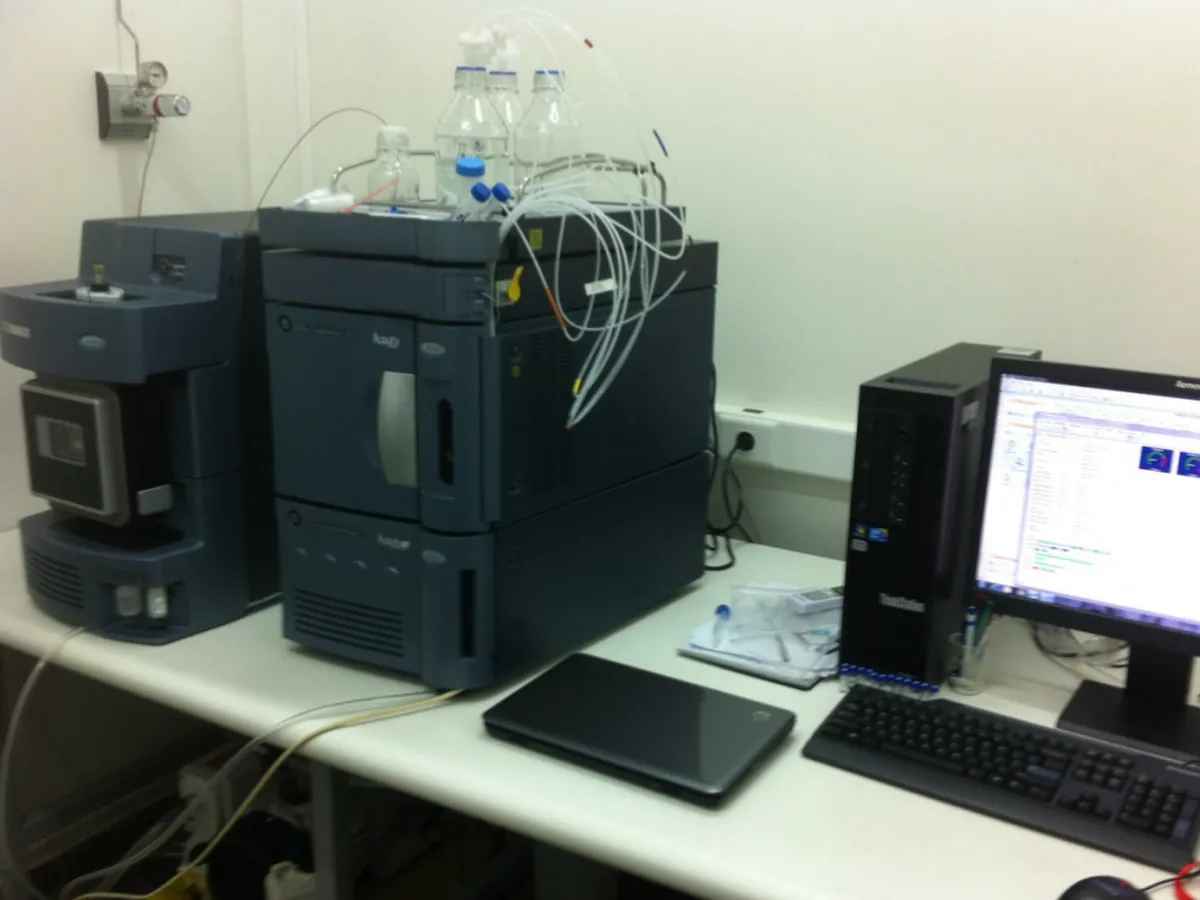

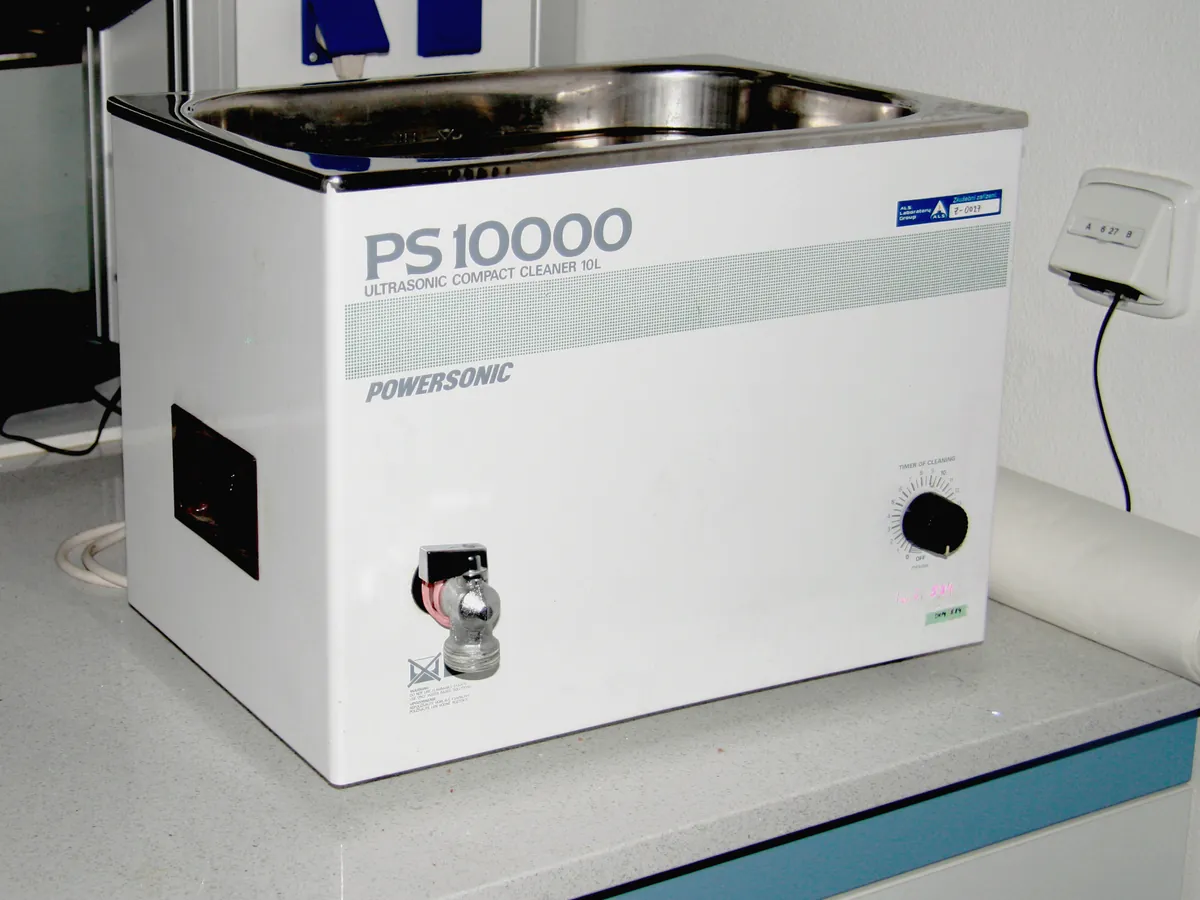
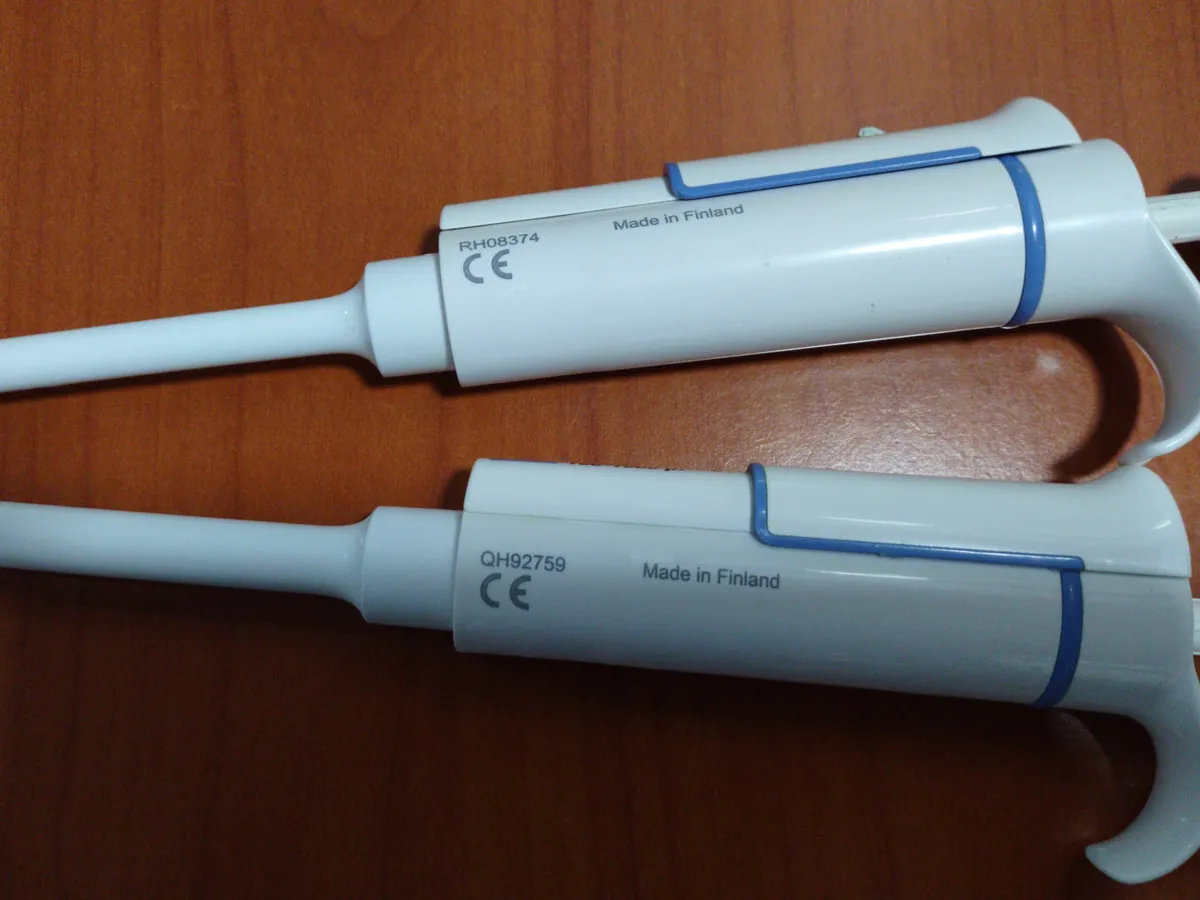
Reagents & standards
| Reagent | Grade / specification |
|---|---|
| Caffeine reference standard | Certified purity (e.g. ≥ 99%), dried as stated on the certificate |
| Methanol | HPLC grade |
| Acetic acid or phosphoric acid | AR grade, to acidify the mobile phase |
| Water | HPLC grade |
Preparing the sample
- 01
Degas
Sonicate carbonated drinks about 10 minutes.
- 02
Pipette
Pipette 5.0 mL into a 25 mL flask.
- 03
Dilute
Make up with mobile phase and mix.
- 04
Filter
Filter through 0.45 µm, discard the first mL.
- 05
Inject
Inject alongside the caffeine standard.
Procedure
- 1Degas carbonated drinks in an ultrasonic bath for about 10 minutes, or until no more bubbles form.
- 2Pipette 5.0 mL of the degassed drink into a 25 mL volumetric flask and make up to volume with mobile phase (dilution factor 5). Energy drinks and coffee may need a higher dilution (e.g. 2 mL to 50 mL) to stay within the calibration range.
- 3For brewed tea or coffee, cool to room temperature and filter before dilution. For milky drinks, precipitate proteins with Carrez reagents and filter.
- 4Filter through a 0.45 µm syringe filter (nylon or PTFE), discarding the first 1 mL, into an HPLC vial.
- 5Prepare two independent sample preparations.
Standard preparation
- 1Stock: accurately weigh about 50 mg caffeine standard into a 50 mL volumetric flask, dissolve and make up with mobile phase (about 1000 µg/mL).
- 2Working standard: dilute 1.0 mL of stock to 50 mL with mobile phase (about 20 µg/mL).
- 3For a calibration line, prepare 5 levels covering about 5–50 µg/mL from the stock.
Notes for analysts
- The chromatogram is illustrative; retention time depends on the column and the exact methanol content.
- Benzoic acid from preservatives can elute near caffeine in some conditions; adjust the organic content or pH to keep them apart, or quantify both together (see the benzoate–sorbate method).
- Tea and cocoa drinks also contain theobromine and theophylline, which elute before caffeine on C18.
Method parameters (typical)
| Column | C18, 150 × 4.6 mm, 5 µm |
|---|---|
| Mobile phase | Water containing 0.1–1% acetic acid : methanol, about 75 : 25 v/v, isocratic |
| Flow rate | 1.0 mL/min |
| Detection | UV at 273 nm (DAD 200–400 nm useful for peak purity) |
| Injection volume | 10–20 µL |
| Column temperature | 30 °C |
| Run time | About 10 minutes (caffeine at roughly 5 minutes) |
System suitability & sequence
| Parameter | Limit |
|---|---|
| %RSD of caffeine area (5 standard injections) | Not more than 2.0% |
| Tailing factor | Not more than 2.0 |
| Resolution | Caffeine resolved from the nearest matrix peak (e.g. benzoic acid, theobromine) by at least 1.5 |
Typical sequence
- 1Blank (mobile phase) × 1
- 2Standard × 5
- 3Sample 1 × 2
- 4Sample 2 × 2
- 5Bracketing standard × 1
Calculation with a worked example
Where
- Aₛₐ
- Mean caffeine peak area in the sample solution
- Aₛₜ
- Mean caffeine peak area in the standard solution
- Cₛₜ
- Caffeine concentration in the standard (µg/mL), corrected for purity
- DF
- Dilution factor of the sample (25 / 5 = 5)
Given
- Sample
- Cola drink, 5.0 mL to 25 mL
- Aₛₐ
- 412,350
- Aₛₜ
- 430,100
- Cₛₜ
- 20.0 µg/mL
- DF
- 5
Working
- 1
Caffeine in sample solution = (412,350 / 430,100) × 20.0 = 19.17 µg/mL
- 2
Caffeine in drink = 19.17 × 5 = 95.87 µg/mL = 95.87 mg/L
- 3
Per 100 mL = 95.87 × 100 / 1000 = 9.59 mg/100 mL
Caffeine = 9.6 mg/100 mL (about 96 mg/L, or about 32 mg per 330 mL can)
What result passes
- Compare with the label declaration and product specification. Typical values: cola about 8–12 mg/100 mL, energy drinks about 30–32 mg/100 mL, brewed coffee roughly 40–80 mg/100 mL.
- Some regulations (for example in the EU) require a 'high caffeine content' statement when a drink contains more than 150 mg/L; check the current rules in your market.
Validation parameters (ICH Q2(R2))
| Parameter | Typical requirement |
|---|---|
| Specificity | No interfering peak at caffeine RT in a caffeine-free version of the drink; DAD peak purity passes |
| Linearity | About 5–50 µg/mL, r ≥ 0.999 |
| Accuracy | Spike recovery typically 95–105% |
| Precision | Repeatability %RSD typically ≤ 2% |
| LOQ | Well below 1 mg/100 mL in the drink (low µg/mL in solution) |
Run this method in LimsPulse: specifications and STPs under version control, results calculated and checked against limits, and a signed Certificate of Analysis.