Aflatoxins B1, B2, G1 and G2 by HPLC-FLD
Extracts aflatoxins from a ground food sample with aqueous methanol, cleans the extract on an antibody-based immunoaffinity column, separates the four aflatoxins by HPLC, enhances the fluorescence of B1 and G1 after the column, and measures them by fluorescence against calibration standards.
- Food & beverage
- Immunoaffinity column clean-up, reversed-phase HPLC with post-column derivatisation and fluorescence detection
- HPLC
- Analytical balance
- Centrifuge
- Micropipette
- UV-Vis
Reference: Typical method based on EN 14123 and AOAC immunoaffinity column methods for aflatoxins. Follow your validated method and the sampling rules in the applicable regulation.
Why this method works
Aflatoxins are toxic, carcinogenic metabolites of Aspergillus flavus and A. parasiticus. They are extracted with methanol–water and the diluted extract is passed through an immunoaffinity column (IAC) carrying antibodies that bind the aflatoxins selectively; the matrix is washed away and the toxins are eluted with methanol. On a C18 column they elute in the order G2, G1, B2, B1. B2 and G2 fluoresce strongly, but B1 and G1 fluoresce weakly in aqueous mobile phase, so they are converted after the column into more fluorescent derivatives — by bromination (electrochemical cell or pyridinium bromide perbromide) or by UV photochemical reaction. Detection is at about 365 nm excitation and 440–455 nm emission.
Instruments used
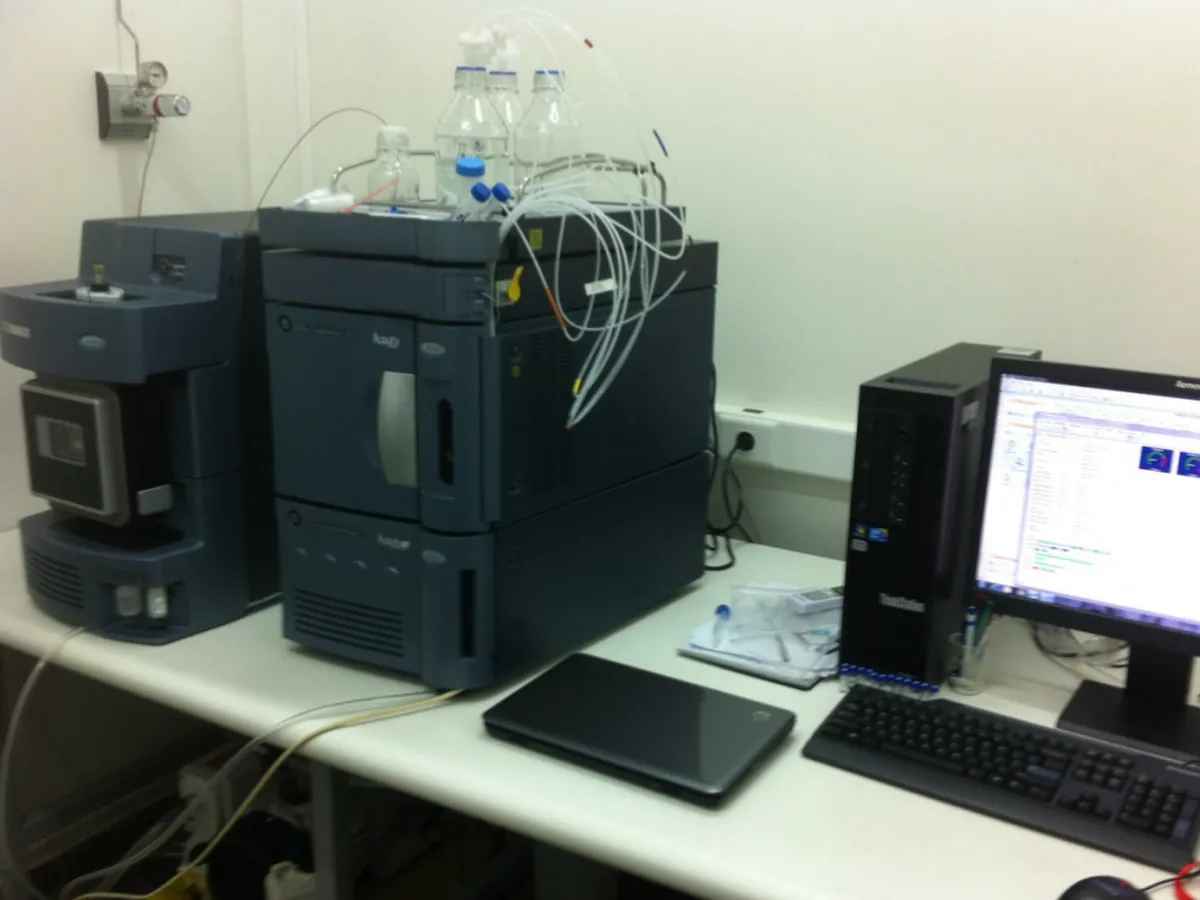

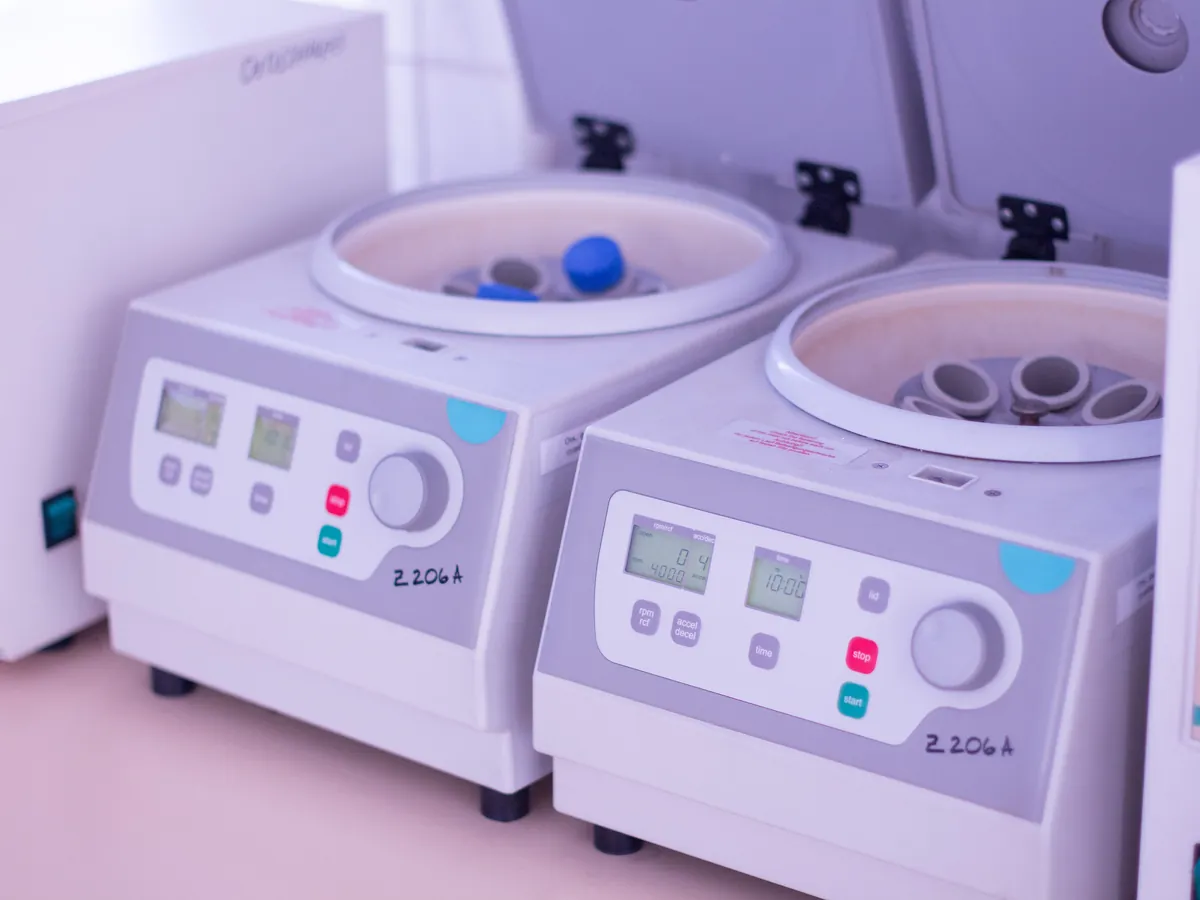
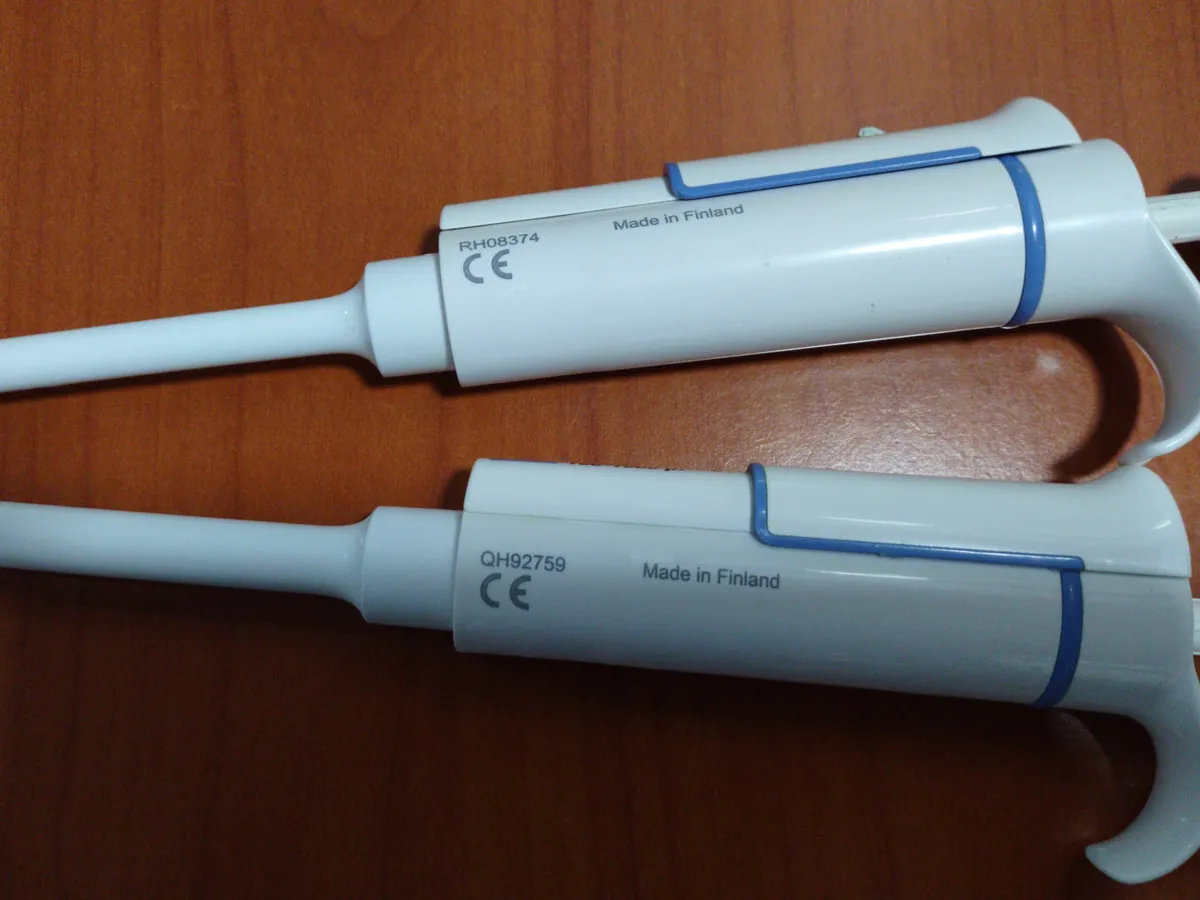
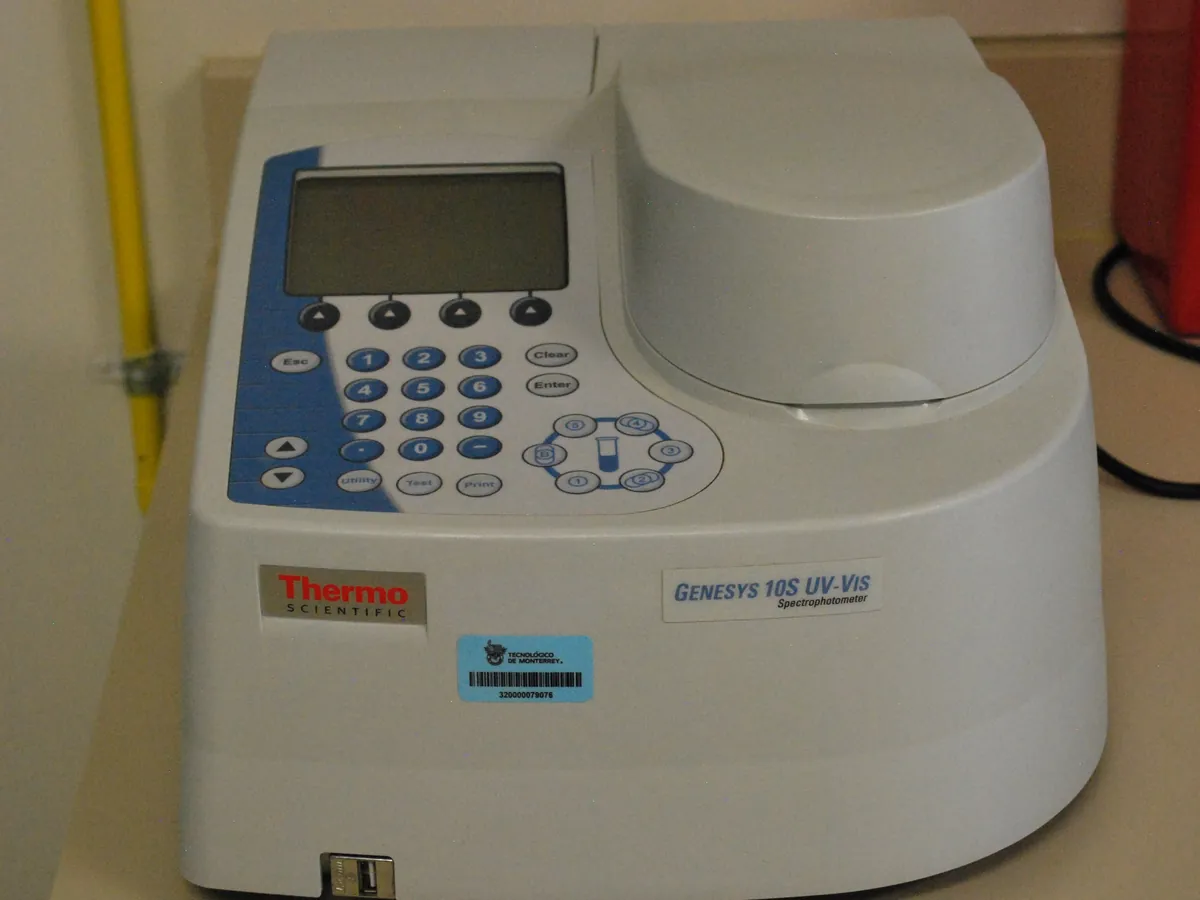
Reagents & standards
| Reagent | Grade / specification |
|---|---|
| Aflatoxin standards | Certified mixed solution of B1, B2, G1, G2 (concentration verified by UV absorbance) |
| Methanol, acetonitrile | HPLC grade |
| Sodium chloride | AR grade (added during extraction) |
| Phosphate-buffered saline (PBS) | For diluting the extract before the IAC |
| Immunoaffinity columns | Aflatoxin-specific, with stated capacity (e.g. ≥ 100 ng total aflatoxins) |
| Derivatisation | Potassium bromide + nitric acid in mobile phase (electrochemical cell), or a photochemical reactor (no reagent) |
Preparing the sample
- 01
Grind & mix
Grind the whole laboratory sample finely and homogenise (aflatoxins are very unevenly spread).
- 02
Extract
25 g + 5 g NaCl + 100 mL methanol:water 80:20; blend 3 minutes.
- 03
Filter & dilute
Filter; dilute 10 mL filtrate with 40 mL PBS.
- 04
IAC clean-up
Load the diluted extract onto the immunoaffinity column; wash with water.
- 05
Elute
Elute with 1.0 mL methanol, then add 1.0 mL water.
- 06
Inject
Inject onto HPLC with post-column derivatisation and FLD.
Procedure
- 1Grind the entire laboratory sample (often several kg for nuts, as required by the sampling regulation) and mix thoroughly or prepare a slurry. Aflatoxins occur in 'hot spots', so sample preparation is the largest source of variation.
- 2Weigh 25.0 g of the ground sample into a blender jar. Add 5 g sodium chloride and 100 mL methanol:water (80:20 v/v). Blend at high speed for about 3 minutes.
- 3Filter through fluted filter paper. Pipette 10.0 mL of filtrate (equivalent to 2.5 g of sample) into a beaker and dilute with 40 mL PBS so the methanol content is below about 20%. Filter through glass-microfibre paper if cloudy.
- 4Pass the whole 50 mL of diluted extract through the immunoaffinity column at about 1–2 drops per second (do not let it run dry).
- 5Wash the column with about 10–15 mL of water and blow it dry with air.
- 6Elute the aflatoxins with 1.0 mL methanol into a vial, allowing the methanol to stand on the column for about 1 minute; then add 1.0 mL water (final volume 2.0 mL, 1.25 g sample per mL).
- 7Mix and inject. Run a reagent blank and a spiked recovery sample with each batch.
Standard preparation
- 1Verify the concentration of stock standards by UV absorbance using the published molar absorptivities, as described in the reference method.
- 2Prepare at least five mixed calibration levels in methanol:water (50:50), for example 0.1–5 ng/mL B1 and G1 and 0.03–1.5 ng/mL B2 and G2.
- 3Store standards protected from light; aflatoxins degrade under UV light. Rinse glassware with dilute sodium hypochlorite after use to destroy residues.
Notes for analysts
- The chromatogram is illustrative. The elution order G2, G1, B2, B1 is typical on C18 with water–methanol–acetonitrile.
- Aflatoxins are potent carcinogens. Handle standards in a fume hood with gloves, and decontaminate glassware and spills with sodium hypochlorite solution.
- Do not exceed the IAC capacity or the methanol tolerance of the antibodies; dilute extracts as the column supplier specifies.
- Most of the measurement uncertainty comes from sampling and grinding, not from the HPLC. Follow the sampling plan in the regulation.
Method parameters (typical)
| Column | C18, 250 × 4.6 mm, 5 µm (or 150 × 4.6 mm, 3–5 µm) |
|---|---|
| Mobile phase | Water : methanol : acetonitrile about 60 : 20 : 20 v/v, isocratic (with KBr and HNO₃ for electrochemical bromination) |
| Flow rate | 1.0 mL/min |
| Post-column derivatisation | Electrochemical bromination cell (about 100 µA), or photochemical reactor (UV 254 nm), or PBPB reagent |
| Detection | Fluorescence, excitation about 362–365 nm, emission about 440–455 nm |
| Injection volume | 50–100 µL |
| Column temperature | 30–40 °C |
| Run time | About 20 minutes |
System suitability & sequence
| Parameter | Limit |
|---|---|
| Resolution | Baseline separation of all four aflatoxins (Rs ≥ 1.5 between adjacent peaks) |
| Calibration | r ≥ 0.995 for each aflatoxin over the working range |
| Repeatability of standard | %RSD of peak area typically ≤ 5% at mid-level |
| Derivatisation check | B1/B2 response ratio stable versus previous runs (shows the derivatisation is working) |
Typical sequence
- 1Solvent blank
- 2Calibration standards (5 levels)
- 3Reagent blank (through IAC)
- 4Samples in duplicate
- 5Spiked recovery sample
- 6Mid-level check standard every 10 injections and at end
Calculation with a worked example
Where
- C
- Concentration read from the calibration curve (ng/mL)
- V
- Final volume of the eluate (mL)
- m
- Mass of sample equivalent loaded onto the IAC (g) = 25 g × 10 mL / 100 mL
Given
- Sample
- Roasted groundnuts
- m
- 2.5 g (10 mL of a 25 g / 100 mL extract)
- V
- 2.0 mL
- C (B1, B2, G1, G2)
- 2.10, 0.32, 0.55, 0.10 ng/mL
Working
- 1
Factor V / m = 2.0 / 2.5 = 0.8 g⁻¹·mL, so µg/kg (= ng/g) = C × 0.8
- 2
B1 = 2.10 × 0.8 = 1.68 µg/kg
- 3
B2 = 0.32 × 0.8 = 0.256 µg/kg; G1 = 0.55 × 0.8 = 0.44 µg/kg; G2 = 0.10 × 0.8 = 0.08 µg/kg
- 4
Total = 1.68 + 0.256 + 0.44 + 0.08 = 2.456 µg/kg
Aflatoxin B1 = 1.7 µg/kg; total aflatoxins (B1 + B2 + G1 + G2) = 2.5 µg/kg (not recovery-corrected)
What result passes
- Limits are set by regulation and depend on the commodity and its use. For example, EU limits for many nuts and cereals intended for direct human consumption are typically about 2 µg/kg for B1 and 4 µg/kg for total aflatoxins; Codex sets 15 µg/kg total for peanuts and several tree nuts destined for further processing; FSSAI sets its own limits. Always check the current regulation.
- Compare the result, allowing for recovery and measurement uncertainty as the regulation requires, with the limit for the specific commodity.
Validation parameters (ICH Q2(R2))
| Parameter | Typical requirement |
|---|---|
| Recovery | Spiked recovery typically within 70–110% at low µg/kg levels (performance criteria in the applicable regulation) |
| LOQ | Typically 0.1–0.2 µg/kg for B1 in nuts and cereals |
| Precision | Repeatability and reproducibility within the Horwitz-based criteria in the regulation |
| Specificity | No interfering peaks at the four retention times in blank matrix; IAC selectivity |
| Trueness | Certified reference material or proficiency testing (e.g. FAPAS) results |
Run this method in LimsPulse: specifications and STPs under version control, results calculated and checked against limits, and a signed Certificate of Analysis.