Environmental & water lab testing
Drinking water, wastewater, soil and ambient air quality. 19 test methods and 25 instruments, explained step by step.
- APHA Standard Methods
- US EPA
- IS 3025
- IS 10500
- WHO
Drinking water
Physical, chemical and bacteriological quality of drinking water.
- Potentiometric pH measurement with a glass electrode; nephelometric turbidity at 90°
pH and Turbidity of Drinking Water
Two quick physical tests run on almost every drinking-water sample. pH tells you whether water is corrosive or scale-forming and whether chlorination will work well. Turbidity tells you how cloudy the water is, which affects both appearance and disinfection.
Open method - Filtration, evaporation and drying at 180 ± 2 °C, then weighing; conductivity used as a screening estimate
Total Dissolved Solids (TDS) — Gravimetric at 180 °C, with Conductivity Estimate
Measures the total mass of salts and other dissolved material in water. A known volume is filtered, the filtrate is evaporated in a pre-weighed dish, the residue is dried at 180 °C and weighed. A conductivity reading gives a quick estimate and a cross-check.
Open method - Complexometric titration with 0.01 M disodium EDTA at pH 10, Eriochrome Black T indicator
Total Hardness by EDTA Titration (Eriochrome Black T)
Calcium and magnesium ions are titrated together with EDTA at pH 10. The indicator Eriochrome Black T turns from wine-red to clear blue when all the metal ions have been complexed. The result is expressed as mg/L of calcium carbonate.
Open method - Acid–base titration with 0.02 N sulphuric acid to pH 8.3 and to about pH 4.5 (indicator or potentiometric)
Phenolphthalein and Total Alkalinity (as CaCO₃)
Measures the capacity of water to neutralise acid. The sample is titrated with standard acid first to the phenolphthalein endpoint (pH 8.3) and then to the total alkalinity endpoint (about pH 4.5). From the two titres the hydroxide, carbonate and bicarbonate contributions can be estimated.
Open method - Precipitation titration with 0.0141 N silver nitrate, potassium chromate indicator, pH 7–10
Chloride by Argentometric Titration (Mohr's Method)
Chloride is titrated with standard silver nitrate in a neutral or slightly alkaline solution. Silver chloride precipitates first; once all chloride is gone, the next drop of silver forms red-brown silver chromate with the indicator, marking the endpoint.
Open method - UV absorption at 220 nm, corrected for organic matter using absorbance at 275 nm
Nitrate by UV Spectrophotometry (220 nm with 275 nm Correction)
Nitrate absorbs strongly in the far UV at 220 nm. Dissolved organic matter also absorbs at 220 nm, but nitrate does not absorb at 275 nm, so twice the 275 nm reading is subtracted as an organic correction. The corrected absorbance is read against a nitrate calibration curve.
Open method - Potentiometry with a lanthanum fluoride crystal electrode after 1 : 1 dilution with TISAB
Fluoride by Ion-Selective Electrode (with TISAB)
A fluoride-selective electrode develops a potential that depends on the logarithm of fluoride activity. Mixing each sample and standard 1 : 1 with TISAB fixes the ionic strength and pH and frees fluoride bound to aluminium or iron, so the meter reading can be converted to concentration using a calibration curve.
Open method - Colorimetry at about 515 nm with DPD reagent; usually performed on site with a portable photometer
Free Residual Chlorine by DPD Colorimetric Method
Free chlorine oxidises the DPD reagent to a magenta-coloured product within seconds. The colour intensity, read at about 515 nm, is proportional to the chlorine concentration. Because chlorine decays quickly, the test should be done at the sampling point.
Open method - Multiple-tube fermentation: presumptive, confirmed and E. coli stages; statistical MPN estimate
Total Coliforms and E. coli by Multiple-Tube Fermentation (MPN)
Measured volumes of the water are inoculated into tubes of lactose broth. Tubes that show gas (and acid) are presumptive positives and are confirmed in brilliant green lactose bile broth for total coliforms, and at 44.5 °C (EC broth or tryptone water + indole) for thermotolerant coliforms / E. coli. The pattern of positive tubes is converted to a most probable number (MPN) per 100 mL using statistical tables.
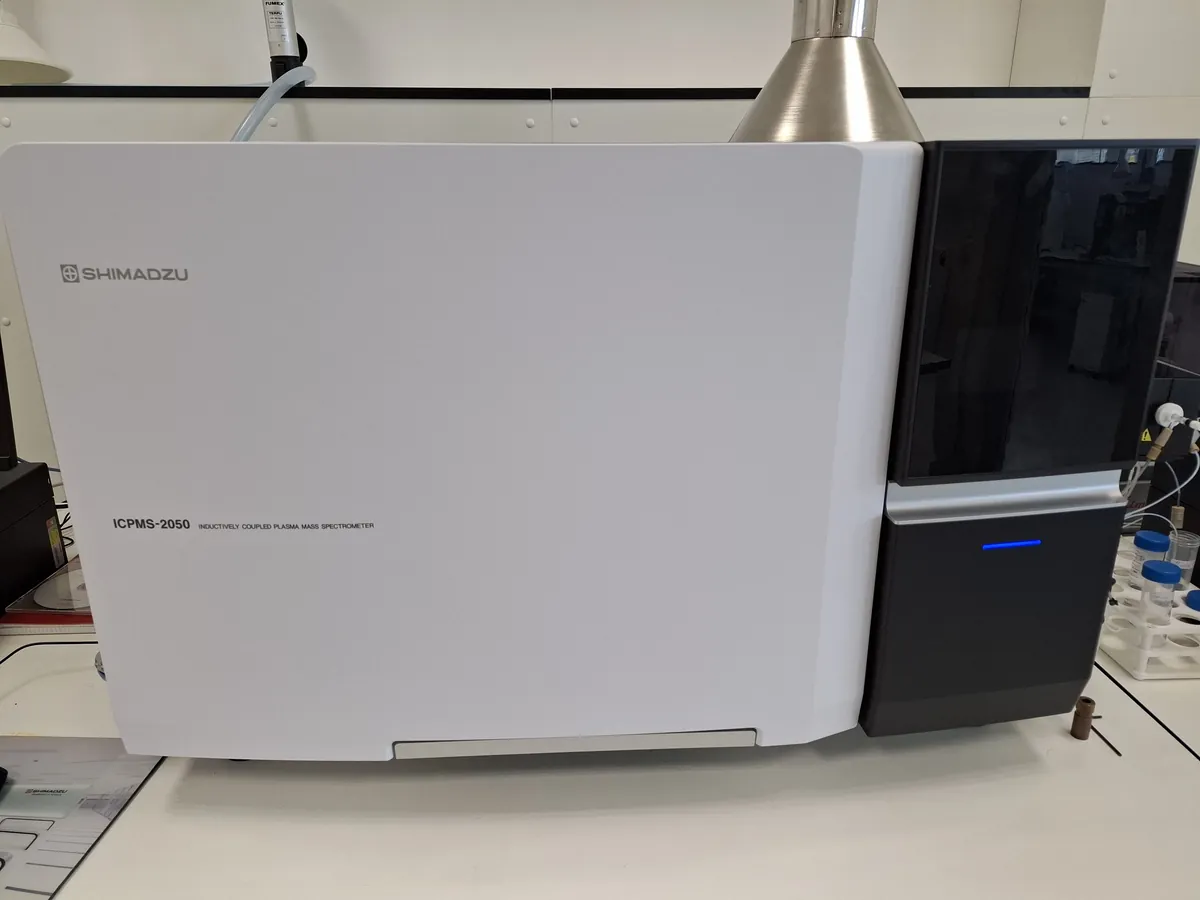
Open method - Inductively coupled plasma mass spectrometry with internal standards and collision/reaction cell
Metals and Trace Elements in Drinking Water by ICP-MS
Acid-preserved water is introduced into an argon plasma that atomises and ionises the elements. The mass spectrometer separates the ions by mass-to-charge ratio and counts them. One run measures dozens of elements at µg/L (ppb) or lower levels.
Open method
Wastewater & effluent
BOD, COD, solids, oil and grease, dissolved oxygen.
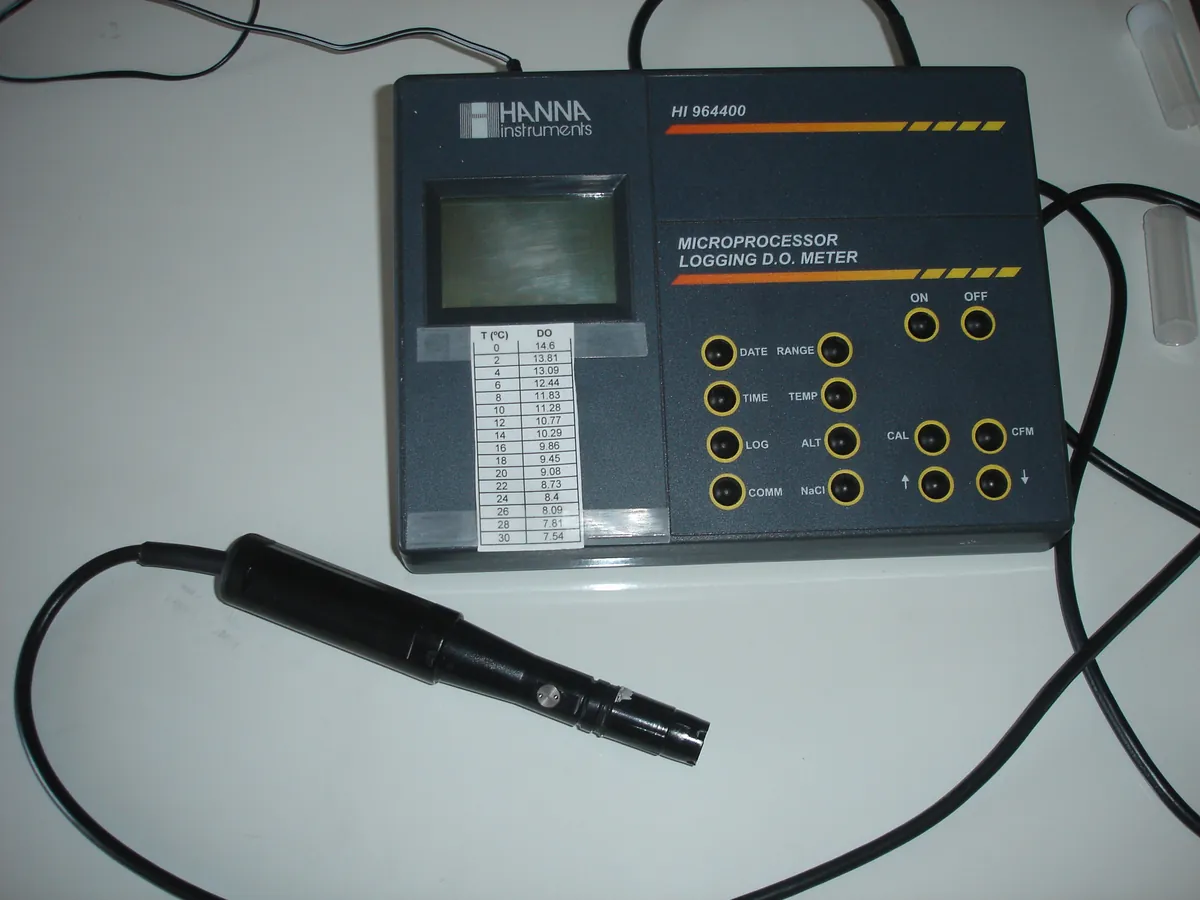
- Dilution and seeding, 5-day incubation at 20 °C, DO by membrane / optical probe or Winkler titration
Biochemical Oxygen Demand (BOD5) by the Dilution Method
Measures the dissolved oxygen used by micro-organisms to break down the organic matter in a sample over 5 days at 20 °C in the dark. The sample is diluted with aerated, nutrient-rich dilution water, seeded with micro-organisms if needed, and DO is measured at the start and end.
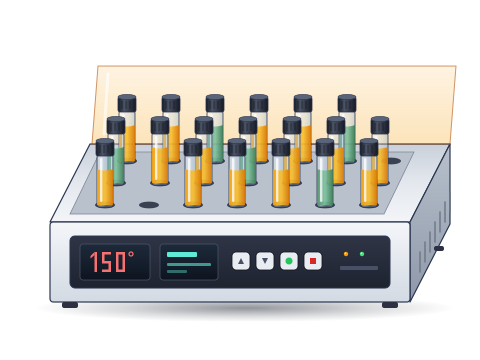
Open method - Dichromate digestion at 150 °C for 2 hours, finished by FAS titration (ferroin indicator) or colorimetry
Chemical Oxygen Demand (COD) by Closed Reflux Digestion
The sample is digested in a sealed tube with a known excess of potassium dichromate in strong sulphuric acid, with silver sulphate catalyst and mercuric sulphate to mask chloride. After 2 hours at 150 °C the unreacted dichromate is titrated with ferrous ammonium sulphate (FAS), or the colour is read on a spectrophotometer.
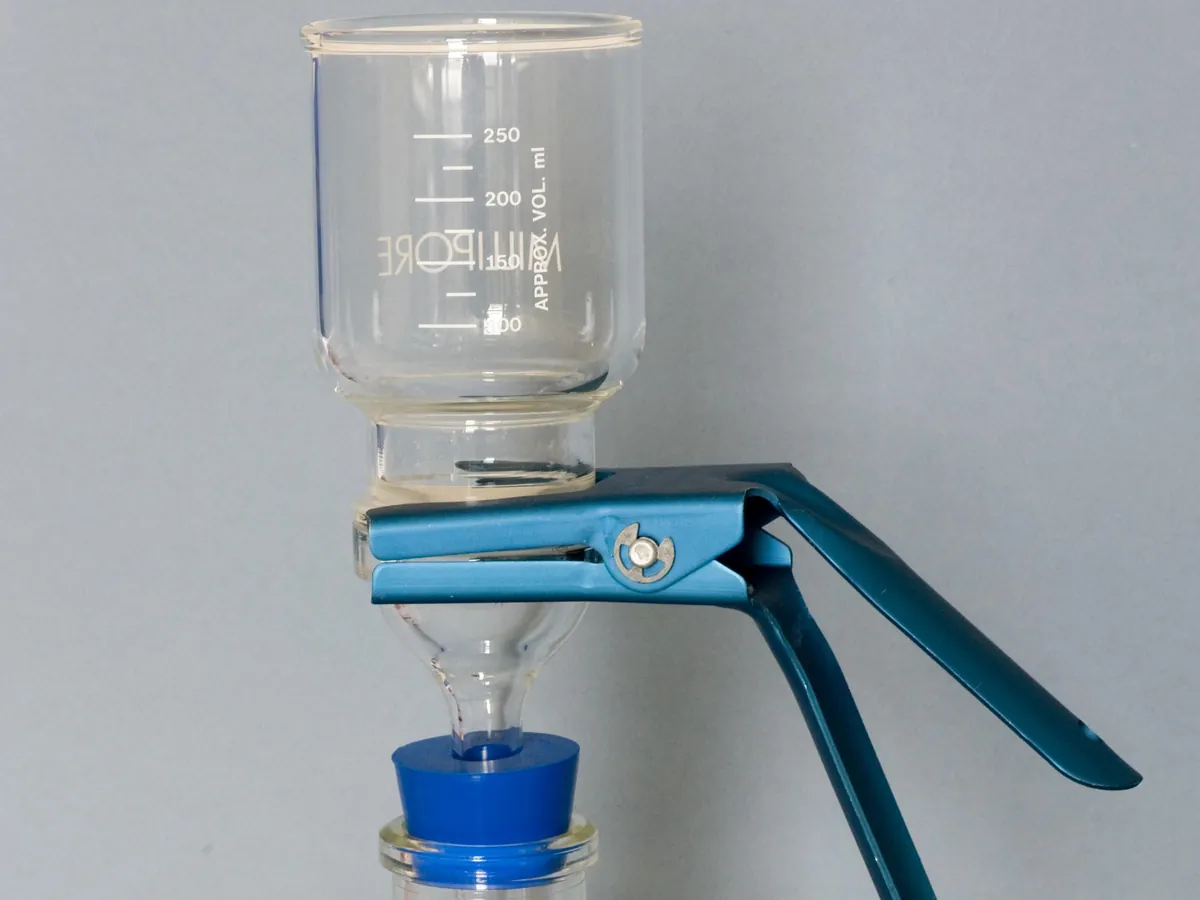
Open method - Filtration through a glass fibre filter and gravimetry
Total Suspended Solids (TSS) Dried at 103–105 °C
A well-mixed sample is filtered through a weighed glass fibre filter. The filter and the solids retained on it are dried at 103–105 °C and weighed again. The increase in mass per litre of sample is the total suspended solids.
Open method - Liquid–liquid extraction with n-hexane, solvent evaporation and gravimetry
Oil and Grease (n-Hexane Extractable Material) by Gravimetry
An acidified 1 L sample is extracted three times with n-hexane in a separatory funnel. The combined extract is dried, the solvent is evaporated, and the residue is weighed. The result is reported as n-hexane extractable material in mg/L.
Open method - Iodometric titration with sodium thiosulphate and starch indicator
Dissolved Oxygen by Winkler Titration (Azide Modification)
Oxygen in a full, stoppered BOD bottle is fixed on site with manganese sulphate and alkaline iodide-azide. After acidification, the iodine released, which is equivalent to the oxygen present, is titrated with standard sodium thiosulphate using starch indicator.
Open method
Soil
pH, conductivity, organic carbon and nutrients.
- Potentiometry (glass electrode) and conductometry on a soil–water suspension
Soil pH and Electrical Conductivity (1:2.5 Soil–Water Suspension)
Measures how acidic or alkaline a soil is, and how much soluble salt it contains, by shaking air-dried soil with water in a 1 : 2.5 ratio and reading the suspension with a calibrated pH meter and conductivity meter.
Open method - Dichromate wet oxidation with back titration by ferrous ammonium sulphate
Soil Organic Carbon by Walkley–Black Wet Oxidation
Estimates the organic carbon in soil by oxidising it with a known excess of potassium dichromate in concentrated sulphuric acid, then titrating the unused dichromate with standardised ferrous ammonium sulphate. A blank gives the total dichromate added.
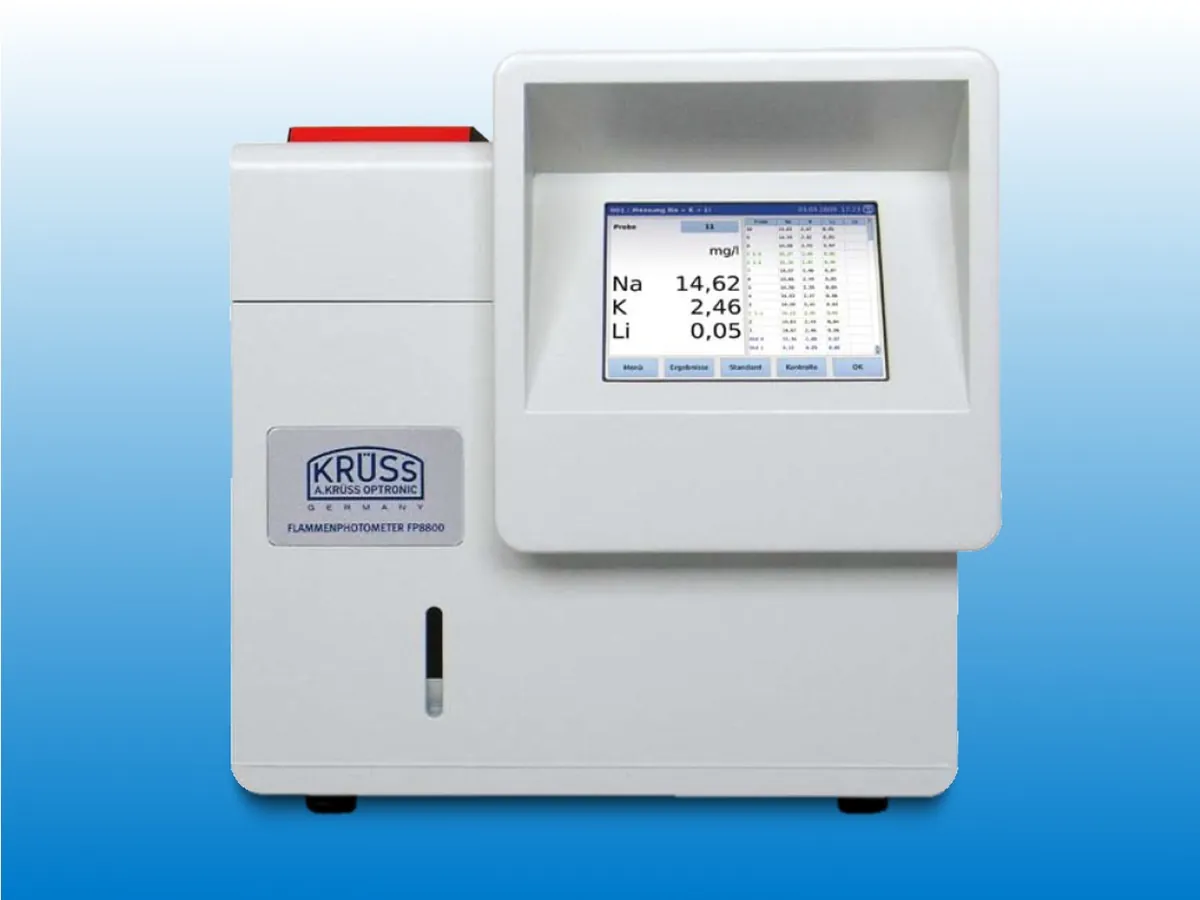
Open method - Distillation–titration (N), molybdenum-blue colorimetry (P), flame photometry (K)
Available Nitrogen, Phosphorus and Potassium in Soil
Estimates the plant-available pool of the three main nutrients. Nitrogen that is easily mineralised is released by alkaline permanganate and distilled as ammonia. Phosphorus is extracted with sodium bicarbonate (Olsen) or acid fluoride (Bray) and measured as molybdenum blue. Exchangeable potassium is displaced by ammonium acetate and measured by flame photometry.
Open method
Ambient air
Particulate matter monitoring.
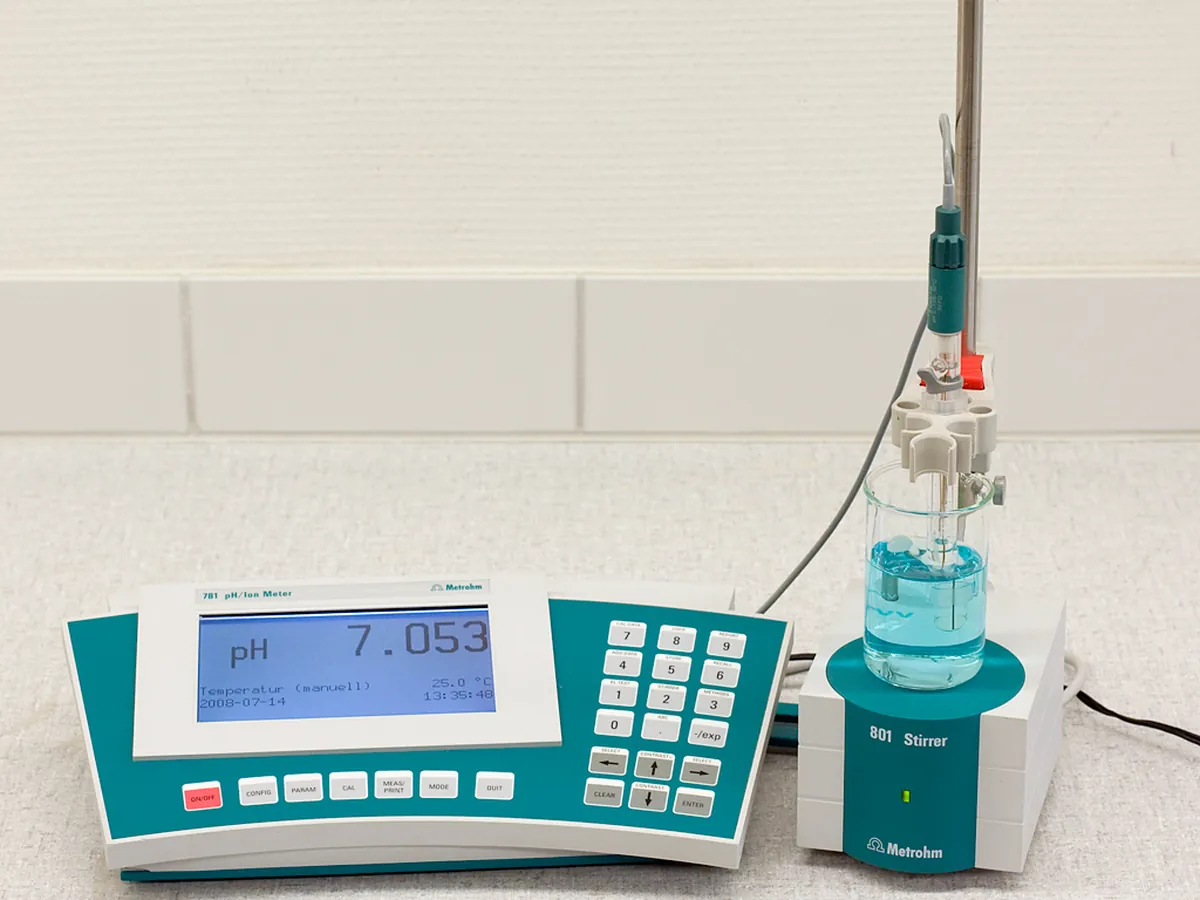
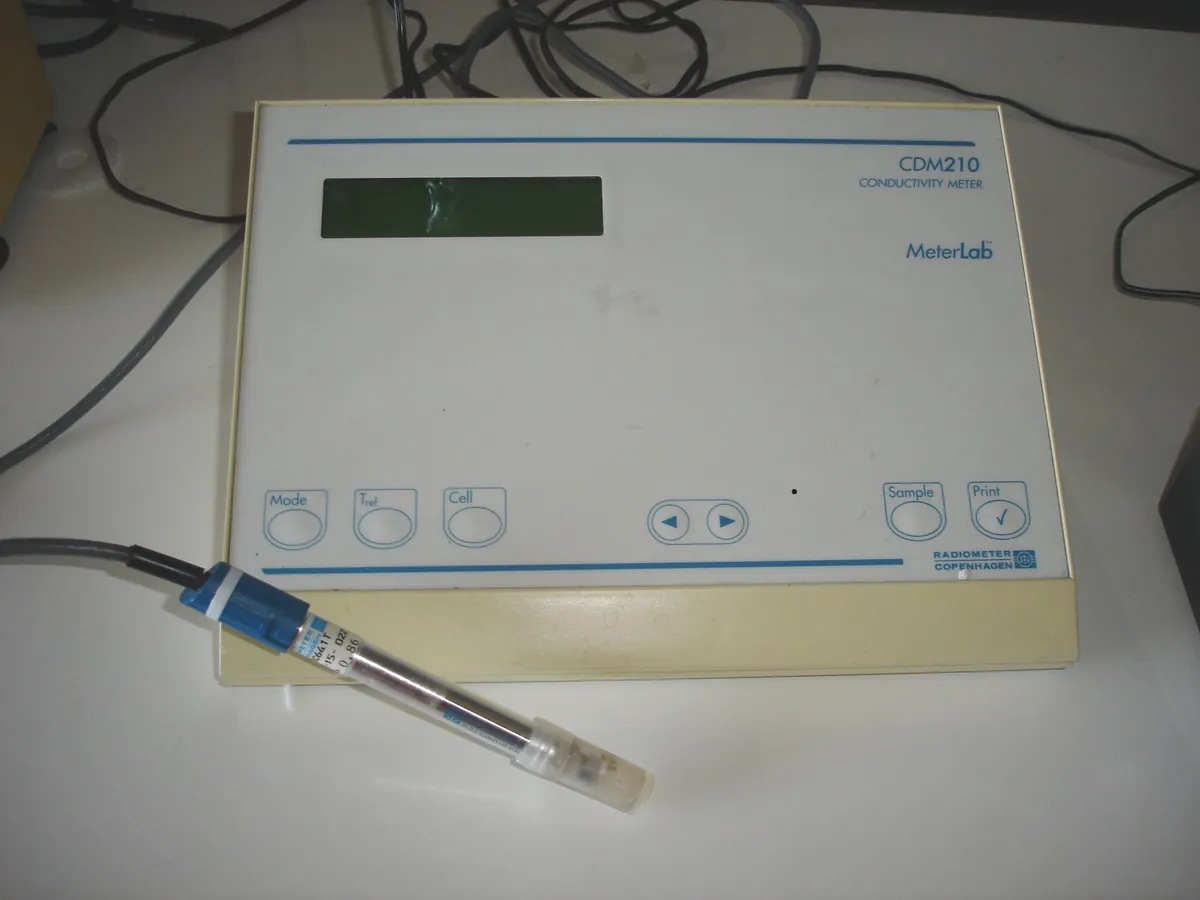
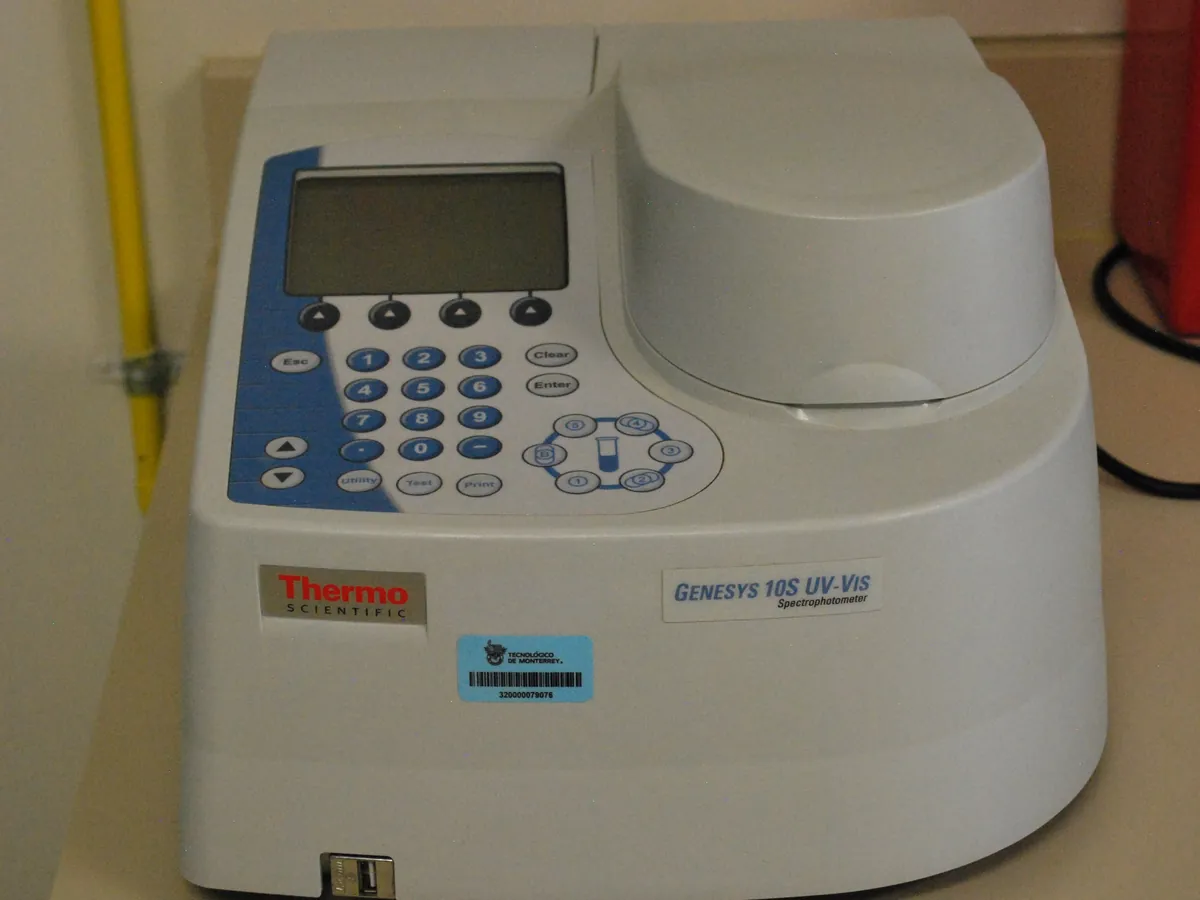
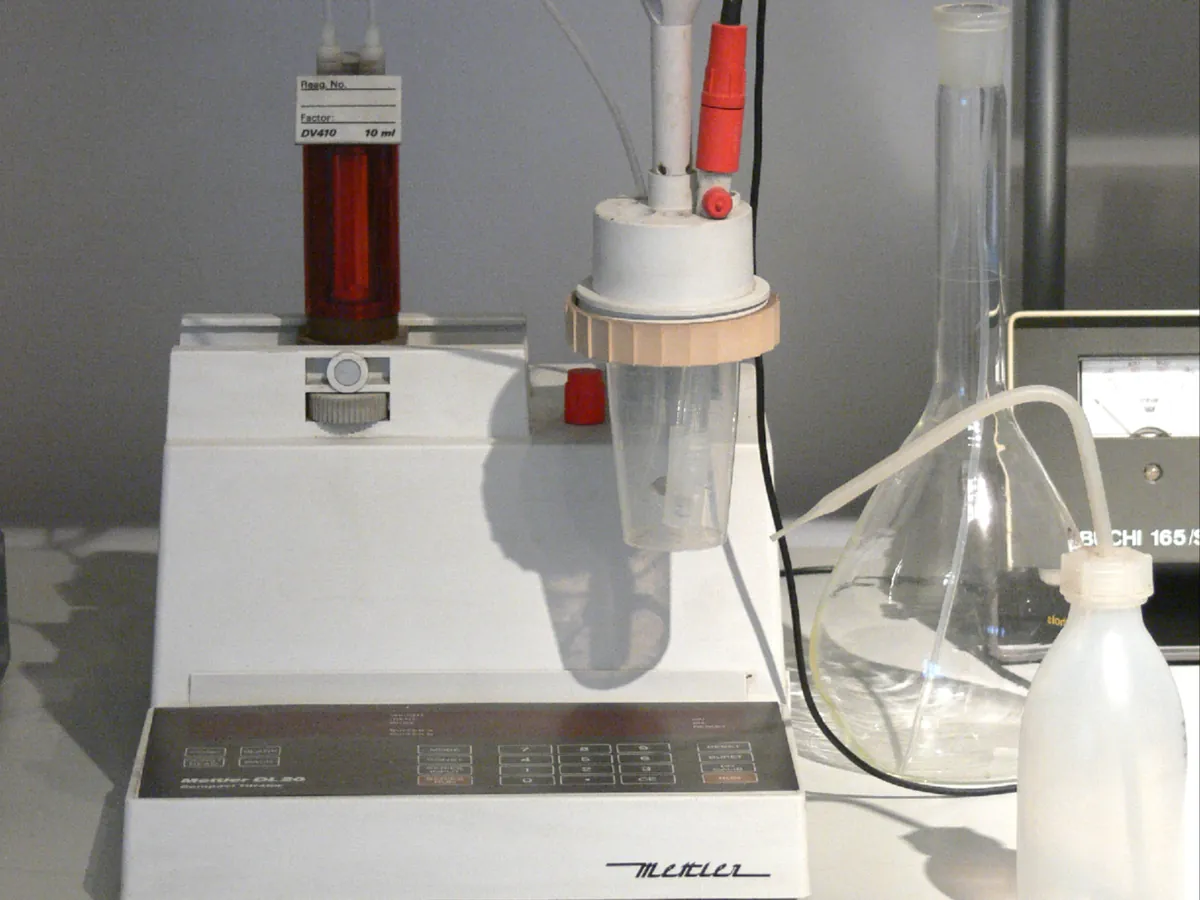
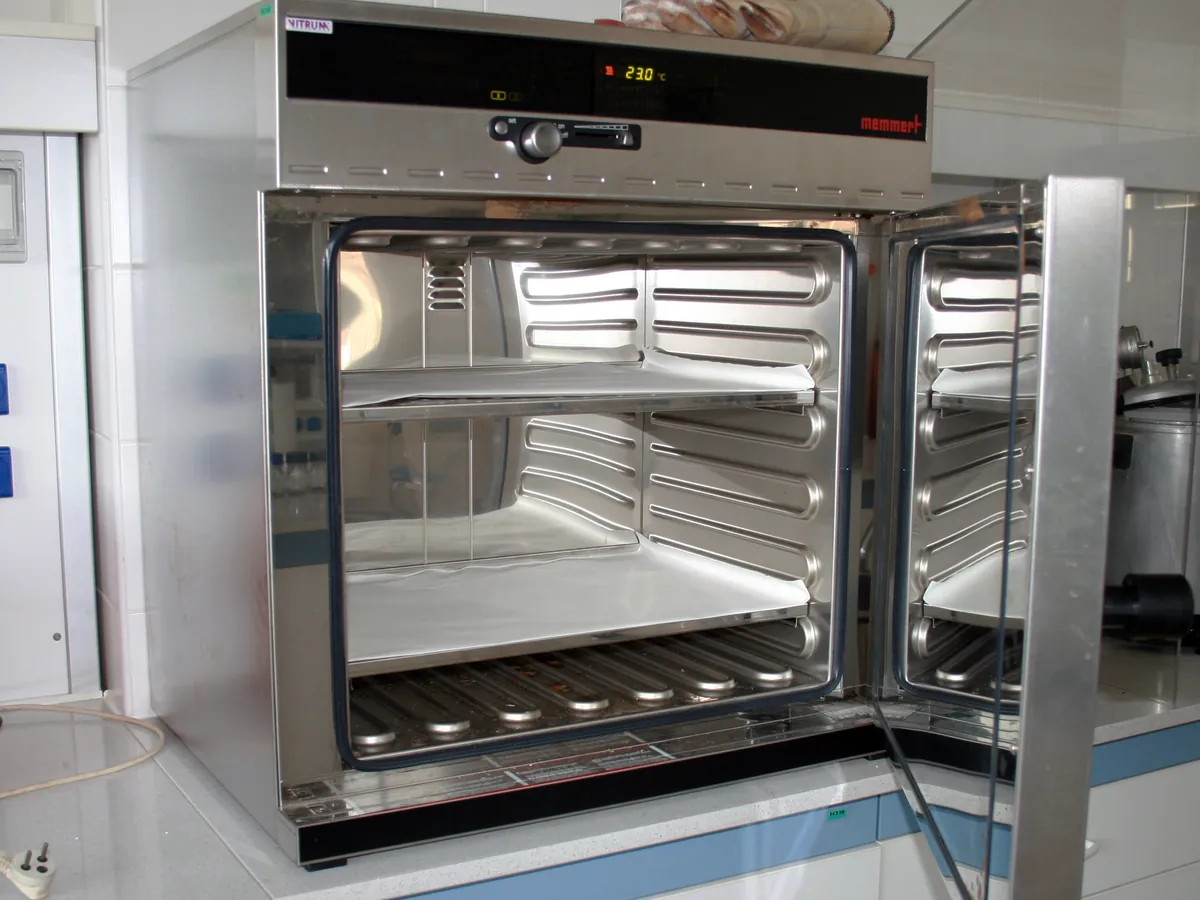
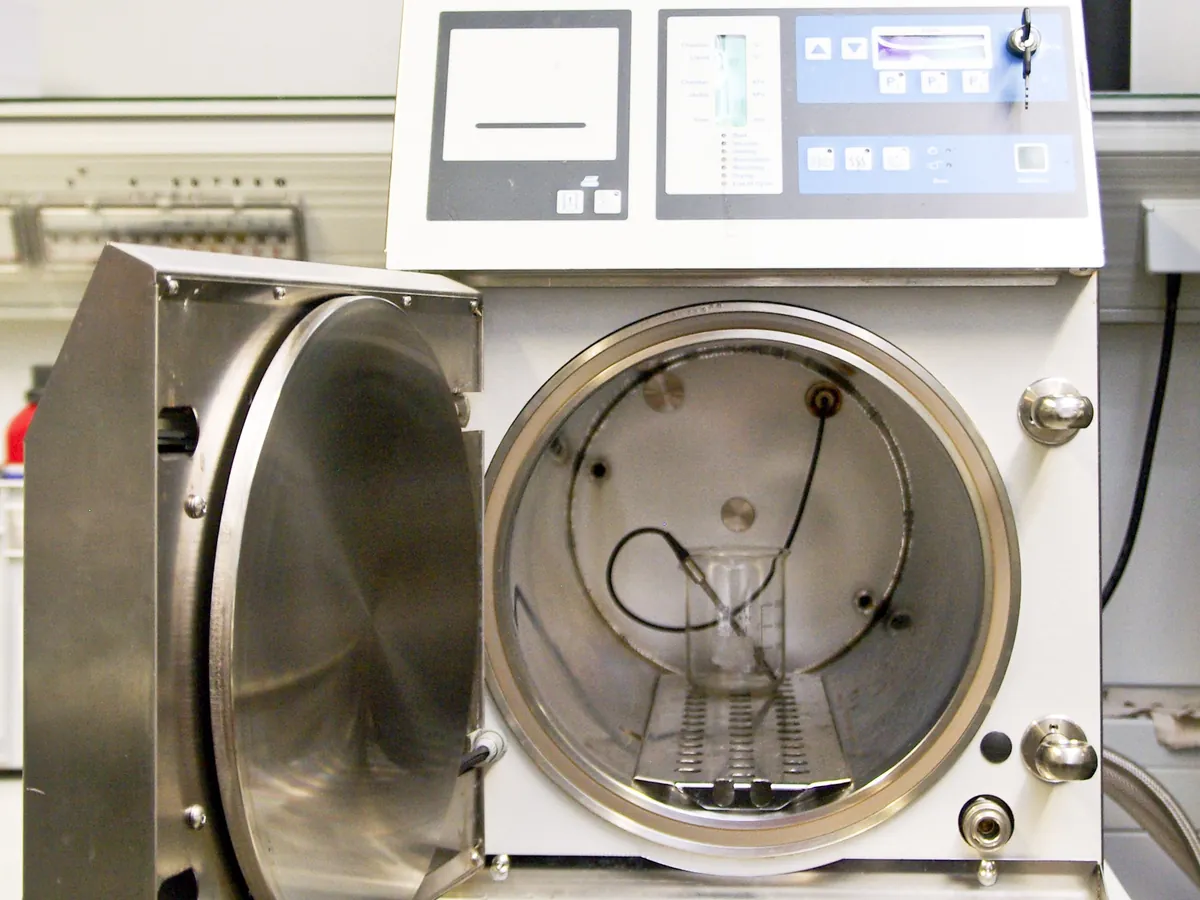
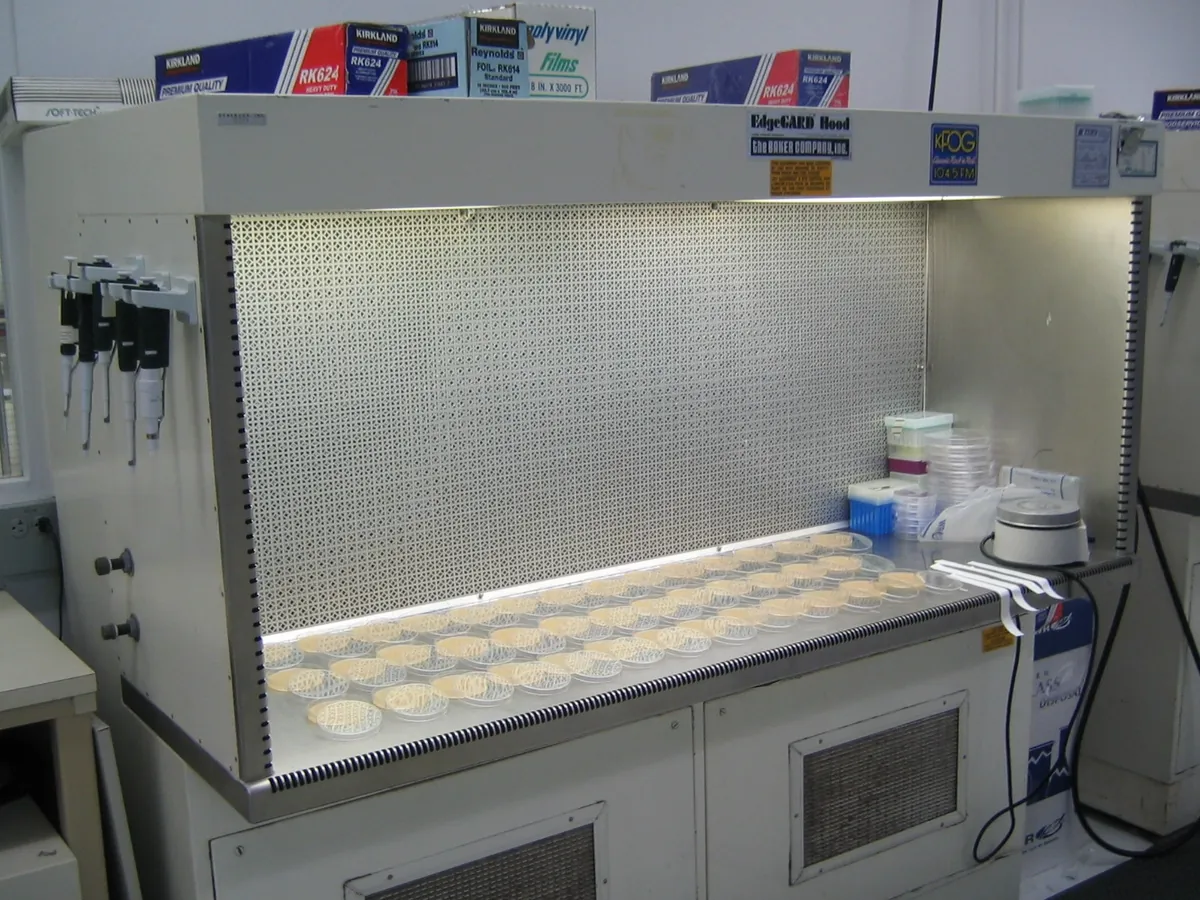
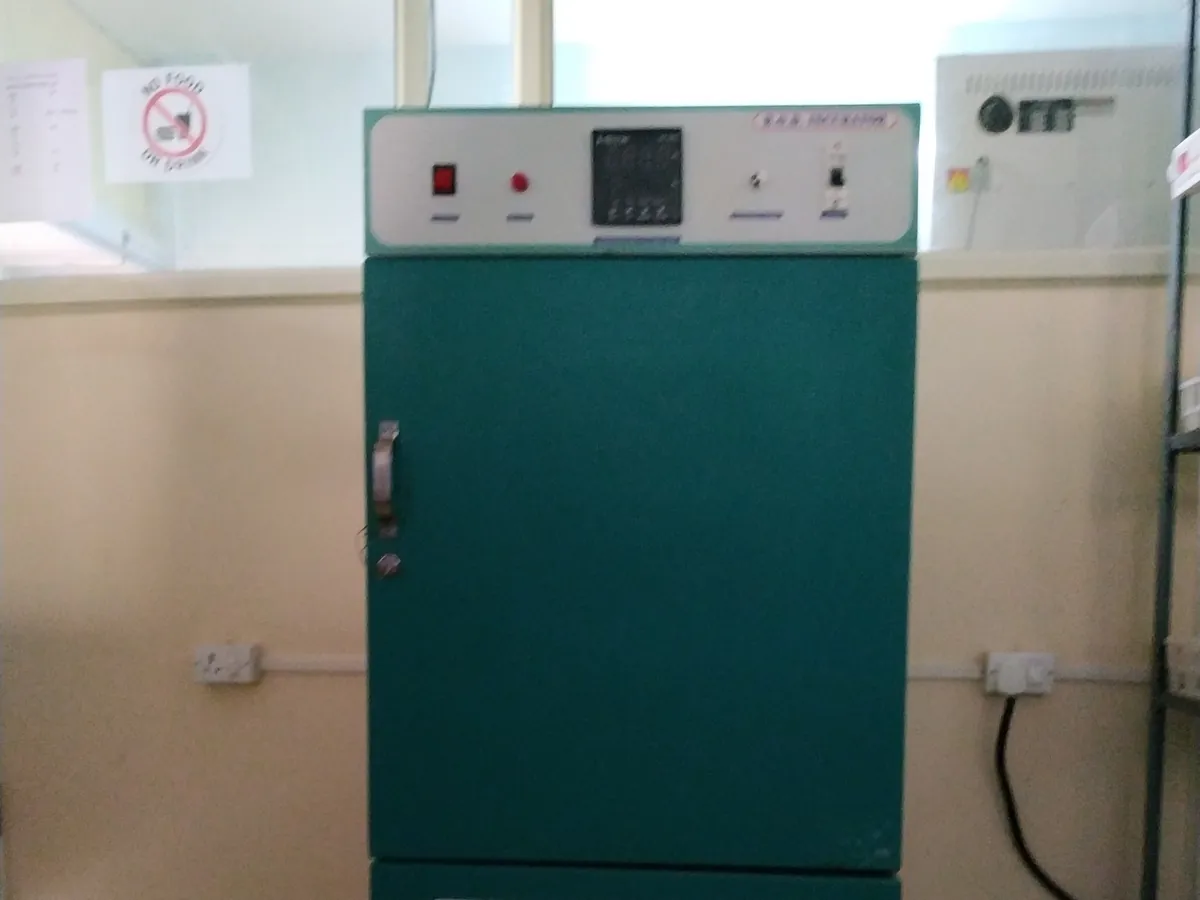
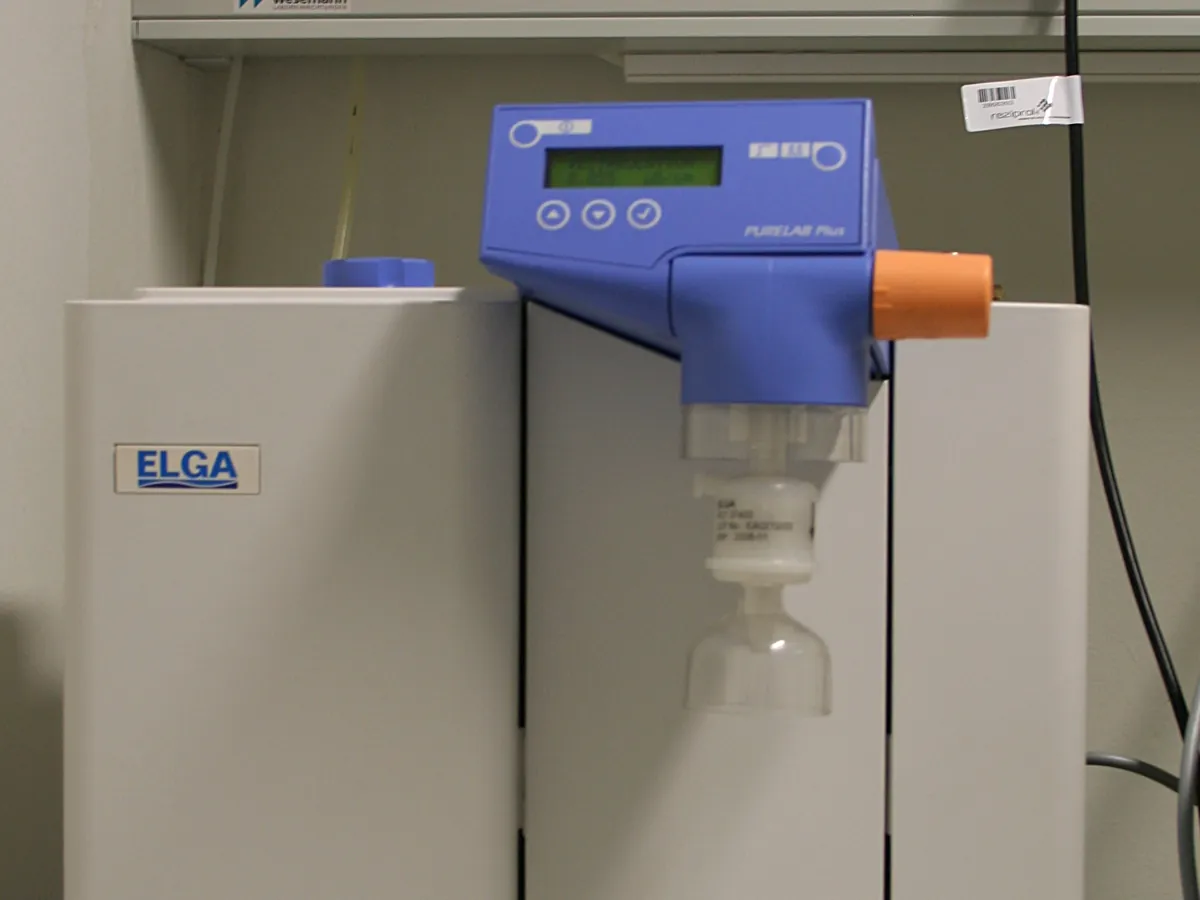
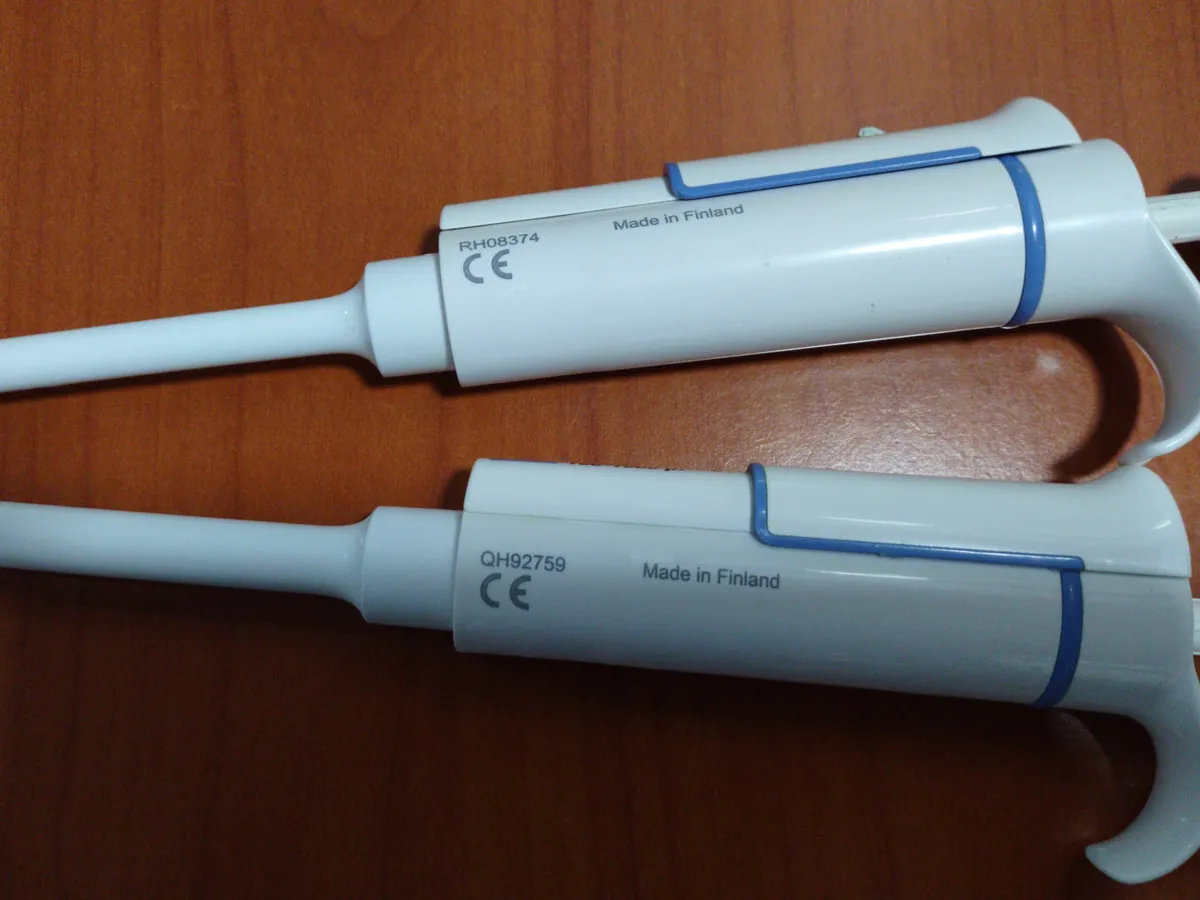
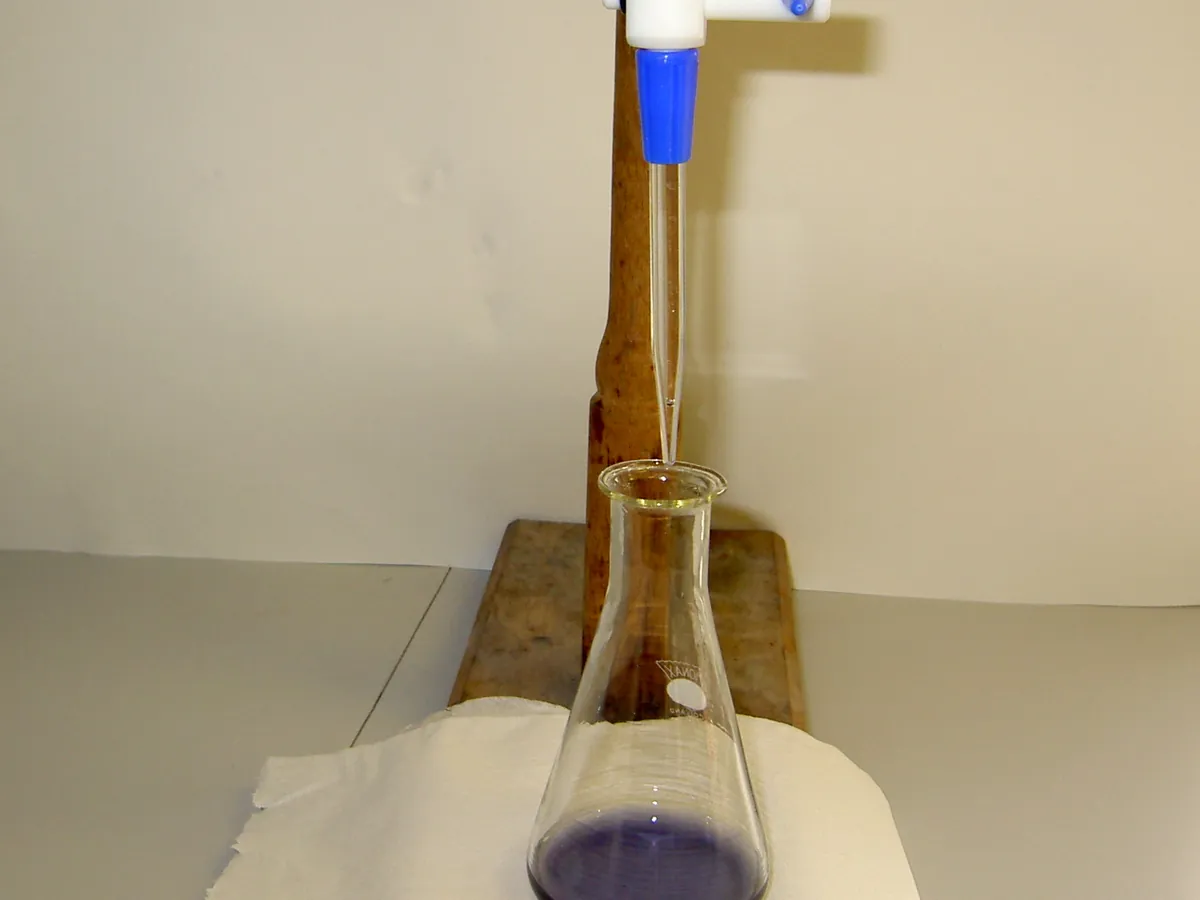
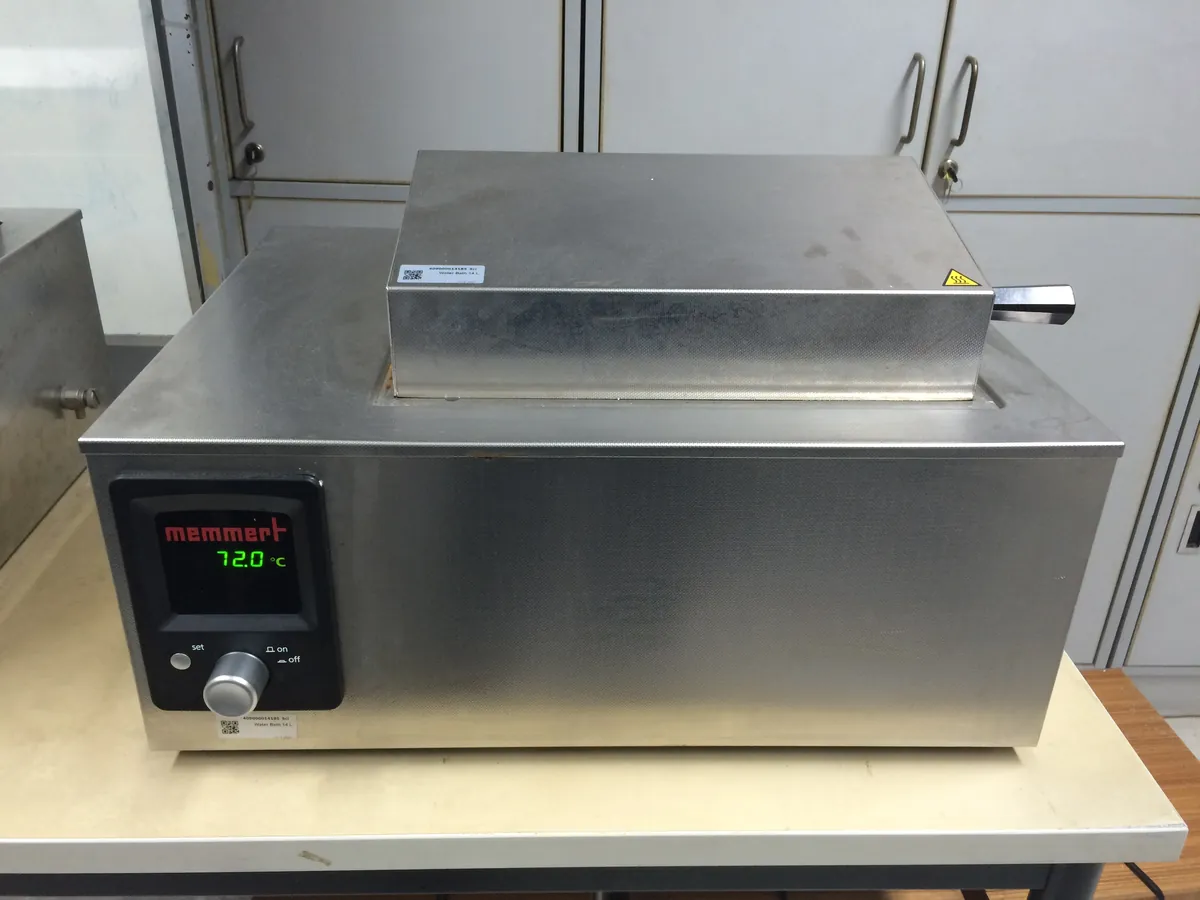
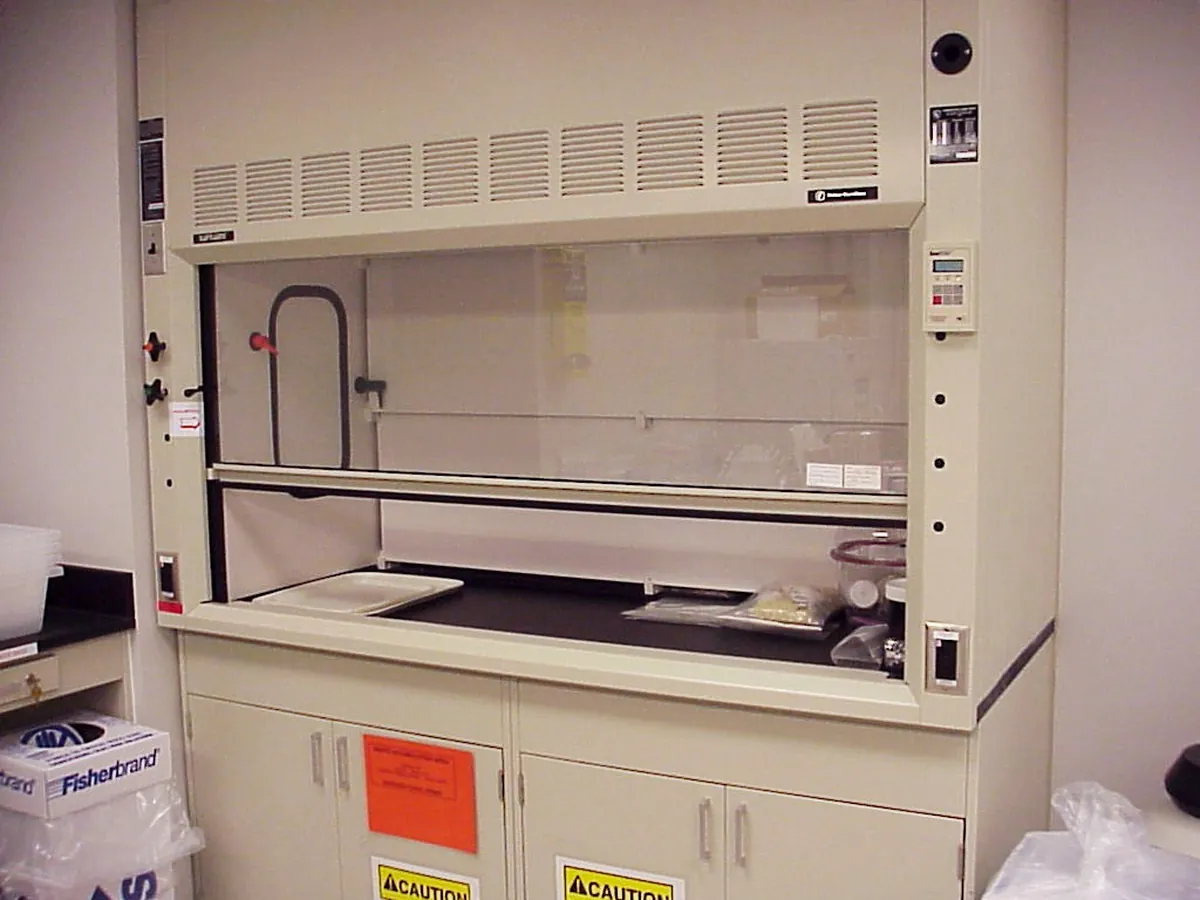
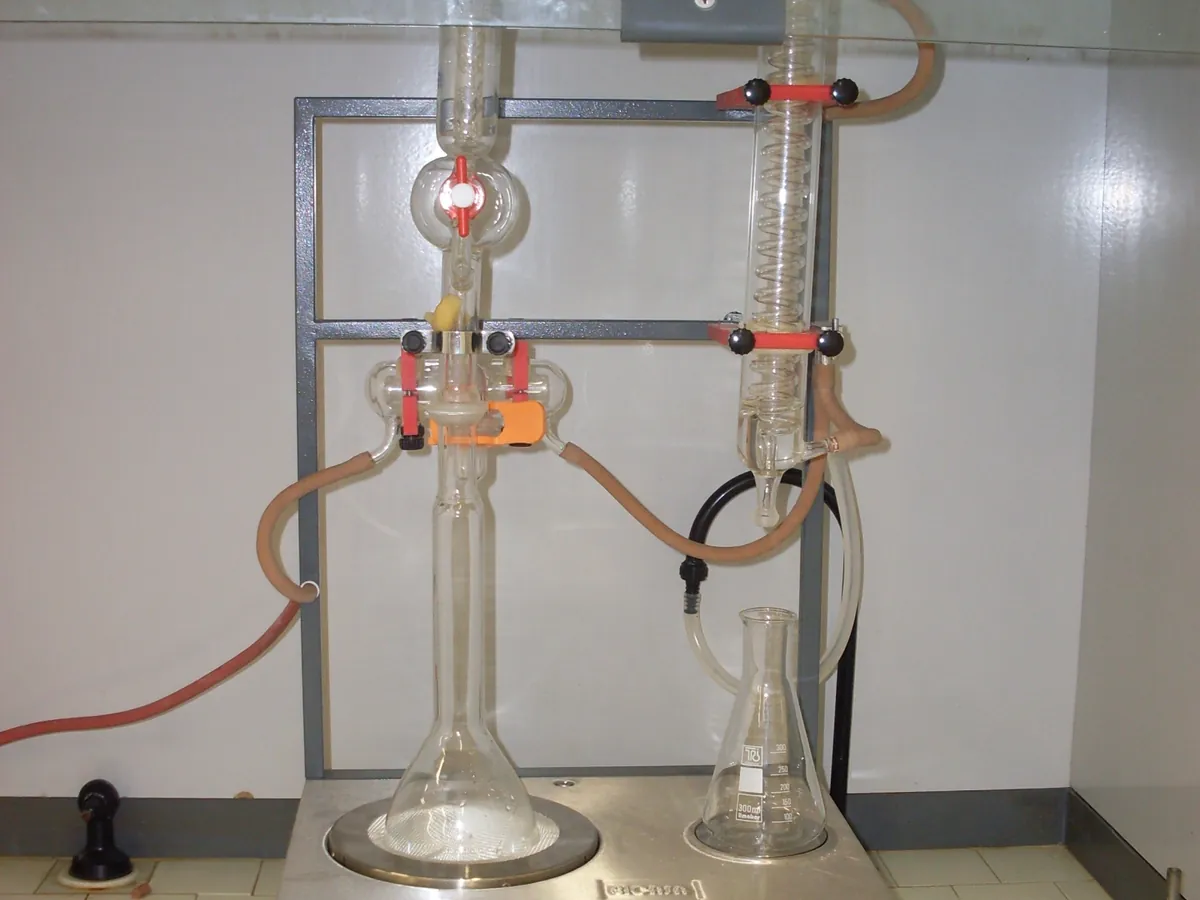
Instruments in a environmental & water lab


Learning paths
Guides
- Drinking water quality testing (IS 10500 and WHO)What a drinking-water lab tests and why, how to collect and preserve samples so the results mean something, which tests belong in the field, how to compare results with IS 10500 and WHO values, and how to write a clear test report.
- Environmental sampling and sample preservationHow environmental laboratories collect representative samples of water, wastewater, soil and ambient air, choose containers and preservatives, respect holding times, keep a chain of custody, and use field blanks, duplicates and other QA/QC checks so results can be defended.