Construction materials lab testing
Cement, concrete, aggregates, reinforcement steel and soil for construction QC. 15 test methods and 14 instruments, explained step by step.
- IS 4031
- IS 516
- IS 2386
- IS 1786
- IS 2720
- ASTM

Cement
Consistency, setting time, fineness, soundness and strength.
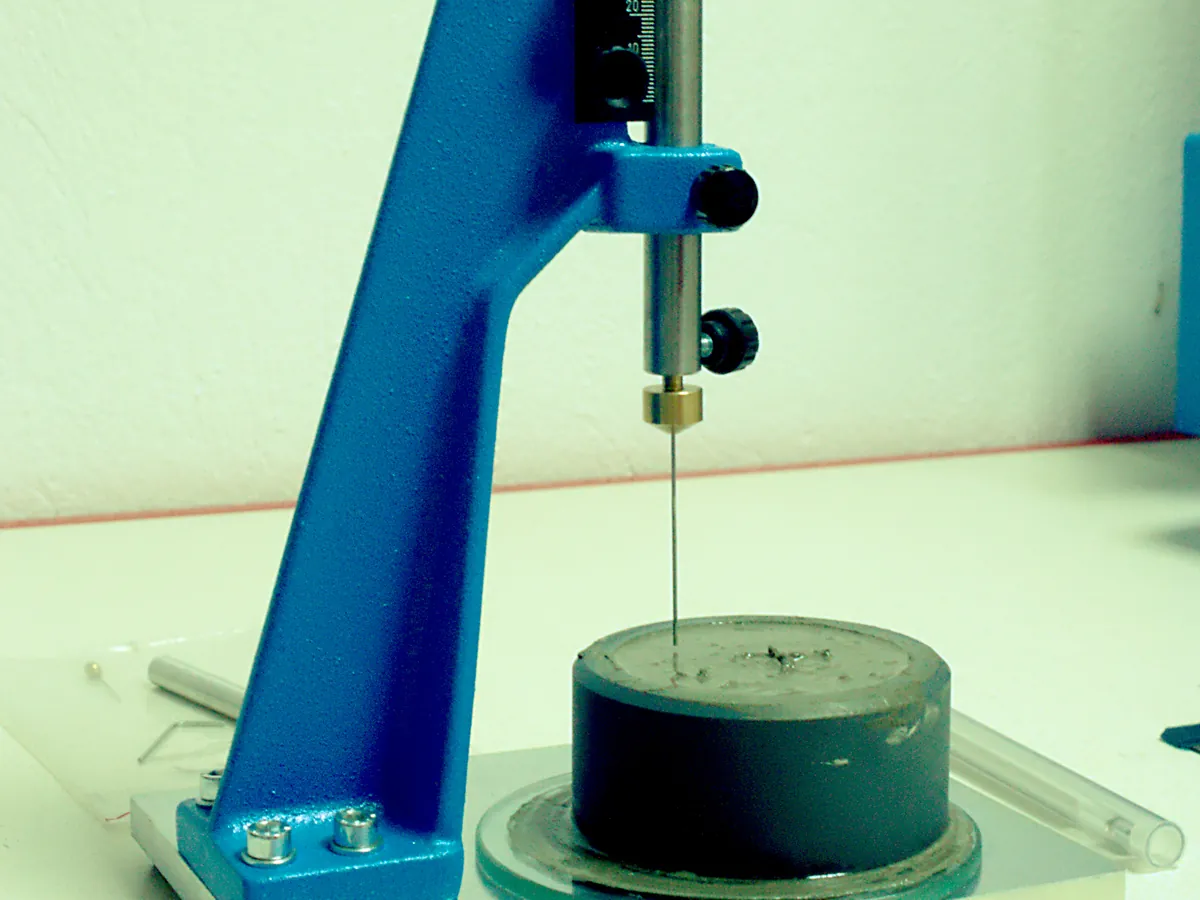
- Vicat apparatus with 10 mm plunger
Normal consistency of cement (Vicat plunger)
Finds the amount of water, as a percentage of the mass of dry cement, that gives a cement paste of a standard stiffness. This value, called P, is then used to set the water content for the setting time, soundness and mortar strength tests.
Open method - Vicat apparatus with initial-set needle and final-set needle (annular attachment)
Initial and final setting time of cement (Vicat needle)
Measures how long a cement paste of standard consistency takes to begin stiffening (initial set) and to harden fully (final set). Initial set must be long enough to mix, transport and place concrete; final set must not be so long that it delays construction.
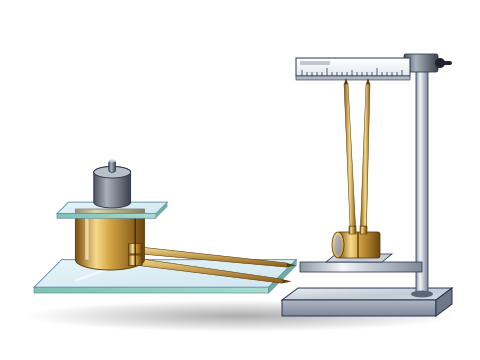
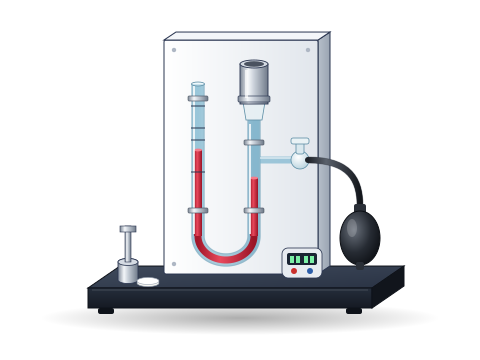
Open method - Blaine air permeability apparatus
Fineness of cement by Blaine air permeability
Measures the fineness of cement as specific surface — the total surface area of the particles in one kilogram (m²/kg). Finer cement hydrates faster and gains early strength faster, but needs more water and releases heat faster.
Open method - Le Chatelier mould with boiling water bath
Soundness of cement by Le Chatelier method
Checks that hardened cement paste will not expand after setting. Excess free lime (CaO) or magnesia (MgO) hydrates slowly and expands, which can crack concrete months later. The Le Chatelier test accelerates this by boiling and measures the expansion between two indicator points.
Open method - 1:3 cement–standard sand mortar cubes, compression testing machine
Compressive strength of cement (mortar cubes)
Measures the strength of the cement itself by crushing 70.6 mm cubes of a standard 1:3 cement–sand mortar at 3, 7 and 28 days. The 28-day strength gives the cement its grade (for example OPC 43 must reach at least 43 MPa).
Open method
Concrete
Workability and compressive strength at 7 and 28 days.
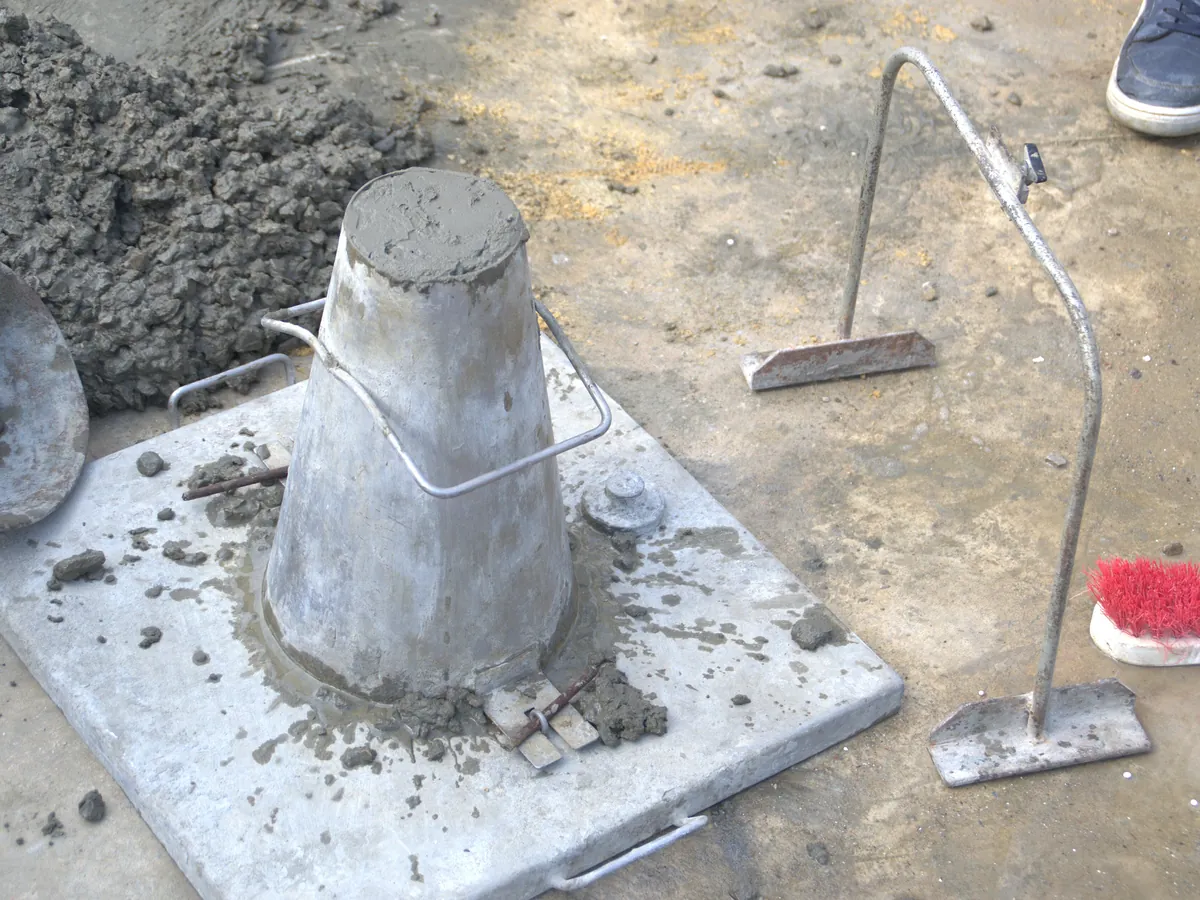
- Abrams slump cone and tamping rod
Slump test of fresh concrete
A quick site and laboratory test of how easily fresh concrete flows and can be placed. A cone of concrete is moulded, the cone is lifted, and the drop in height of the concrete — the slump — is measured in millimetres.
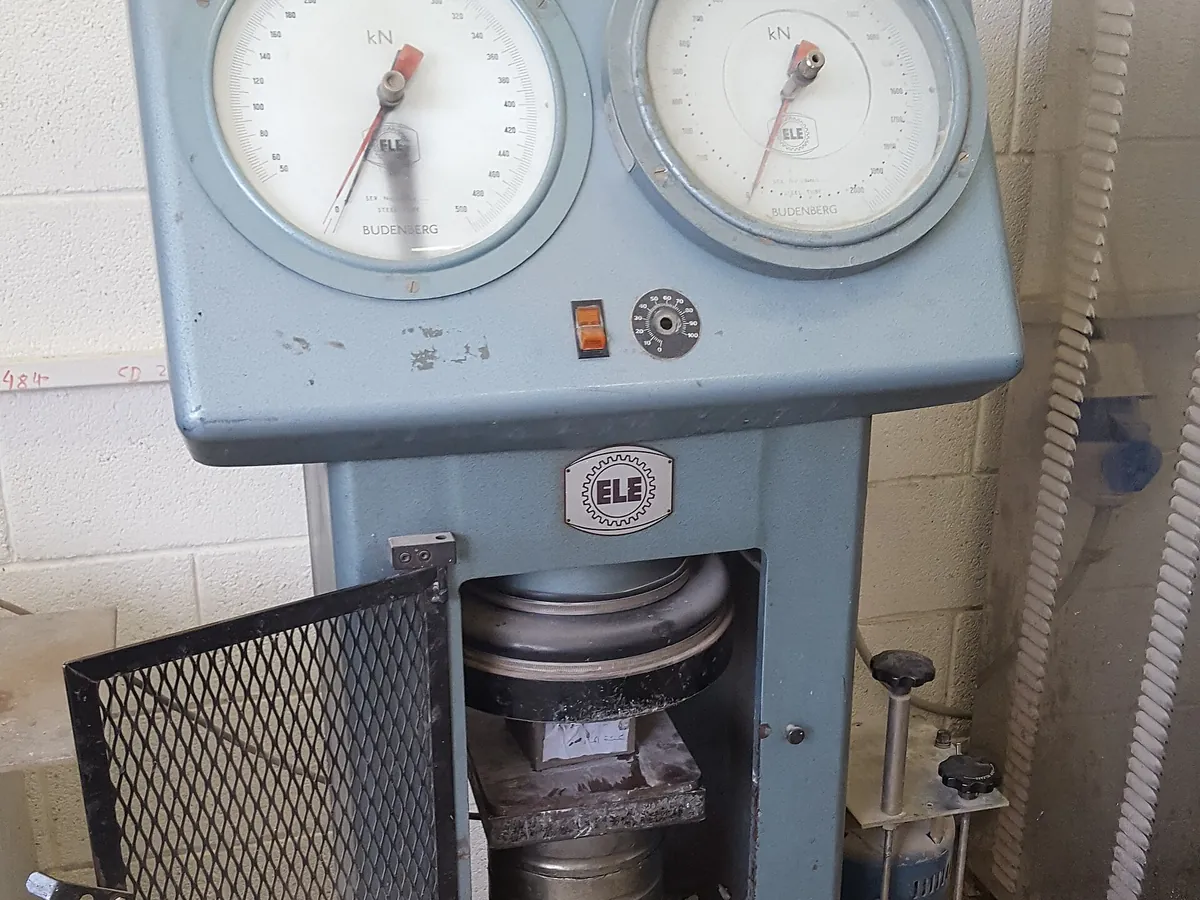
Open method - Compression testing machine
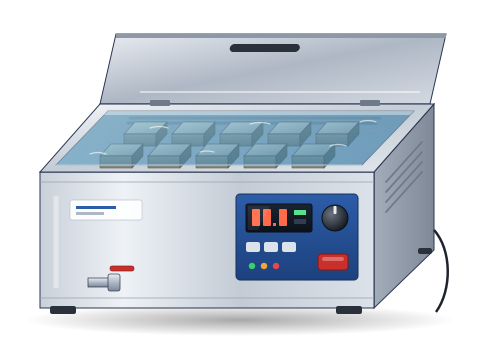
Compressive strength of concrete cubes
The standard test of concrete quality. Cubes are cast from fresh concrete, cured in water and crushed at 7 and 28 days. Strength is the failure load divided by the loaded area, and the 28-day results are compared with the specified characteristic strength (the grade, e.g. M25 = 25 MPa).
Open method
Aggregates
Grading, strength, abrasion, shape and absorption.
- Dry sieving through a nest of standard test sieves
Sieve Analysis of Aggregates (Grading and Fineness Modulus)
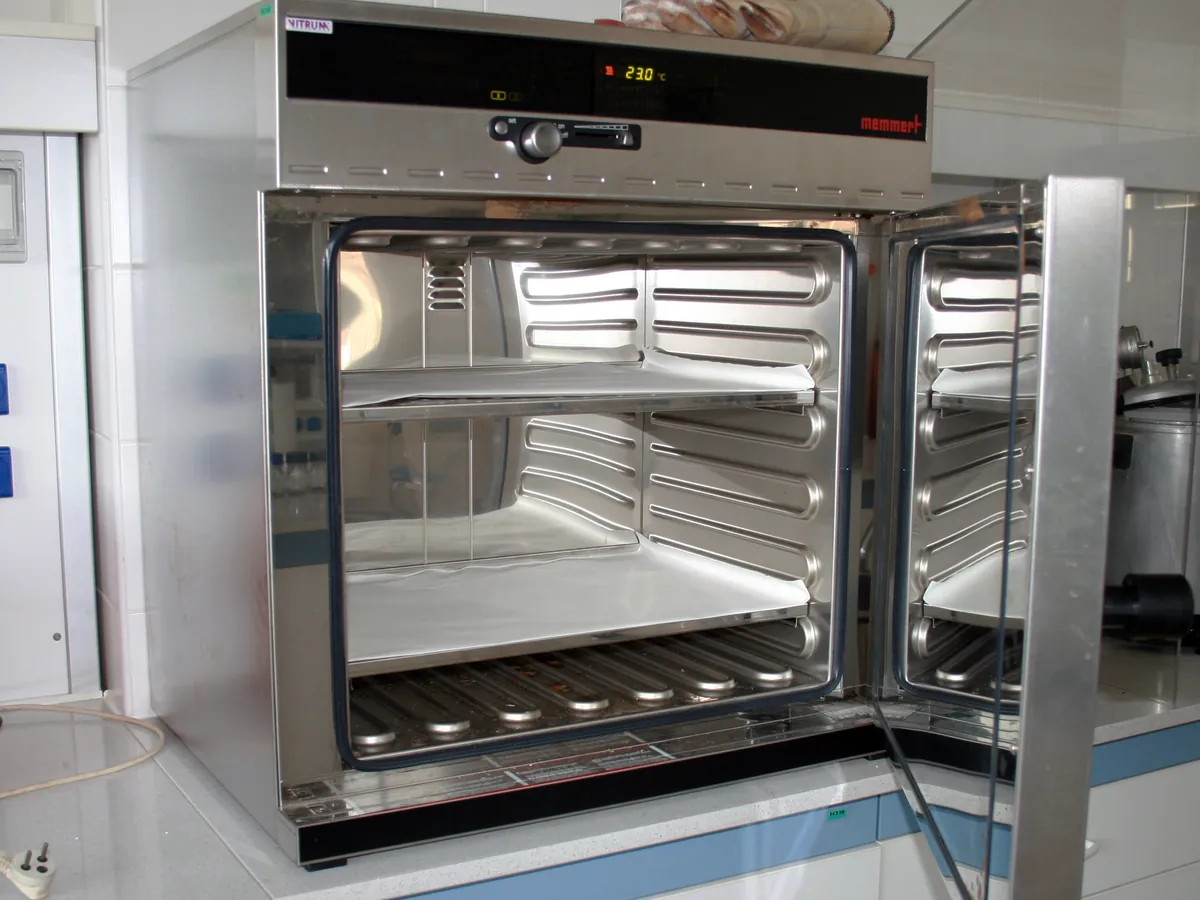
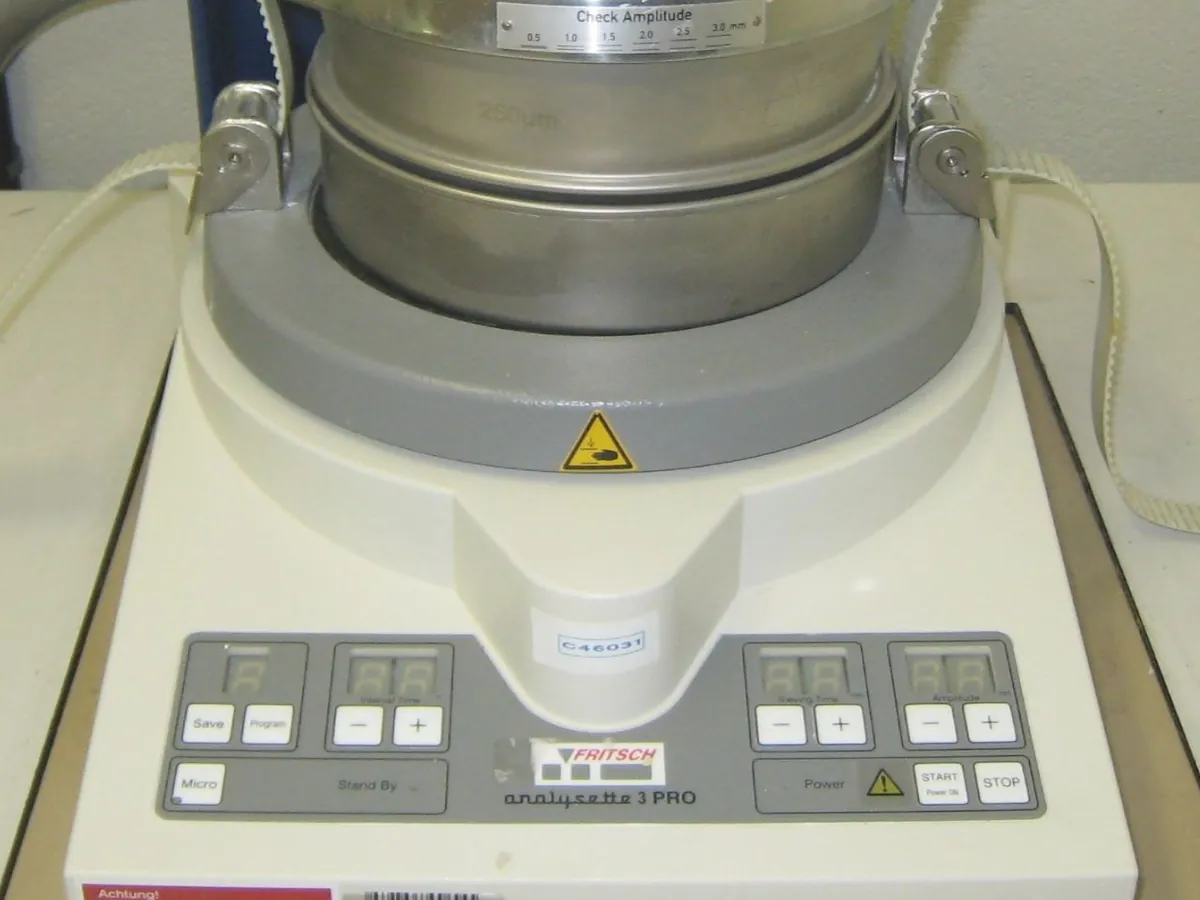
An oven-dried aggregate sample is shaken through a nest of standard sieves. The mass retained on each sieve gives the grading curve, the fineness modulus and, for sand, the IS 383 grading zone.
Open method - Impact testing with a falling hammer, then sieving
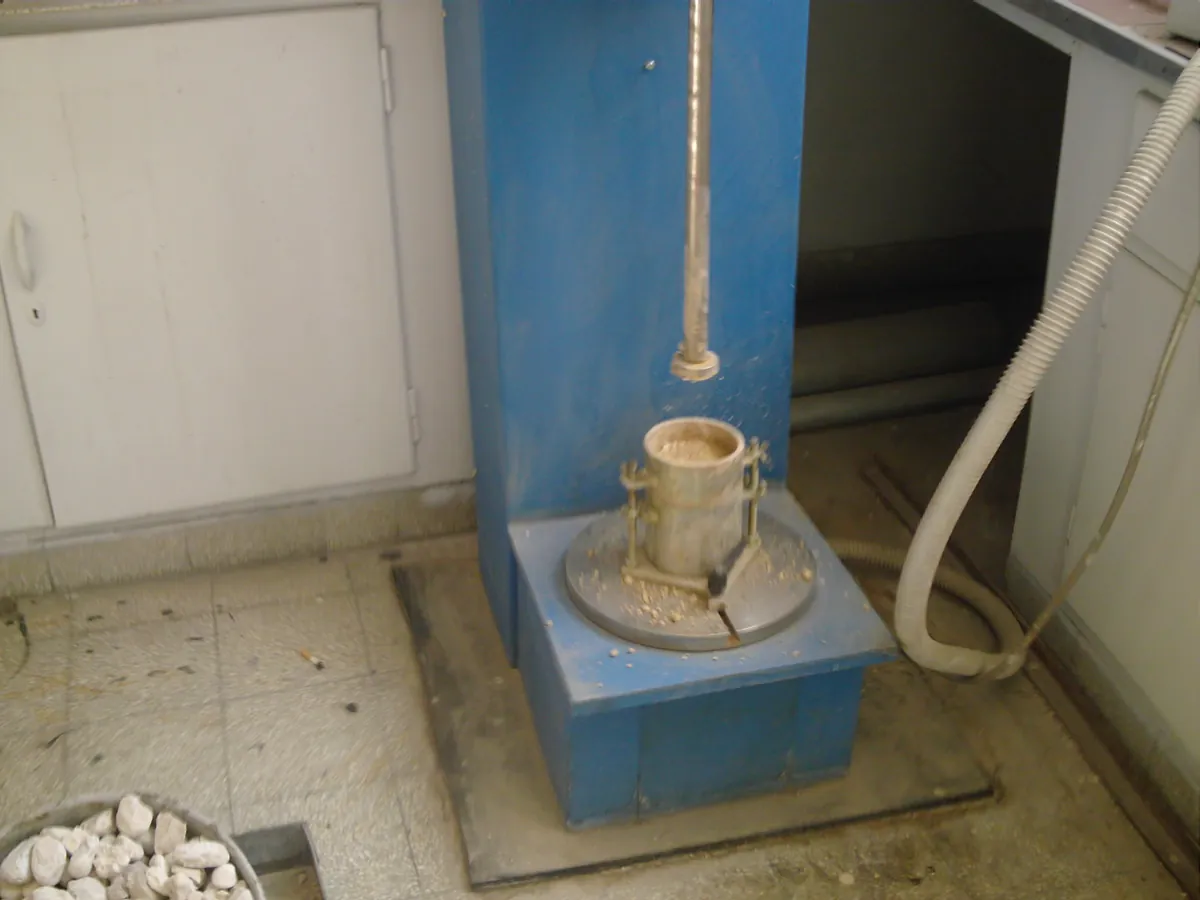
Aggregate Impact Value (AIV)
A measured volume of 12.5–10 mm aggregate is struck 15 times by a standard falling hammer. The fines produced (passing 2.36 mm) are expressed as a percentage of the original mass. A lower AIV means a tougher aggregate.
Open method - Rotating drum with steel spheres, then sieving
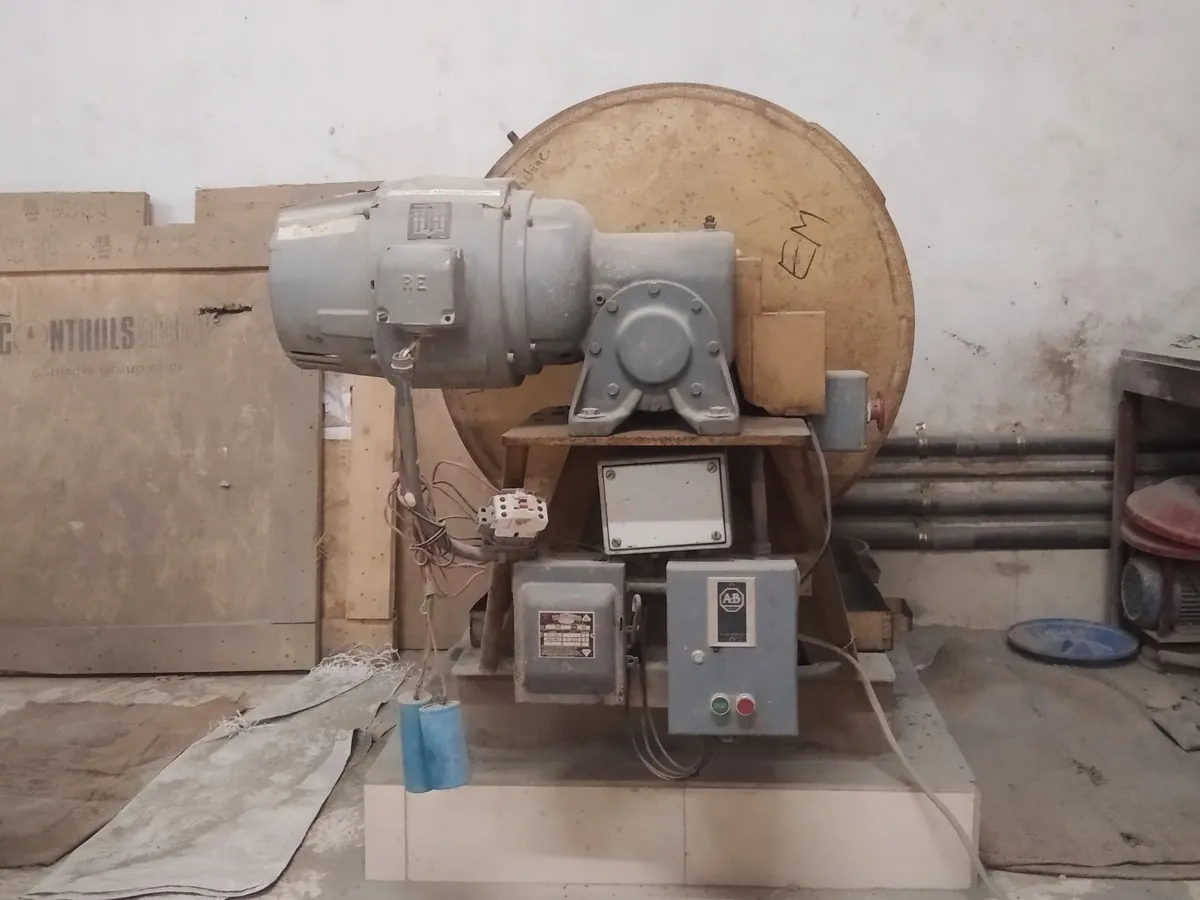
Los Angeles Abrasion Value
A graded sample of coarse aggregate is tumbled with a set number of steel spheres in a rotating drum. The material worn down to pass a 1.70 mm sieve is expressed as a percentage of the original mass.
Open method - Gravimetric — weighing in water and in air (wire basket method)
Specific Gravity and Water Absorption of Coarse Aggregate
A soaked sample is weighed in water, then surface-dried to the saturated surface-dry (SSD) condition and weighed in air, and finally oven-dried and weighed. These three masses give the specific gravities and the water absorption.
Open method - Hand gauging with thickness (slot) and length gauges
Flakiness Index and Elongation Index of Coarse Aggregate
The aggregate is sieved into narrow size fractions. Each particle is tried in a thickness gauge (flaky if it passes) and a length gauge (elongated if it does not pass). The masses give the flakiness index and elongation index.
Open method
Reinforcement steel
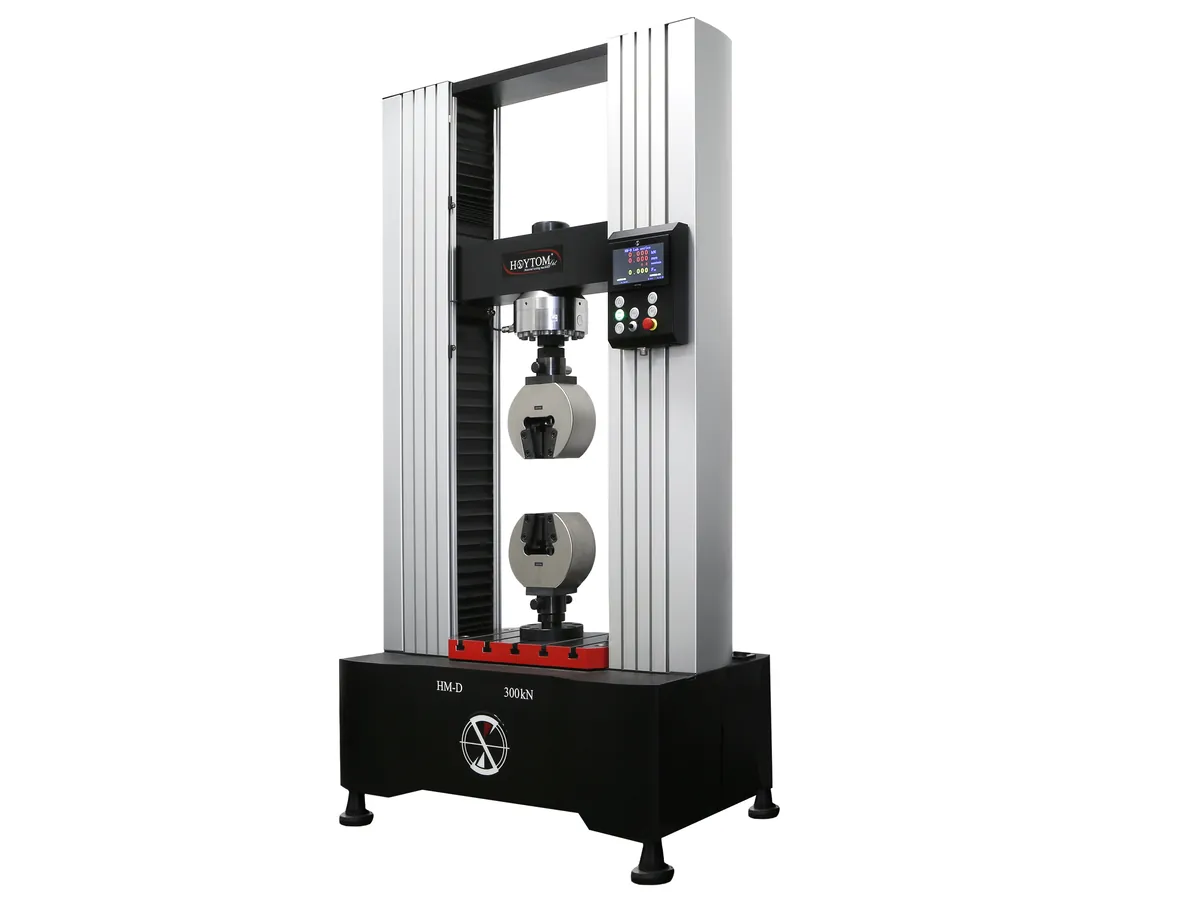
Tensile strength and elongation of rebars.
Soil & subgrade
Compaction and bearing ratio for earthworks and roads.
- Laboratory compaction with a standard rammer at several water contents
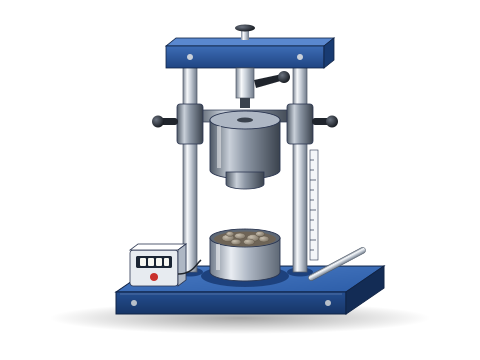
Proctor Compaction Test (OMC and MDD)
Soil is compacted in a standard mould at a series of water contents. For each point the dry density is calculated. The peak of the dry density versus water content curve gives the maximum dry density (MDD) and the optimum moisture content (OMC).
Open method - Penetration of a standard plunger at constant rate into compacted (usually soaked) soil
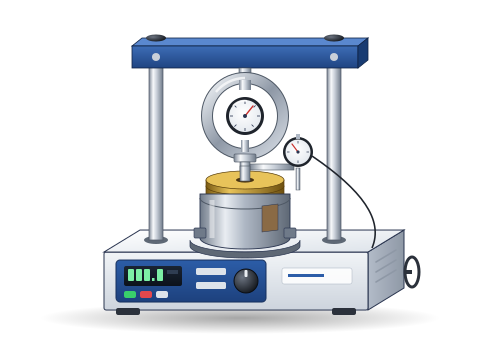
California Bearing Ratio (CBR) of Soil
Soil is compacted in a CBR mould, usually soaked for 4 days, and then penetrated by a 50 mm plunger at 1.25 mm/min. The loads at 2.5 mm and 5.0 mm penetration are expressed as a percentage of standard loads for crushed stone.
Open method