Cosmetics & personal care lab testing
Physical, chemical, microbiological and stability testing of creams, lotions, shampoos and sunscreens. 9 test methods and 20 instruments, explained step by step.
- ISO 22716
- ISO 11930
- ISO 21149
- ISO 24443
- BIS
- EU Cosmetics Regulation
Cosmetic products
pH, viscosity, texture, SPF, preservatives and stability.
- Potentiometry with a glass combination electrode
pH of Cosmetic Products
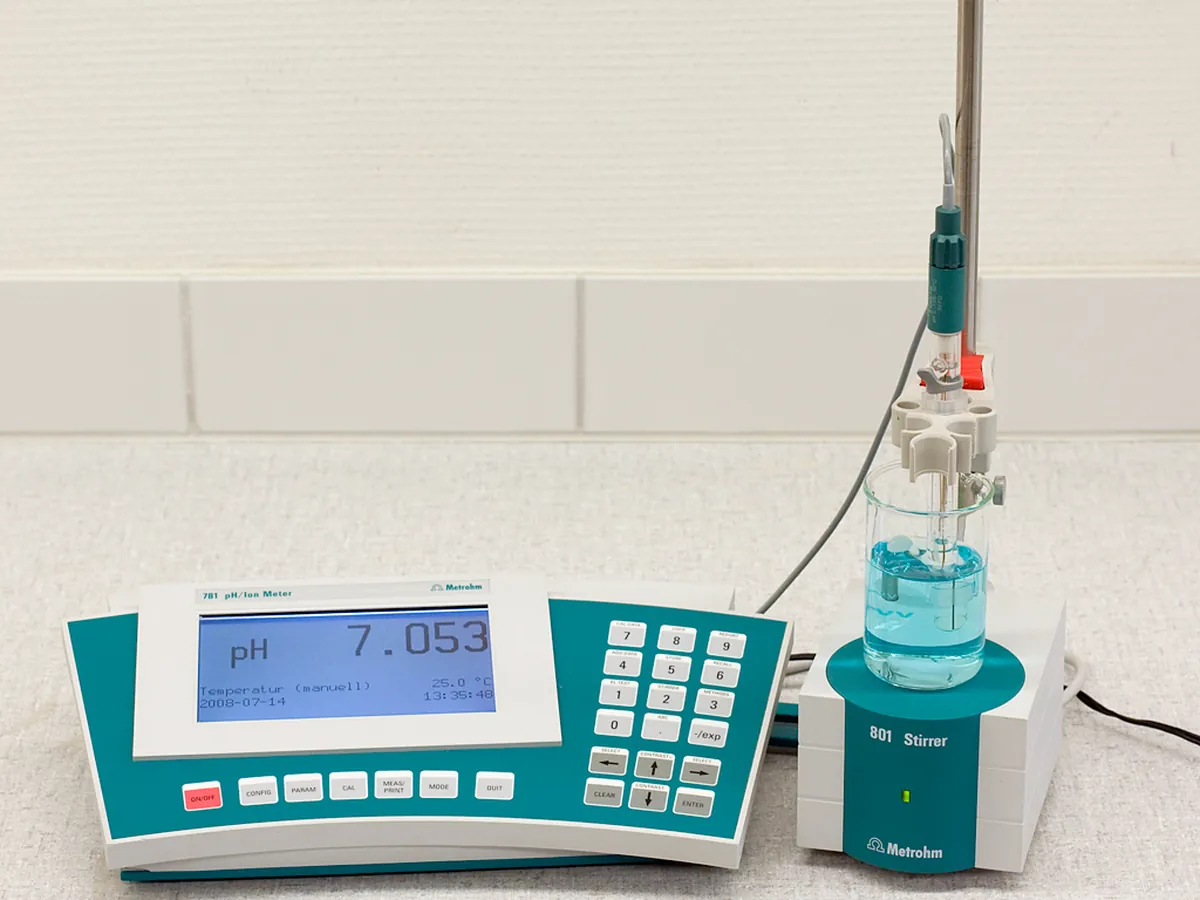
Measures pH of a cosmetic either directly (fluid products such as toners and shampoos) or on a 10% dispersion in freshly boiled and cooled purified water (thick creams, pastes and anhydrous products). The meter is calibrated with two or three buffers that bracket the expected pH.
Open method - Rotational viscometry (single-point apparent viscosity)
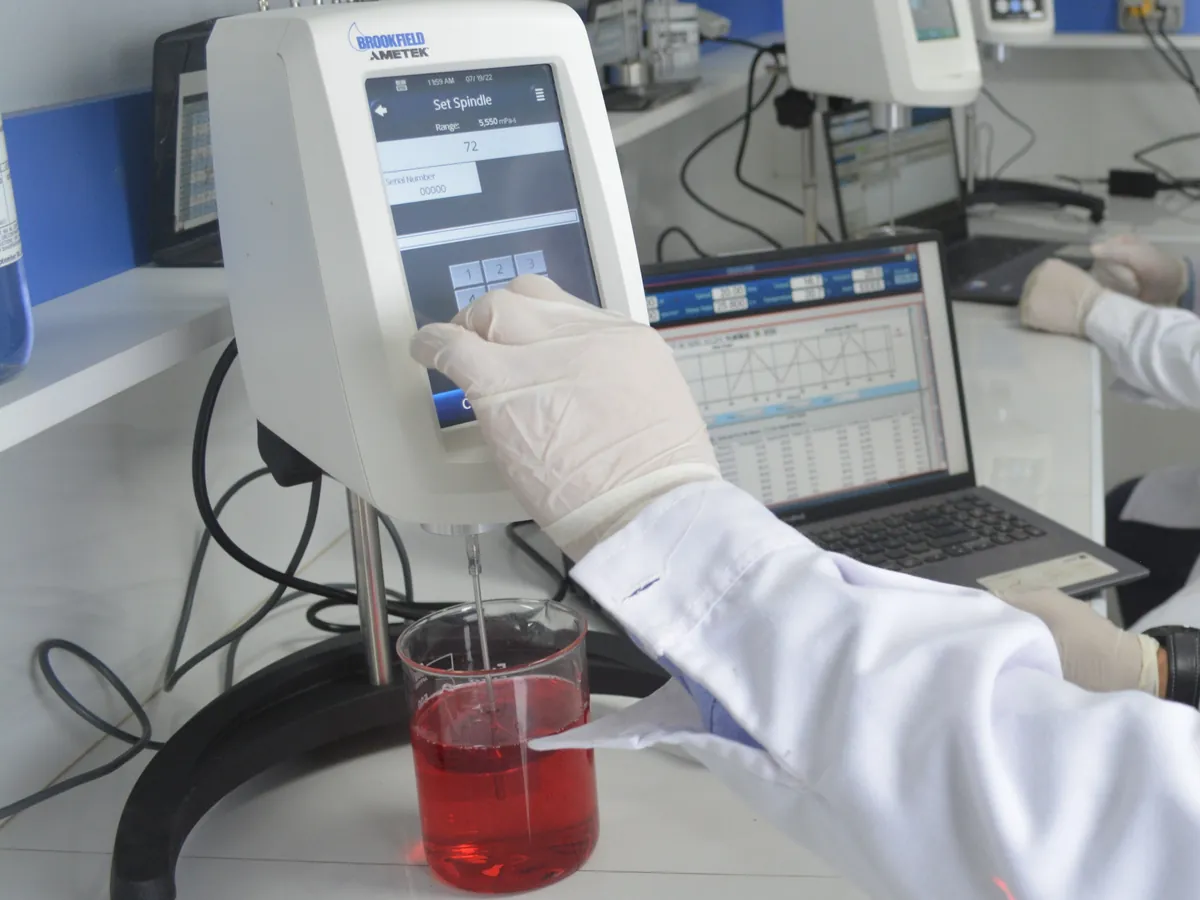
Viscosity of Creams and Lotions (Rotational Viscometer)
A spindle rotates in the product at a fixed speed and the instrument measures the torque needed to turn it. Torque is converted to apparent viscosity in mPa·s. For thick creams a T-bar spindle on a helipath stand moves slowly downward so it always cuts fresh product.
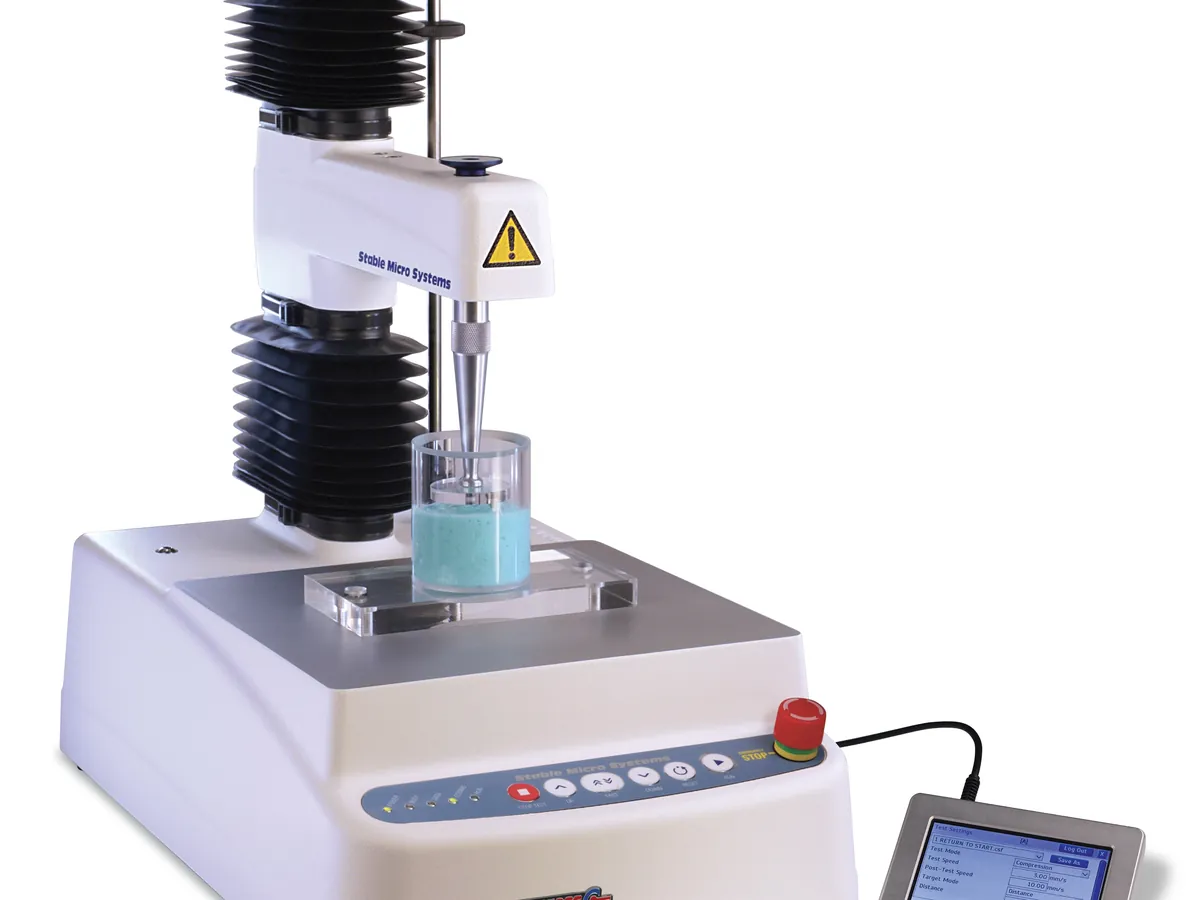
Open method - Texture analysis — cone spreadability (or back extrusion)
Firmness and Spreadability of Creams (Texture Analyser)
A 90° male cone is pushed into the product packed in a matching female cone. The peak force is reported as firmness and the area under the force–distance curve as work of shear (spreadability). The negative force on withdrawal shows adhesiveness.
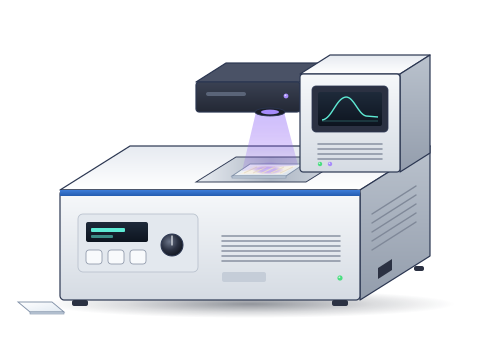
Open method - UV transmittance of a product film on PMMA plates (290–400 nm)
In Vitro SPF and UVA Protection of Sunscreens
A measured amount of sunscreen is spread evenly on roughened PMMA plates. UV transmittance is measured from 290 to 400 nm. SPF is calculated by weighting transmittance with the erythemal action spectrum and a reference sun spectrum; UVA-PF uses a UVA action spectrum after a controlled UV pre-irradiation; critical wavelength comes from the absorbance curve.
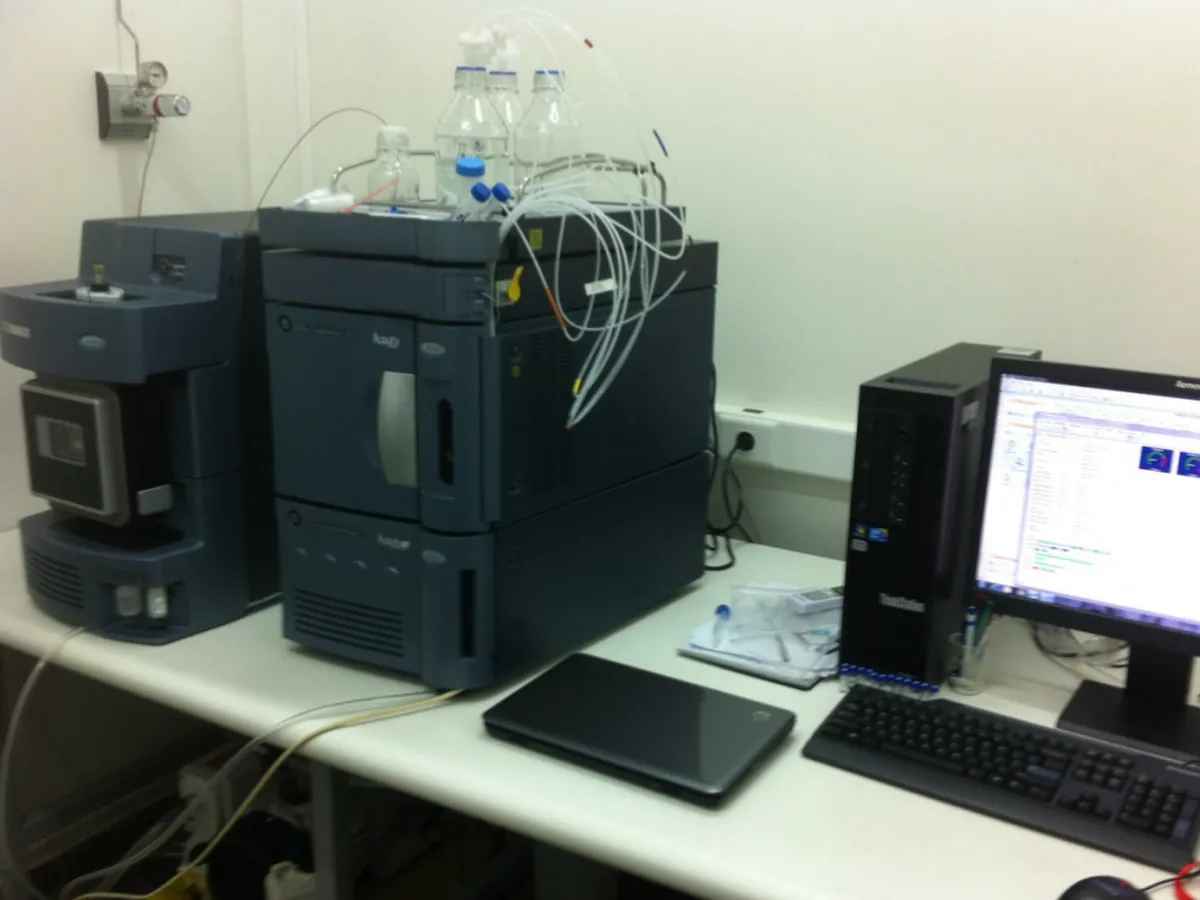
Open method - Reversed-phase HPLC with UV detection (external standard)
Parabens and Phenoxyethanol in Cosmetics by HPLC
The preservatives are extracted from the product into methanol (with sonication and centrifuging to break the emulsion), separated on a C18 column with a water–acetonitrile or water–methanol gradient, detected by UV at about 254 nm and quantified against external standards.
Open method - Storage under defined conditions with periodic testing
Stability Testing of Cosmetic Products
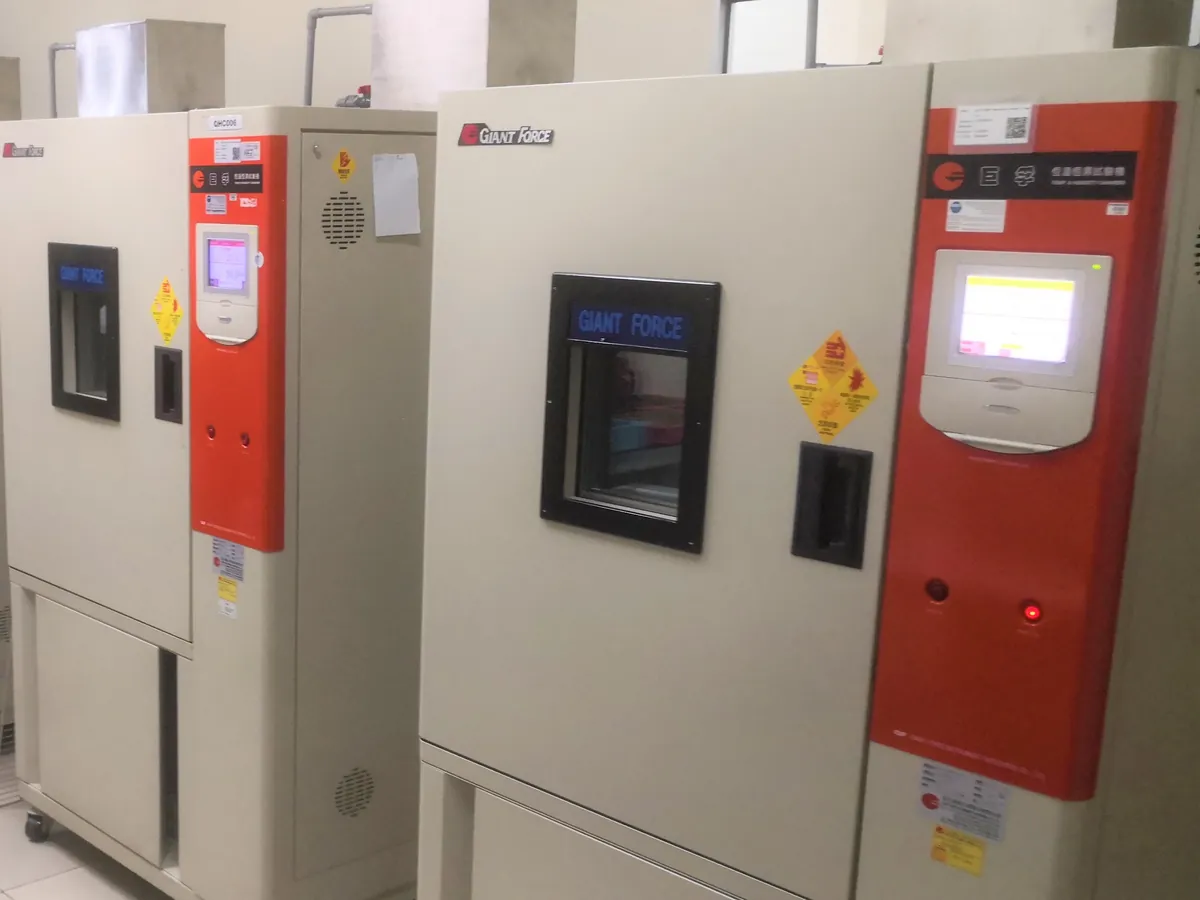
Samples of the product in its final packaging are stored at room temperature, at elevated temperature (typically 40 °C and/or 45 °C), in a fridge, through freeze–thaw cycles and under light. At set time points they are checked for appearance, colour, odour, pH, viscosity and, where relevant, active or preservative content and packaging behaviour.
Open method
Safety & microbiology
Microbial counts, preservative efficacy and heavy metals.
- Plate count (pour plate, spread plate or membrane filtration) after neutralisation
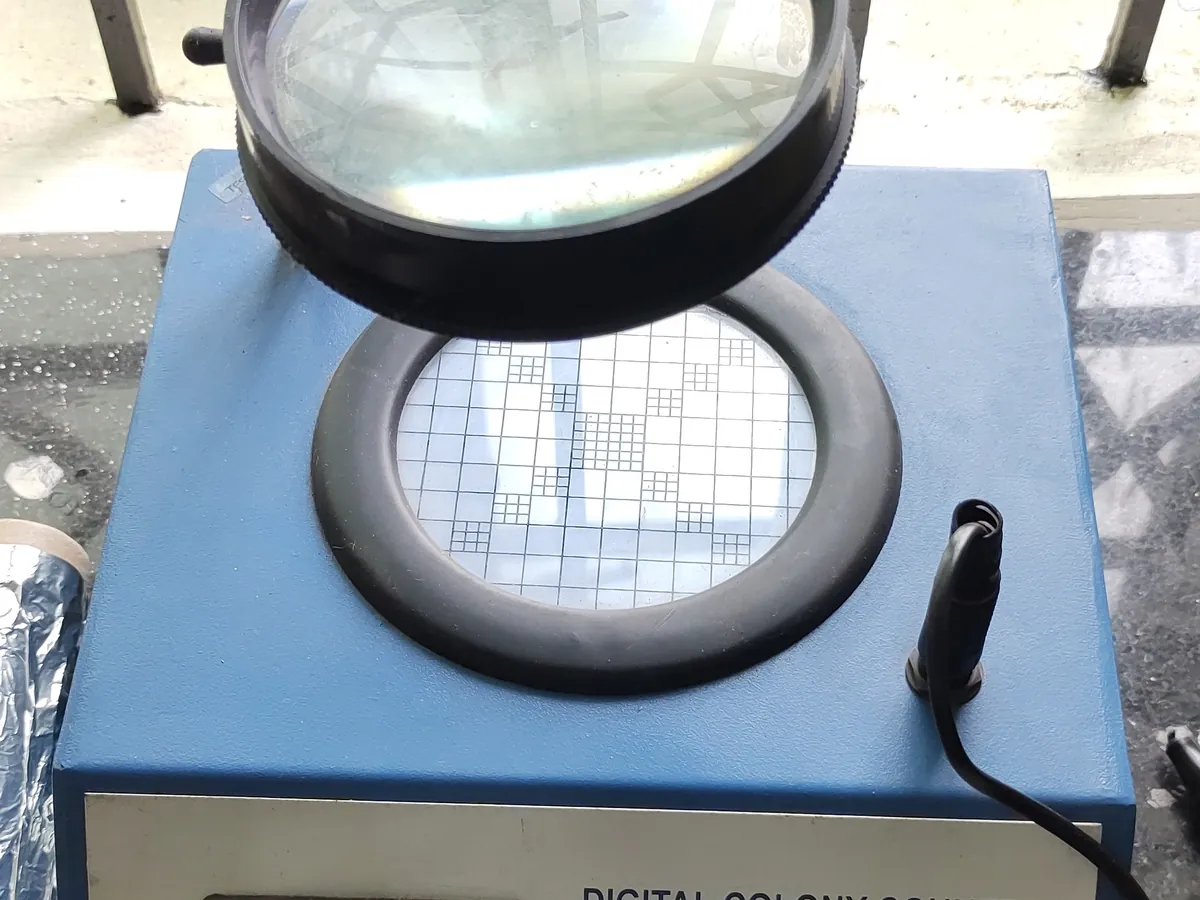
Microbial Count of Cosmetics (Aerobic Mesophilic Bacteria)
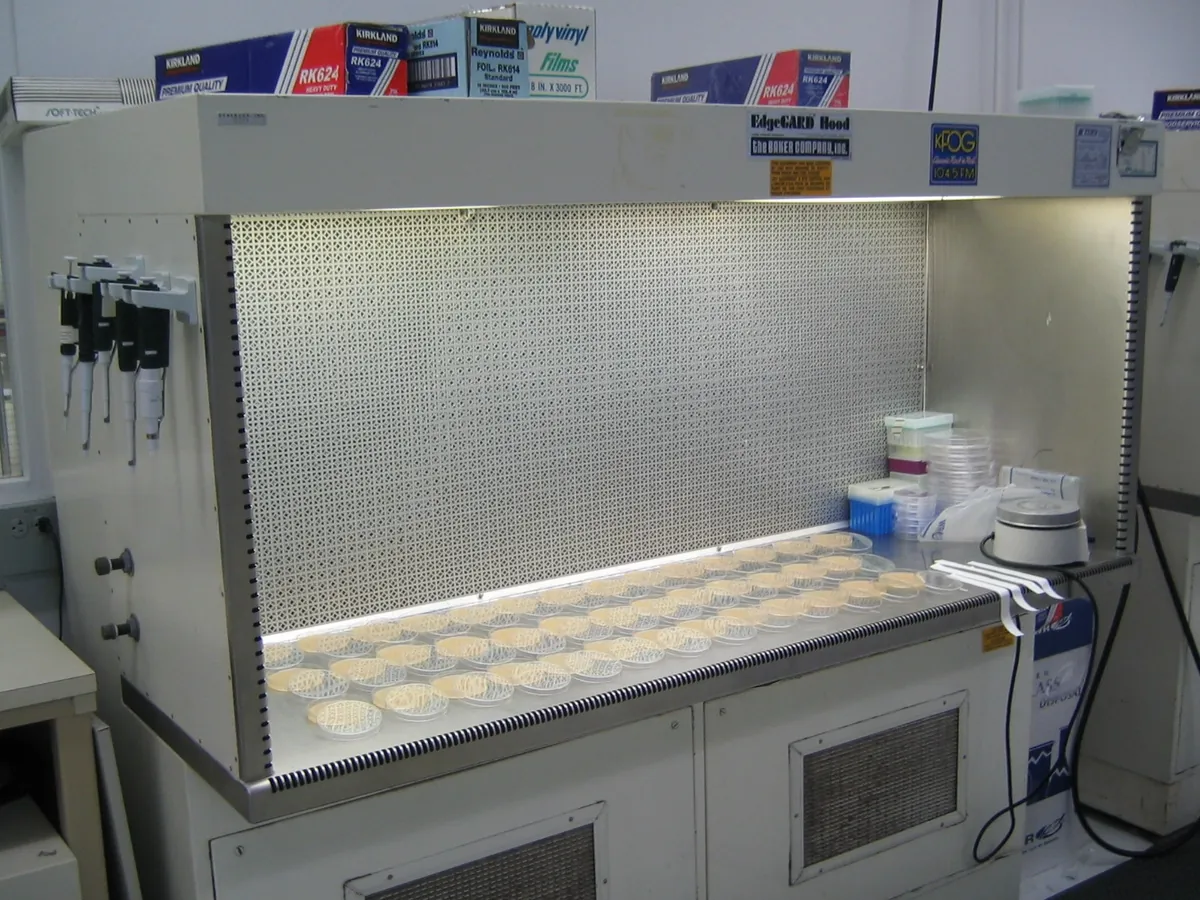
Measures how many aerobic mesophilic microorganisms a cosmetic contains. A weighed portion is dispersed in a diluent that neutralises the product's preservatives, plated on a general agar medium and incubated; colonies are counted and converted to cfu per gram or millilitre. The result is compared with commonly used microbiological limits.
Open method - Challenge test with log-reduction evaluation (overview)
Preservative Efficacy (Challenge) Test for Cosmetics — Overview
Shows whether a product's preservative system can cope with microbial contamination during manufacture and consumer use. Separate portions of product are challenged with each of the standard's test microorganisms, the surviving numbers are counted after 7, 14 and 28 days, and the log reductions are compared with criteria A and B.
Open method - Closed-vessel microwave acid digestion followed by ICP-MS with collision cell
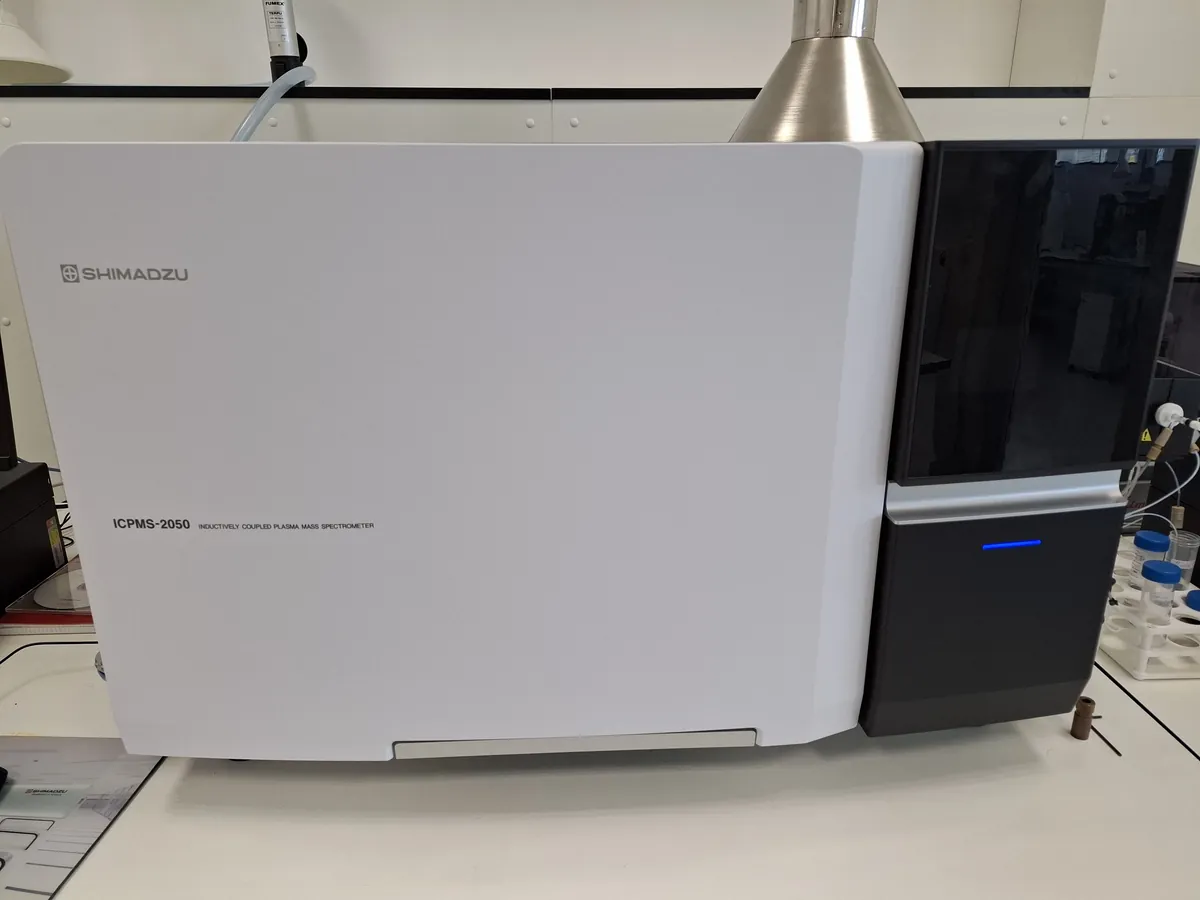
Lead, Arsenic, Mercury and Cadmium in Cosmetics by ICP-MS
A small, weighed portion of product is digested with nitric acid and hydrogen peroxide (plus hydrofluoric acid for silicate-rich powders where the method requires total content) in a closed microwave system. The digest is diluted and lead, arsenic, mercury and cadmium are measured together by ICP-MS with internal standards.
Open method