Stability Testing of Cosmetic Products
Samples of the product in its final packaging are stored at room temperature, at elevated temperature (typically 40 °C and/or 45 °C), in a fridge, through freeze–thaw cycles and under light. At set time points they are checked for appearance, colour, odour, pH, viscosity and, where relevant, active or preservative content and packaging behaviour.
- Cosmetics & personal care
- Storage under defined conditions with periodic testing
- Stability chamber
- Fridge / freezer
- pH meter
- Viscometer
- Analytical balance
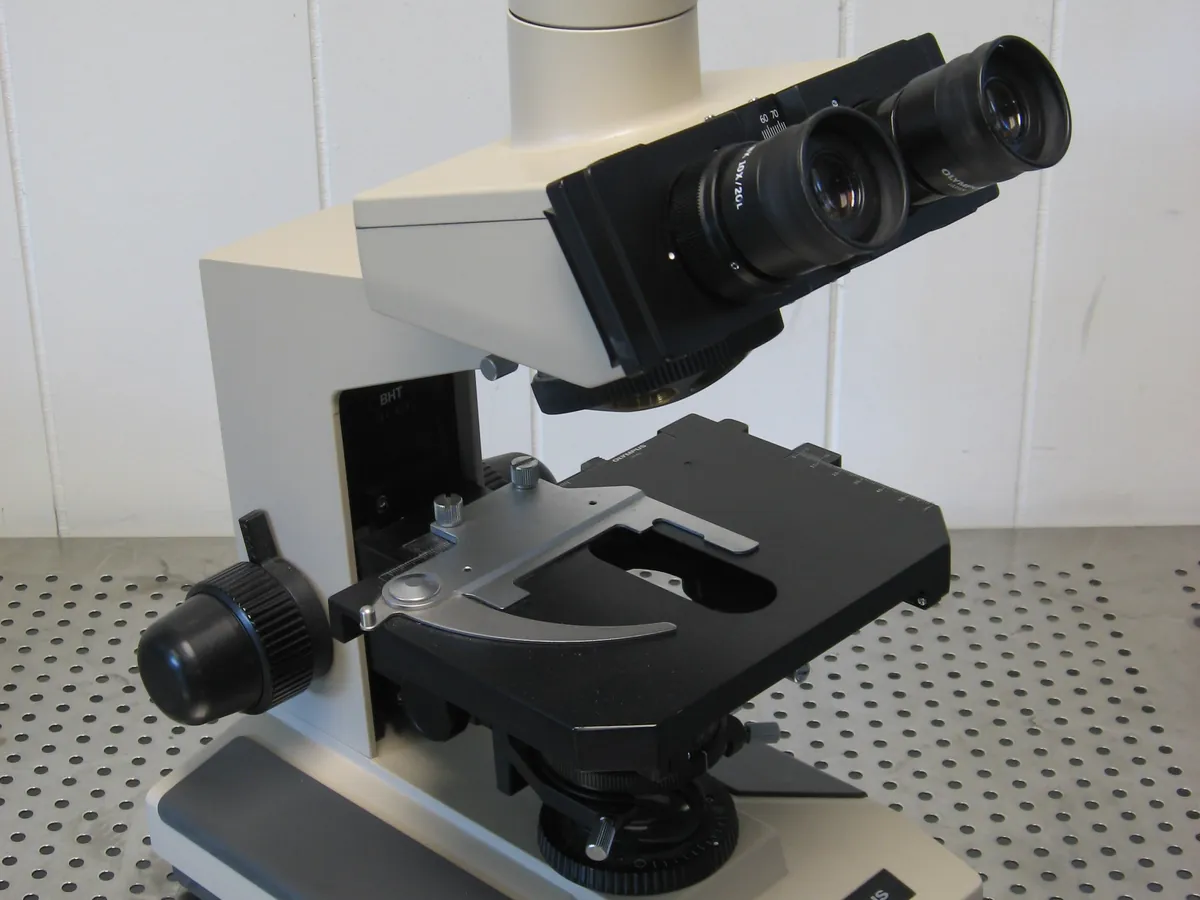
- Optical microscope
Reference: Typical programme based on industry guidance (Cosmetics Europe / CTPA guidelines on stability testing of cosmetic products) and the GMP expectations of ISO 22716. Unlike medicines, there is no single mandatory stability protocol; each company justifies its own design.
Why this method works
Heat speeds up most chemical and physical changes, such as oxidation, hydrolysis, colour change and emulsion creaming or separation. Storing at 40–45 °C for one to three months therefore gives an early warning of problems that might appear over months or years at room temperature. Cold and freeze–thaw cycling stress emulsions and can crystallise ingredients. Light exposure reveals photosensitive dyes, fragrances and actives. Storing the product in its real packaging shows interactions such as weight loss through the wall, panelling, corrosion, leaching or loss of preservative into plastic. Accelerated results support, but do not prove, the shelf life; real-time data at room temperature confirm it.
Instruments used
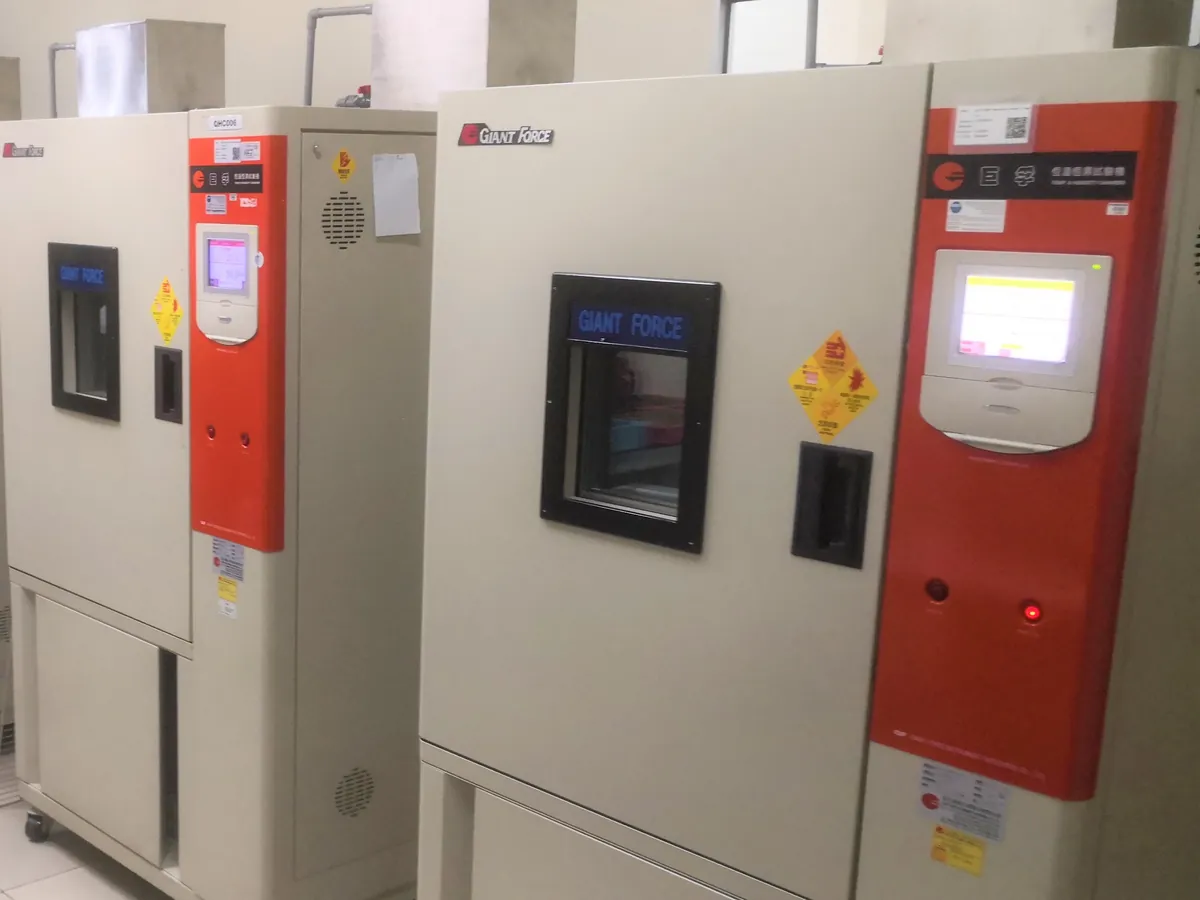
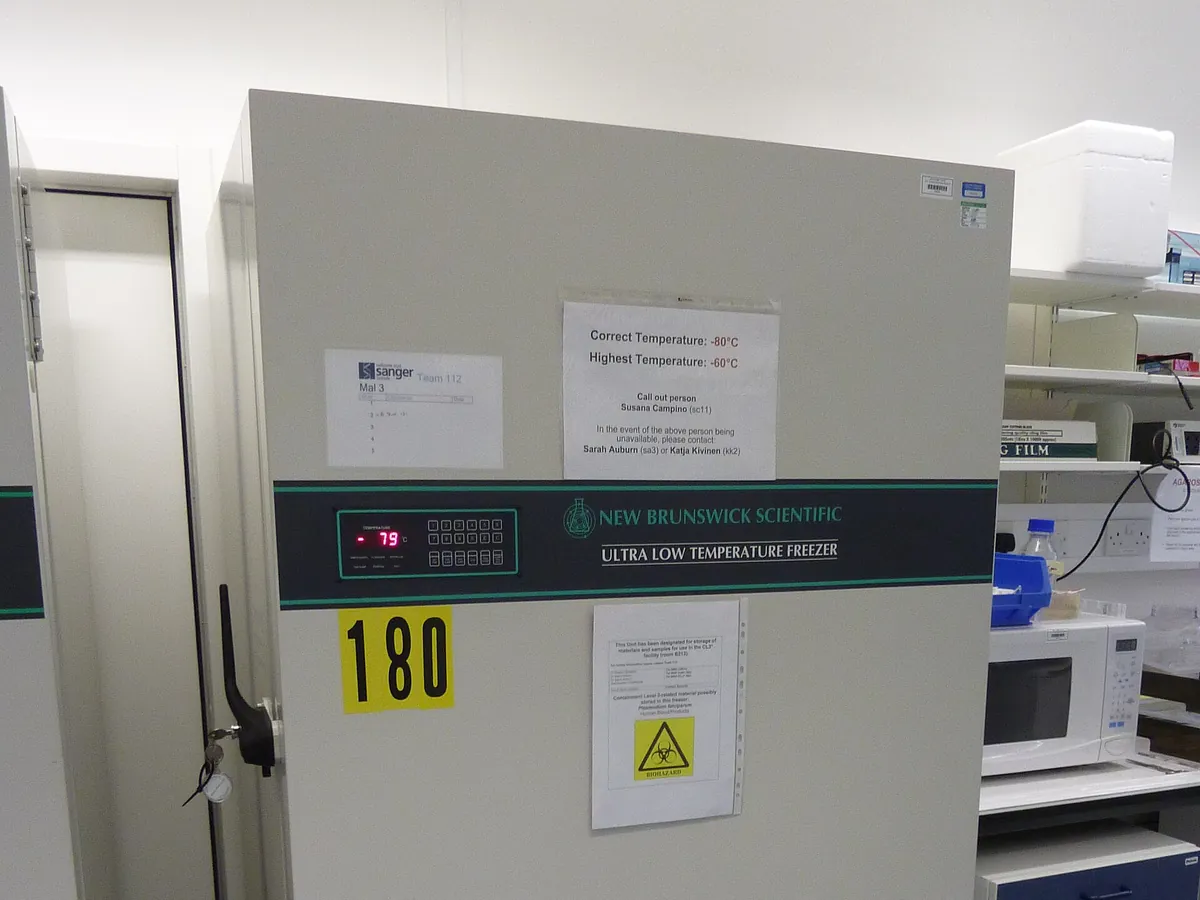
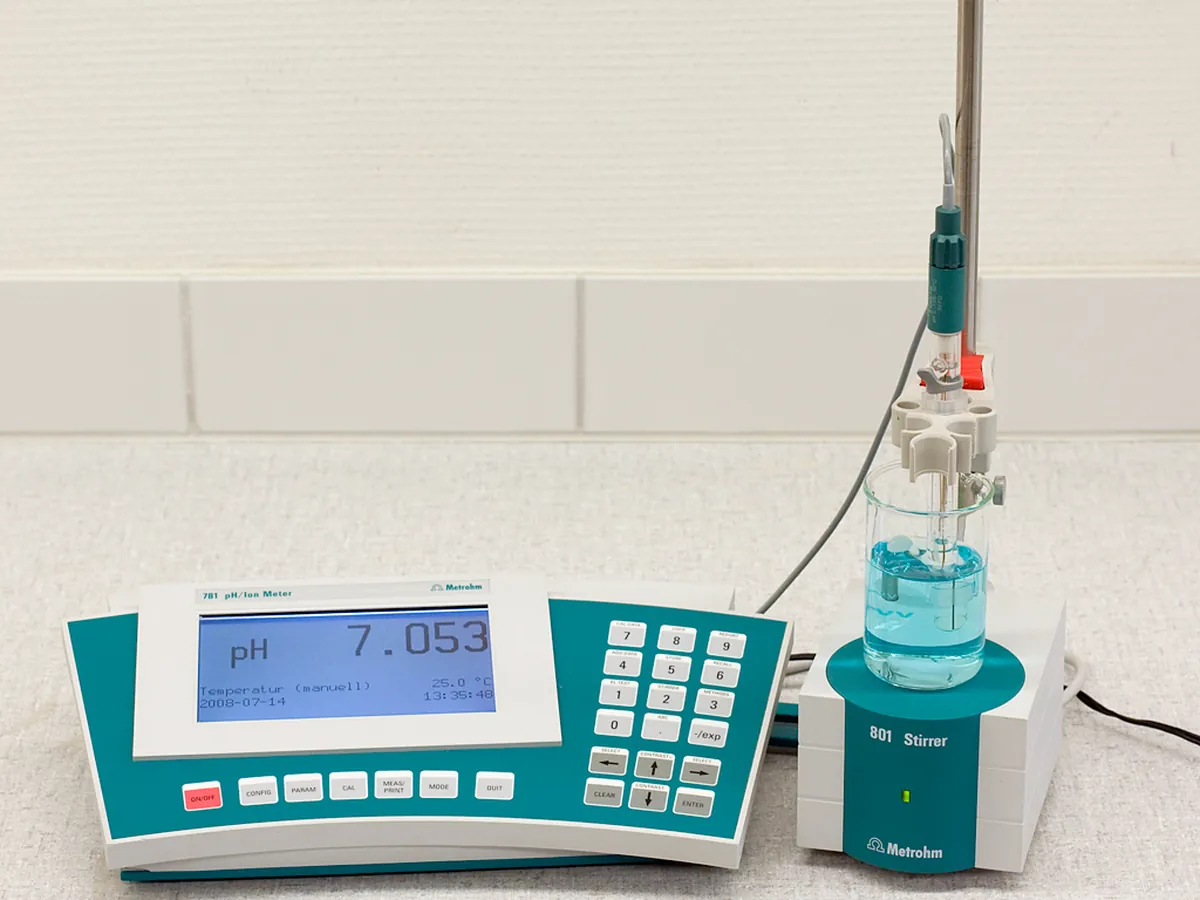
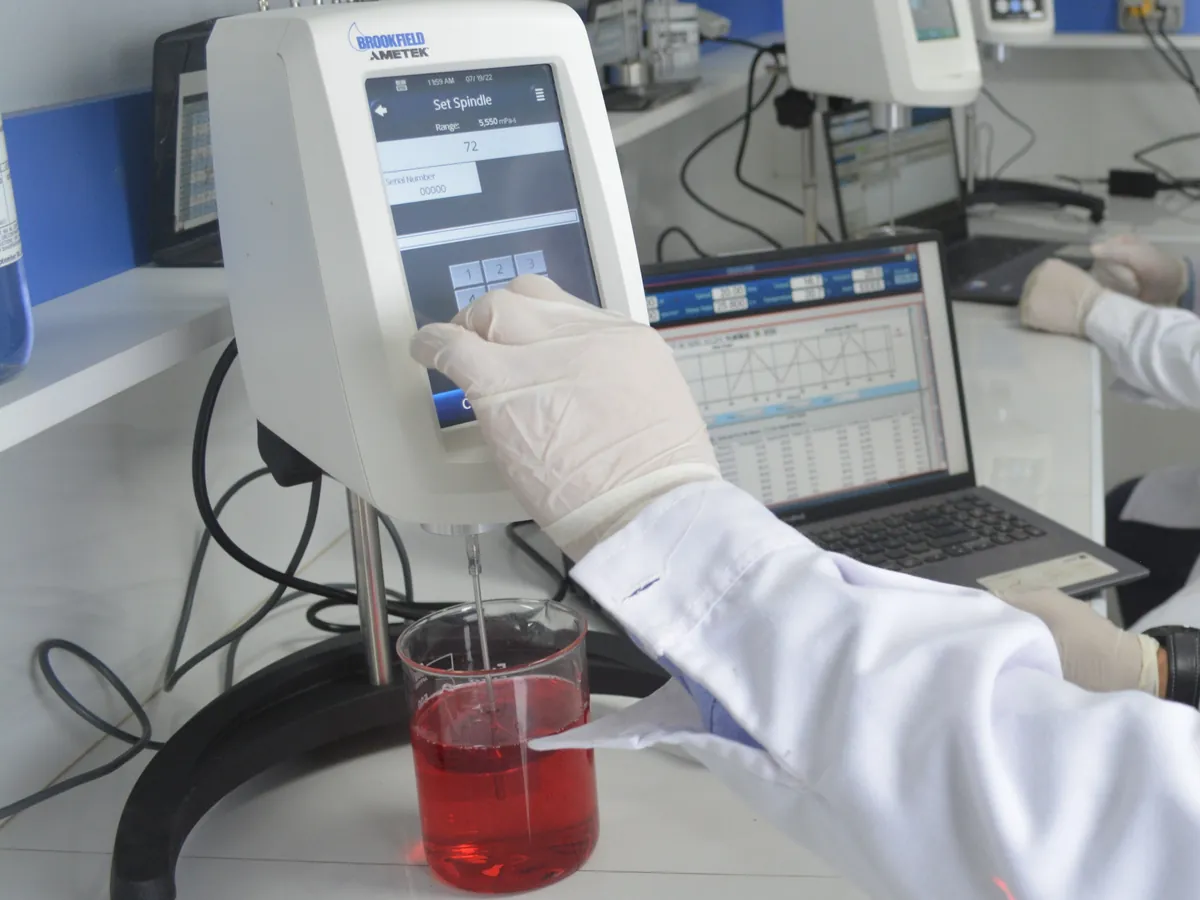

Preparing the sample
- 01
Plan
Define conditions, time points, tests and limits in a protocol.
- 02
Fill
Fill product into final (or intended) packaging plus glass controls.
- 03
Initial tests
Test all parameters at time zero.
- 04
Store
Place samples at each condition, upright and inverted where relevant.
- 05
Pull & test
Remove and test samples at each time point.
- 06
Evaluate
Compare with time zero and the 4–5 °C reference sample.
Procedure
- 1Write a protocol: batch details, packaging, storage conditions, time points, tests, acceptance criteria and responsibilities.
- 2Fill enough units for every condition and time point, plus spares. Include a neutral glass jar as a control to separate product changes from packaging effects.
- 3Test all parameters at time zero: appearance, colour, odour, pH, viscosity, microscopic appearance of emulsions, fill weight and, if relevant, preservative or active assay.
- 4Store samples at the chosen conditions. A common design is 4–5 °C (reference), 25 °C (real time), 40 °C and/or 45 °C (accelerated), freeze–thaw cycling and light exposure.
- 5Freeze–thaw: cycle between about −10 to −20 °C and 25 °C (24 h at each) for typically 3–5 cycles, then examine.
- 6Light: expose samples in transparent packs to window light or a light cabinet with a protected control.
- 7Pull samples at each time point (for example 2 weeks, 1, 2 and 3 months at 40/45 °C; 3, 6, 12, 24 and 36 months at 25 °C) and let them return to room temperature before testing.
- 8Compare each result with time zero and with the 4–5 °C reference sample stored at the same time.
Notes for analysts
- A common rule of thumb is that 3 months at 40 °C without change suggests stability of around 2 years at room temperature. It is only a guide; confirm with real-time data.
- Temperatures above about 45–50 °C can cause changes that never happen at room temperature (such as wax melting), so do not over-interpret them.
- EU products need a minimum durability date if shelf life is 30 months or less, or a period-after-opening (PAO) symbol otherwise; stability and in-use data support both.
- Preservative efficacy is often repeated on aged samples to show the product stays protected through its shelf life.
Method parameters (typical)
| Accelerated | 40 ± 2 °C and/or 45 °C, typically 1–3 months |
|---|---|
| Real time | 25 °C (or market climate), up to the claimed shelf life |
| Cold reference | 4–5 °C (refrigerator) |
| Freeze–thaw | −10 to −20 °C / 25 °C, 24 h each, 3–5 cycles |
| Light | Window light or light cabinet, with dark control |
| Tests | Appearance, colour, odour, pH, viscosity, microscopy, weight loss, packaging, assay of key ingredients, microbial quality (at selected points) |
System suitability & sequence
| Parameter | Limit |
|---|---|
| Chamber | Temperature (and humidity, if controlled) mapped and monitored, alarms working |
| Instruments | pH meter, viscometer and balance calibrated |
Typical sequence
- 1Protocol approval
- 2Time-zero testing
- 3Storage at all conditions
- 4Pull points and testing
- 5Interim reports
- 6Final report and shelf-life / PAO decision
Calculation with a worked example
Where
- W₀
- Gross weight of the filled, closed pack at time zero (g)
- Wₜ
- Gross weight of the same pack at time t (g)
Given
- Pack
- 50 g cream in a plastic tube, stored at 40 °C
- W₀
- 51.234 g
- Wₜ (3 months)
- 50.987 g
Working
- 1
Loss = 51.234 − 50.987 = 0.247 g
- 2Weight loss = 0.247 ÷ 51.234 × 100 = 0.48%
Weight loss after 3 months at 40 °C = 0.48% (compare with the limit in the protocol)
What result passes
- No significant change from time zero or the 4–5 °C reference: no separation, phase change, crystals, discolouration or off-odour.
- pH and viscosity within the product specification (or within agreed limits of the initial value, for example ± 0.5 pH unit and ± 20% viscosity).
- Packaging: no leakage, panelling, corrosion or discolouration; weight loss within the protocol limit.
- Preservative and key ingredients within specification at the end of the study; microbial quality still compliant.
Run this method in LimsPulse: specifications and STPs under version control, results calculated and checked against limits, and a signed Certificate of Analysis.