Lead, Arsenic, Mercury and Cadmium in Cosmetics by ICP-MS
A small, weighed portion of product is digested with nitric acid and hydrogen peroxide (plus hydrofluoric acid for silicate-rich powders where the method requires total content) in a closed microwave system. The digest is diluted and lead, arsenic, mercury and cadmium are measured together by ICP-MS with internal standards.
- Cosmetics & personal care
- Closed-vessel microwave acid digestion followed by ICP-MS with collision cell
- ICP-MS
- Analytical balance
- Micropipette
- Lab water system
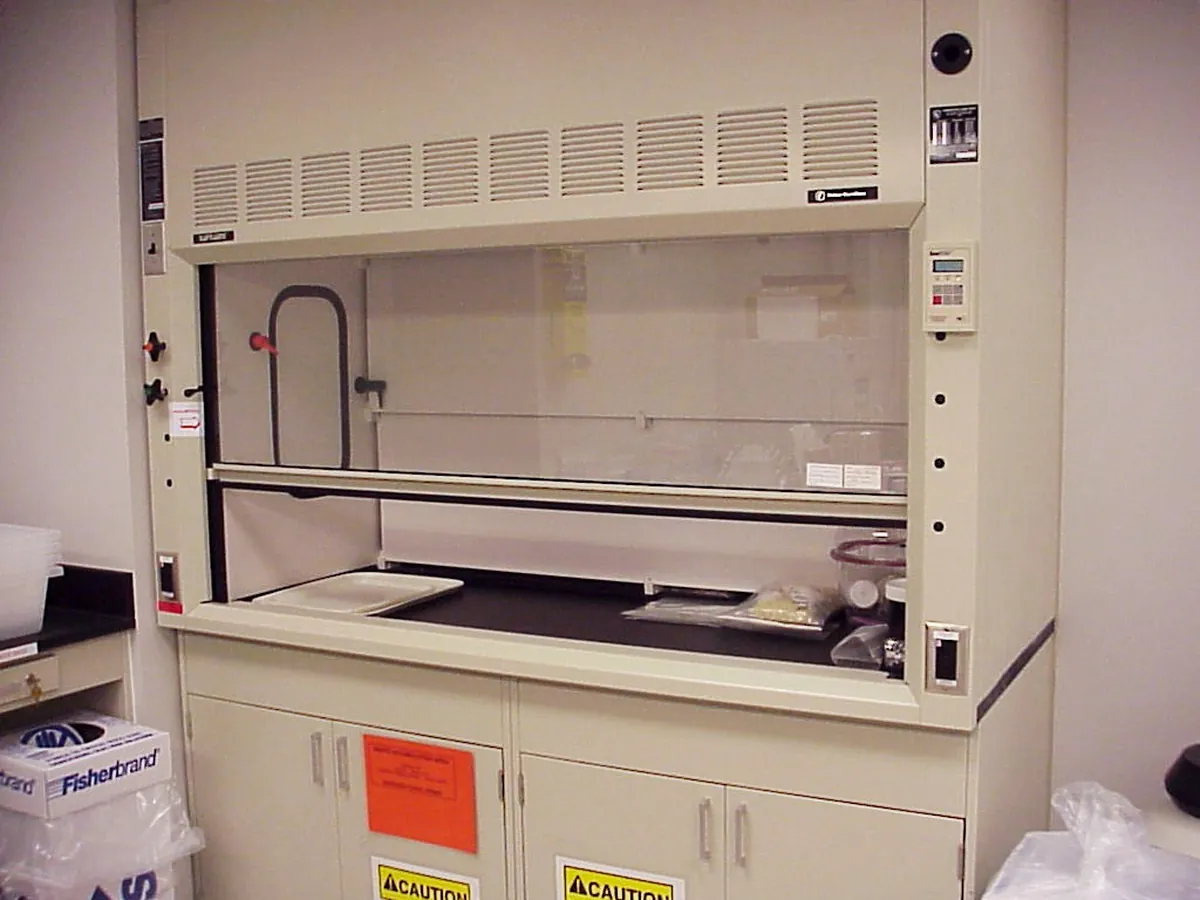
- Fume hood
Reference: Typical method based on published ICP-MS methods for cosmetics (for example US FDA laboratory methods for lead in cosmetics) and general ICP-MS practice. Follow your validated method.
Why this method works
Heavy metals are not added to cosmetics on purpose in most markets, but they can enter as impurities from mineral pigments, talc, clays and other raw materials. In closed-vessel microwave digestion, hot acid under pressure destroys waxes, oils and organic pigments and dissolves the elements. Mineral pigments and talc contain silicates that nitric acid alone may not dissolve, so methods that report total content add hydrofluoric acid. The solution is nebulised into an argon plasma, where elements are ionised, and the mass spectrometer counts ions at each element's mass. A collision cell with helium removes polyatomic interferences such as ⁴⁰Ar³⁵Cl⁺ on ⁷⁵As⁺, and internal standards correct for drift and matrix effects.
Instruments used
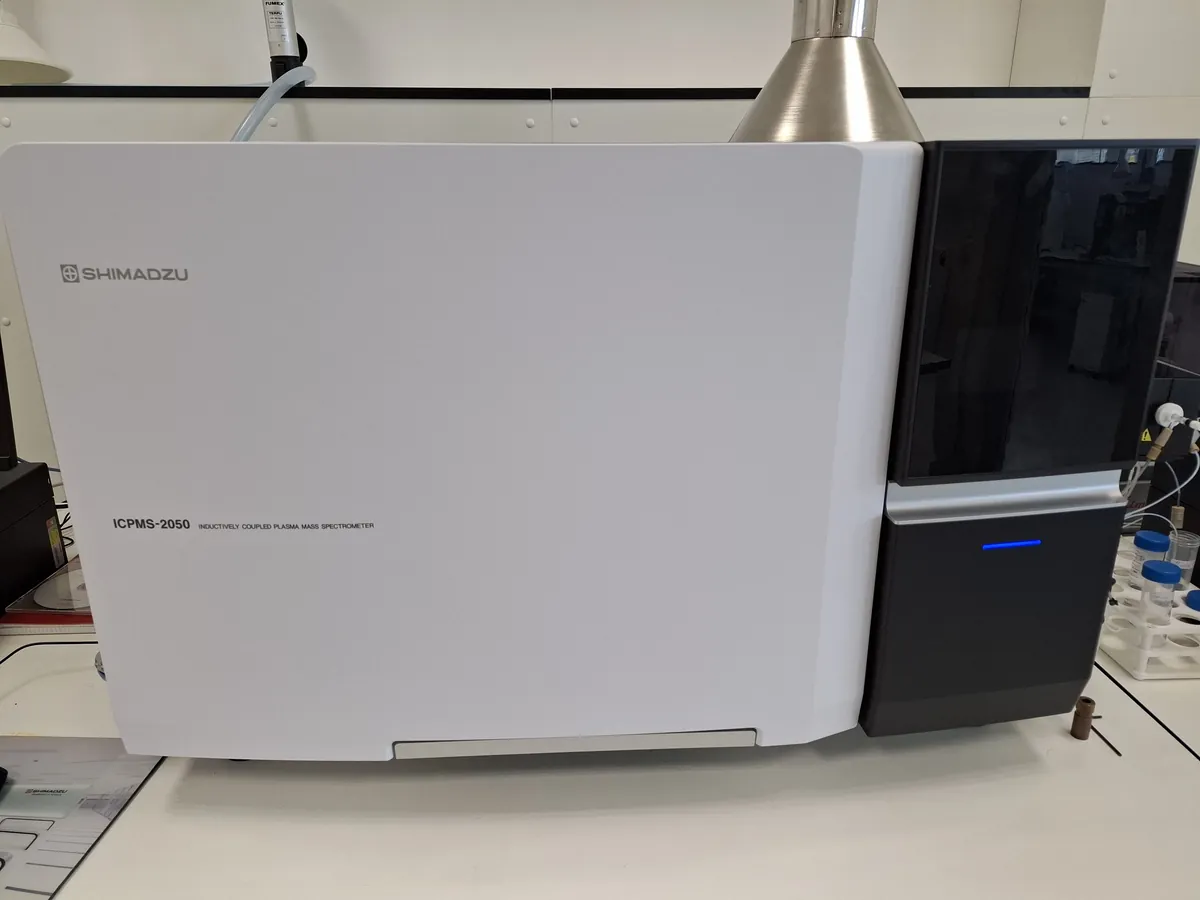
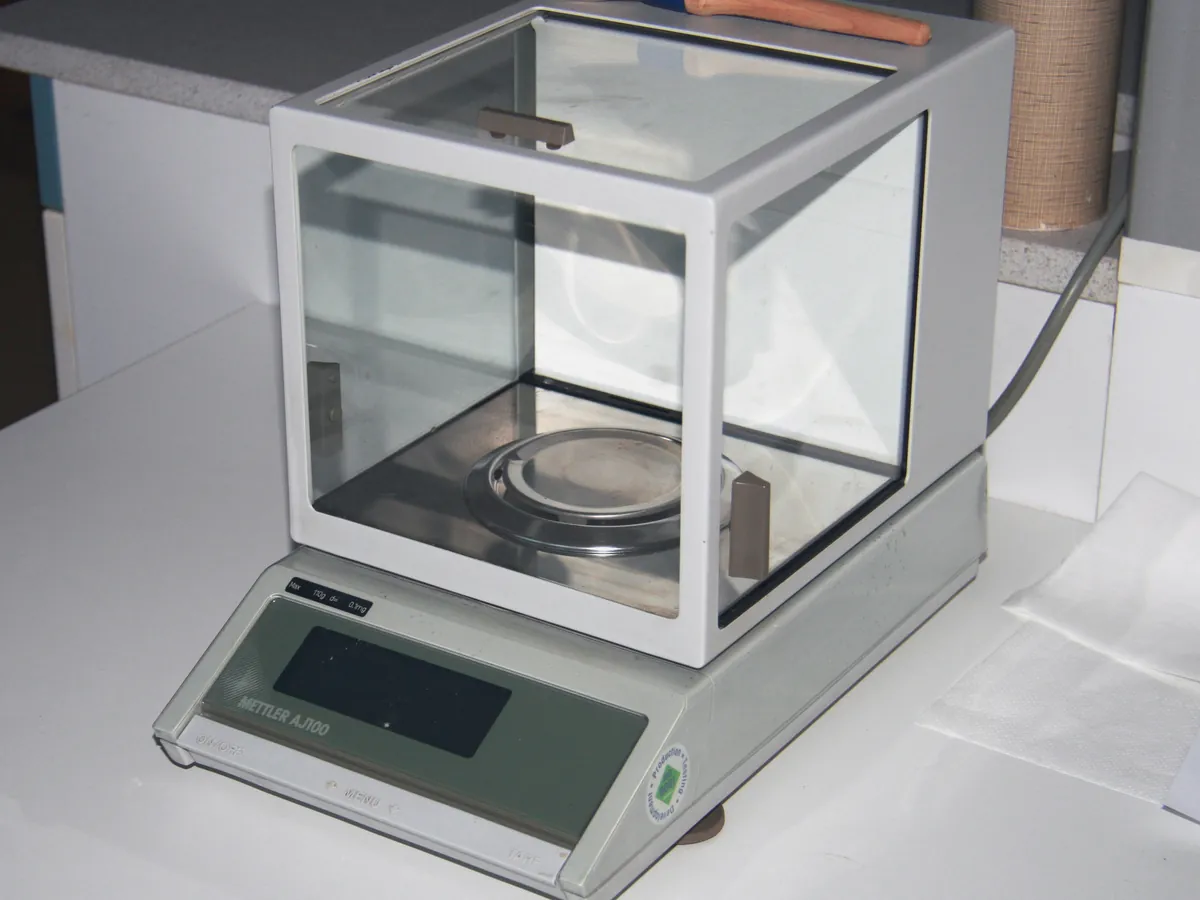
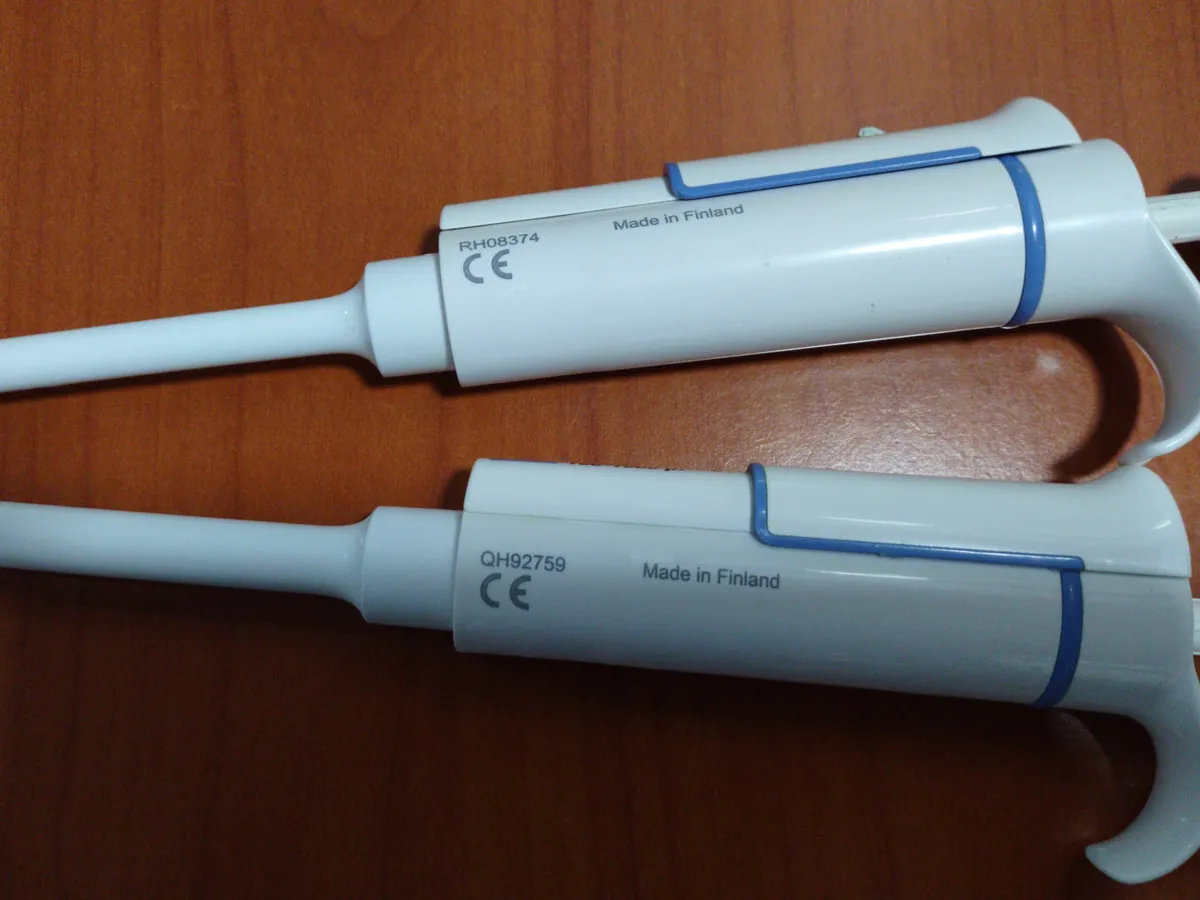
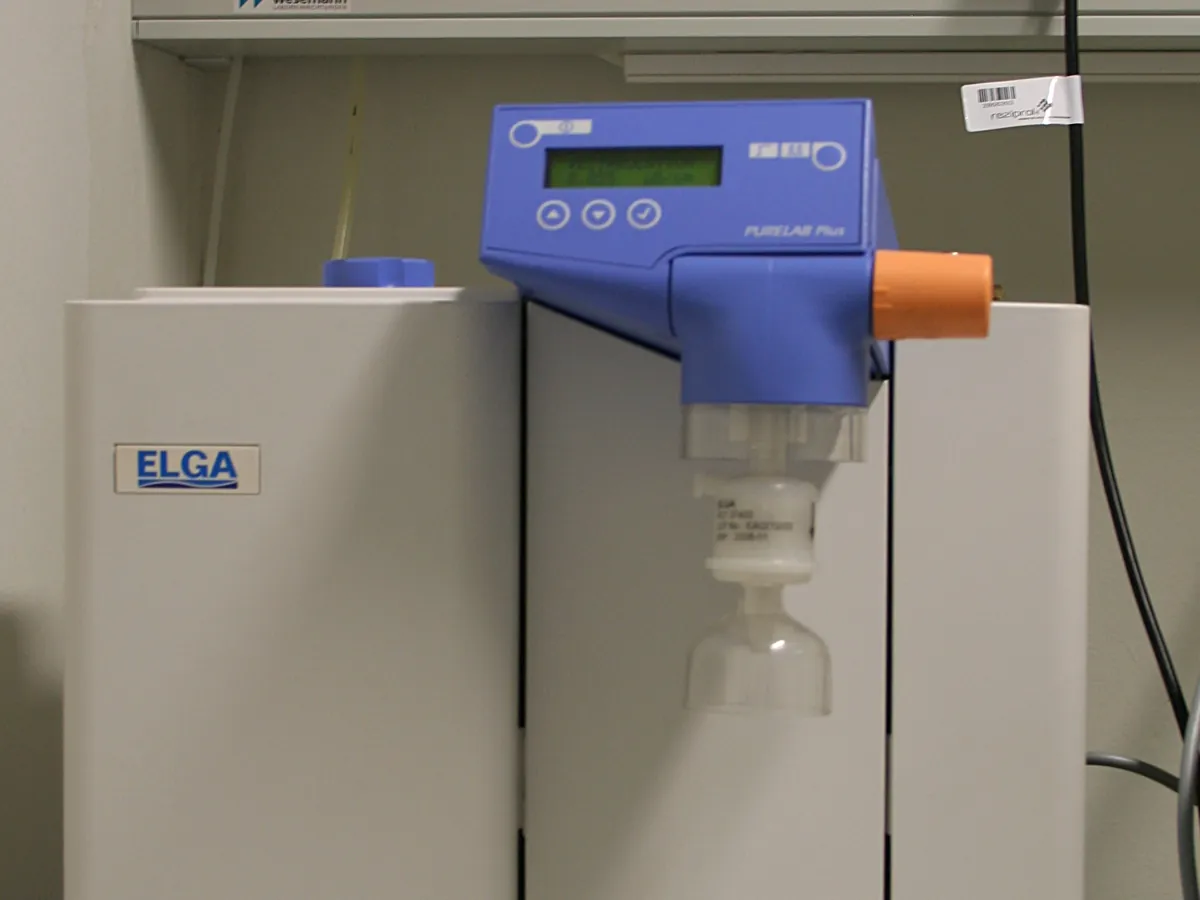
Reagents & standards
| Reagent | Grade / specification |
|---|---|
| Nitric acid | Trace-metal grade, about 65–69% |
| Hydrogen peroxide | 30%, trace-metal grade |
| Hydrofluoric acid | Trace-metal grade, only where the method requires total digestion of silicates (extreme hazard) |
| Hydrochloric acid or gold solution | Small amount to stabilise mercury |
| Calibration standards | Certified multi-element standards for Pb, As, Hg, Cd |
| Internal standards | e.g. Ge, Rh, In, Bi |
| Water | Ultrapure, 18.2 MΩ·cm |
Preparing the sample
- 01
Homogenise
Mix or scrape a representative portion with non-metal tools.
- 02
Weigh
About 0.25 g into a cleaned microwave vessel.
- 03
Add acids
HNO₃ + H₂O₂ (and HF for silicate powders if required).
- 04
Digest
Microwave programme to about 200 °C, hold 15–20 min.
- 05
Dilute
Cool, add Hg stabiliser and dilute to 50 mL.
- 06
Measure
ICP-MS with internal standards and collision cell.
Procedure
- 1Take a representative portion: for lipsticks, cut slices across the bullet; for powders, mix the pan contents; use plastic or ceramic tools.
- 2Weigh about 0.25 g accurately into an acid-cleaned microwave vessel. Do not exceed the vessel's limit for organic material — waxy products react strongly.
- 3In a fume hood add about 5 mL nitric acid and 1–2 mL hydrogen peroxide, and let the reaction subside before closing. Add hydrofluoric acid only if the validated method requires it, with HF-specific safety controls.
- 4Digest using a programme that ramps to about 200 °C and holds for 15–20 minutes. Cool fully before venting and opening.
- 5Transfer to an acid-cleaned 50 mL tube, add the mercury stabiliser and make up to 50 mL with ultrapure water. If HF was used, complex excess fluoride (for example with boric acid) or use an HF-resistant introduction system.
- 6Digest a reagent blank, a spiked sample and a duplicate with every batch, plus a reference material if one is available.
Standard preparation
- 1Prepare calibration standards in the same acid matrix, for example 0, 0.5, 1, 5, 10 and 20 µg/L for Pb, As and Cd, and 0, 0.1, 0.5, 1 and 2 µg/L for Hg.
- 2Prepare an independent check standard from a second source.
- 3Add internal standards to all solutions at the same concentration, or online.
Notes for analysts
- State whether the result is 'total' (with HF) or 'acid-extractable' (HNO₃ only); powders can give much lower results without HF.
- Hydrofluoric acid causes deep, delayed burns and systemic poisoning. Use it only with specific training, PPE and calcium gluconate gel at hand.
- Mercury sticks to tubing and causes memory effects; rinse with HCl or gold-containing solution between samples.
- Contamination from glassware, pigments in the lab and metal tools is a major risk at sub-mg/kg levels; use acid-cleaned plastics and run blanks.
Method parameters (typical)
| Isotopes | ²⁰⁸Pb (or 206 + 207 + 208), ⁷⁵As, ²⁰²Hg, ¹¹¹Cd |
|---|---|
| Interference removal | Helium collision mode (KED) for As and Cd |
| Internal standards | e.g. ⁷²Ge for As, ¹⁰³Rh or ¹¹⁵In for Cd, ²⁰⁹Bi for Pb and Hg |
| RF power | Typically 1500–1600 W |
| Replicates | 3 readings per solution |
System suitability & sequence
| Parameter | Limit |
|---|---|
| Calibration | r ≥ 0.999 for each element |
| Check standard | Within ± 10% of the expected value |
| Internal standard recovery | Typically 70–130% of the calibration blank |
| Spike recovery | Typically 80–120% |
| Reagent blank | Below the LOQ |
Typical sequence
- 1Calibration blank and standards
- 2Independent check standard
- 3Reagent blank
- 4Samples, duplicate and spike
- 5Continuing calibration check every 10–20 samples and at the end
Calculation with a worked example
Where
- Cₛ
- Concentration in the diluted digest (µg/L)
- C_b
- Concentration in the reagent blank (µg/L)
- V
- Final volume of the digest (mL)
- m
- Mass of sample digested (g)
- 1000
- Converts mL to L; µg/g equals mg/kg
Given
- Sample
- Lipstick, lead
- Cₛ
- 2.36 µg/L
- C_b
- 0.08 µg/L
- V
- 50 mL
- m
- 0.2510 g
Working
- 1
Net concentration = 2.36 − 0.08 = 2.28 µg/L
- 2
Lead in digest = 2.28 µg/L × 0.050 L = 0.114 µg
- 3Lead in sample = 0.114 µg ÷ 0.2510 g = 0.454 µg/g = 0.45 mg/kg
Lead in lipstick = 0.45 mg/kg — well below commonly cited guidance levels for lead in lip products (around 10 mg/kg).
What result passes
- In the EU, lead, arsenic, mercury and cadmium and their compounds are prohibited ingredients (Annex II of Regulation (EC) No 1223/2009); traces are tolerated only if technically unavoidable and the product is still safe, as shown in the safety assessment.
- Commonly cited guidance levels include Health Canada's limits for impurities in cosmetics (about 10 mg/kg Pb, 3 mg/kg As, 3 mg/kg Cd and 1 mg/kg Hg) and US FDA recommended maximum lead of 10 mg/kg for lip products and externally applied cosmetics.
- Mercury in skin-lightening creams is a known global problem; the Minamata Convention restricts mercury-added cosmetics (above 1 mg/kg). Check your national regulation (for example BIS / CDSCO in India) for exact limits.
Validation parameters (ICH Q2(R2))
| Parameter | Typical requirement |
|---|---|
| Trueness | Spike recovery 80–120% in representative matrices; reference material where available |
| LOQ | Typically well below 0.1 mg/kg for each element |
| Precision | Repeatability RSD typically ≤ 10–15% near the reporting level |
| Digestion completeness | Comparison of HNO₃-only and total (HF) digestion for mineral-based products |
Run this method in LimsPulse: specifications and STPs under version control, results calculated and checked against limits, and a signed Certificate of Analysis.