Parabens and Phenoxyethanol in Cosmetics by HPLC
The preservatives are extracted from the product into methanol (with sonication and centrifuging to break the emulsion), separated on a C18 column with a water–acetonitrile or water–methanol gradient, detected by UV at about 254 nm and quantified against external standards.
- Cosmetics & personal care
- Reversed-phase HPLC with UV detection (external standard)
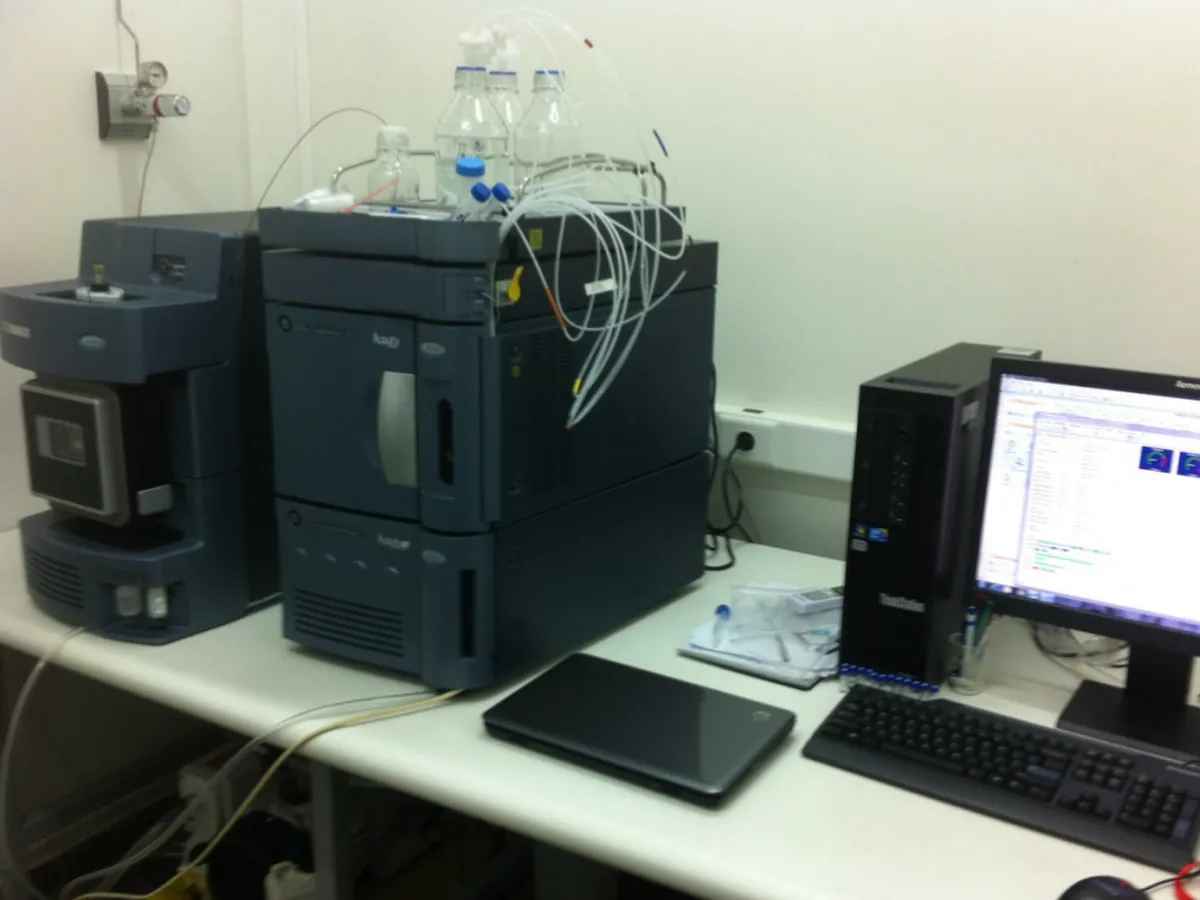
- HPLC
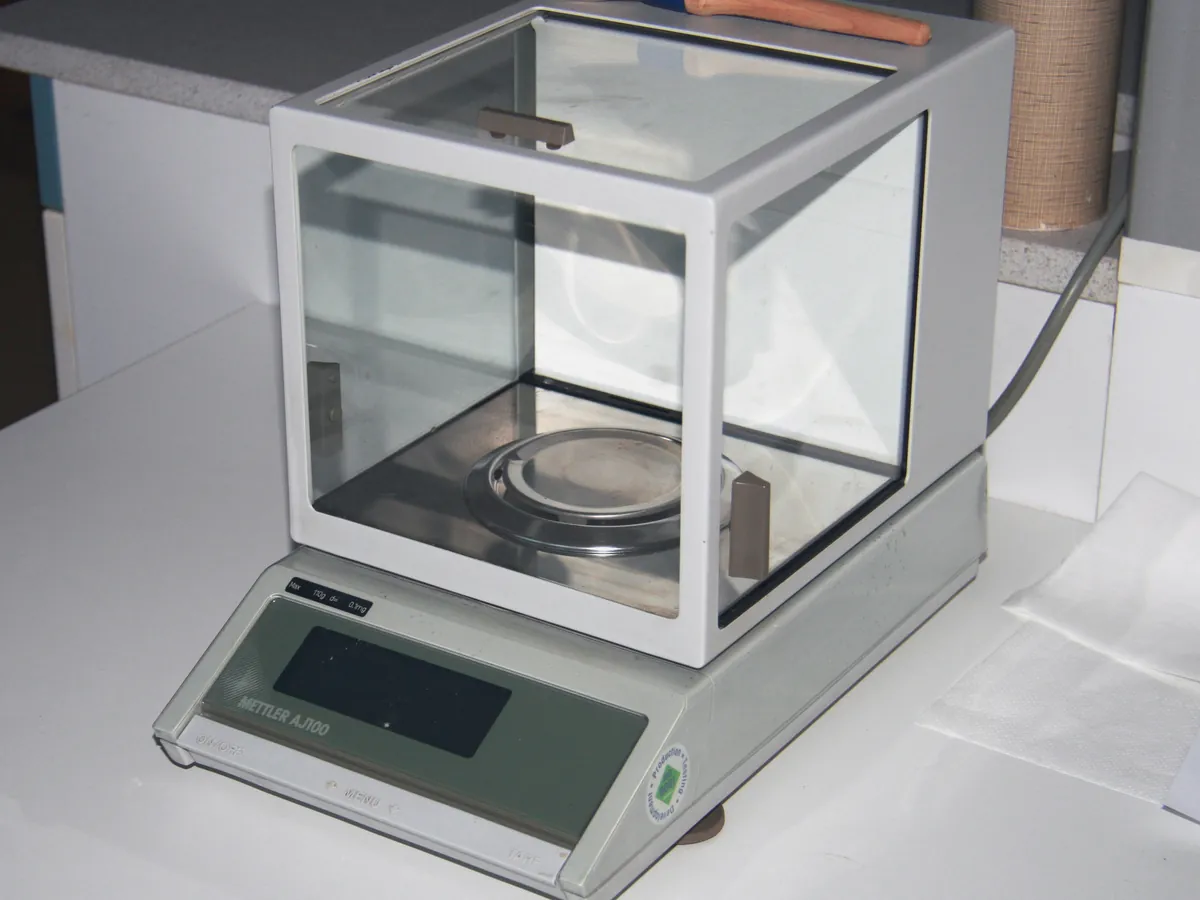
- Analytical balance
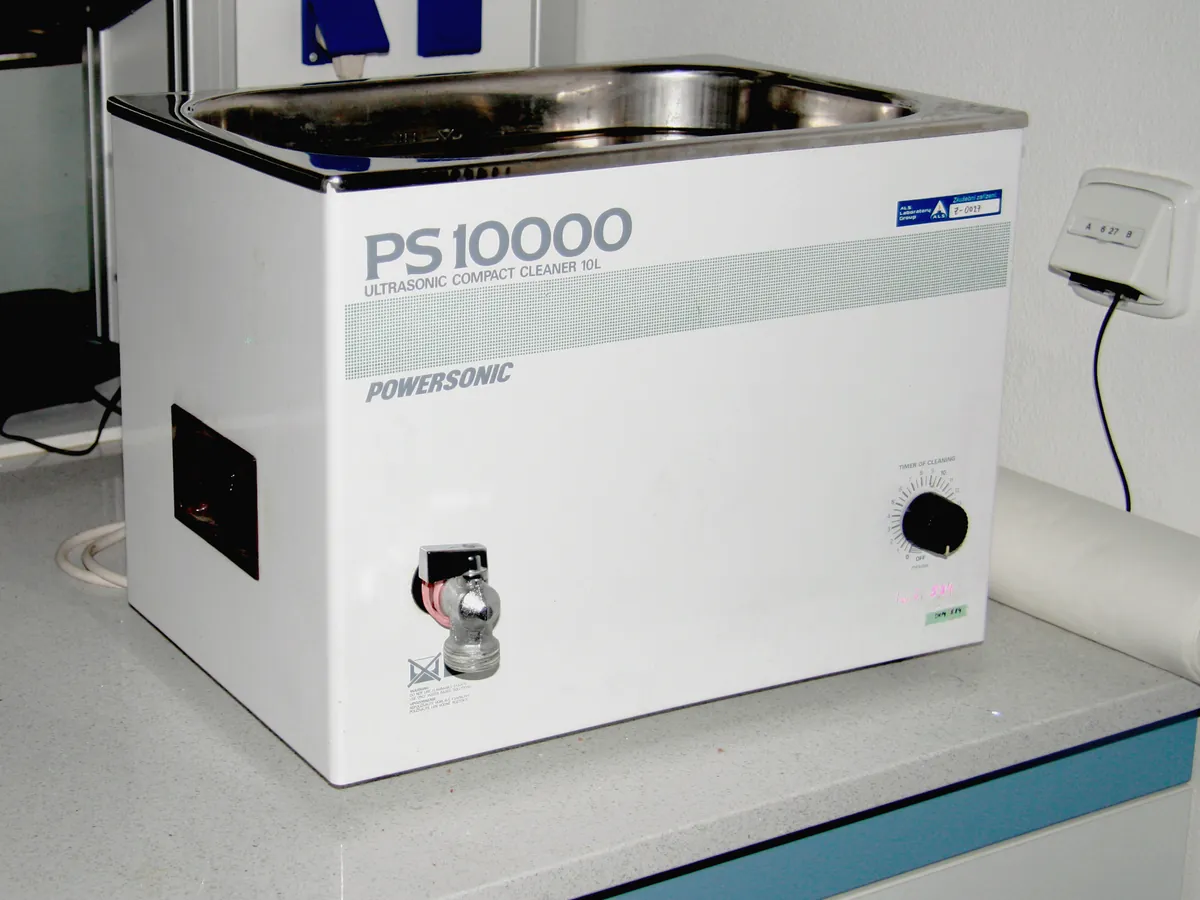
- Sonicator
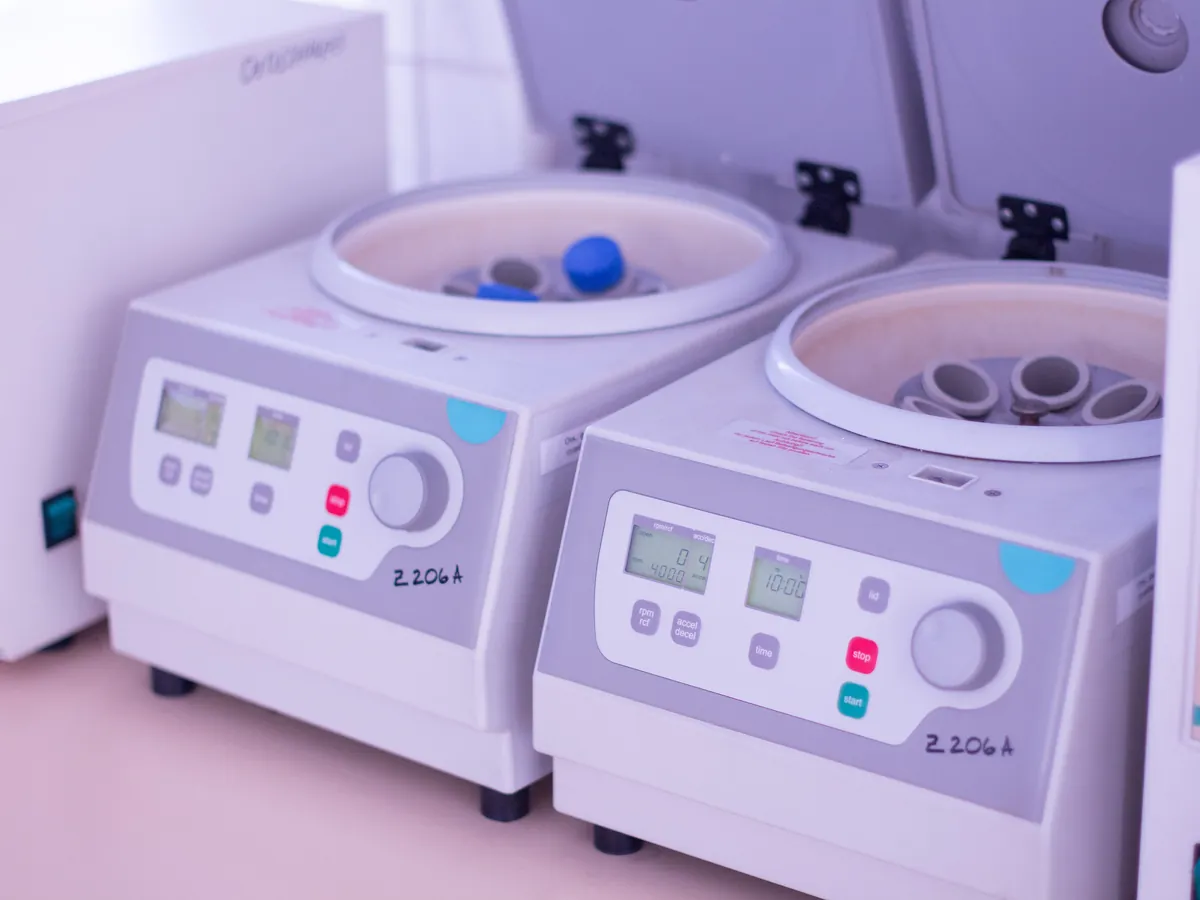
- Centrifuge
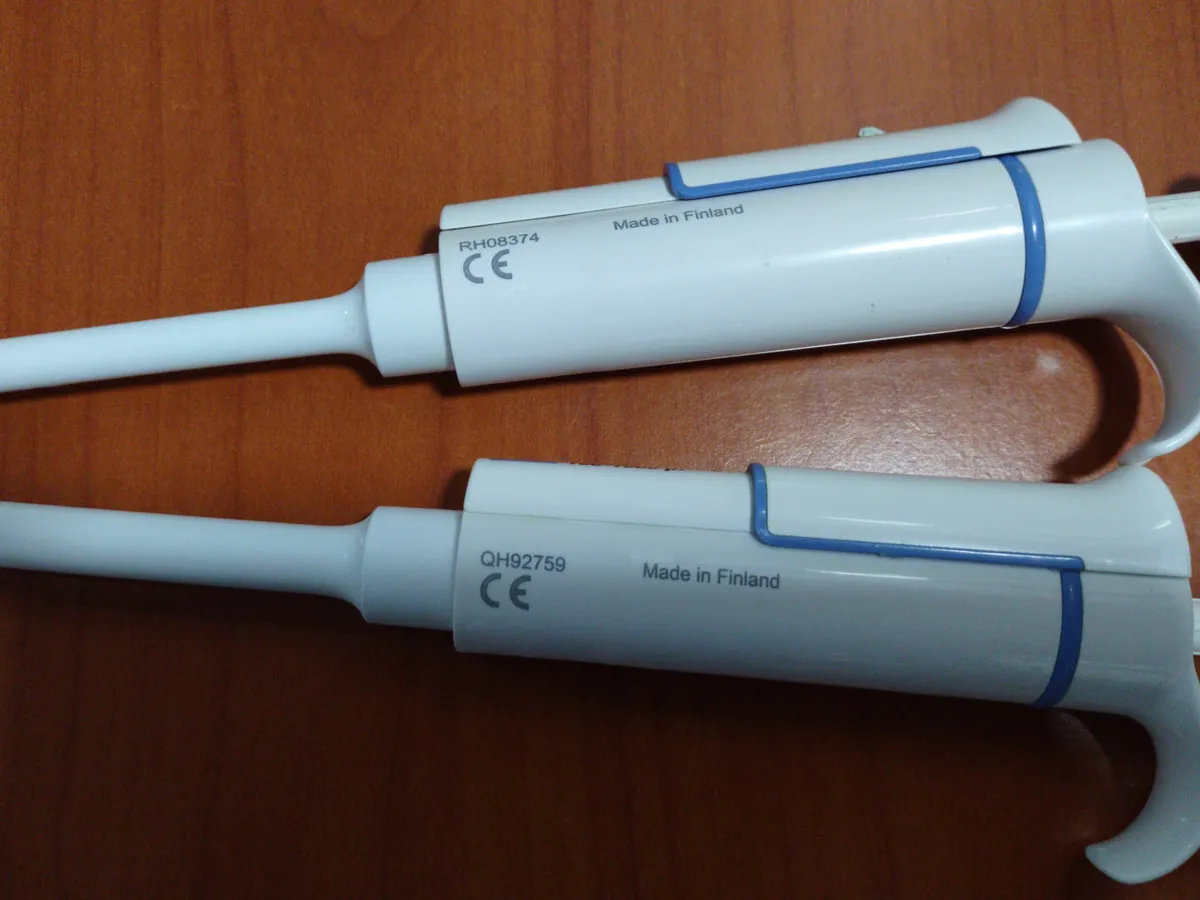
- Micropipette
Reference: Typical reversed-phase method of the kind used in official EU cosmetic analysis methods and published HPLC methods for preservatives. Follow your validated method.
Why this method works
Parabens are esters of 4-hydroxybenzoic acid. On a C18 column they elute in order of increasing alkyl chain length: methyl, ethyl, propyl, butyl. Phenoxyethanol, a common partner preservative, elutes early. All absorb UV strongly near 254–260 nm. Methanol dissolves the preservatives and breaks up the emulsion; centrifuging and filtering remove waxes and pigments. The peak area of each paraben in the sample is compared with that of a standard of known concentration.
Instruments used
Reagents & standards
| Reagent | Grade / specification |
|---|---|
| Methanol and acetonitrile | HPLC grade |
| Water | HPLC grade (ultrapure) |
| Acid modifier | Phosphoric or acetic acid, about 0.1% in water (optional, sharpens peaks) |
| Reference standards | Methyl-, ethyl-, propyl-, butylparaben and phenoxyethanol of known purity |
Preparing the sample
- 01
Weigh
About 0.5 g of product into a 50 mL volumetric flask.
- 02
Extract
Add methanol, sonicate 15 min to disperse fully.
- 03
Make up
Cool and make up to volume with methanol.
- 04
Clarify
Centrifuge, then filter through 0.45 µm PTFE.
- 05
Inject
Inject into the HPLC alongside standards.
Procedure
- 1Weigh about 0.5 g of product accurately into a 50 mL volumetric flask.
- 2Add about 30 mL of methanol and sonicate for 15 minutes, shaking occasionally, until no lumps remain.
- 3Cool to room temperature and make up to volume with methanol. Mix well.
- 4Centrifuge a portion (for example 10 min at about 4000 rpm) to settle waxes and pigments.
- 5Filter the clear supernatant through a 0.45 µm PTFE filter, discarding the first 1–2 mL, into a vial.
- 6Dilute further with mobile phase if the response falls outside the calibration range.
Standard preparation
- 1Stock: weigh about 20 mg of each paraben into a 100 mL flask, dissolve and make up with methanol (about 200 µg/mL each).
- 2Working standard: dilute 10 mL of stock to 100 mL with methanol (about 20 µg/mL each).
- 3For linearity, prepare five levels from about 2 to 40 µg/mL.
Notes for analysts
- The chromatogram is illustrative. Elution order methyl < ethyl < propyl < butyl is typical on C18; retention times depend on the gradient and column.
- Parabens are hydrolysed to 4-hydroxybenzoic acid in alkaline products or at high temperature. A falling paraben level with a growing early peak in stability samples suggests hydrolysis.
- Phenoxyethanol absorbs less strongly than parabens at 254 nm; a second wavelength (about 270 nm) may give better sensitivity.
- Oily products (balms, lipsticks) may need warming or a different solvent, such as tetrahydrofuran–methanol, to dissolve fully.
Method parameters (typical)
| Column | C18, 150 × 4.6 mm, 5 µm (or equivalent) |
|---|---|
| Mobile phase | A: 0.1% phosphoric acid in water; B: acetonitrile. Gradient e.g. 30% → 70% B over 10 min |
| Flow rate | 1.0 mL/min |
| Column temperature | 30 °C |
| Detection | UV 254 nm (DAD for peak purity) |
| Injection volume | 10 µL |
| Run time | About 12 min plus re-equilibration |
System suitability & sequence
| Parameter | Limit |
|---|---|
| Resolution | ≥ 2.0 between adjacent paraben peaks |
| Repeatability | %RSD of peak areas ≤ 2.0% for 5 or 6 replicate standard injections |
| Tailing factor | ≤ 2.0 |
Typical sequence
- 1Blank (methanol)
- 2Standard × 5 or 6
- 3Samples in duplicate
- 4Bracketing standard every 6–10 injections
- 5Final standard
Calculation with a worked example
Where
- Aₜ
- Peak area of the paraben in the sample
- Aₛ
- Mean peak area of the paraben in the standard
- Cₛ
- Concentration of the working standard (µg/mL)
- P
- Purity of the reference standard (%)
- V
- Sample extraction volume (mL)
- W
- Sample mass (g)
- 10 000
- Converts µg/g to % w/w
Given
- Analyte
- Methylparaben in a face cream
- Aₜ / Aₛ
- 488 120 / 512 340
- Cₛ
- 20.0 µg/mL
- P
- 99.8%
- V / W
- 50 mL / 0.5020 g
Working
- 1Concentration in sample solution = (488 120 ÷ 512 340) × 20.0 × 0.998 = 19.02 µg/mL
- 2Methylparaben in sample = 19.02 × 50 ÷ 0.5020 = 1894 µg/g
- 3% w/w = 1894 ÷ 10 000 = 0.189%
Methylparaben = 0.19% w/w (as ester). Convert to 4-hydroxybenzoic acid if the limit is expressed as acid.
What result passes
- Content against the formula (label) claim, typically 90–110% of the target preservative level, as set by the company specification.
- Regulatory maximum use levels: in the EU, Annex V of Regulation (EC) No 1223/2009 sets maximum concentrations expressed as acid, with methyl- and ethylparaben allowed at higher levels than propyl- and butylparaben, and some parabens (for example isopropyl-, isobutyl-, phenyl-, benzyl- and pentylparaben) are banned. Check the current Annex V and your national rules for exact limits and product-type restrictions.
Validation parameters (ICH Q2(R2))
| Parameter | Typical requirement |
|---|---|
| Specificity | No interference from placebo base; DAD peak purity |
| Linearity | r ≥ 0.999 over about 10–200% of target |
| Accuracy | Spike recovery 95–105% in the product base |
| Precision | Repeatability %RSD ≤ 2% |
| LOQ | Well below the lowest level to be reported, e.g. about 0.005% w/w |
Run this method in LimsPulse: specifications and STPs under version control, results calculated and checked against limits, and a signed Certificate of Analysis.