Preservative Efficacy (Challenge) Test for Cosmetics — Overview
Shows whether a product's preservative system can cope with microbial contamination during manufacture and consumer use. Separate portions of product are challenged with each of the standard's test microorganisms, the surviving numbers are counted after 7, 14 and 28 days, and the log reductions are compared with criteria A and B.
- Cosmetics & personal care
- Challenge test with log-reduction evaluation (overview)
- LAF
- Incubator
- Colony counter
- Autoclave
- Analytical balance
Reference: Overview of ISO 11930 (evaluation of the antimicrobial protection of a cosmetic product). This page explains purpose, design, calculation and criteria only; perform the test strictly to the current standard and your validated SOP.
Why this method works
In use, cosmetics are contaminated by fingers, water and air. A well-preserved product kills or stops the growth of these microorganisms. In a challenge test a known, high number of each test organism is introduced into the product, and the number of survivors is measured over time. The fall in numbers is expressed as a log reduction: a 3-log reduction means 99.9% of the organisms have been killed. ISO 11930 sets two levels of criteria. Criteria A means the product is protected against contamination with no further justification. Criteria B is acceptable only when a risk assessment shows there are other protective factors, such as packaging that limits contamination (for example pumps or single-dose packs).
Instruments used
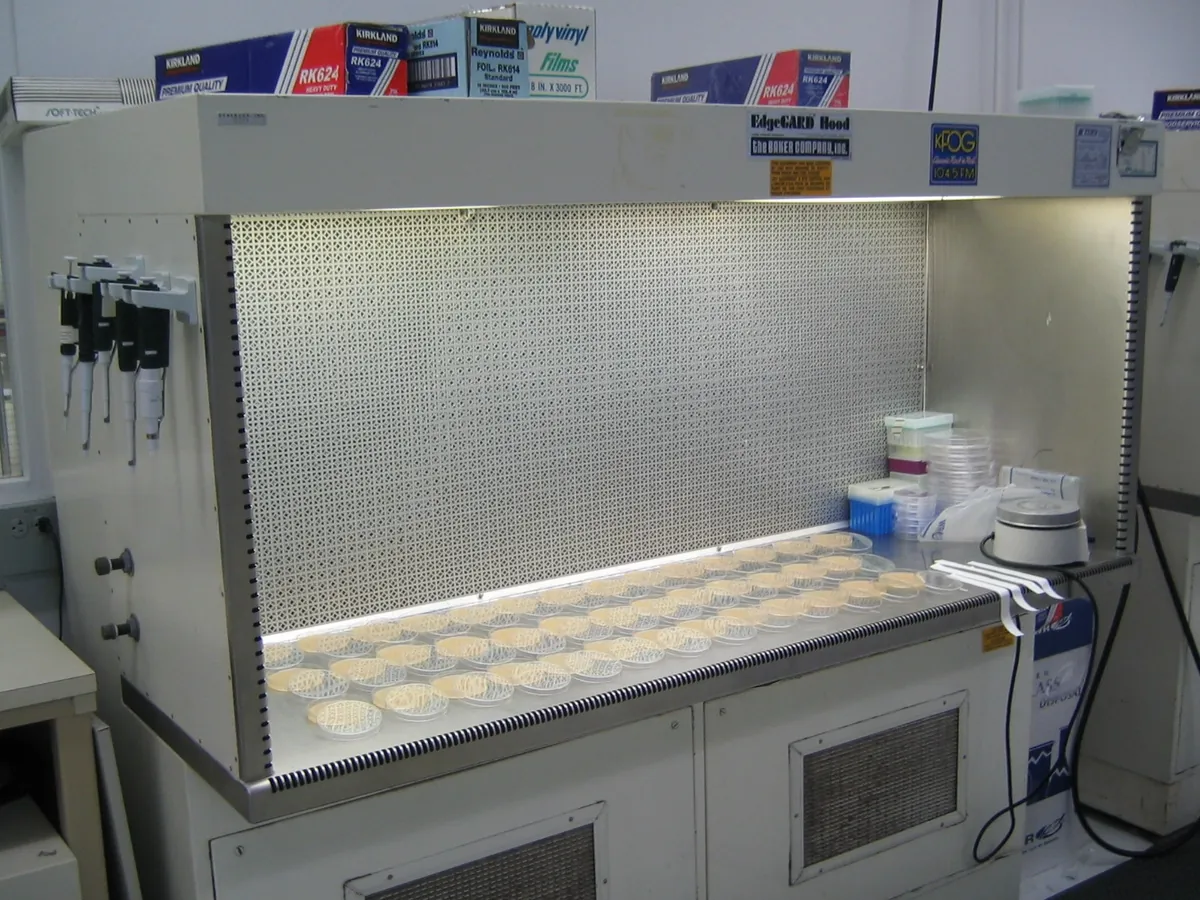
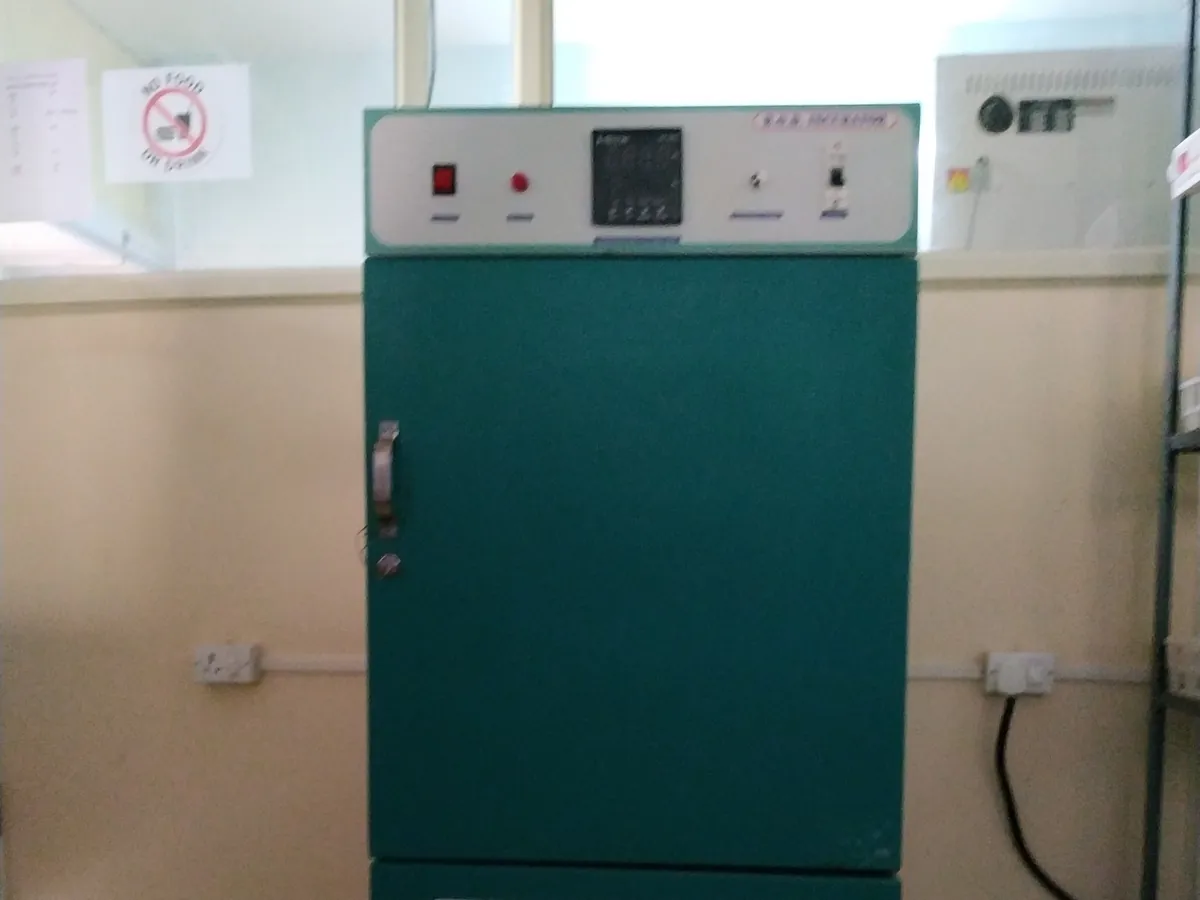
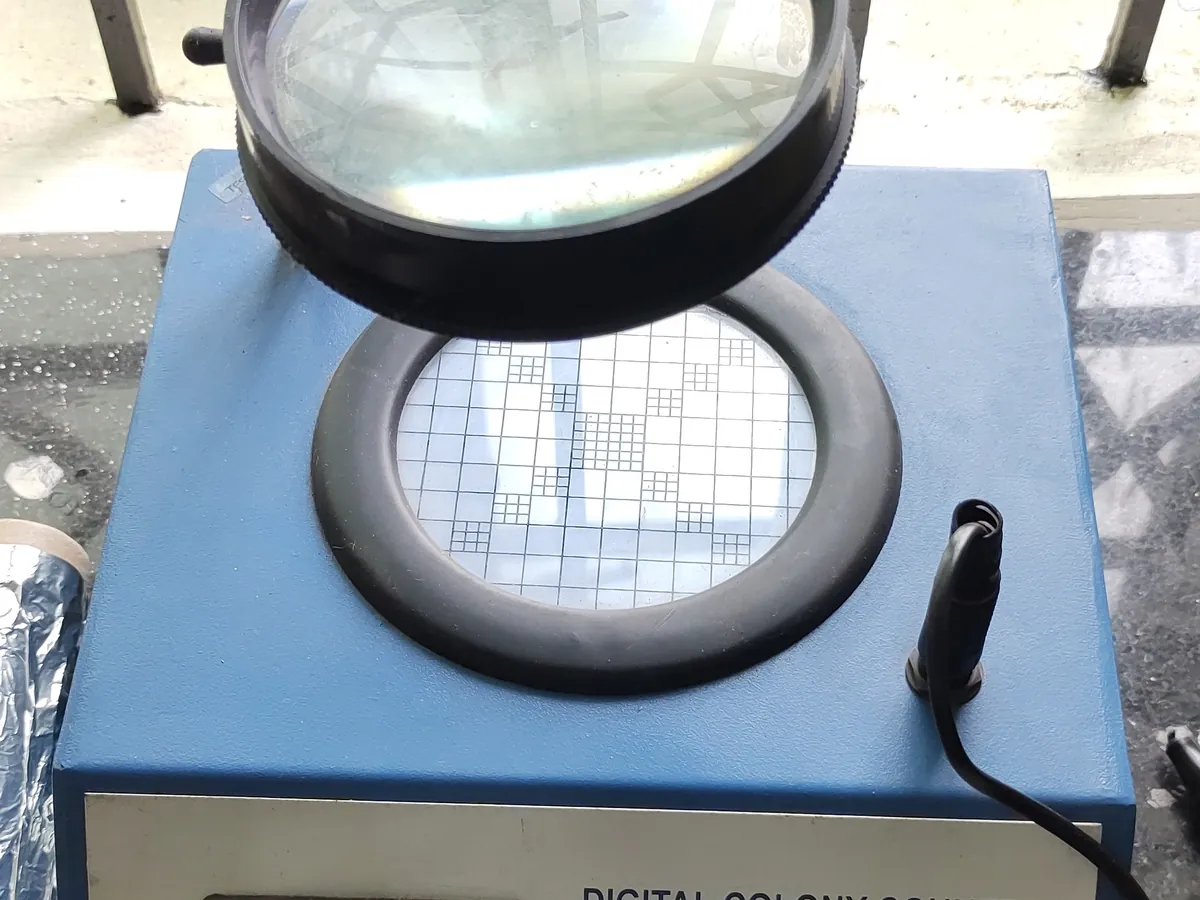
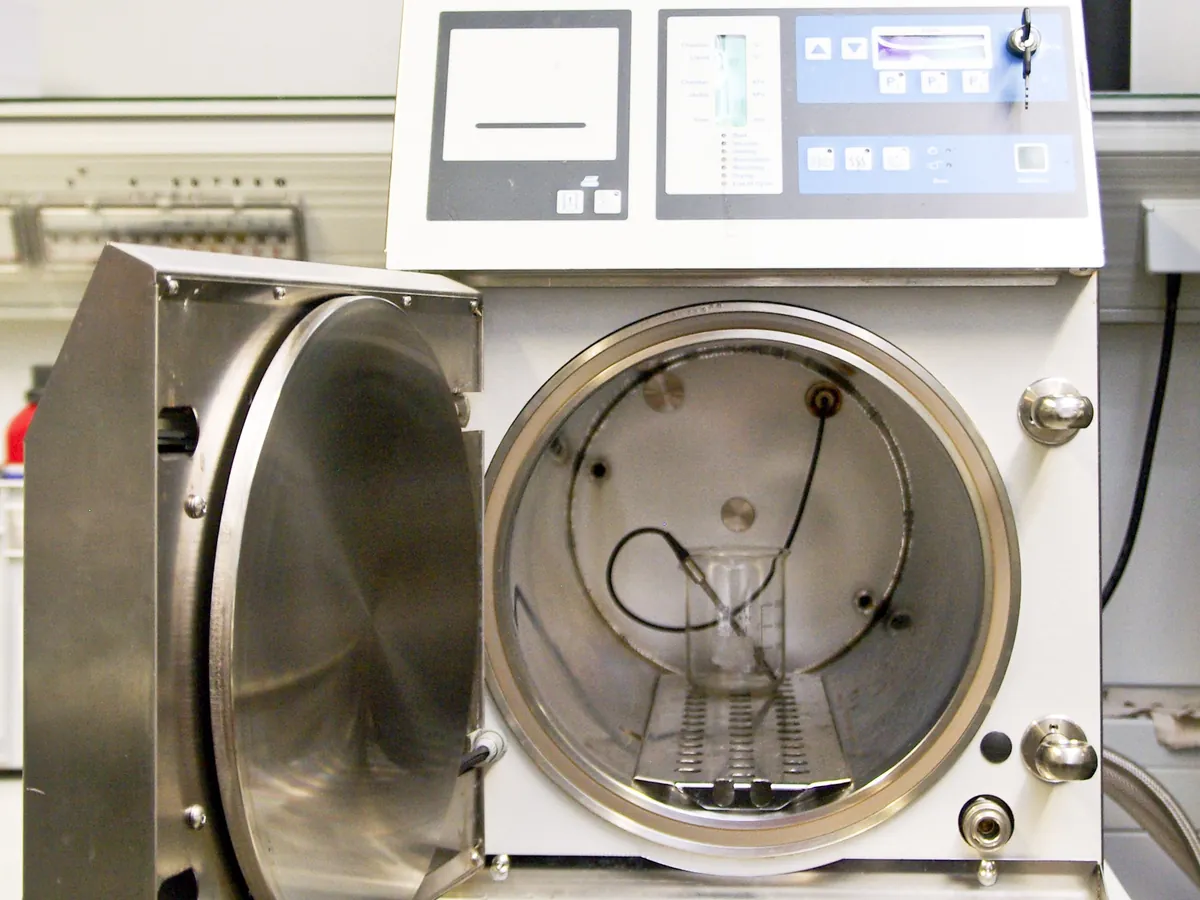
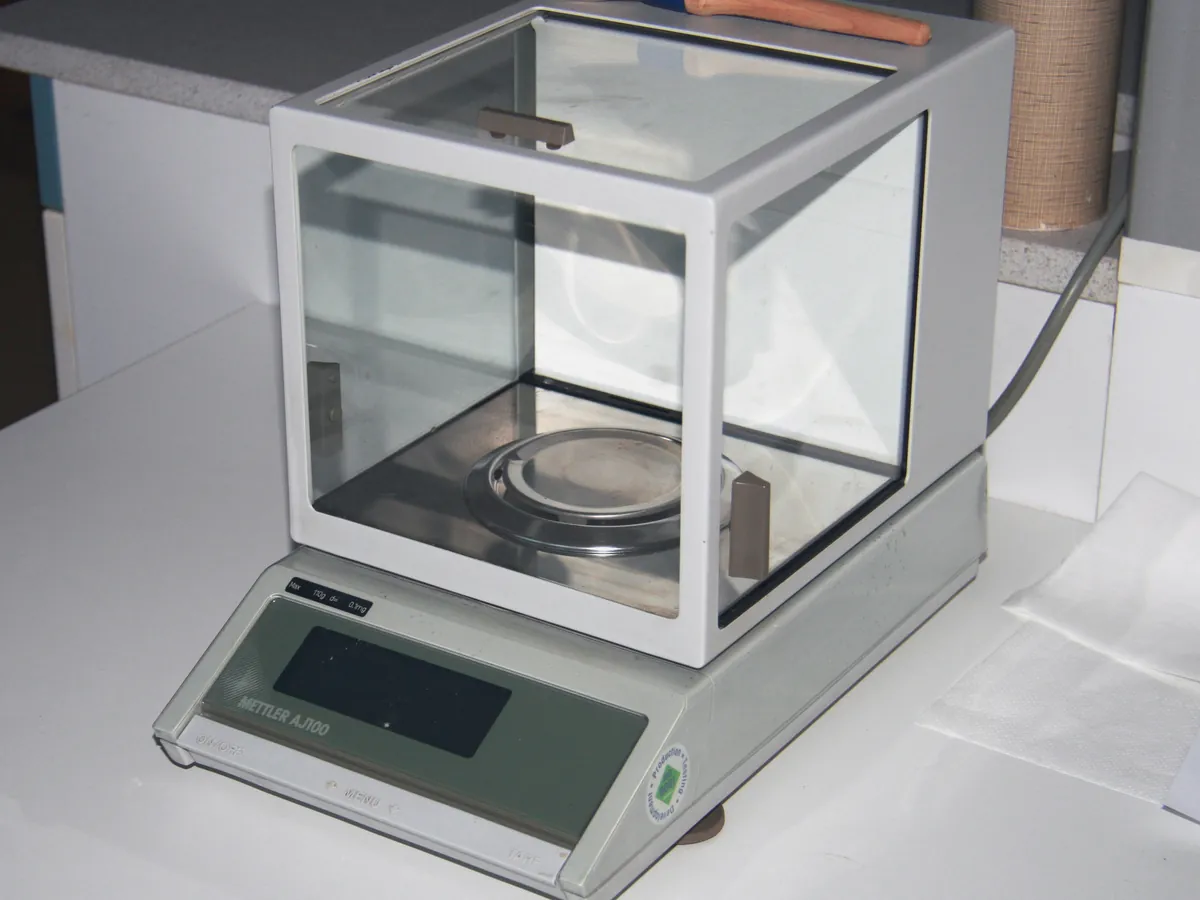
Reagents & standards
| Reagent | Grade / specification |
|---|---|
| Test microorganisms (as named in ISO 11930) | Pseudomonas aeruginosa, Staphylococcus aureus, Escherichia coli, Candida albicans and Aspergillus brasiliensis — reference strains specified in the standard |
| Neutraliser | Validated for the product, as required by the standard |
Preparing the sample
- 01
Validate counting
Show that the product's preservative is neutralised during counting.
- 02
Challenge
Each organism is introduced into its own portion of product, as specified in the standard.
- 03
Store
Challenged product is held at room temperature, protected from light.
- 04
Sample
Survivors are counted at day 7, 14 and 28.
- 05
Evaluate
Log reductions are compared with criteria A and B.
Procedure
- 1This is an overview only. The test must be carried out exactly as ISO 11930 and your validated SOP describe, by trained staff in a suitably equipped microbiology laboratory.
- 2Before the test, demonstrate that the counting method neutralises the product's antimicrobial activity and recovers the test organisms.
- 3Determine the initial concentration of each organism in the product (N₀) from the count of the challenge suspension and the dilution into the product, as the standard defines.
- 4Count surviving organisms at day 7, 14 and 28 (the standard's sampling times) and express each as log₁₀ cfu/g.
- 5Calculate the log reduction at each time and compare with the criteria table in the standard.
Notes for analysts
- 'No increase' means the count does not rise compared with the previous sampling time, within the counting variability the standard allows (often taken as about 0.5 log).
- Test the final formulation, ideally also after storage, because preservative can be lost to packaging or degrade.
- ISO 11930 does not apply to microbiologically low-risk products identified under ISO 29621.
- This page deliberately gives no culture or inoculum-preparation details; those must come from the standard and the laboratory's validated, biosafety-approved SOP.
Method parameters (typical)
| Standard | ISO 11930 (current edition) |
|---|---|
| Test organisms | P. aeruginosa, S. aureus, E. coli, C. albicans, A. brasiliensis (one challenge per organism) |
| Sampling times | Day 7, day 14 and day 28 (T0 calculated) |
| Storage | Room temperature (about 22.5 ± 2.5 °C) in the dark, as stated in the standard |
| Evaluation | Log reduction against criteria A and B |
System suitability & sequence
| Parameter | Limit |
|---|---|
| Neutralisation | Validated recovery for each organism in the presence of product |
| Inoculum level | Within the range specified by the standard |
Typical sequence
- 1Neutralisation validation
- 2Challenge (T0)
- 3Day 7 count
- 4Day 14 count
- 5Day 28 count
- 6Evaluation and report
Calculation with a worked example
Where
- N₀
- Calculated initial concentration of the organism in the product at T0 (cfu/g)
- Nₓ
- Surviving organisms at day x (cfu/g)
- Rₓ
- Log reduction at day x; when no organisms are detected, Nₓ is taken as the detection limit and Rₓ is reported as 'greater than or equal to'
Given
- Organism
- Pseudomonas aeruginosa (a bacterium)
- N₀
- 5.2 × 10⁵ cfu/g
- Day 7
- 3.0 × 10² cfu/g
- Day 14 and day 28
- < 10 cfu/g (detection limit 10 cfu/g)
Working
- 1
log₁₀ N₀ = log₁₀(5.2 × 10⁵) = 5.72
- 2
Day 7: log₁₀(3.0 × 10²) = 2.48; R₇ = 5.72 − 2.48 = 3.24
- 3
Day 14 and 28: R ≥ 5.72 − log₁₀(10) = 5.72 − 1 = 4.72, with no increase
- 4
Bacteria under criteria A need R ≥ 3 at day 7 and ≥ 3 with no increase at days 14 and 28 → met
P. aeruginosa: R₇ = 3.2, R₁₄ ≥ 4.7, R₂₈ ≥ 4.7 — meets criteria A for bacteria. The product passes overall only if every organism meets its criteria.
What result passes
- Criteria are those tabulated in the current ISO 11930. As commonly summarised:
- Bacteria — criteria A: ≥ 3 log reduction at day 7, ≥ 3 and no increase at days 14 and 28. Criteria B: ≥ 3 at day 14 and ≥ 3 with no increase at day 28 (day 7 not required).
- Candida albicans — criteria A: ≥ 1 log reduction at day 7, ≥ 1 and no increase at days 14 and 28. Criteria B: ≥ 1 at day 14 and ≥ 1 with no increase at day 28.
- Aspergillus brasiliensis — criteria A: no increase (≥ 0) at day 14 and ≥ 1 with no increase at day 28. Criteria B: no increase at days 14 and 28.
- Criteria A: product considered protected. Criteria B: acceptable only with a documented risk assessment showing other protective factors (for example packaging). Failure of both: preservation is inadequate.
Validation parameters (ICH Q2(R2))
| Parameter | Typical requirement |
|---|---|
| Neutralisation | Recovery of each test organism in the presence of product and neutraliser, within the standard's limits |
Run this method in LimsPulse: specifications and STPs under version control, results calculated and checked against limits, and a signed Certificate of Analysis.