Chemicals & materials lab testing
Purity and specification testing of chemicals, oils and fats, and physical testing of polymers and coatings. 8 test methods and 10 instruments, explained step by step.
- ASTM
- ISO
- BIS
- AOCS
Industrial chemicals & solvents
Purity, colour and identity of chemicals.
- Gas chromatography with flame ionisation detection (GC-FID)
Purity by GC (area normalisation)
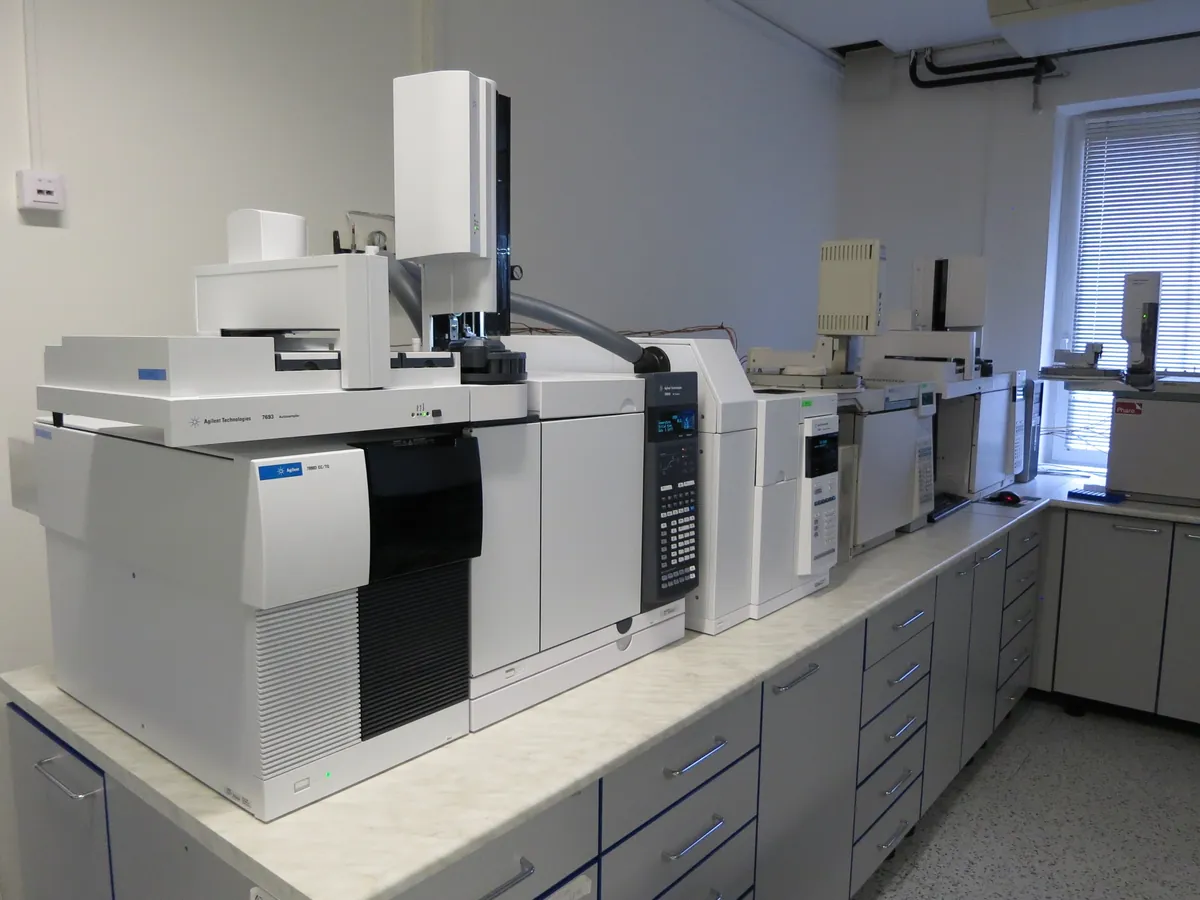
The neat liquid is injected into a GC with an FID. Every peak is integrated, and the purity is the main peak area as a percentage of the total area of all peaks. Individual impurities are reported the same way.
Open method - Visual comparison with Pt-Co standards, or instrumental colorimetry
Colour (APHA / Hazen / Pt-Co)
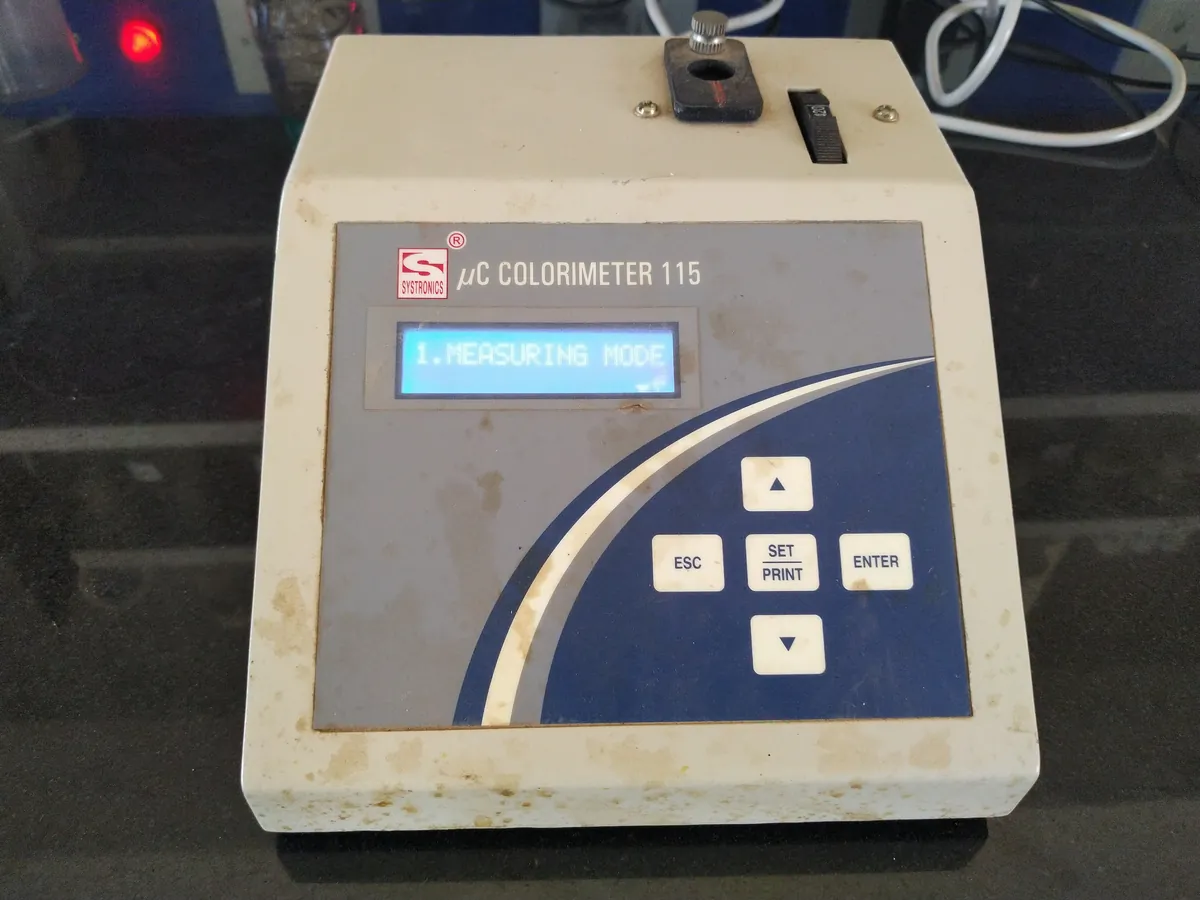
The colour of a clear liquid is compared with a series of yellow platinum-cobalt standards in matched tubes, or measured in a colour spectrophotometer. The result is the Pt-Co (APHA or Hazen) number of the standard that matches best.
Open method
Oils & fats
Acid, iodine and saponification values.
- Acid–base titration (visual indicator or potentiometric)
Acid value
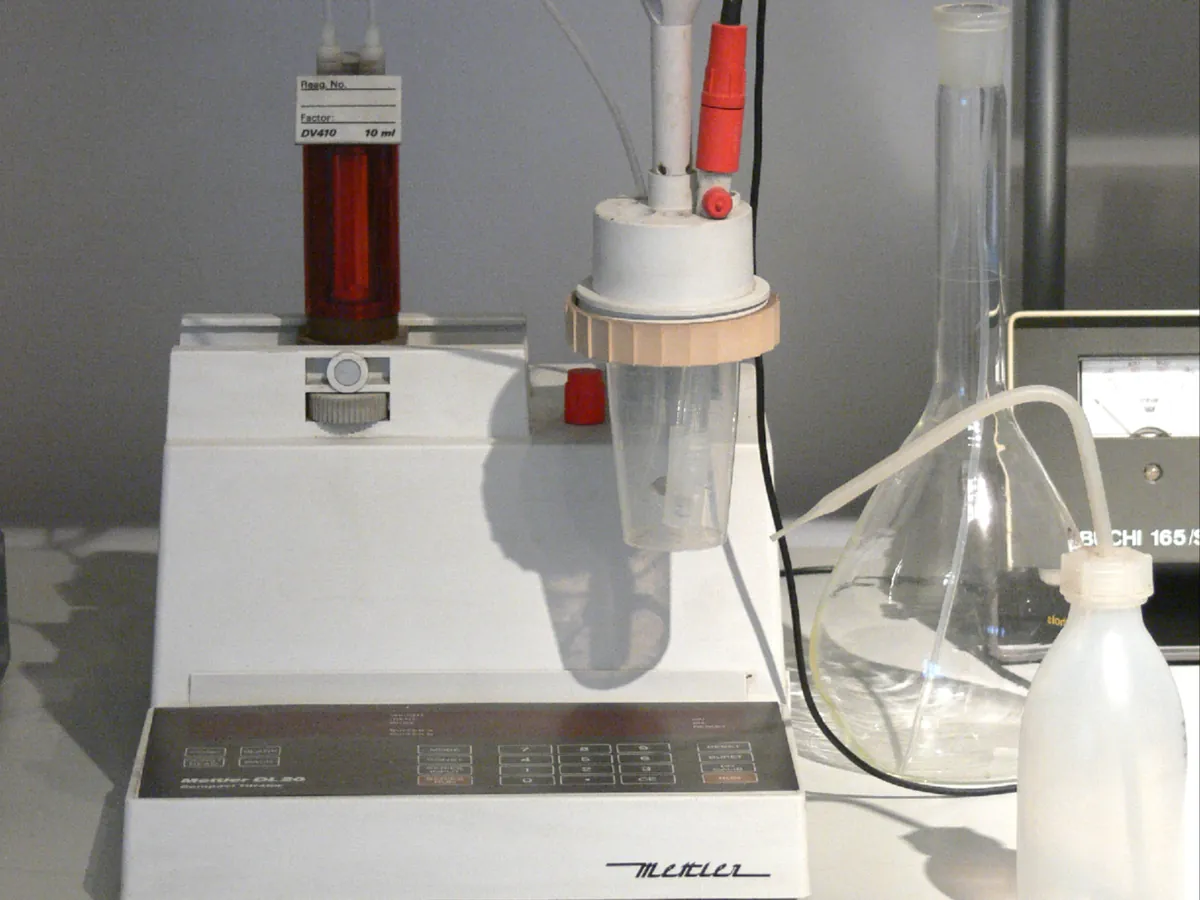
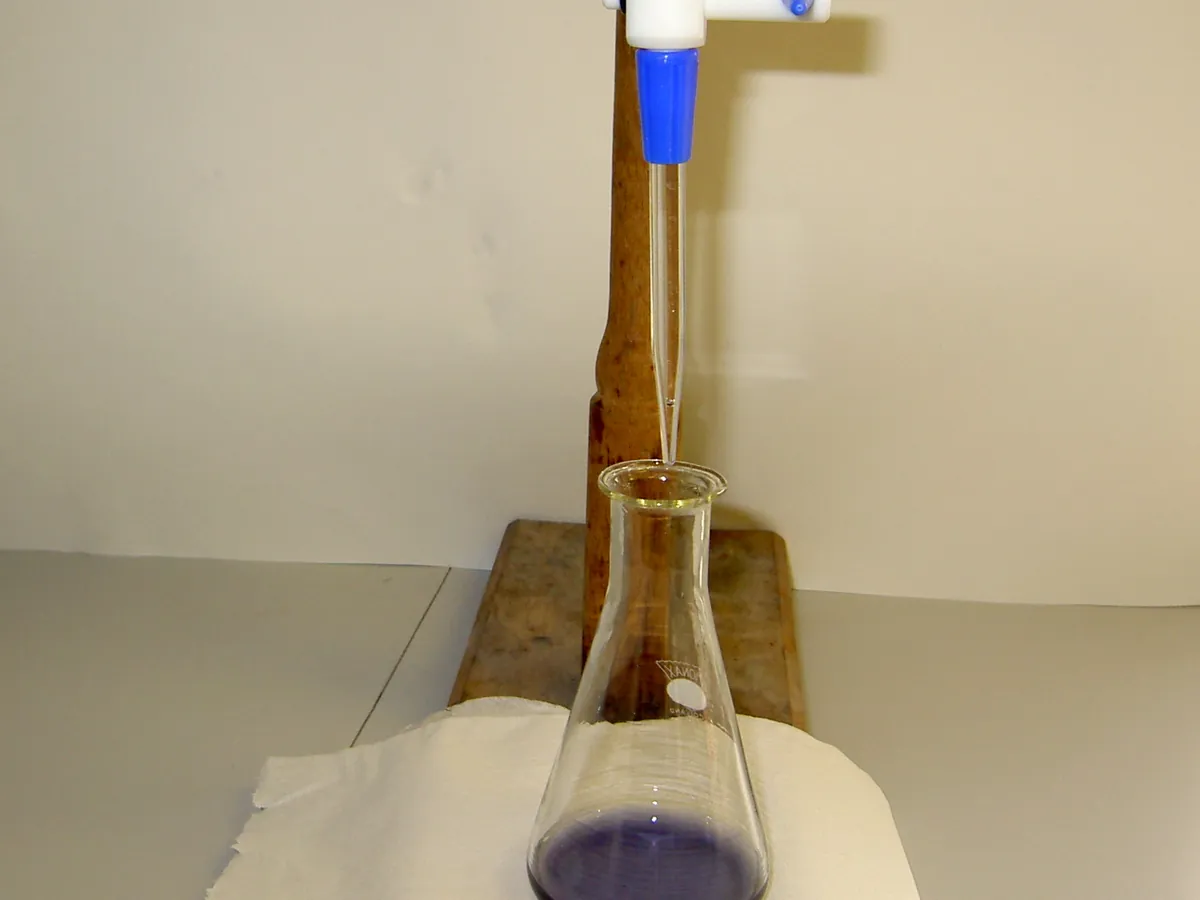
A weighed oil is dissolved in neutralised solvent and titrated with standard potassium hydroxide to a phenolphthalein end point. The acid value is the mg of KOH needed to neutralise the free acids in 1 g of oil.
Open method - Back titration (iodometric)
Iodine value (Wijs)
The oil reacts in the dark with a known excess of iodine monochloride (Wijs reagent). Unreacted ICl is converted to iodine with potassium iodide and titrated with sodium thiosulphate. The difference from a blank gives the iodine value: the grams of iodine taken up by 100 g of oil.
Open method - Back titration after alkaline hydrolysis
Saponification value
The oil is boiled under reflux with a known excess of ethanolic potassium hydroxide, which saponifies all the esters. The unused KOH is titrated with standard hydrochloric acid. The difference from a blank gives the mg of KOH used per gram of oil.
Open method
Polymers, plastics & coatings
Melt flow, hardness and gloss.
- Extrusion plastometer (Procedure A, mass method)
Melt flow index of plastics
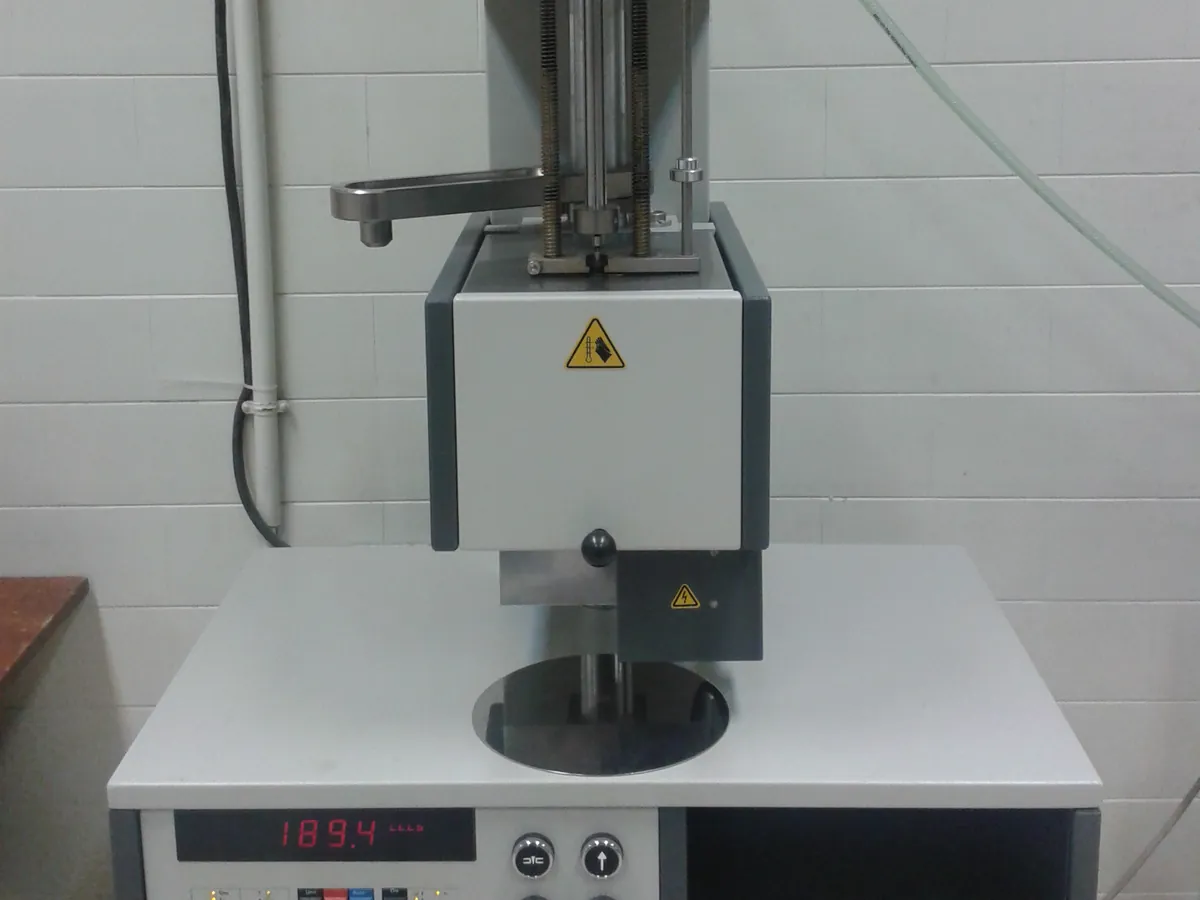
A few grams of polymer are melted in the heated barrel of a melt flow indexer and extruded through a standard die under a fixed load. Timed cut-offs are weighed and the result is expressed as grams per 10 minutes.
Open method - Durometer indentation
Shore hardness of rubbers and plastics
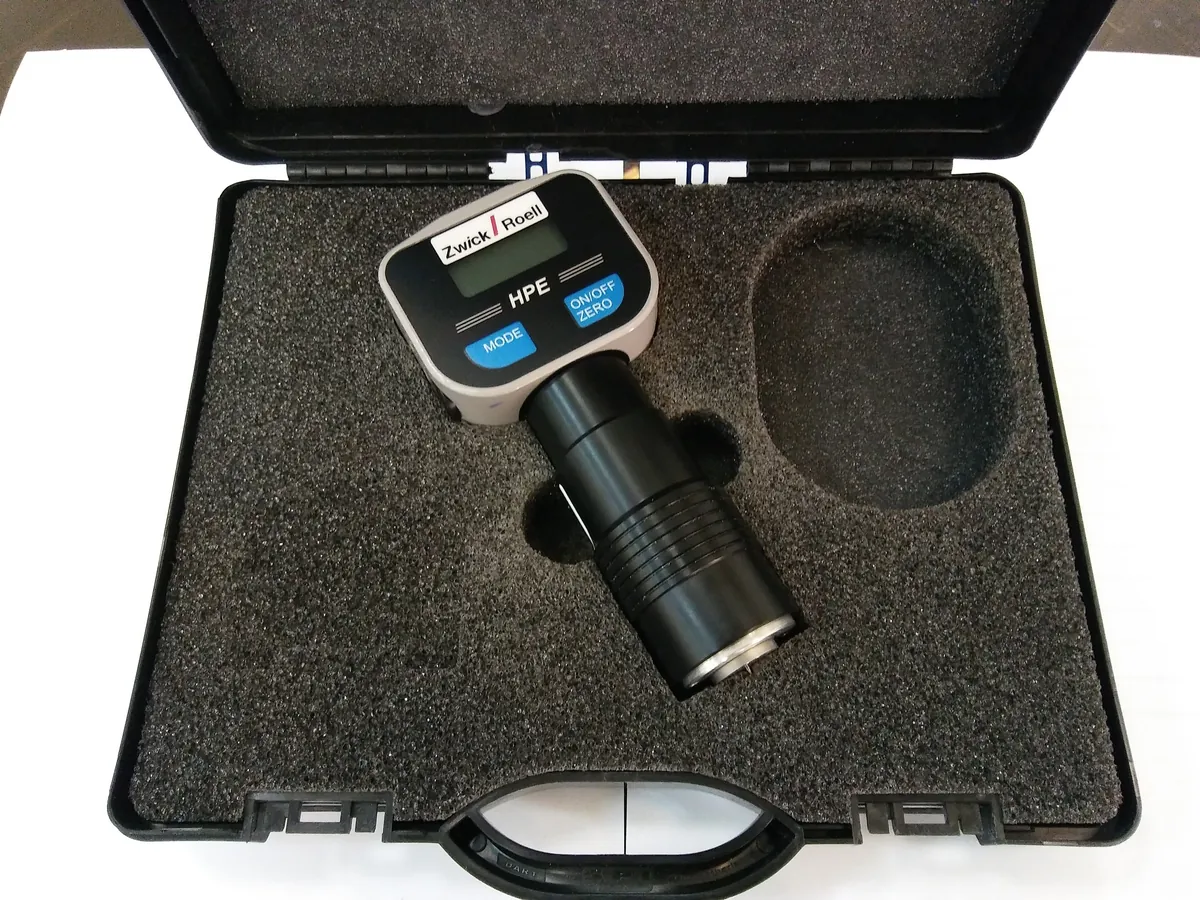
A calibrated Shore durometer is pressed onto a flat specimen of the required thickness. The reading after a set time is recorded at several points, and the median or mean is reported with the scale and dwell time.
Open method - Specular reflectance (gloss meter)
Gloss of paints and coatings
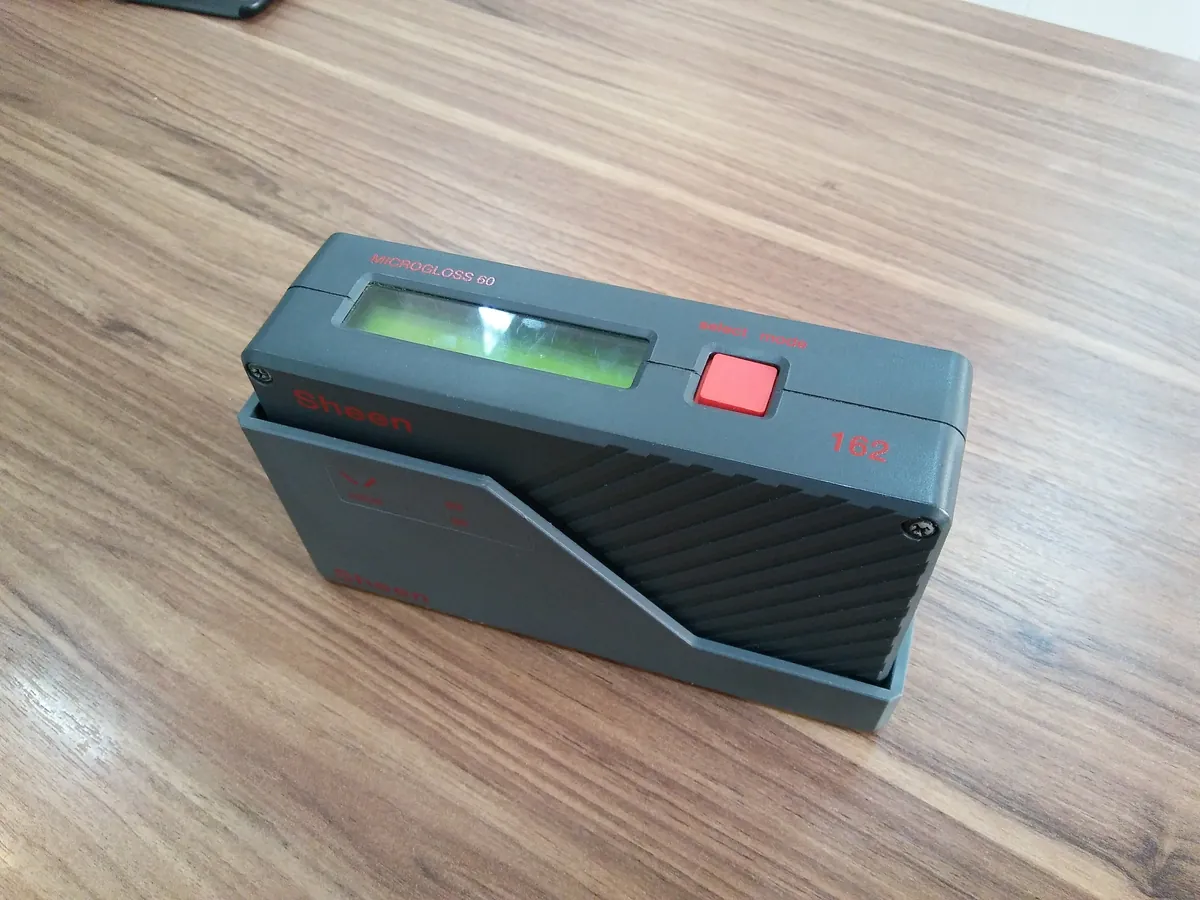
A coating is applied to a flat panel at a set film thickness and cured. Gloss is measured with a calibrated gloss meter at 60°, or at 20° or 85° depending on the gloss level, and the mean of several readings is reported in gloss units.
Open method