Liquid Chromatography–Mass Spectrometry (LC-MS / LC-MS/MS)
Couples an HPLC or UHPLC to a mass spectrometer, so each separated component is identified by its mass and measured with very high sensitivity. Used for impurity identification, nitrosamines and other trace impurities, and bioanalysis.
- Pharmaceutical
- Biopharmaceutical
- Clinical and bioanalytical labs
- Food safety
- Environmental
- Forensic and toxicology
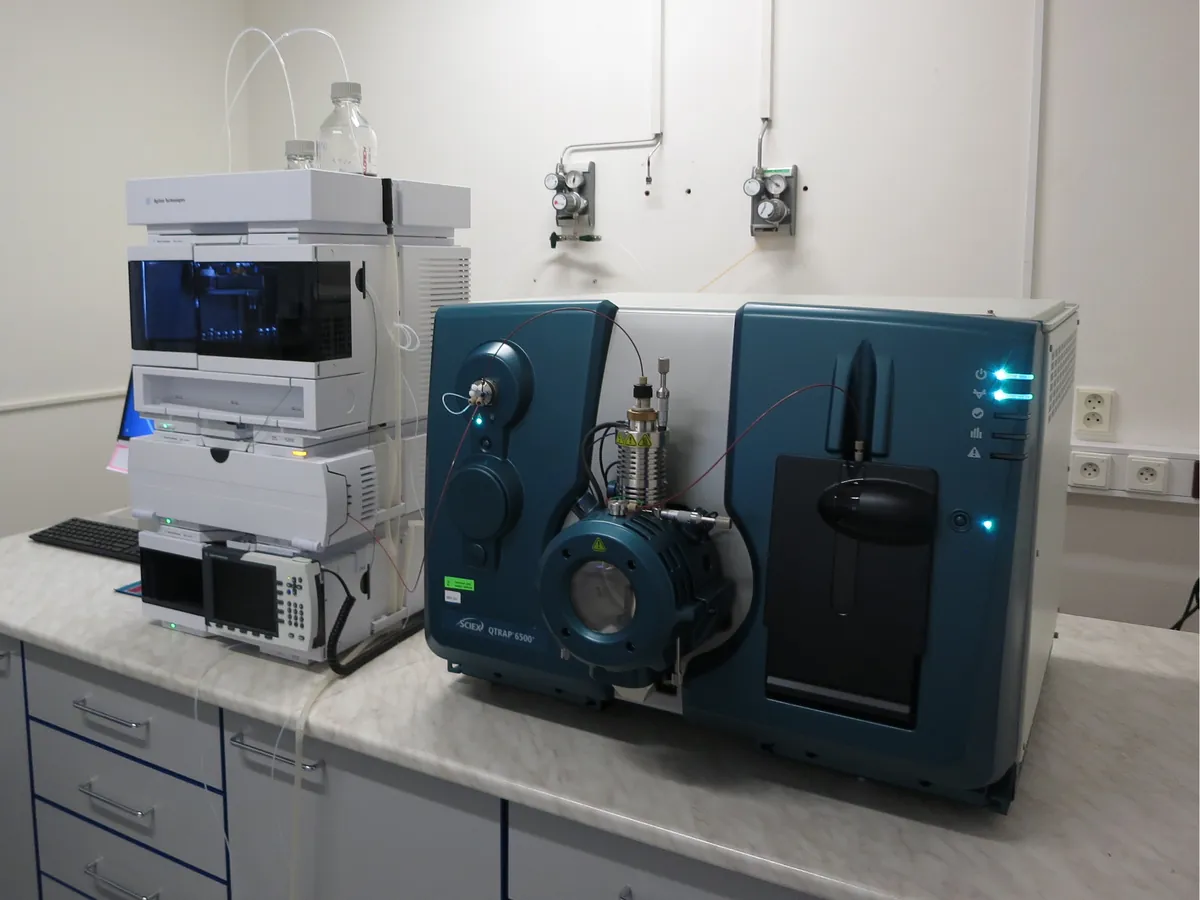
LC-MS calibration procedures
Instrument qualification (DQ · IQ · OQ · PQ)
- 01
DQ — Design qualification
Defines analyser type, mass range, resolution, sensitivity, ion sources, LC compatibility, gas and power requirements and a compliant software.
- 02
IQ — Installation qualification
Confirms installation, vacuum, exhaust, gas supplies, electrical safety, firmware and software versions.
- 03
OQ — Operational qualification
Tests mass accuracy and calibration, resolution, sensitivity (signal-to-noise for a test compound), MS/MS performance and LC module functions.
- 04
PQ — Performance qualification
Runs a representative method or system check standard routinely to show sensitivity and mass accuracy remain fit for purpose.
Keep every LC-MS in control: usage logs, calibration and maintenance schedules, and automatic blocking of overdue instruments.