Chromatography
Liquid Chromatography–Mass Spectrometry (LC-MS / LC-MS/MS)
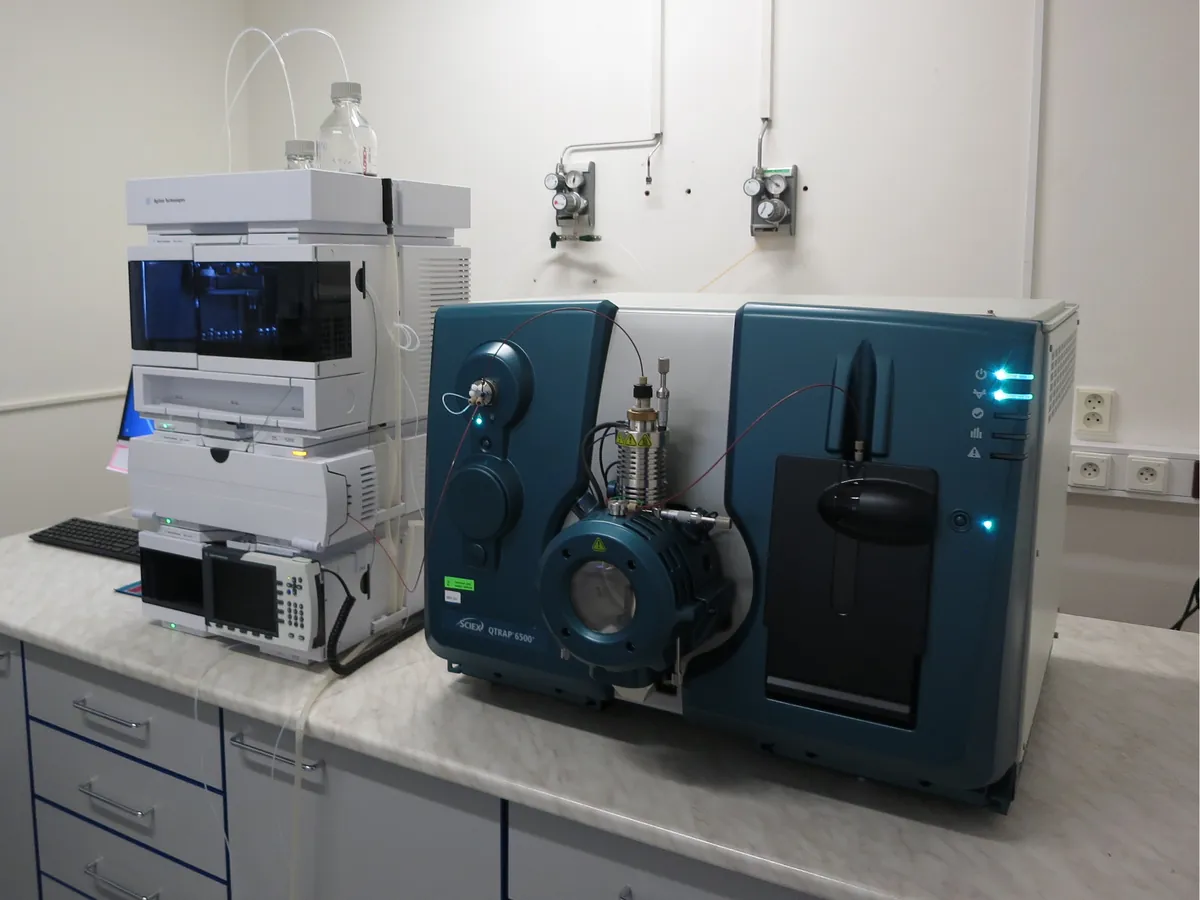
Couples an HPLC or UHPLC to a mass spectrometer, so each separated component is identified by its mass and measured with very high sensitivity. Used for impurity identification, nitrosamines and other trace impurities, and bioanalysis.
- Pharmaceutical
- Biopharmaceutical
- Clinical and bioanalytical labs
- Food safety
- Environmental
- Forensic and toxicology
Follow your site SOP
This is a typical operating sequence for learning. Your instrument model and approved SOP take precedence.
STAGE 1
Before you start
- 1Check the vacuum readings are in the normal range and the last calibration / tune report passed.
- 2Prepare mobile phases with LC-MS grade solvents and volatile additives only.
- 3Check nitrogen supply pressure and collision gas.
- 4Prepare samples to the lowest practical matrix load; filter or centrifuge them.
- Never send phosphate or other non-volatile buffers into the MS; they deposit in the source and block it.
STAGE 2
Start-up
- 1Equilibrate the LC with the method mobile phase while the source heats up.
- 2Run the mass calibration or calibration check if due, and a system check standard.
- 3Set the divert valve so early-eluting salts go to waste.
- Make sure the source drain and exhaust are connected before switching on gas and heaters.
STAGE 3
Running samples
- 1Inject blank, calibration standards (often with an isotope-labelled internal standard), quality-control samples and test samples.
- 2Check sensitivity (e.g. signal-to-noise at the limit of quantitation), retention time and ion ratio for confirmation.
- 3Review chromatograms and spectra; check for carry-over in blanks after high standards.
- Changes in sample matrix can suppress the signal; use matrix-matched standards or an internal standard as the method requires.
STAGE 4
Shutdown
- 1Flush the LC and source with a clean solvent mixture.
- 2Put the MS in standby (vacuum stays on); switch off source heaters and reduce gas flows as the manufacturer recommends.
- 3Complete the usage log, including vacuum readings.
- Do not vent the instrument without following the manufacturer's procedure; recovering high vacuum can take many hours.
In LimsPulse · Calibration Management
Keep every LC-MS in control: usage logs, calibration and maintenance schedules, and automatic blocking of overdue instruments.