Chromatography
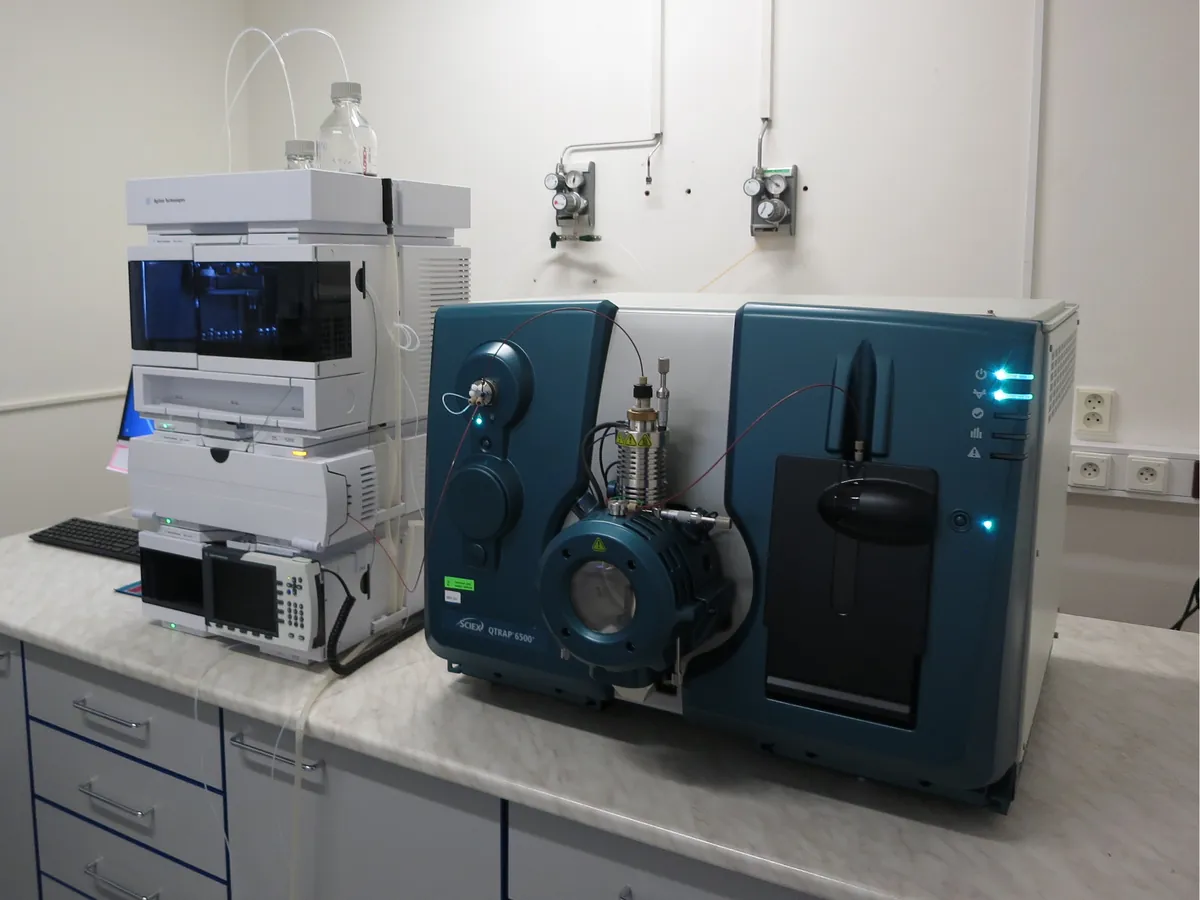
Liquid Chromatography–Mass Spectrometry (LC-MS / LC-MS/MS)
Couples an HPLC or UHPLC to a mass spectrometer, so each separated component is identified by its mass and measured with very high sensitivity. Used for impurity identification, nitrosamines and other trace impurities, and bioanalysis.
- Pharmaceutical
- Biopharmaceutical
- Clinical and bioanalytical labs
- Food safety
- Environmental
- Forensic and toxicology
TROUBLESHOOTING
Common problems, causes and fixes
Loss of sensitivity
Likely causes
- • Dirty ion source or cone
- • Ion suppression from matrix
- • Detector ageing
- • Wrong tune or mass calibration
What to do
- • Clean the source
- • Improve sample clean-up or chromatographic separation
- • Increase detector voltage within limits or replace the detector
- • Re-tune and recalibrate
Unstable spray or noisy signal
Likely causes
- • Partly blocked ESI needle or capillary
- • Air in the LC flow
- • Gas supply problems
What to do
- • Clean or replace the needle
- • Degas solvents and purge the LC
- • Check nitrogen pressure and purity
Mass shift / wrong m/z
Likely causes
- • Calibration out of date
- • Room temperature change affecting the analyser
What to do
- • Recalibrate with the reference solution
- • Stabilise room temperature; use a lock mass on HRMS
High background ions
Likely causes
- • Contaminated solvents or additives
- • Plasticisers from tubing or containers
- • Column bleed
What to do
- • Use fresh LC-MS grade solvents
- • Use MS-compatible tubing and glass containers
- • Condition or replace the column
Vacuum fault
Likely causes
- • Leak at a seal
- • Rough pump failing
- • Turbo pump fault
What to do
- • Stop work and contact service
- • Check pump oil and running noise
- • Do not run samples until vacuum is restored
In LimsPulse · Calibration Management
Keep every LC-MS in control: usage logs, calibration and maintenance schedules, and automatic blocking of overdue instruments.