Chromatography
Liquid Chromatography–Mass Spectrometry (LC-MS / LC-MS/MS)
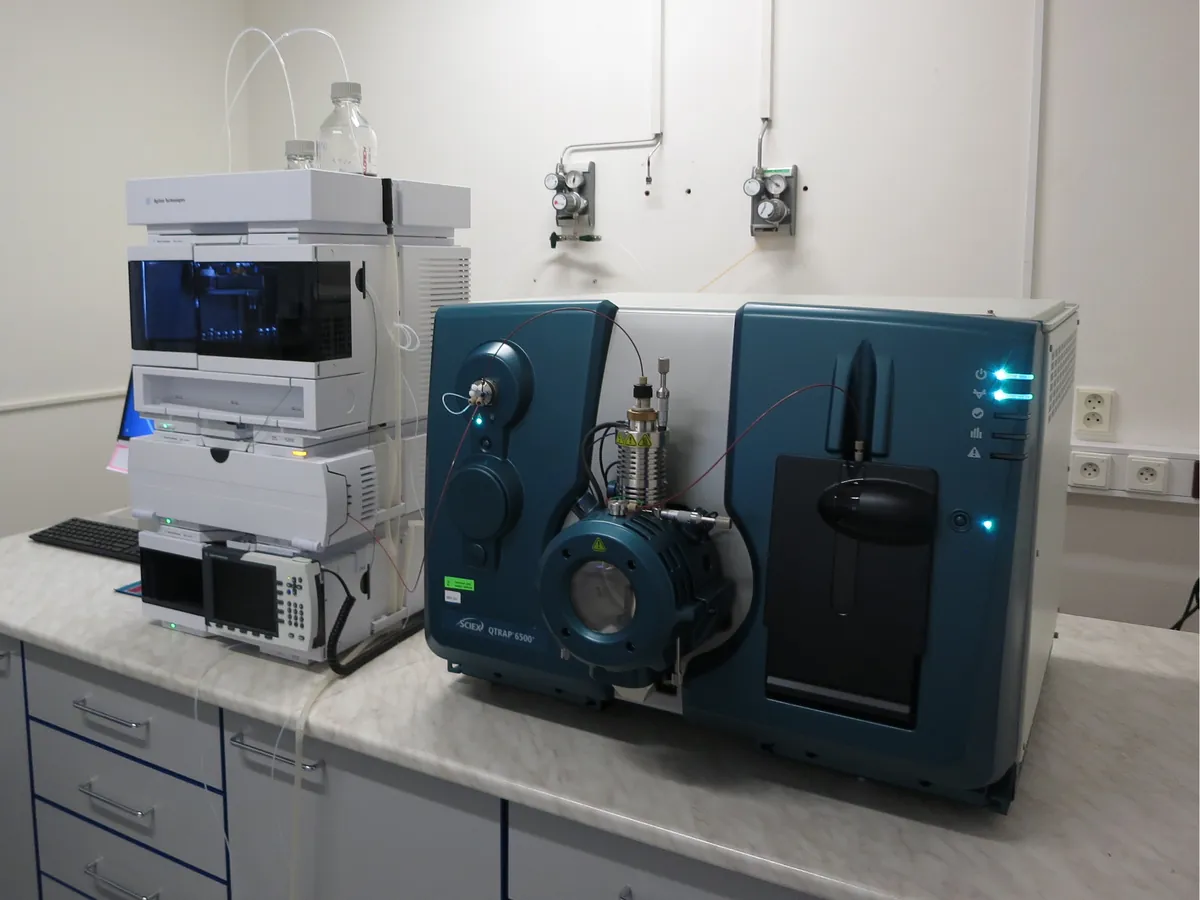
Couples an HPLC or UHPLC to a mass spectrometer, so each separated component is identified by its mass and measured with very high sensitivity. Used for impurity identification, nitrosamines and other trace impurities, and bioanalysis.
- Pharmaceutical
- Biopharmaceutical
- Clinical and bioanalytical labs
- Food safety
- Environmental
- Forensic and toxicology
PREVENTIVE MAINTENANCE
Maintenance checklist
Daily / each use
- Check vacuum and gas pressures
- Inspect and wipe the spray shield / cone if dirty
- Empty the source drain and check the exhaust
Weekly
- Clean the ion source components (cone, capillary or curtain plate) as needed
- Run a sensitivity check standard
Monthly / quarterly
- Check rough pump oil level and colour (oil pumps) or service dry pumps
- Mass calibration and tuning as per SOP
- Replace nitrogen generator filters
Six-monthly / annual
- Preventive maintenance by the manufacturer (pump service, ion optics cleaning, detector check)
- Full calibration and OQ
SAFETY
Safety precautions
Before you work on the LC-MS
- The ion source runs at high voltage and high temperature; let it cool and switch off voltages before touching it.
- Nitrogen in large volumes can displace oxygen; make sure the room is ventilated and use oxygen monitors where required.
- The source exhaust contains solvent vapour and must be vented to an extraction system.
- Rough pump oil may be contaminated with sample residues; handle it as hazardous waste.
- Organic solvents are flammable and toxic; prepare mobile phases in a fume hood.
In LimsPulse · Calibration Management
Keep every LC-MS in control: usage logs, calibration and maintenance schedules, and automatic blocking of overdue instruments.