Chromatography
Thin-Layer Chromatography (TLC)
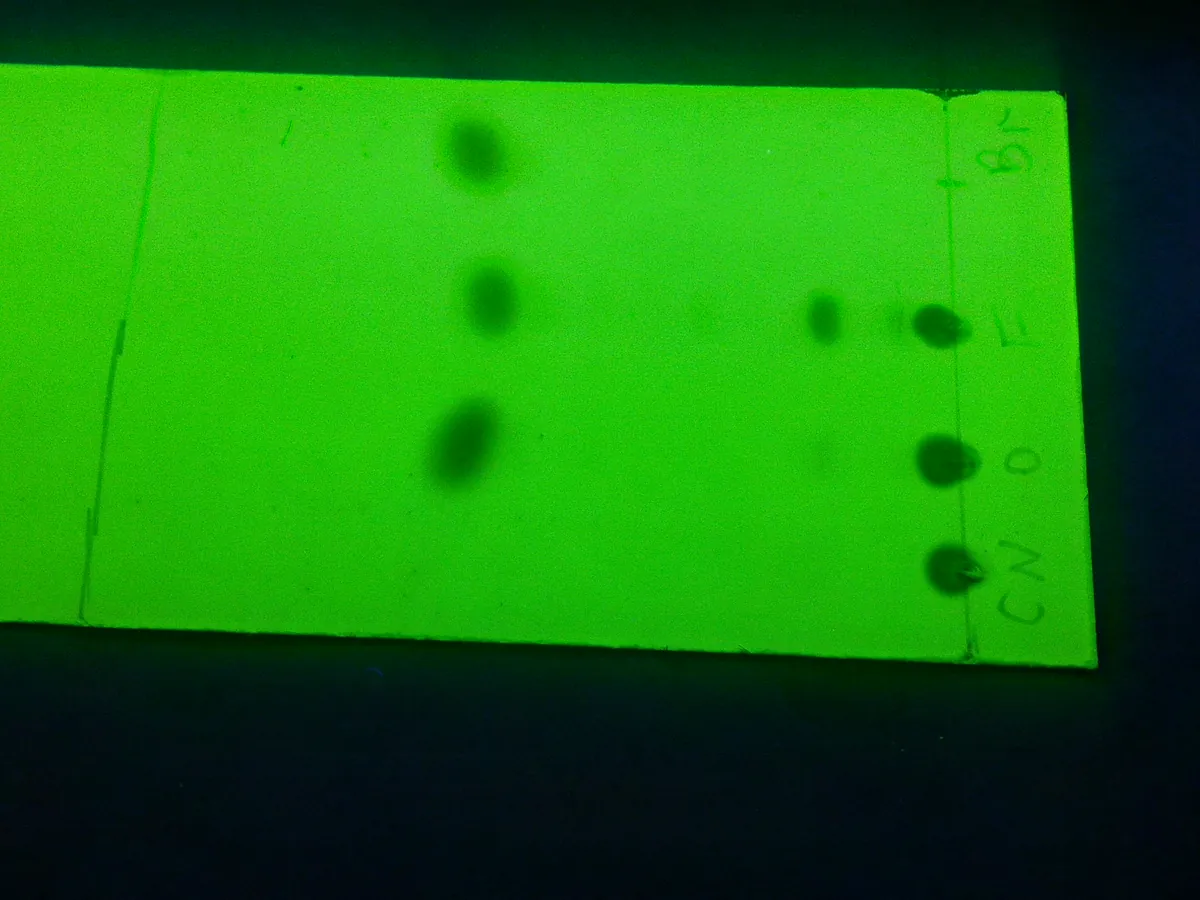
Separates compounds as a solvent climbs up a thin layer of adsorbent on a glass, aluminium or plastic plate. Simple and cheap; used in pharma QC mainly for identification and limit tests for related substances.
- Pharmaceutical
- Herbal & natural products
- Chemicals
- Forensic
- Education
PREVENTIVE MAINTENANCE
Maintenance checklist
Each use
- Clean and dry the chamber
- Rinse reusable applicators
- Check the UV cabinet lamps light correctly
Monthly
- Check UV lamp intensity visually with a fluorescent plate
- Check plate stock expiry and storage conditions
Annual
- Replace UV lamps as needed
- Verify any oven or plate heater temperature as per SOP
- Calibrate or verify microsyringes and automated applicators where used
SAFETY
Safety precautions
Before you work on the TLC
- Many mobile phases contain flammable and toxic solvents (e.g. chloroform, toluene, ethyl acetate); prepare and develop in a fume hood.
- Spray reagents may be corrosive (sulphuric acid) or toxic; use a spray cabinet with extraction and wear gloves and safety glasses.
- UV light damages eyes and skin; use the cabinet and UV-protective glasses.
- Silica dust from scraping plates is an inhalation hazard; avoid creating dust.
- Glass plates break into sharp pieces; handle by the edges.
In LimsPulse · Calibration Management
Keep every TLC in control: usage logs, calibration and maintenance schedules, and automatic blocking of overdue instruments.