Thin-Layer Chromatography (TLC)
Separates compounds as a solvent climbs up a thin layer of adsorbent on a glass, aluminium or plastic plate. Simple and cheap; used in pharma QC mainly for identification and limit tests for related substances.
- Pharmaceutical
- Herbal & natural products
- Chemicals
- Forensic
- Education
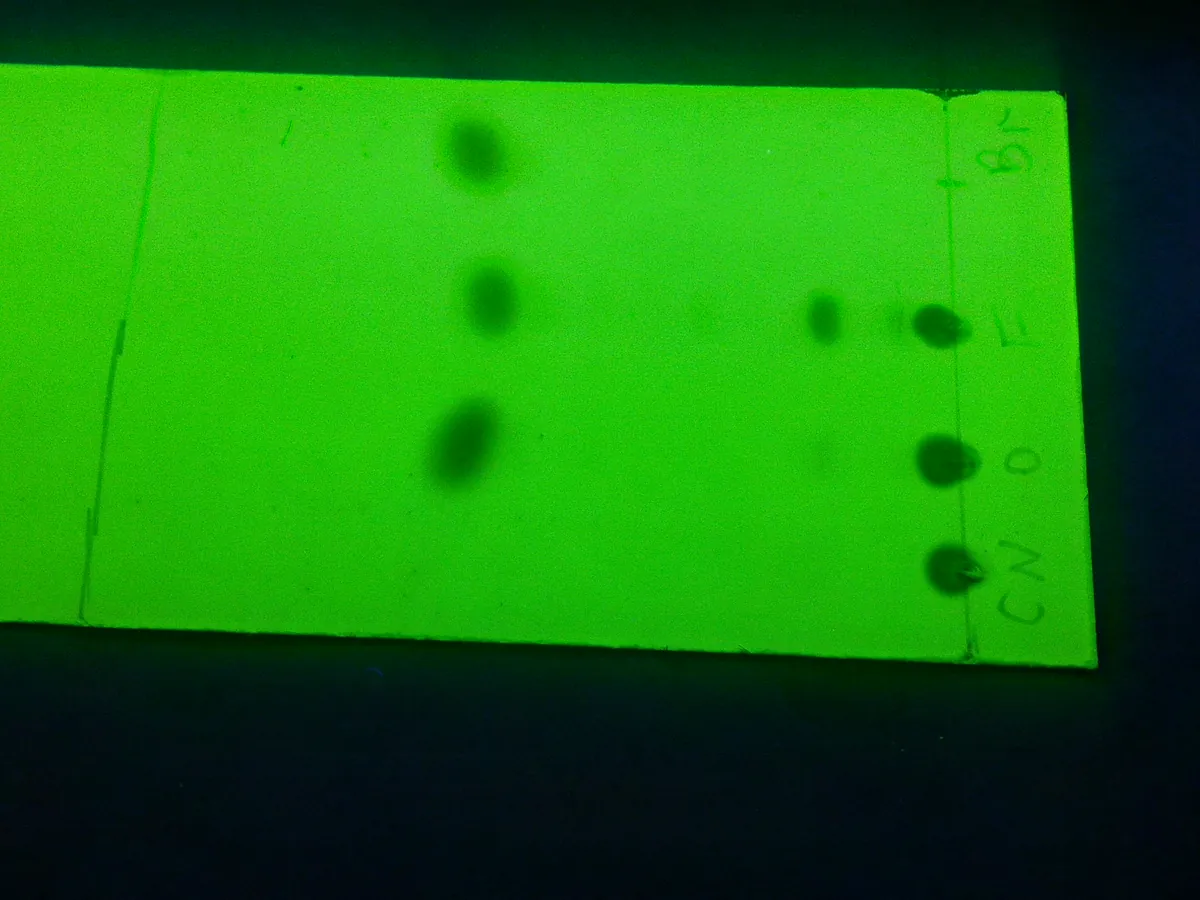
TLC calibration procedures
TLC has no instrument calibration of its own in most labs. Its performance is controlled through qualification (below) and the system suitability or acceptance checks of each test that uses it.
Instrument qualification (DQ · IQ · OQ · PQ)
- 01
DQ — Design qualification
Defines the needs, for example plate formats, UV wavelengths, chamber types and any documentation or densitometry system.
- 02
IQ — Installation qualification
For simple TLC, confirms the UV cabinet, plate heater and documentation system are installed correctly and identified. Glassware needs no IQ.
- 03
OQ — Operational qualification
Checks the UV cabinet lamps at 254 and 365 nm, plate heater temperature and, where used, applicator volume accuracy.
- 04
PQ — Performance qualification
Shown routinely by meeting the method's TLC system suitability (resolution of reference spots, visibility of the diluted reference).
Keep every TLC in control: usage logs, calibration and maintenance schedules, and automatic blocking of overdue instruments.