Thermal analysis & ovens
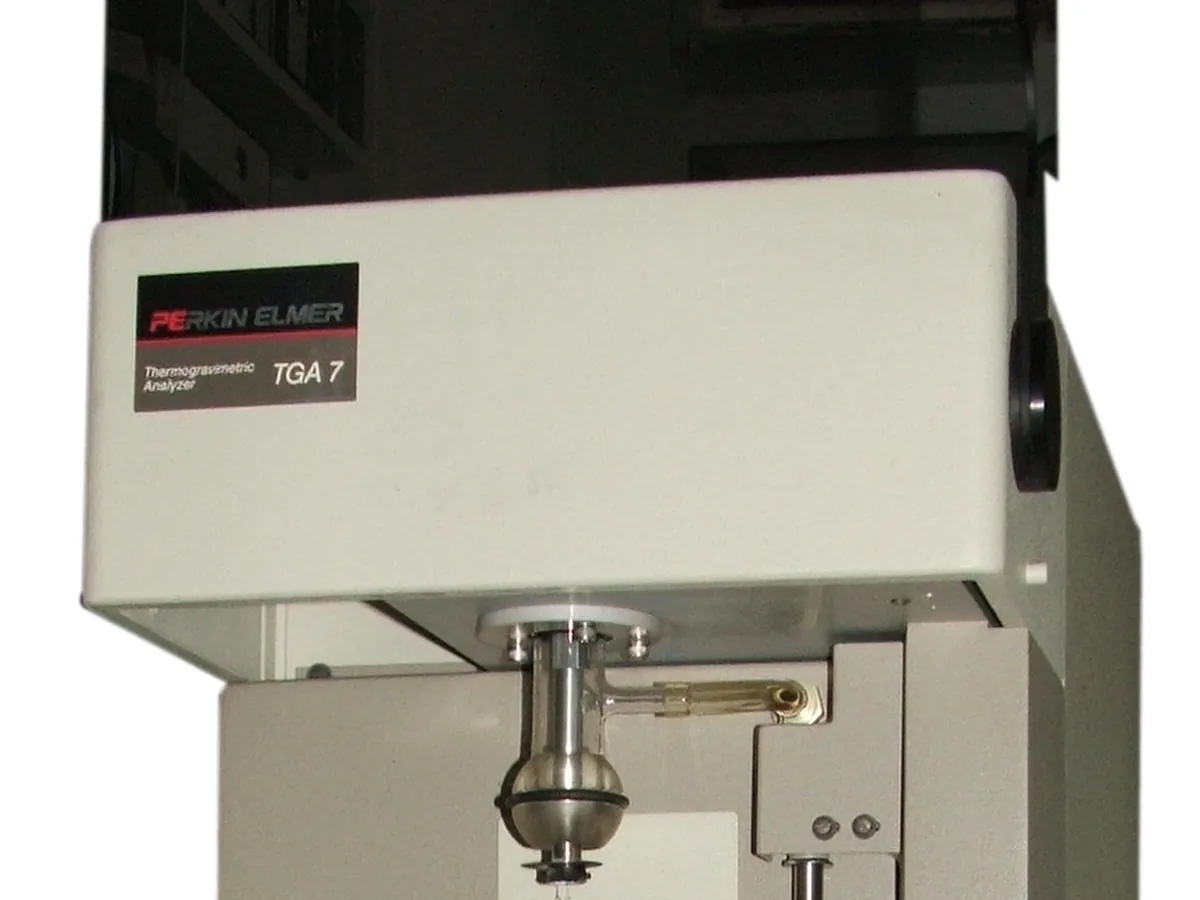
Thermogravimetric Analyser (TGA)
Weighs a sample continuously while it is heated, and records mass loss against temperature. Used to measure water and solvent content, decomposition and residue.
- Pharmaceutical
- Polymers
- Materials science
- Minerals
- Chemicals
TROUBLESHOOTING
Common problems, causes and fixes
Noisy mass signal
Likely causes
- • Vibration or draughts
- • Gas flow too high or unstable
- • Pan touching the furnace
What to do
- • Move the instrument to a stable bench
- • Reduce and stabilise gas flow
- • Re-centre the pan
Apparent mass gain at start
Likely causes
- • Buoyancy effect
- • Oxidation in air
What to do
- • Subtract a blank curve
- • Use nitrogen if oxidation is not wanted
Step temperatures shifted
Likely causes
- • Temperature calibration out of date
- • Different heating rate or sample mass from the method
What to do
- • Recalibrate with Curie point standards
- • Use the method conditions
Mass loss does not match theory for a hydrate
Likely causes
- • Sample partly dehydrated or extra surface water
- • Weighing error at the start
What to do
- • Check storage and sample handling
- • Let the starting mass stabilise; check mass calibration
Residue sticks in pan
Likely causes
- • Sample melted and charred
- • Wrong pan material
What to do
- • Clean by heating in air
- • Use a platinum or alumina pan as appropriate
In LimsPulse · Calibration Management
Keep every TGA in control: usage logs, calibration and maintenance schedules, and automatic blocking of overdue instruments.