Sulphur Analyser (XRF / UV Fluorescence)
Measures total sulphur in fuels and oils, either by X-ray fluorescence (fast, non-destructive, from tens of mg/kg to several per cent) or by combustion and ultraviolet fluorescence (very low levels, down to about 1 mg/kg).
- Petroleum refining
- Fuel terminals
- Marine fuel testing
- Regulatory and customs labs
- Biofuel production
- Independent testing laboratories
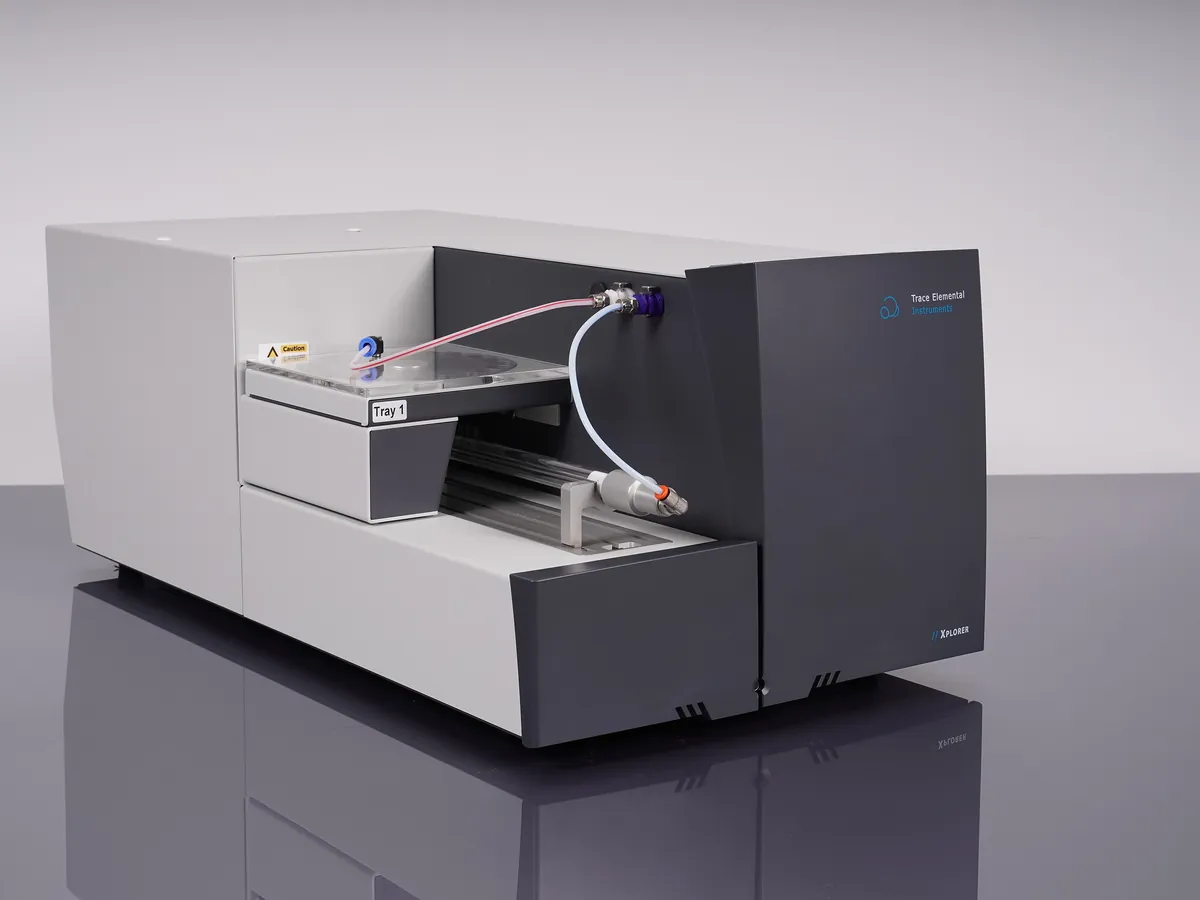
What is Sulphur analyser?
Sulphur in fuels burns to sulphur dioxide, which causes acid rain and poisons vehicle exhaust catalysts. Most countries now limit sulphur in road diesel and petrol to 10 mg/kg (for example EN 590, and BS VI fuels in India), and marine fuels to set percentages. Refineries, terminals and regulators therefore measure total sulphur on almost every batch.
Two instrument types are common. Energy-dispersive X-ray fluorescence (EDXRF, ASTM D4294) places the sample in a cup with a thin film window and irradiates it with X-rays; sulphur atoms emit characteristic X-rays at about 2.3 keV whose intensity is proportional to sulphur content. It needs little sample preparation and suits levels from tens of mg/kg up to about 5% by mass. Wavelength-dispersive XRF (ISO 20884, ASTM D2622) gives better low-level performance.
Combustion–ultraviolet fluorescence (UVF, ASTM D5453, ISO 20846) injects a few microlitres of sample into a furnace at about 1000–1100 °C in oxygen. Sulphur is converted to SO₂, water is removed, and the SO₂ is excited by UV light and emits fluorescence measured by a photomultiplier tube. It is the usual choice for ultra-low sulphur diesel and petrol near the 10 mg/kg limit.
Used for
- Compliance testing of ultra-low sulphur diesel and petrol (10 mg/kg limit)
- Sulphur in kerosene, jet fuel, naphtha and biodiesel
- Sulphur in fuel oils, marine fuels and crude oil (XRF)
- Sulphur in lubricating oils and additives (XRF)
- Refinery process control of hydrotreater performance
How it works
- 01
Calibrate
Standards of known sulphur content (for example di-n-butyl sulphide or dibenzothiophene in a matching solvent or mineral oil) are measured to build a calibration line.
- 02
Introduce sample
XRF: sample poured into a cup with a polyester or polypropylene film window. UVF: a few microlitres injected by syringe or autosampler into the furnace.
- 03
Excite
XRF: an X-ray tube excites sulphur atoms. UVF: the sample burns at about 1000–1100 °C in oxygen, forming SO₂; a membrane dryer removes water; the SO₂ is exposed to UV light.
- 04
Detect
XRF: a detector counts sulphur Kα X-rays at about 2.3 keV. UVF: a photomultiplier tube measures fluorescence from excited SO₂.
- 05
Calculate
The signal is converted to sulphur content (mg/kg or % m/m) from the calibration line, using sample density where volume is injected.
Advantages
- XRF: fast (a few minutes), non-destructive, almost no sample preparation, wide range
- UVF: very low detection limits suitable for 10 mg/kg fuels; small sample volume
- Both: well-established ASTM / ISO methods accepted for specifications
- Automation (autosamplers) for high sample throughput
Limitations
- XRF: matrix effects (carbon/hydrogen ratio, oxygenates, heavy elements) need matched calibration standards or correction
- EDXRF: limited precision near 10 mg/kg compared with UVF or WDXRF
- UVF: nitrogen compounds can interfere at high levels; incomplete combustion of heavy samples gives low results
- UVF: consumables (quartz combustion tube, membrane dryer) need regular replacement
- XRF instruments contain an X-ray source and are subject to radiation regulations
1 calibration procedure
Methods that use Sulphur analyser
Keep every Sulphur analyser in control: usage logs, calibration and maintenance schedules, and automatic blocking of overdue instruments.