Sulphur Analyser (XRF / UV Fluorescence)
Measures total sulphur in fuels and oils, either by X-ray fluorescence (fast, non-destructive, from tens of mg/kg to several per cent) or by combustion and ultraviolet fluorescence (very low levels, down to about 1 mg/kg).
- Petroleum refining
- Fuel terminals
- Marine fuel testing
- Regulatory and customs labs
- Biofuel production
- Independent testing laboratories
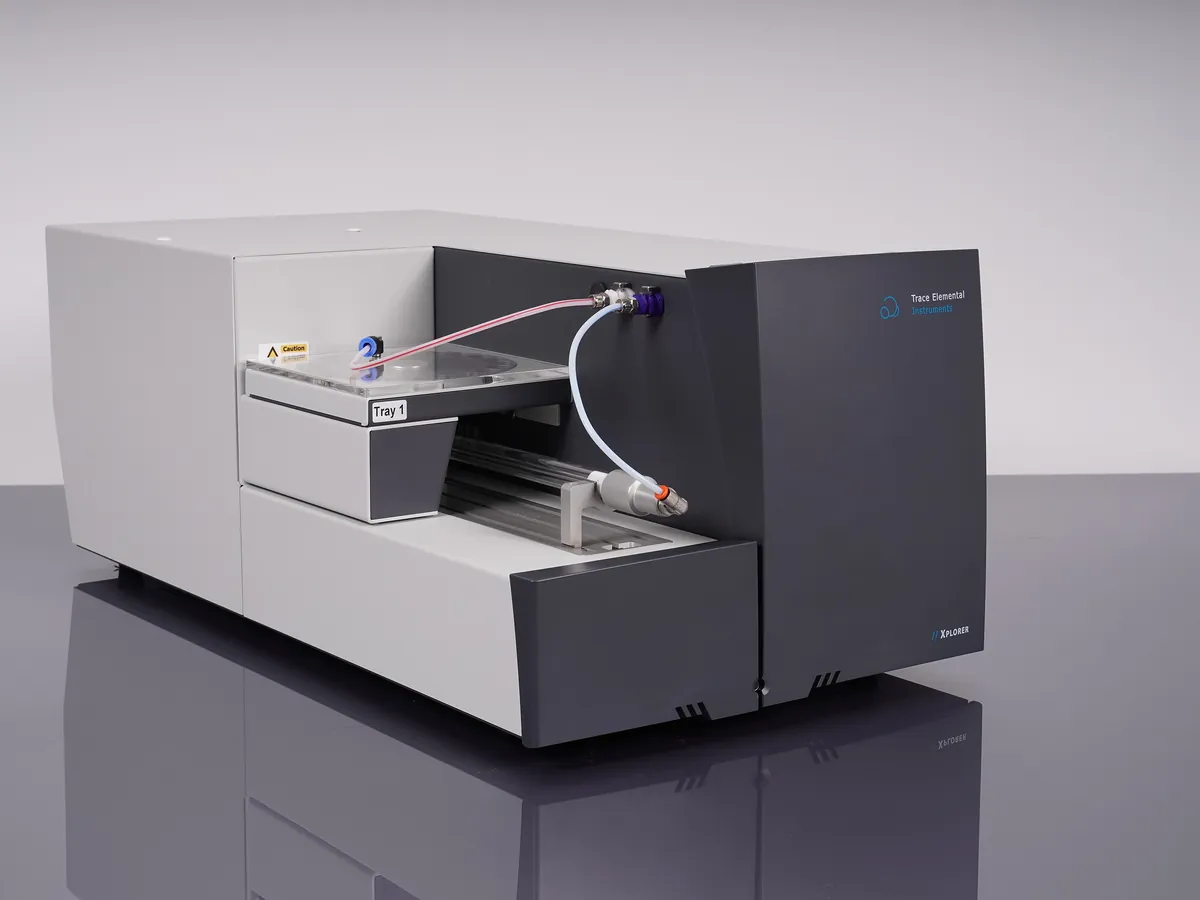
Sulphur analyser calibration procedures
Instrument qualification (DQ · IQ · OQ · PQ)
- 01
DQ — Design qualification
Defines the required range and detection limit (for example 10 mg/kg diesel versus 3% fuel oil), technique (EDXRF, WDXRF or UVF), standards to meet (ASTM D4294, D5453, ISO 20846, ISO 20884), autosampler, radiation safety and data integrity needs.
- 02
IQ — Installation qualification
Confirms installation, gas and power connections, radiation registration (XRF), leak tests, software version and documentation.
- 03
OQ — Operational qualification
Checks furnace temperature and gas flows (UVF) or X-ray tube stability and detector resolution (XRF), calibration linearity, detection limit and repeatability.
- 04
PQ — Performance qualification
Measures certified reference materials near the specification limit and across the range, and tracks a QC check sample on a control chart in routine use.
Keep every Sulphur analyser in control: usage logs, calibration and maintenance schedules, and automatic blocking of overdue instruments.