Petroleum testing
Sulphur Analyser (XRF / UV Fluorescence)
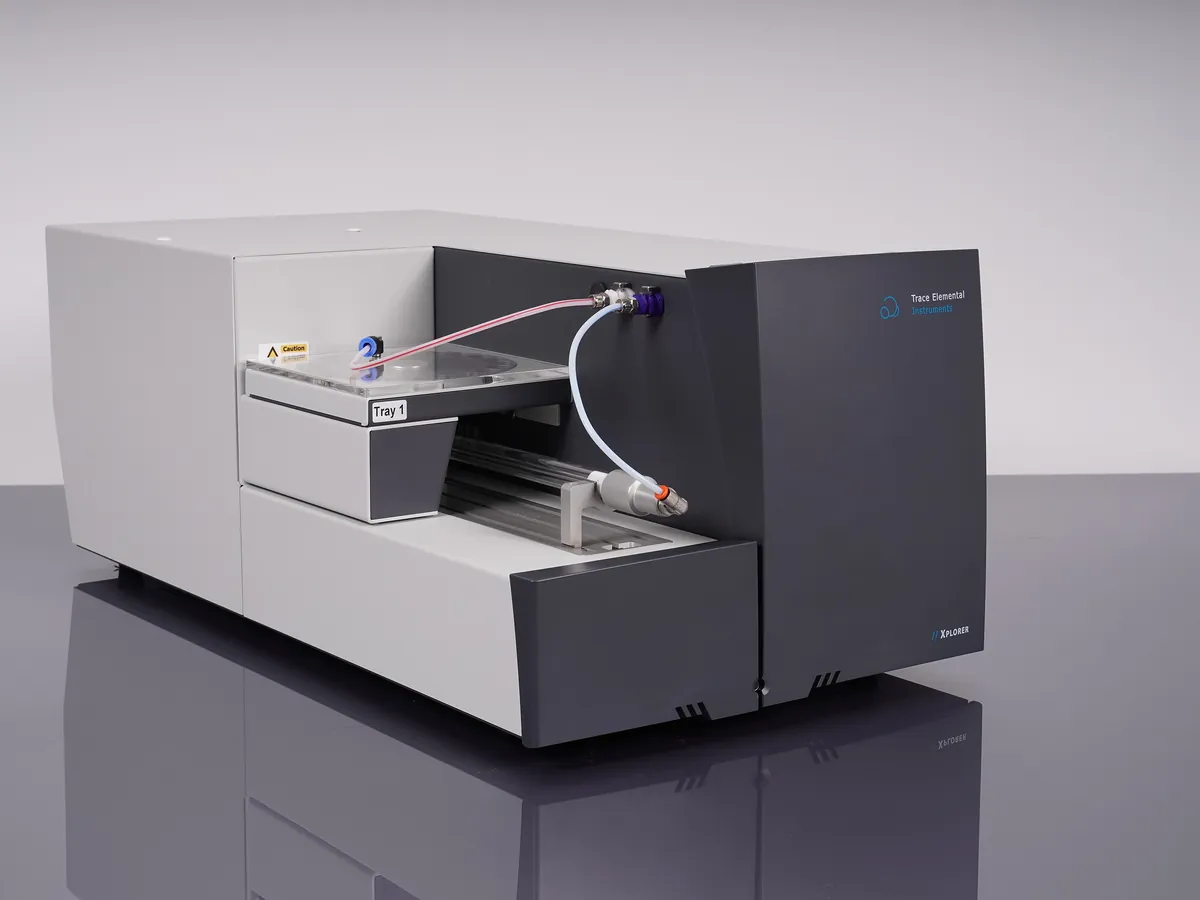
Measures total sulphur in fuels and oils, either by X-ray fluorescence (fast, non-destructive, from tens of mg/kg to several per cent) or by combustion and ultraviolet fluorescence (very low levels, down to about 1 mg/kg).
- Petroleum refining
- Fuel terminals
- Marine fuel testing
- Regulatory and customs labs
- Biofuel production
- Independent testing laboratories
TROUBLESHOOTING
Common problems, causes and fixes
Low results on UVF
Likely causes
- • Incomplete combustion (soot)
- • Leak in the gas line
- • Membrane dryer failing
- • Air bubble in syringe
What to do
- • Slow the injection rate and check oxygen flow
- • Leak-test fittings
- • Replace the dryer
- • Draw sample carefully without bubbles
High blank on UVF
Likely causes
- • Contaminated solvent or syringe
- • Carry-over from a high-sulphur sample
What to do
- • Use fresh sulphur-free solvent
- • Rinse thoroughly and run extra blanks
XRF results drift
Likely causes
- • X-ray tube or detector ageing
- • Window film type changed
- • Helium supply low
What to do
- • Run drift correction or recalibrate
- • Use the same film type as calibration
- • Replace helium cylinder
XRF results biased for some samples
Likely causes
- • Matrix differs from calibration standards (oxygenates, biodiesel, heavy oil)
- • Sample cup underfilled
What to do
- • Use matrix-matched standards or the correct calibration
- • Fill cups to the specified depth
Poor repeatability
Likely causes
- • Inconsistent injection volume
- • Sample not homogeneous (water, sediment)
- • Wrinkled window film
What to do
- • Use autosampler or check syringe
- • Mix sample well
- • Refit film carefully
In LimsPulse · Calibration Management
Keep every Sulphur analyser in control: usage logs, calibration and maintenance schedules, and automatic blocking of overdue instruments.