Petroleum testing
Sulphur Analyser (XRF / UV Fluorescence)
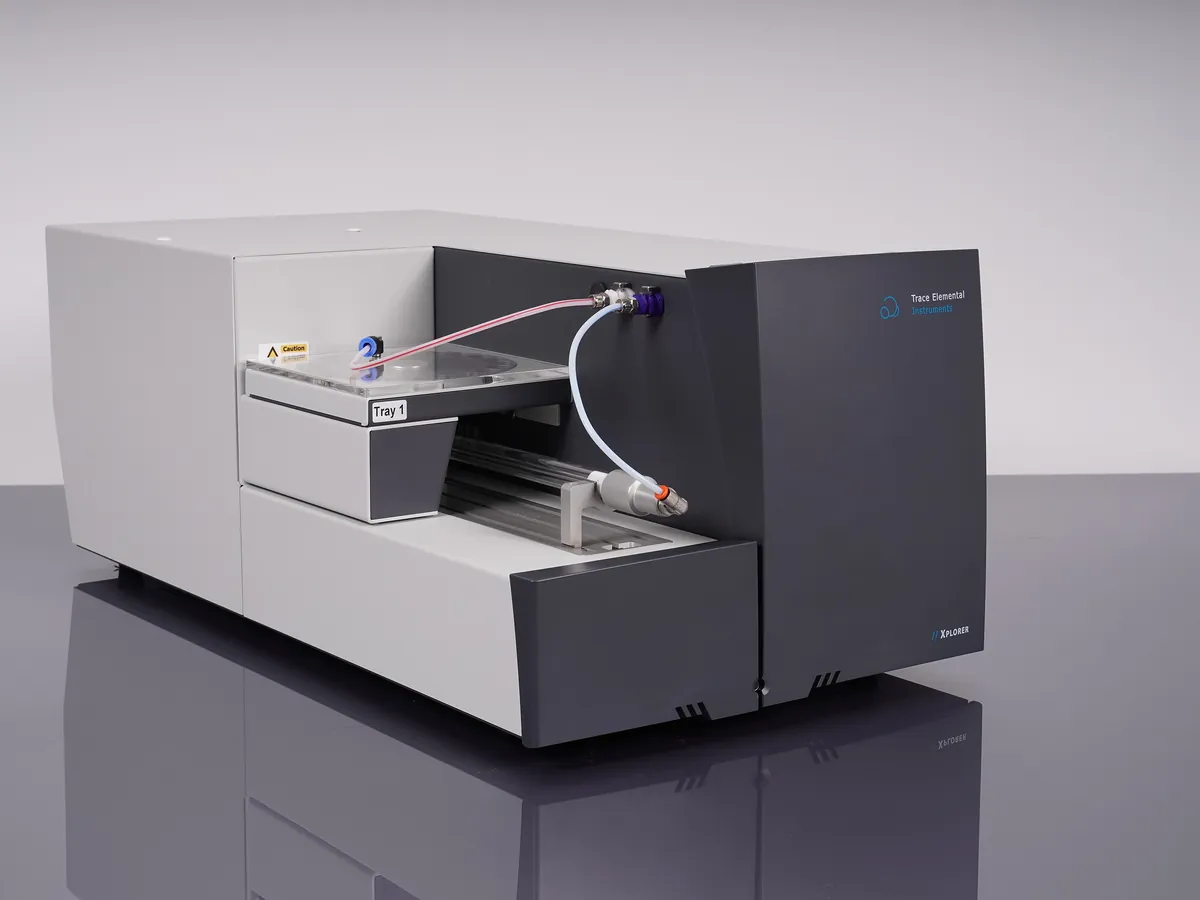
Measures total sulphur in fuels and oils, either by X-ray fluorescence (fast, non-destructive, from tens of mg/kg to several per cent) or by combustion and ultraviolet fluorescence (very low levels, down to about 1 mg/kg).
- Petroleum refining
- Fuel terminals
- Marine fuel testing
- Regulatory and customs labs
- Biofuel production
- Independent testing laboratories
Follow your site SOP
This is a typical operating sequence for learning. Your instrument model and approved SOP take precedence.
STAGE 1
Before you start
- 1Check the calibration is in date and run a QC check standard at a level near the specification limit.
- 2XRF: check the helium supply (if used), the window film type and that the X-ray tube has warmed up.
- 3UVF: check gas pressures, furnace temperature, the combustion tube condition and the membrane dryer.
- 4Mix samples well; for volatile fuels keep them cool and closed.
- Do not bypass X-ray safety interlocks or open covers on the X-ray source.
STAGE 2
Calibration
- 1Prepare or obtain standards covering the range of interest in a matrix similar to the samples.
- 2Measure a blank and each standard; build the calibration line in the software.
- 3Check linearity and the calculated value of an independent check standard.
- Using standards in the wrong matrix (for example toluene standards for heavy fuel oil on XRF) gives biased results.
STAGE 3
Measuring samples
- 1XRF: fill a clean cup to the specified depth, fit a fresh film without wrinkles, check for leaks and measure (often in duplicate).
- 2UVF: rinse the syringe with sample, draw the set volume without bubbles, record the volume or mass injected, and inject at the set rate.
- 3Run a QC check at the start, at intervals and at the end of each batch.
- 4Report in mg/kg or % m/m with the method used.
- UVF: injecting too fast causes incomplete combustion and soot, giving low results and contaminating the tube.
STAGE 4
After use
- 1XRF: dispose of used cups and films as hazardous waste; check the instrument window for spills.
- 2UVF: run blanks to clear the system; leave gases on standby as the manual advises.
- 3Record results, QC values and any maintenance in the logbook or LIMS.
In LimsPulse · Calibration Management
Keep every Sulphur analyser in control: usage logs, calibration and maintenance schedules, and automatic blocking of overdue instruments.