Spectroscopy
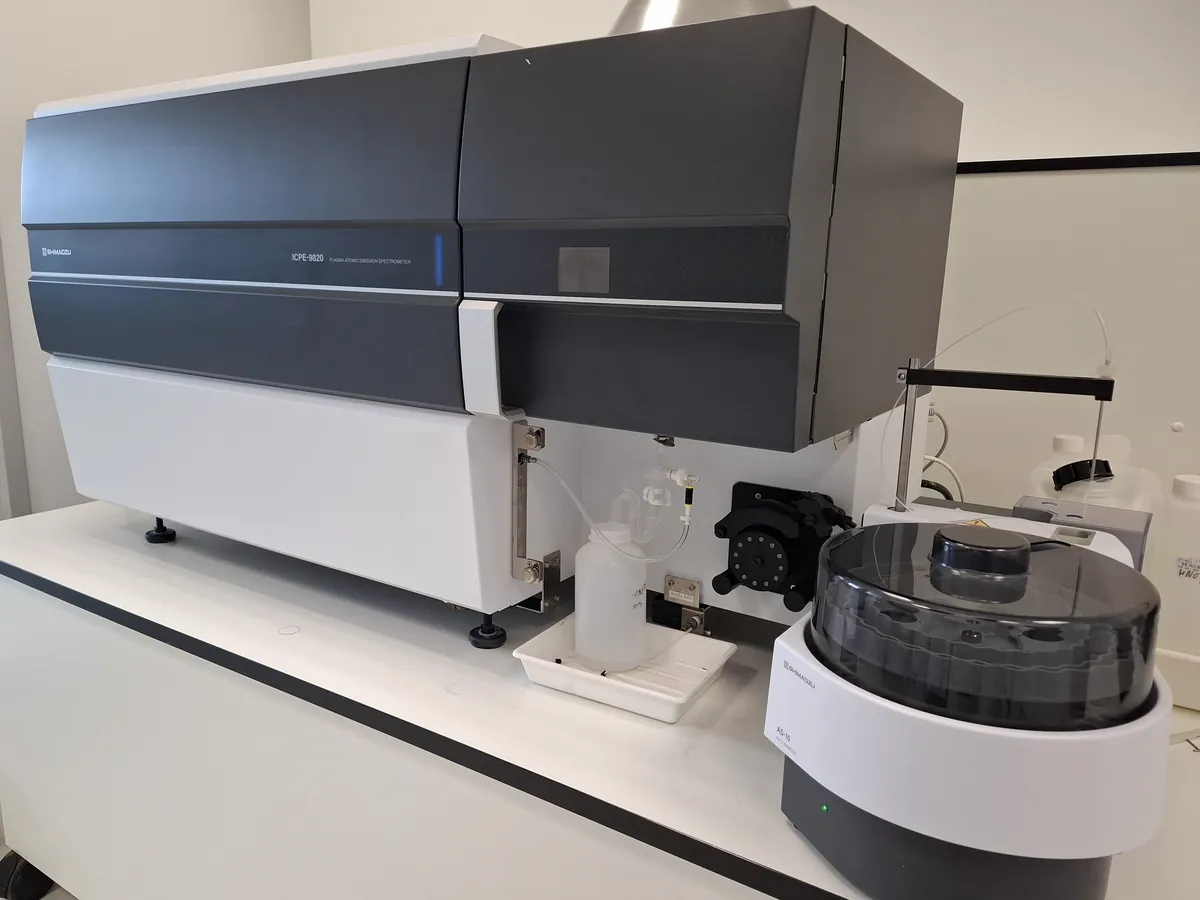
Inductively Coupled Plasma Optical Emission Spectrometer (ICP-OES)
Excites atoms in an argon plasma at about 6000–10,000 K and measures the light each element emits. Measures many elements at once from trace to percent levels.
- Pharmaceutical
- Environmental
- Food & beverage
- Petrochemical
- Mining & metallurgy
- Chemicals
PREVENTIVE MAINTENANCE
Maintenance checklist
Daily / each use
- Check pump tubing and replace if flattened
- Check nebuliser spray pattern
- Run performance check / wavelength calibration
- Empty drain container
Weekly
- Clean torch, injector and spray chamber (frequency depends on workload)
- Check for salt build-up on the torch
- Clean autosampler probe
Monthly / quarterly
- Clean or replace optical window / cone
- Check chiller water level and filters
- Check exhaust flow
Six-monthly / annual
- Preventive maintenance by service engineer
- Calibration of wavelength and detection limits
- Check RF generator and gas flows
SAFETY
Safety precautions
Before you work on the ICP-OES
- The plasma emits intense UV light and RF energy: keep the torch box closed while running.
- Torch and load coil are very hot after shutdown; let them cool before handling.
- Use the exhaust: plasma exhaust contains ozone and metal vapours.
- Handle concentrated acids (nitric, hydrochloric, hydrofluoric) in a fume hood with acid-resistant gloves and face protection.
- Secure argon cylinders or dewars; argon can displace oxygen in closed rooms.
In LimsPulse · Calibration Management
Keep every ICP-OES in control: usage logs, calibration and maintenance schedules, and automatic blocking of overdue instruments.