Dosage-form testing
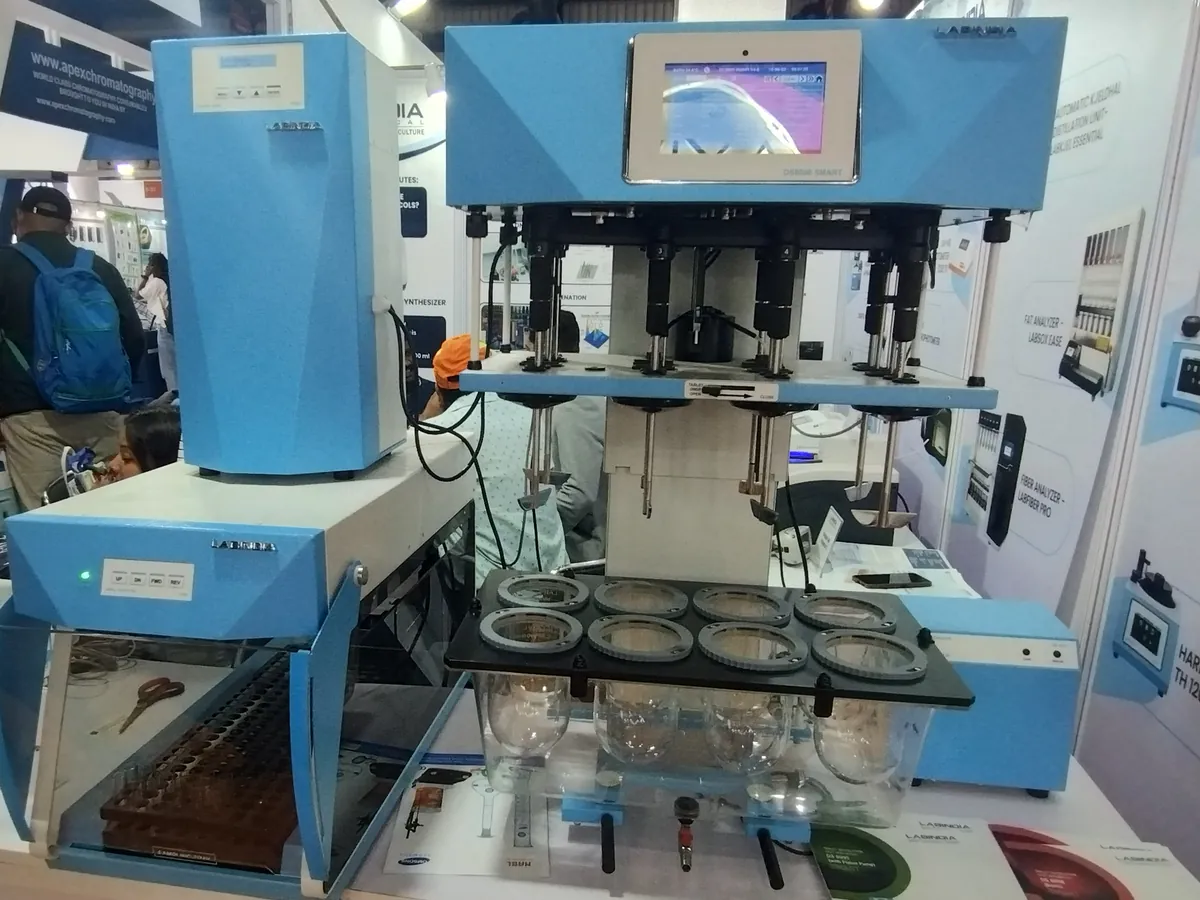
Dissolution Test Apparatus
Measures how fast and how completely the drug is released from a tablet or capsule into a liquid medium held at body temperature. A key quality and release test for oral solid dosage forms.
- Pharmaceutical
- Generic drug development
- Nutraceuticals and dietary supplements
- Veterinary medicines
- Contract research and testing labs
TROUBLESHOOTING
Common problems, causes and fixes
Results lower than expected or highly variable
Likely causes
- • Dissolved air forming bubbles on the unit or basket
- • Coning of powder under the paddle
- • Vessel not centred or shaft wobbling
- • Incorrect paddle or basket height
What to do
- • Deaerate the medium as per the method
- • Confirm coning is real and discuss with method owners (the method, not the analyst, decides on changes)
- • Recheck centring, wobble and height
- • Repeat the mechanical calibration
One vessel always gives different results
Likely causes
- • Scratched or deformed vessel
- • Damaged paddle or bent shaft at that position
- • Vessel not seated in its centring ring
- • Local temperature difference
What to do
- • Swap the vessel and paddle to another position to find the cause
- • Replace the damaged part
- • Check temperature in that vessel with a calibrated probe
Results higher than expected
Likely causes
- • Vibration from nearby equipment or a worn drive
- • Sampling too close to the paddle
- • Rotation speed too high
- • Evaporation of medium without covers
What to do
- • Isolate the bench from vibration sources
- • Use the correct sampling position
- • Verify speed with a tachometer
- • Use vessel covers
Temperature out of range
Likely causes
- • Low bath water level
- • Heater or circulator fault
- • Medium added cold
- • Faulty temperature sensor
What to do
- • Top up the bath
- • Service the heater or pump
- • Pre-warm the medium
- • Check the sensor against a calibrated thermometer
Units floating
Likely causes
- • Capsule shells trapping air
- • Low-density formulation
What to do
- • Use the sinker type specified or permitted by the method
- • Use the basket apparatus only if the method allows it
Filter blocked or slow sampling
Likely causes
- • High excipient load
- • Unsuitable filter pore size or material
What to do
- • Use the validated filter and pre-filter if the method allows
- • Check filter compatibility and adsorption during validation
Failed performance verification test
Likely causes
- • Mechanical parameters at the edge of tolerance
- • Poor deaeration
- • Vibration
- • Analyst technique (timing, sampling, filtration)
What to do
- • Repeat the mechanical checks
- • Review deaeration and sampling
- • Investigate as per your SOP before repeating; do not just retest until it passes
In LimsPulse · Calibration Management
Keep every Dissolution tester in control: usage logs, calibration and maintenance schedules, and automatic blocking of overdue instruments.