Environmental monitoring
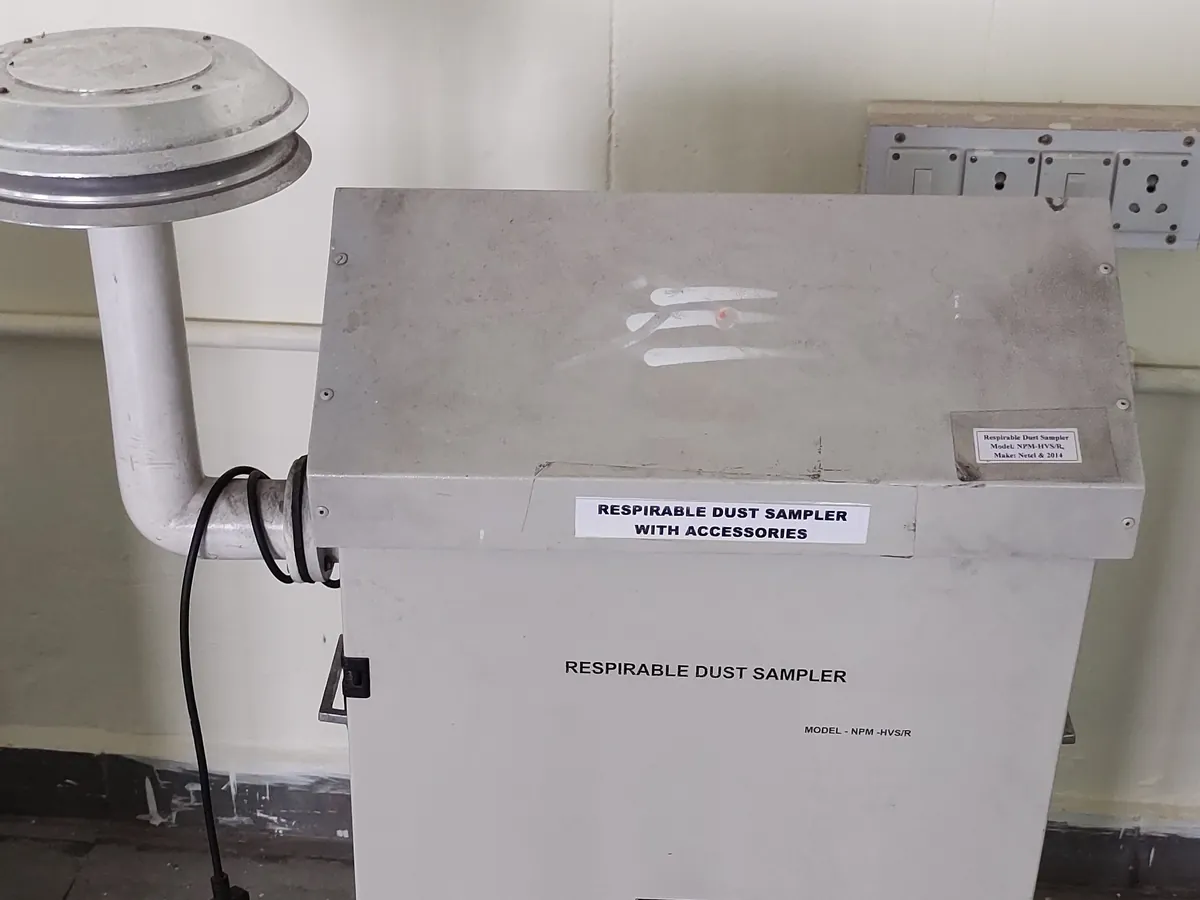
Particulate Matter (PM10 / PM2.5) Sampler
Draws a known volume of ambient air through a size-selective inlet and a filter so that the mass of PM10 or PM2.5 particles collected can be weighed and expressed as µg/m³.
- Environmental monitoring agencies and pollution control boards
- Environmental consultancies
- Mining, cement, power and steel
- Research institutions
- Construction and infrastructure projects
TROUBLESHOOTING
Common problems, causes and fixes
Flow drops during the run
Likely causes
- • Heavy filter loading
- • Pump wear
- • Leak in the filter holder
What to do
- • Shorten the run or use a different filter type for very dusty sites
- • Service the pump
- • Check and replace O-rings; leak check
Negative or very low mass gain
Likely causes
- • Filter lost fibres or was damaged
- • Different conditioning between weighings
- • Static charge on PTFE filters
What to do
- • Handle filters gently; reject damaged filters
- • Keep the weighing room conditions stable
- • Use an anti-static device before weighing
Unusually high result
Likely causes
- • Inlet not cleaned, so coarse particles bounced through
- • Sampler near a local source
- • Filter contaminated during handling
What to do
- • Clean and re-grease the impactor
- • Review the siting
- • Use field blanks and careful handling
Flow rate check fails
Likely causes
- • Flow sensor drift
- • Wrong temperature or pressure inputs
- • Leak between transfer standard and sampler
What to do
- • Recalibrate the flow sensor
- • Check ambient T and P sensors
- • Seal the adapter and repeat
Sampler stops early
Likely causes
- • Power failure
- • Motor overload or thermal cut-out
What to do
- • Check the supply and use a stable connection
- • Service the motor; check ventilation
In LimsPulse · Calibration Management
Keep every PM sampler in control: usage logs, calibration and maintenance schedules, and automatic blocking of overdue instruments.