Environmental monitoring
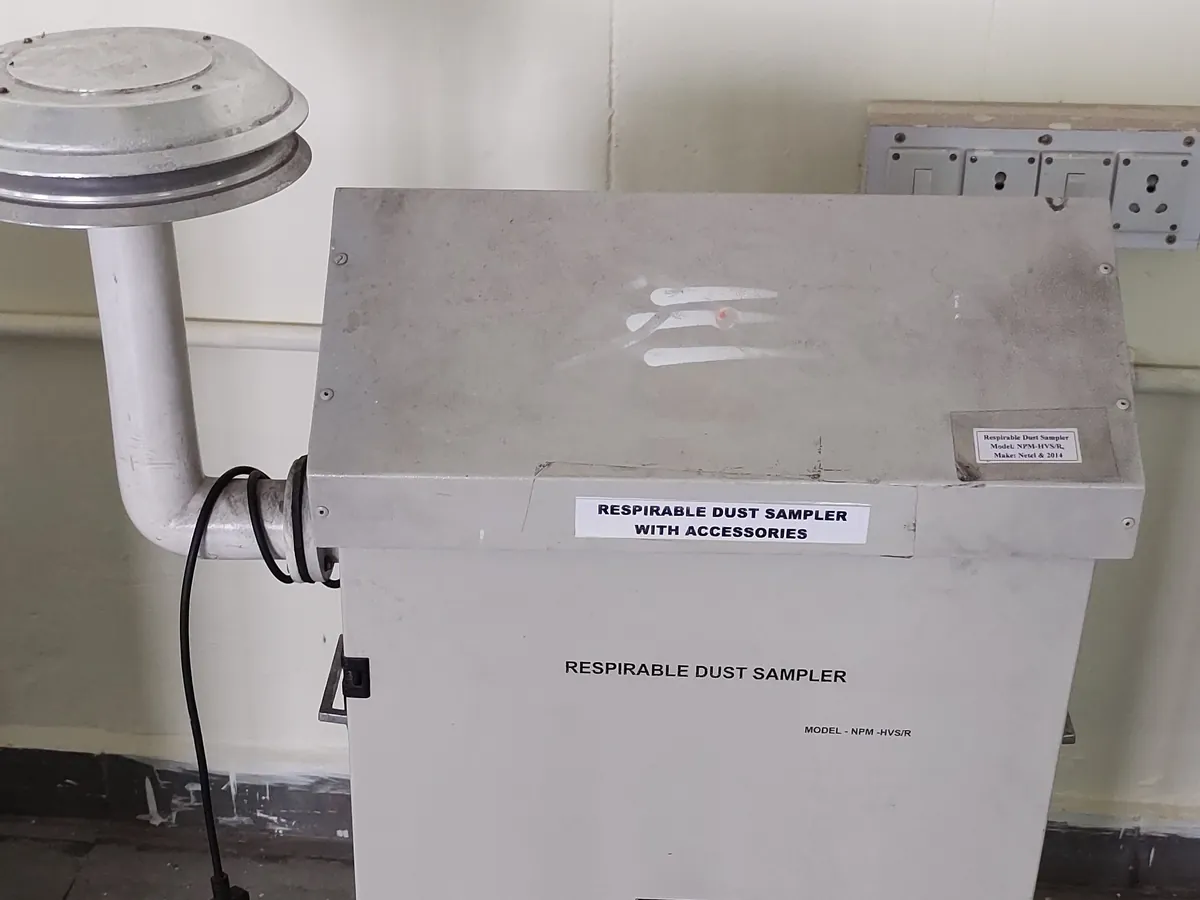
Particulate Matter (PM10 / PM2.5) Sampler
Draws a known volume of ambient air through a size-selective inlet and a filter so that the mass of PM10 or PM2.5 particles collected can be weighed and expressed as µg/m³.
- Environmental monitoring agencies and pollution control boards
- Environmental consultancies
- Mining, cement, power and steel
- Research institutions
- Construction and infrastructure projects
Follow your site SOP
This is a typical operating sequence for learning. Your instrument model and approved SOP take precedence.
STAGE 1
Filter preparation
- 1Inspect filters for pinholes and tears and number them.
- 2Condition filters in the weighing room for at least 24 hours.
- 3Weigh each filter on a calibrated balance (microbalance for 47 mm filters) and record the initial mass.
- 4Store weighed filters in labelled cassettes or petri slides.
- Handle filters only with flat-tipped tweezers; never touch with fingers.
STAGE 2
Field set-up
- 1Site the sampler away from obstructions, typically with the inlet about 2–5 m above ground and well clear of trees and walls, as per the siting guidance in use.
- 2Clean the inlet and impactor, and re-grease or replace the impaction surface as per manual.
- 3Load the filter, close the holder and run a leak check.
- 4Check the flow rate against a transfer standard if the schedule requires.
STAGE 3
Sampling
- 1Start the 24-hour run and record start time, flow and weather conditions.
- 2At the end, record the total volume, elapsed time and any flow alarms.
- 3Remove the filter, place it in its cassette and transport it cool and protected to the lab.
- Reject runs with large flow excursions or power cuts beyond the allowed limit.
STAGE 4
Post-sampling weighing
- 1Condition the exposed filter for at least 24 hours under the same conditions as before.
- 2Weigh and record the final mass.
- 3Calculate concentration in µg/m³ and complete field and lab blank records.
In LimsPulse · Calibration Management
Keep every PM sampler in control: usage logs, calibration and maintenance schedules, and automatic blocking of overdue instruments.