Thermal analysis & ovens
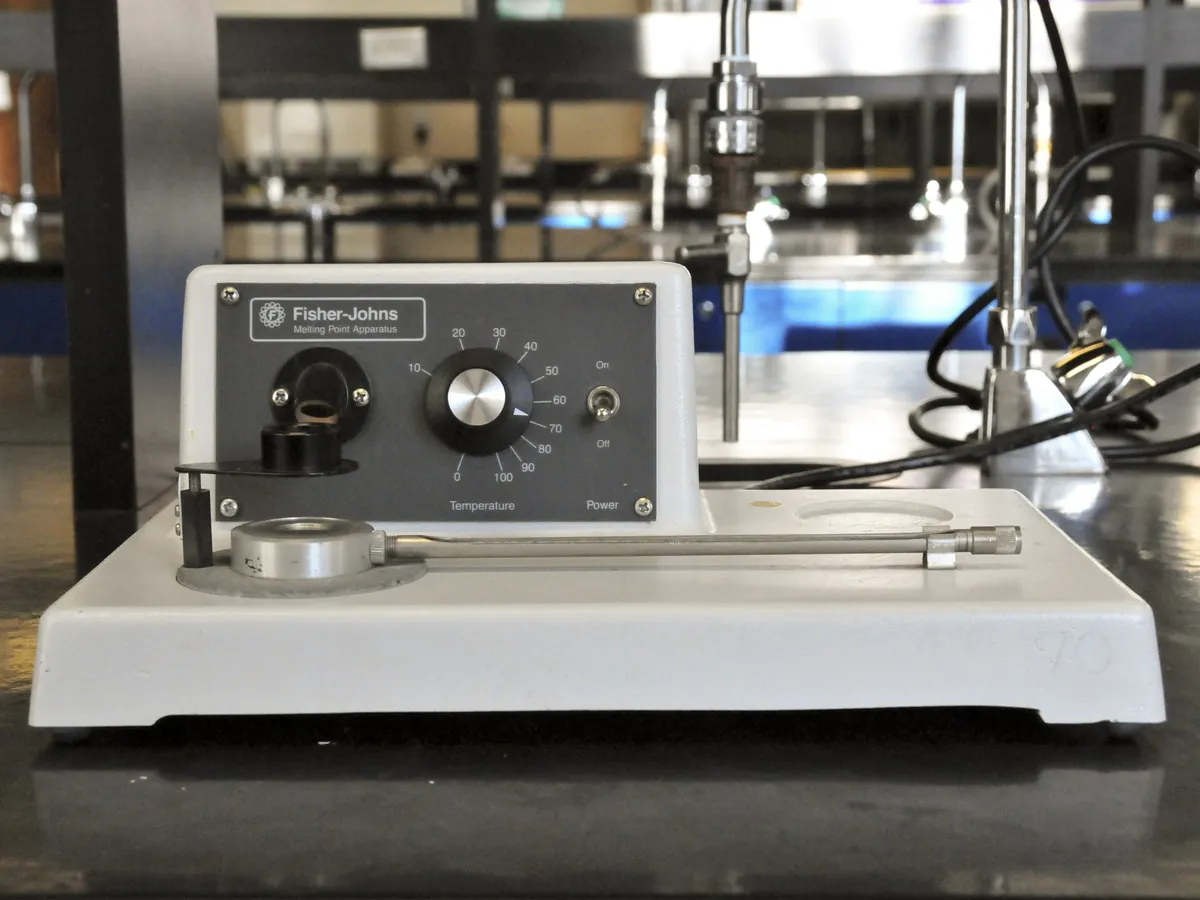
Melting Point Apparatus
Heats a sample packed in a thin glass capillary at a slow, controlled rate and records the temperatures at which it starts and finishes melting. Used for identity and purity checks of APIs and excipients.
- Pharmaceutical
- Fine chemicals
- Agrochemicals
- Dyes and pigments
- Academic labs
TROUBLESHOOTING
Common problems, causes and fixes
Melting points consistently too high
Likely causes
- • Heating rate too fast
- • Capillary too thick-walled or too wide
- • Sensor out of calibration
What to do
- • Use the specified ramp rate
- • Use pharmacopoeial capillaries
- • Calibrate with reference standards
Wide melting range
Likely causes
- • Sample impure or not dried
- • Powder too coarse or loosely packed
- • Column too tall
What to do
- • Dry the sample as per the monograph
- • Grind finely and pack well
- • Fill to about 3 mm only
Duplicates disagree
Likely causes
- • Different packing in each capillary
- • Capillaries inserted at different start temperatures
What to do
- • Pack each capillary the same way
- • Insert all capillaries at the same stabilised start temperature
Sample darkens or bubbles before melting
Likely causes
- • Melting with decomposition
- • Residual solvent or moisture
What to do
- • Follow the monograph instructions for decomposing substances
- • Dry the sample properly
Automatic detection gives a wrong point
Likely causes
- • Dirty window or poor lighting
- • Sample shrinks or sublimes before melting
What to do
- • Clean the optics
- • Review the video and confirm visually; set the evaluation threshold as validated
In LimsPulse · Calibration Management
Keep every Melting point apparatus in control: usage logs, calibration and maintenance schedules, and automatic blocking of overdue instruments.