Thermal analysis & ovens
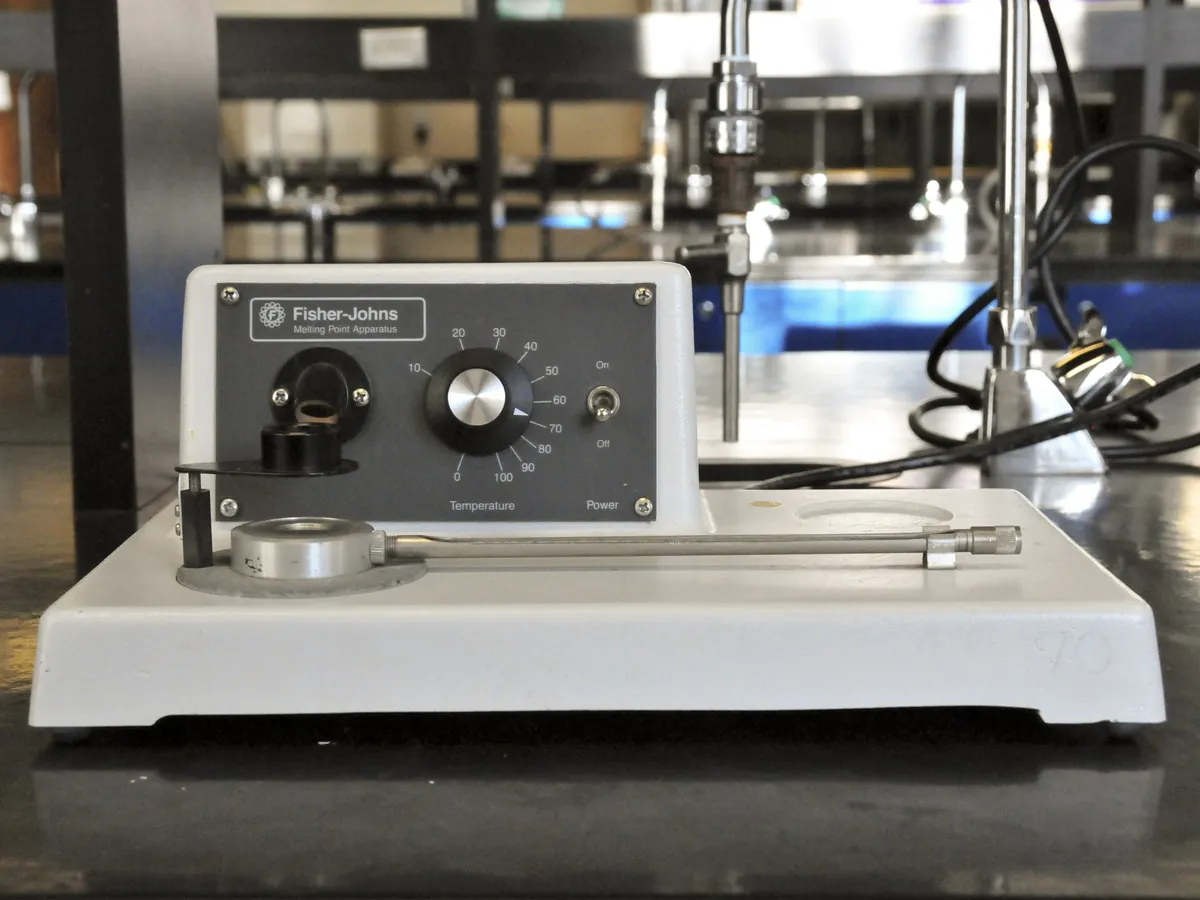
Melting Point Apparatus
Heats a sample packed in a thin glass capillary at a slow, controlled rate and records the temperatures at which it starts and finishes melting. Used for identity and purity checks of APIs and excipients.
- Pharmaceutical
- Fine chemicals
- Agrochemicals
- Dyes and pigments
- Academic labs
PREVENTIVE MAINTENANCE
Maintenance checklist
Each use
- Check the block and capillary holes are clean
- Check the light and camera image are clear
Monthly
- Clean the block holes with the cleaning wire supplied
- Clean the viewing lens or camera window
Periodic (as per SOP)
- Calibration with melting point reference standards across the working range
- Check the ramp rate against a stopwatch
Annual
- Preventive maintenance by a service engineer
- Check of the temperature sensor and controller
SAFETY
Safety precautions
Before you work on the Melting point apparatus
- The block can be above 300 °C. Do not touch it and let it cool before cleaning.
- Glass capillaries are sharp; dispose of them in a sharps container.
- Some substances give off toxic vapours on melting; work in a ventilated area.
- Wear safety glasses when packing and handling capillaries.
In LimsPulse · Calibration Management
Keep every Melting point apparatus in control: usage logs, calibration and maintenance schedules, and automatic blocking of overdue instruments.