Chromatography
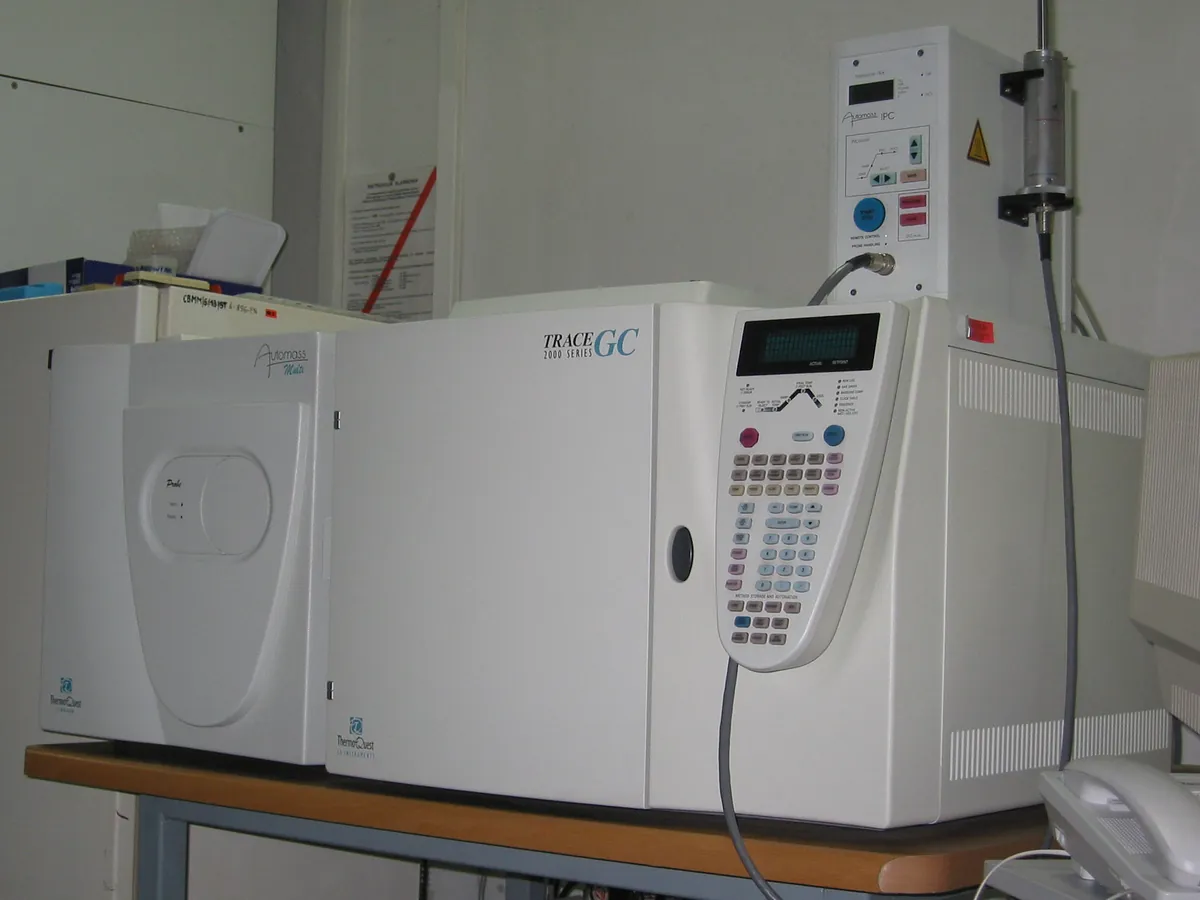
Gas Chromatography–Mass Spectrometry (GC-MS)
Couples a gas chromatograph to a mass spectrometer so each volatile compound is separated and then identified from its fragmentation pattern. Used for unknown volatile impurities, nitrosamines, residual solvent confirmation and extractables.
- Pharmaceutical
- Environmental
- Forensic and toxicology
- Food & flavour
- Petrochemical
- Packaging
PREVENTIVE MAINTENANCE
Maintenance checklist
Daily / each use
- Check carrier gas pressure
- Check vacuum readings
- Review tune or tune-check report
Weekly
- Replace septum and check inlet liner
- Trim the column inlet if peak shape degrades
Monthly / quarterly
- Check rough pump oil (if fitted) and gas ballast
- Replace gas purifier traps as due
- Clean the ion source when sensitivity drops or tune voltages climb
Six-monthly / annual
- Preventive maintenance by a trained engineer
- Replace filament or electron multiplier as needed
- Full calibration and OQ
SAFETY
Safety precautions
Before you work on the GC-MS
- Hydrogen carrier gas is flammable: use leak checks and hydrogen sensors where required; helium cylinders must be chained.
- The inlet, oven, transfer line and source are hot; allow them to cool before maintenance.
- Vent the rough pump exhaust to an extraction system; treat used pump oil as hazardous.
- Handle mutagenic standards (e.g. nitrosamines) with the controls in your site's potent-compound procedure.
In LimsPulse · Calibration Management
Keep every GC-MS in control: usage logs, calibration and maintenance schedules, and automatic blocking of overdue instruments.