Thermometer & Temperature Data Logger
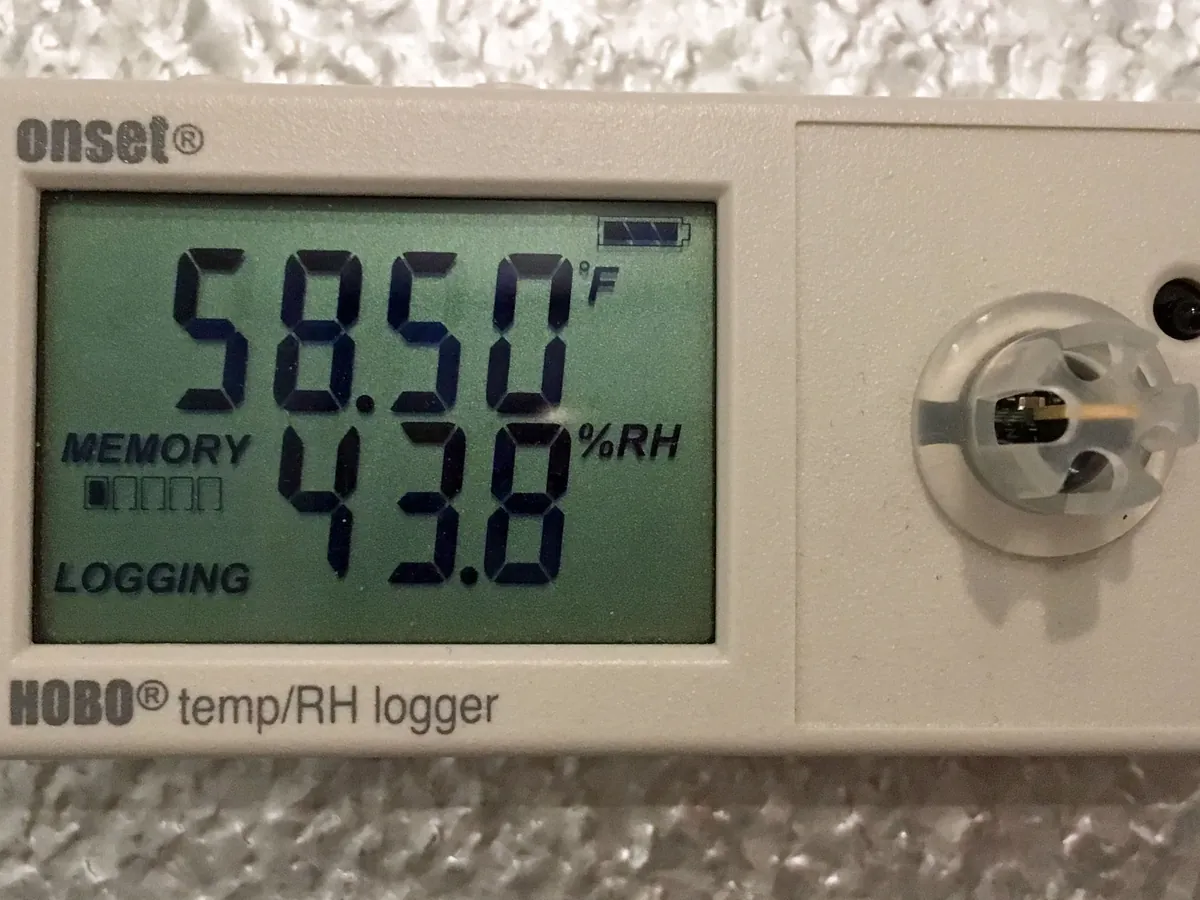
Measures temperature (thermometer) or records it over time (data logger). Used to check water baths, ovens, incubators, fridges, stability chambers and sample temperatures, and to map storage areas.
- Pharmaceutical
- Food
- Logistics
- Clinical labs
- Biotech
How Thermometer / logger works
A temperature sensor converts temperature into a measurable property: electrical resistance (PRT, thermistor), voltage (thermocouple) or liquid expansion (glass thermometer). The electronics convert the signal to °C using a calibration curve. A data logger samples this reading at fixed intervals and stores it with the date and time.
The path of a sample
- 01
Sensing
The sensor reaches the temperature of its surroundings.
- 02
Signal
Resistance, voltage or expansion changes with temperature.
- 03
Conversion
Electronics convert the signal to temperature.
- 04
Recording
A logger stores readings at the set interval.
- 05
Review
Data are downloaded, reviewed and compared with limits.
Main parts and what they do
Sensor / probe
PRT, thermistor or thermocouple element in a sheath.
Display or logger body
Shows or stores readings; includes battery and memory.
Interface and software
Configures the logging interval, downloads data and keeps an audit trail.
Alarm module (optional)
Warns when temperature goes outside limits.
Calibration certificate
Documents corrections and uncertainty from the last calibration.
Terms every analyst should know
Platinum resistance thermometer (PRT)
Platinum's resistance rises steadily with temperature. A Pt100 has 100 Ω at 0 °C. PRTs are stable and accurate, so they are often used as reference thermometers.
Thermocouple
Two different metals joined together produce a small voltage that depends on temperature. Wide range and fast, but less accurate than PRTs.
Thermistor
A semiconductor whose resistance changes strongly with temperature. Very sensitive over a narrow range; common in loggers.
Traceability
The reference thermometer has a calibration certificate from an accredited lab (for example ISO/IEC 17025), linking the measurements to national standards.
Correction and error
Error = reading of the instrument under test minus the true temperature (reference reading plus its certified correction).
Keep every Thermometer / logger in control: usage logs, calibration and maintenance schedules, and automatic blocking of overdue instruments.