General lab & storage
Refrigerator / deep freezer
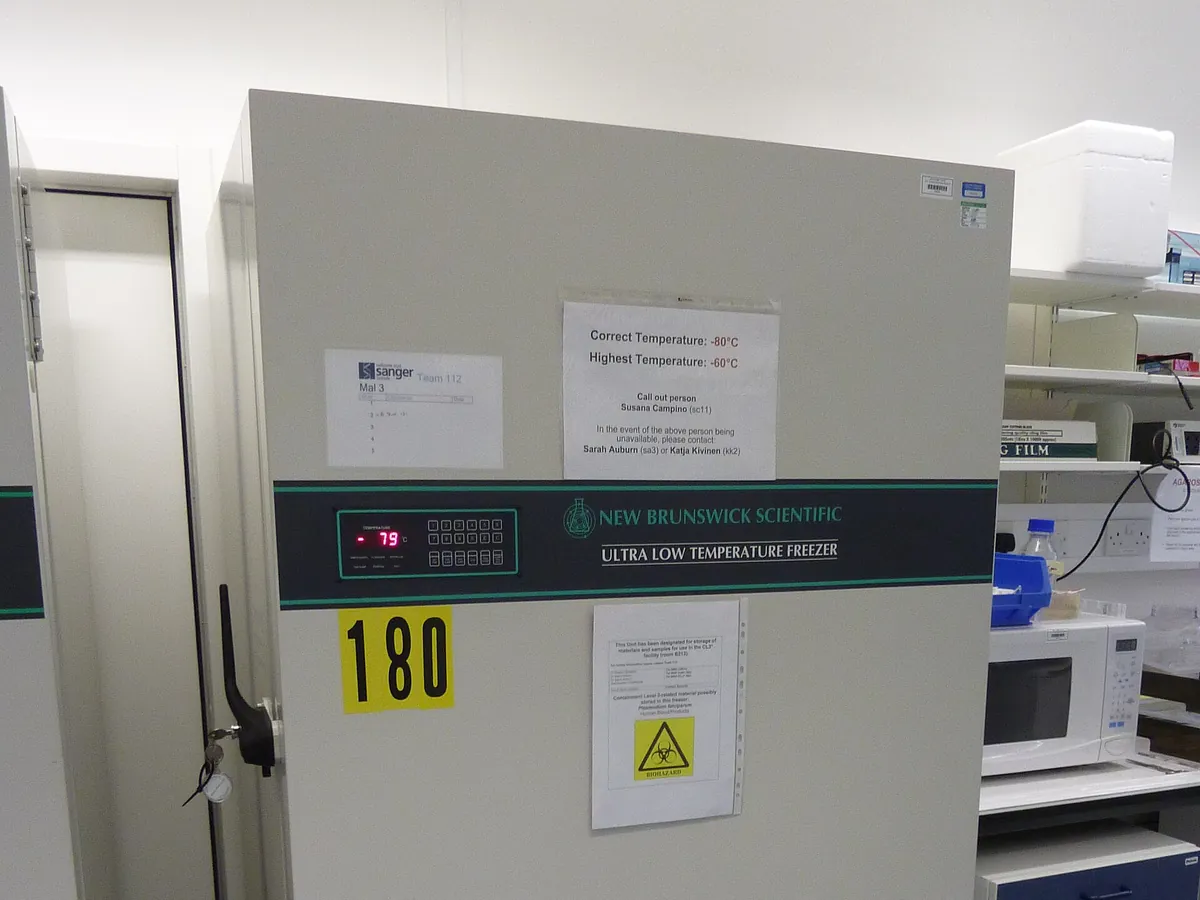
Pharmaceutical-grade cold storage for reference standards, reagents, culture media, samples and temperature-sensitive products, typically at 2–8 °C (refrigerator), −20 °C (freezer) or −80 °C (ultra-low).
- Pharmaceutical
- Biotech
- Hospitals & blood banks
- Clinical research
- Food testing
TROUBLESHOOTING
Common problems, causes and fixes
Temperature too high
Likely causes
- • Door left open or not sealing
- • Dirty condenser
- • Overloading blocking airflow
- • Compressor fault
What to do
- • Close the door and replace a worn gasket
- • Clean the condenser
- • Reduce the load
- • Call service
Temperature below 2 °C in a refrigerator (risk of freezing)
Likely causes
- • Controller set point drifted
- • Items touching the cold evaporator plate
- • Room very cold
What to do
- • Recalibrate or reset the controller
- • Move items away from the cold plate
- • Relocate the unit
Heavy ice build-up in freezer
Likely causes
- • Frequent door opening
- • Door seal leaking
- • Defrost failure
What to do
- • Reduce door openings
- • Replace the seal
- • Defrost and service the unit
Logger and display disagree
Likely causes
- • Probes in different positions
- • Air probe versus buffered probe
- • Calibration drift
What to do
- • Compare positions with the mapping report
- • Remember buffered probes respond more slowly
- • Calibrate both against a reference
Frequent alarms
Likely causes
- • Alarm limits too tight or no delay
- • Defrost cycle
- • Unit near a heat source
What to do
- • Set justified alarm limits and delay
- • Check defrost schedule
- • Relocate the unit
In LimsPulse · Calibration Management
Keep every Fridge / freezer in control: usage logs, calibration and maintenance schedules, and automatic blocking of overdue instruments.