General lab & storage
Refrigerator / deep freezer
Pharmaceutical-grade cold storage for reference standards, reagents, culture media, samples and temperature-sensitive products, typically at 2–8 °C (refrigerator), −20 °C (freezer) or −80 °C (ultra-low).
- Pharmaceutical
- Biotech
- Hospitals & blood banks
- Clinical research
- Food testing
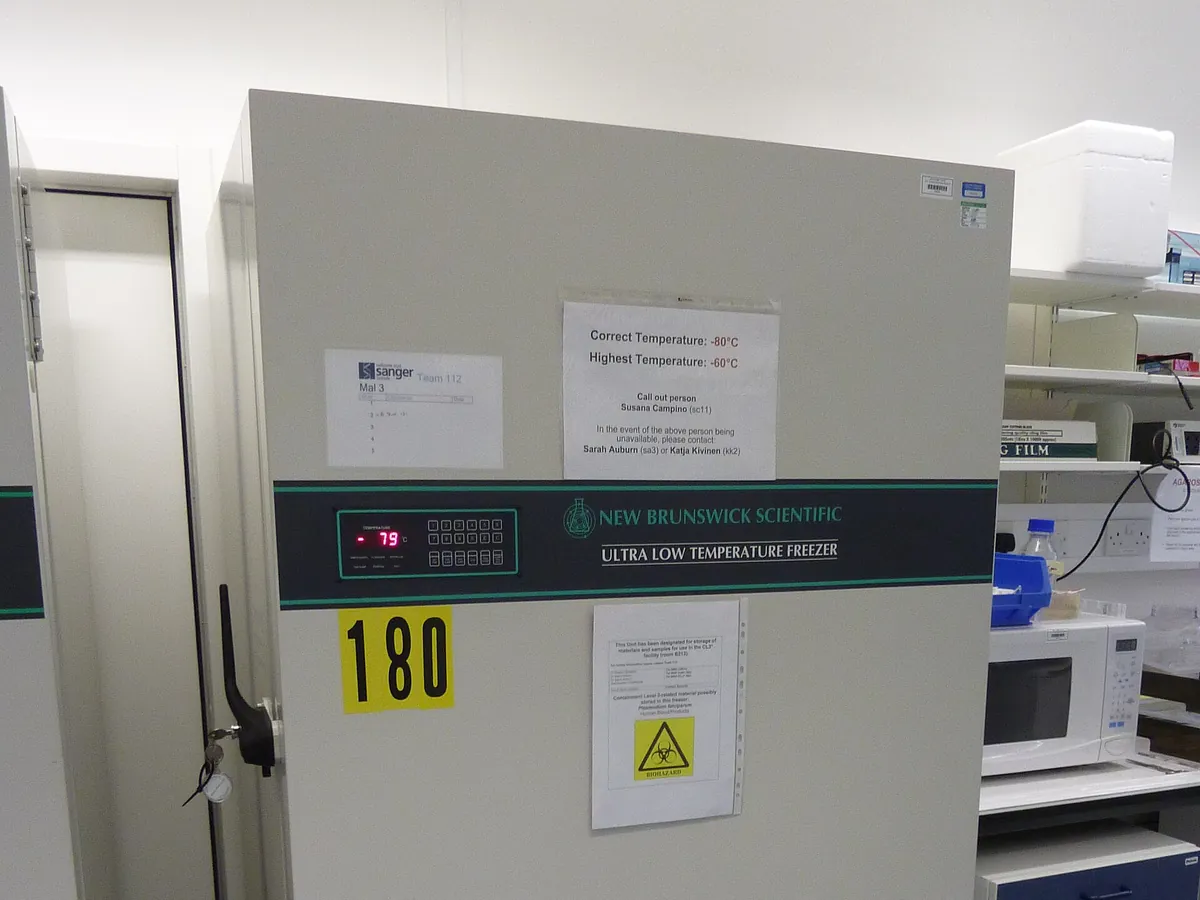
Follow your site SOP
This is a typical operating sequence for learning. Your instrument model and approved SOP take precedence.
STAGE 1
Before use
- 1Check the unit is mapped, calibrated and within due dates, and showing a temperature within range.
- 2Check the data logger is recording and the alarm is active.
- Do not store material in a newly installed unit until it has stabilised and been qualified.
STAGE 2
Storing material
- 1Store items only in the zones approved by mapping; avoid door shelves and positions right next to the cooling plate or fan.
- 2Leave space between items and walls for air to flow.
- 3Label items with name, lot, storage condition and expiry, and keep an inventory.
- 4Close the door promptly and confirm it seals.
- Never store food or drink in a lab refrigerator.
- Never store flammable solvents unless the unit is rated as flammable-safe (spark-free).
STAGE 3
Daily monitoring
- 1Record current, minimum and maximum temperatures (or review the electronic record) and sign the log.
- 2Reset the min/max memory after reading if a manual thermometer is used.
- 3Raise a deviation for any reading outside the range.
STAGE 4
Excursion or failure
- 1Keep the door closed and find the cause (power, door ajar, compressor fault).
- 2Move material to a qualified backup unit if the fault cannot be fixed quickly.
- 3Quarantine affected material and assess its stability data before release or use.
In LimsPulse · Calibration Management
Keep every Fridge / freezer in control: usage logs, calibration and maintenance schedules, and automatic blocking of overdue instruments.