Chromatography
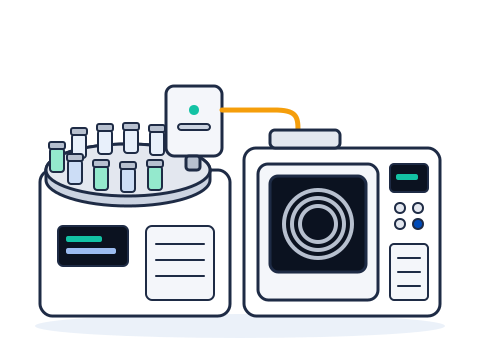
GC Headspace Sampler
Heats a sealed vial containing the sample so volatile compounds move into the gas above it, then injects a portion of that gas into the GC. The standard way to test residual solvents without putting the sample matrix into the GC.
- Pharmaceutical
- Packaging
- Food & beverage
- Environmental
- Forensic
PREVENTIVE MAINTENANCE
Maintenance checklist
Daily / each use
- Check carrier and vial-pressurisation gas supply
- Run a blank to check for carry-over
- Inspect the sampling needle for bends
Monthly
- Leak-test the sampler pneumatics with the built-in test
- Clean or replace the sampling needle if carry-over appears
- Check transfer-line connection at the GC inlet
Six-monthly / annual
- Preventive maintenance by a trained engineer (valve rotor, loop, needle seals)
- Verify oven temperature with a calibrated probe as per your SOP
SAFETY
Safety precautions
Before you work on the Headspace
- Heated vials are under pressure: let them cool before removing caps.
- Diluents such as DMSO, DMF and DMA are absorbed through skin and DMF/DMA are reproductive toxins; wear suitable gloves and work in a fume hood.
- Residual solvent standards include toxic Class 1 and Class 2 solvents (e.g. benzene); handle them in a hood and dispose of them as hazardous waste.
- The oven and transfer line are hot; do not touch during operation.
- Use a crimper correctly and wear safety glasses in case a vial breaks.
In LimsPulse · Calibration Management
Keep every Headspace in control: usage logs, calibration and maintenance schedules, and automatic blocking of overdue instruments.