Franz Diffusion Cell (Vertical Diffusion Cell)
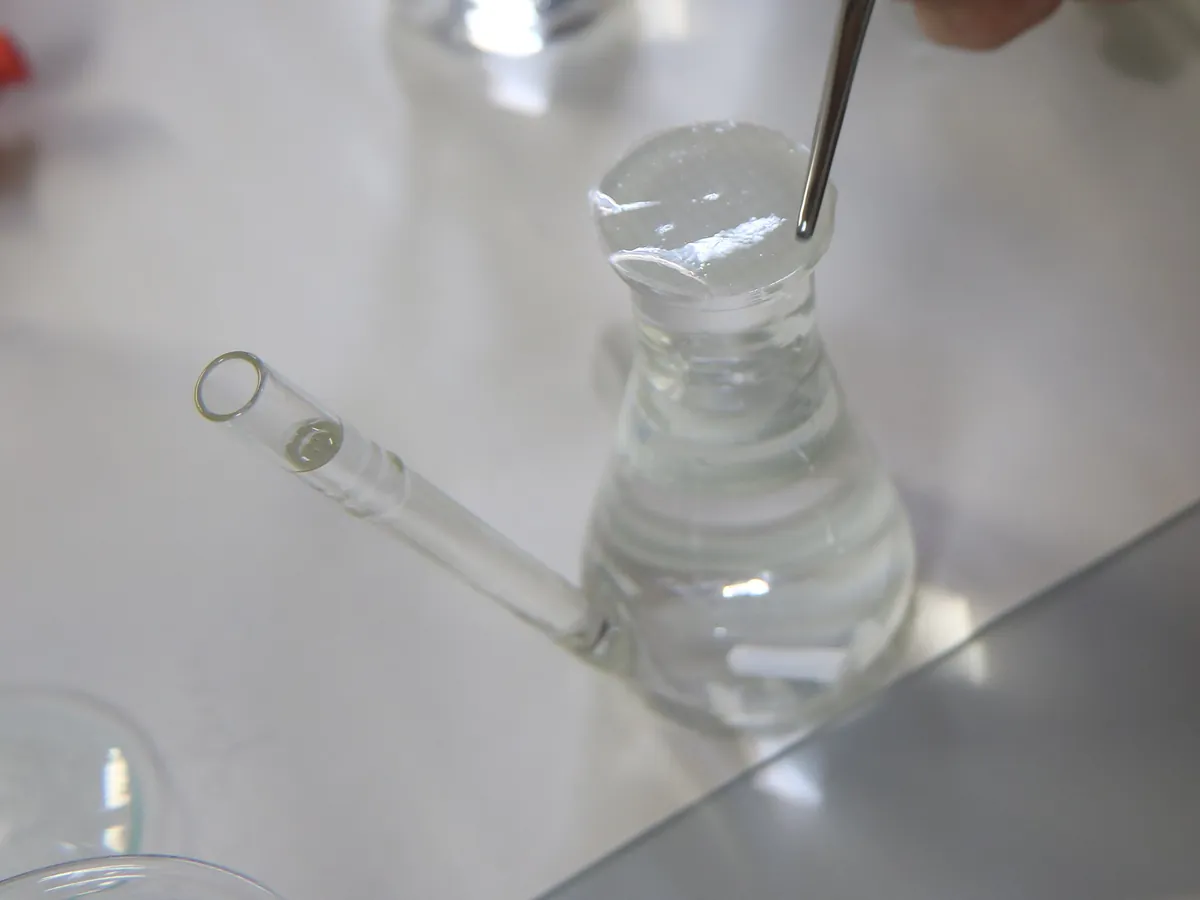
A two-chamber glass cell used to measure how fast drug is released from creams, gels and ointments, or permeates through skin. Drug passes through a membrane into a stirred receptor medium that is sampled over time.
- Pharmaceutical (topicals and transdermals)
- Cosmetics
- Research and academia
Test your Franz cell knowledge
Multiple-choice questions
Pick an answer to see whether you are right and why.
Q1. In a Franz cell, the product is applied to the:
basicQ2. IVRT of topical products is usually performed with the membrane at about:
basicQ3. An air bubble under the membrane will cause:
intermediateQ4. In IVRT the cumulative amount released per cm² is commonly plotted against:
intermediateQ5. Why is receptor medium replaced after each sample is withdrawn?
intermediateQ6. What is the main difference between IVRT and IVPT?
advanced
Viva questions
Think of your answer first, then open it to compare.
1. What does 'sink conditions' mean for a Franz cell?
The receptor medium must hold far more drug than will be released, so the concentration stays low (commonly below about 10% of saturation) and does not slow further release.
2. How do you choose a membrane for IVRT?
The membrane should be inert, not bind the drug, and offer little resistance so that release is controlled by the product. Candidates (e.g. polysulfone, cellulose acetate) are tested for drug binding and compatibility during method development.
3. Which Franz cell dimensions must be verified and why?
Receptor volume and orifice diameter (diffusion area). Release is calculated per cm² and from concentration × volume, so errors in either change the result directly.
Keep every Franz cell in control: usage logs, calibration and maintenance schedules, and automatic blocking of overdue instruments.