Titration & electrochemistry
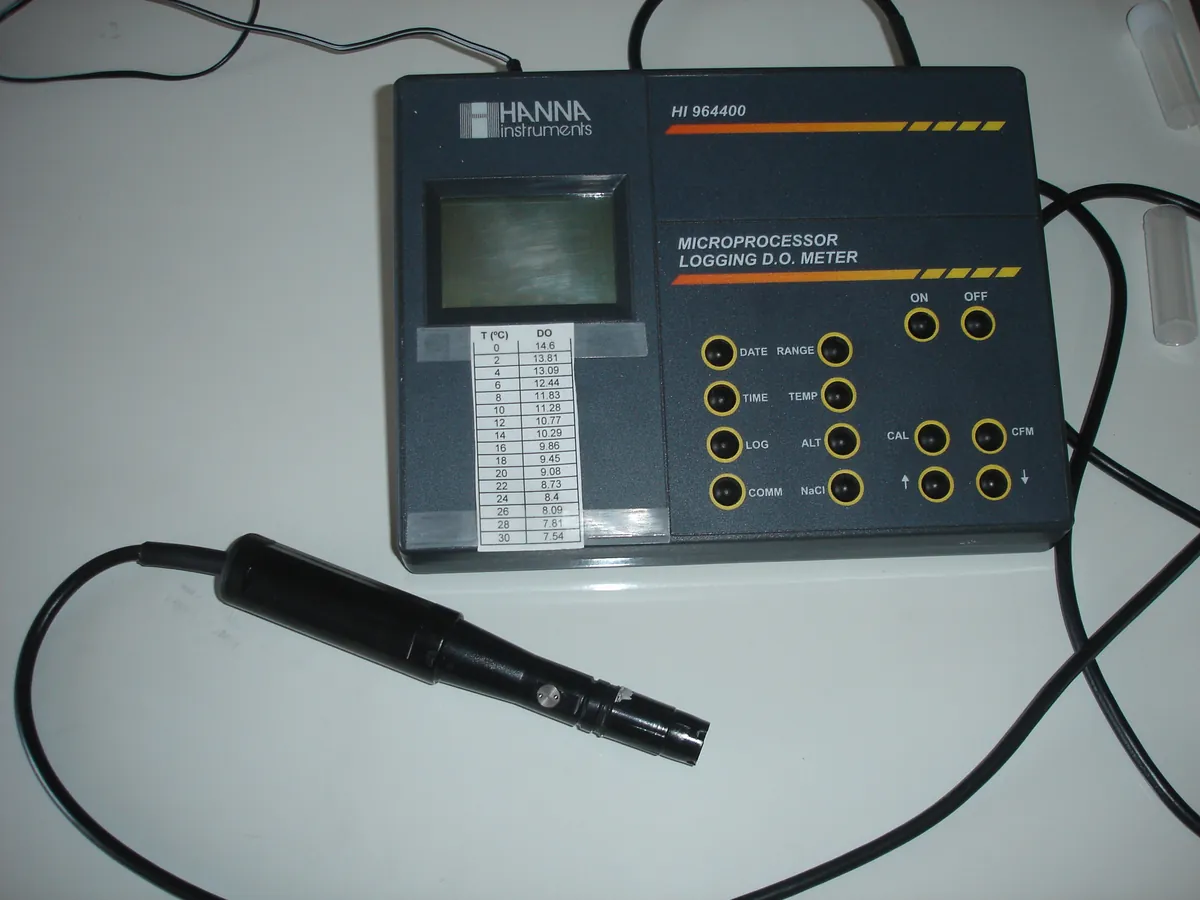
Dissolved Oxygen Meter
Measures the amount of oxygen dissolved in a liquid using an electrochemical or optical (luminescence) sensor. Used for water systems, fermentation, nitrogen-purged formulations and environmental testing.
- Pharmaceutical
- Biotech
- Environmental
- Food & beverage
- Aquaculture
- Power generation
TROUBLESHOOTING
Common problems, causes and fixes
Readings drift continuously
Likely causes
- • Probe not fully polarised
- • Temperature not stable
- • Membrane damaged or fouled
What to do
- • Allow the full polarisation time
- • Let the probe reach the sample temperature
- • Replace the membrane or sensor cap
Calibration fails (slope out of range)
Likely causes
- • Wrong pressure or salinity setting
- • Dry membrane or wrinkled membrane
- • Exhausted electrolyte or old sensor cap
What to do
- • Correct the settings
- • Refit the membrane
- • Replace electrolyte or sensor cap
Readings too low in a flowing sample
Likely causes
- • Insufficient flow or stirring (electrochemical sensor)
- • Air bubble on the membrane
What to do
- • Increase stirring or flow
- • Remove bubbles by tapping the probe gently
Zero reading too high
Likely causes
- • Zero solution old or exposed to air
- • Slow sensor response
What to do
- • Use freshly prepared zero solution
- • Wait longer or service the sensor
In LimsPulse · Calibration Management
Keep every DO meter in control: usage logs, calibration and maintenance schedules, and automatic blocking of overdue instruments.